Golf umbrella wholesale supplier: digital integration readiness
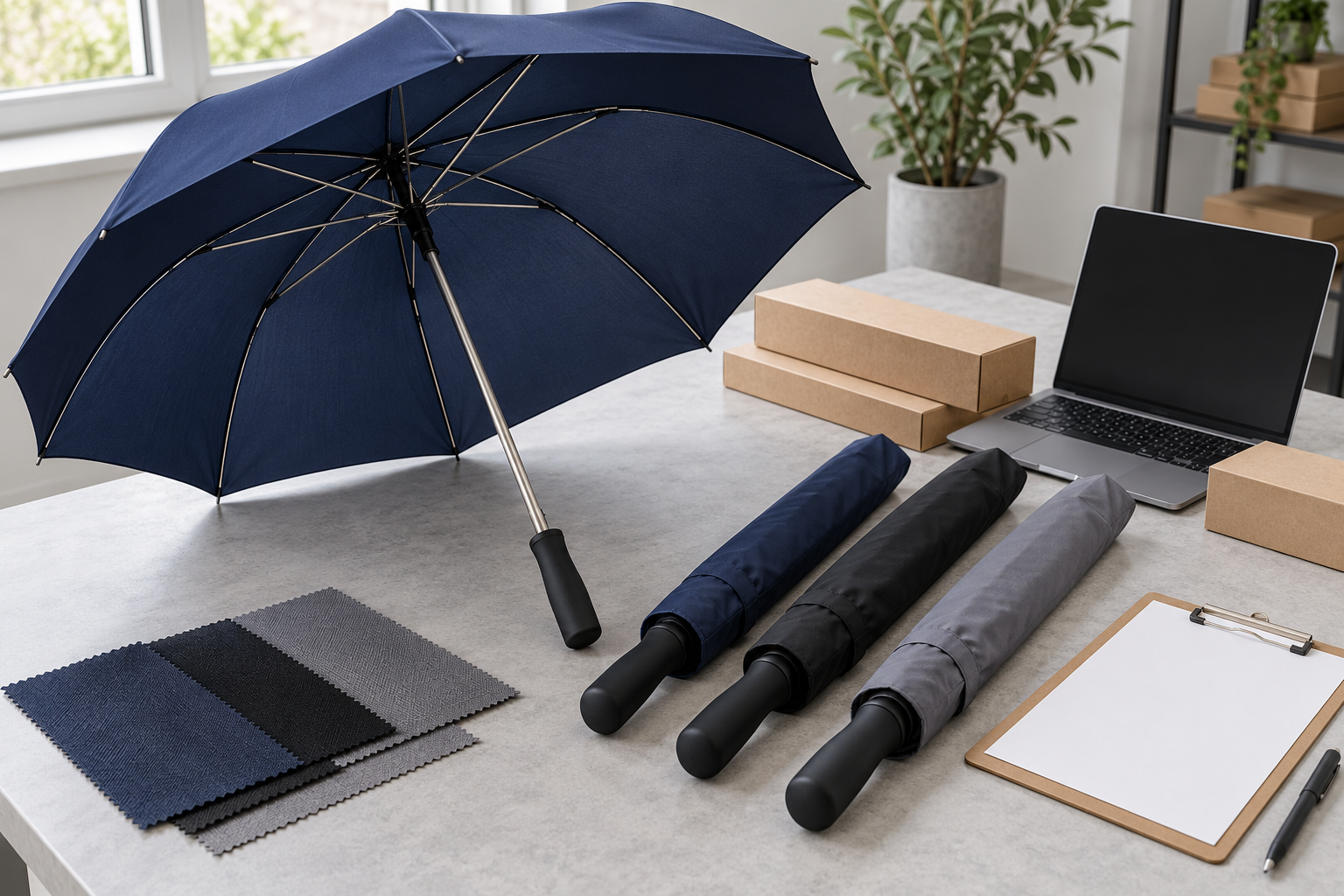
Golf umbrella wholesale supplier: digital integration readiness for New Zealand
By Vincent Xi — Editorial Author
For New Zealand B2B buyers choosing a golf umbrella wholesale supplier, assess digital integration readiness through a representative order. Ask each candidate to show how its proposed process would carry your umbrella variants, artwork revisions and purchase order references through to acknowledgment and delivery records.
Use the RFQ to establish which information must pass between your purchasing system and the supplier, who approves changes, and where manual work would remain. Compare the proposed process against your team's requirements, then record the scope you accept. Keep that decision separate from approval of the physical golf umbrella, commercial terms and release of a live order.
Define digital integration readiness for New Zealand golf umbrella orders
Start with the golf umbrella variants and order types you intend to buy. Identify the purchasing, artwork and receiving tasks the exchange must support. Mark requirements as mandatory or optional, assign a buyer responsible for each decision, and specify what that person needs to review.
Ask the supplier to classify each requested function as available for demonstration, requiring configuration, dependent on another party or proposed development. Request exclusions and manual tasks alongside the response. Keep proposed functions pending until your team has reviewed them; record any conditions attached to acceptance.
Define the intended scope precisely: selected umbrella variants, permitted order changes, artwork approval stages and delivery arrangements. Use that scope throughout the comparison so each candidate responds to the same purchasing requirement.
Compare exchange methods using the same golf umbrella order
Give each candidate the same order scenario, including variant references, artwork assignments and New Zealand receiving details. Ask it to propose an exchange method and identify the work your team would perform. Discuss the following options without assuming that a supplier offers them.
| Proposed method | Buyer question | Requirement to agree |
|---|---|---|
| Shared order spreadsheet | Which template would both parties use, and who would enter or correct information? | File ownership, version identification, acknowledgment format and reconciliation responsibilities. |
| Supplier ordering portal | How would buyers select umbrella variants, assign artwork and retrieve order records? | User permissions, required fields, approval history and record retrieval. |
| Scheduled file exchange | Which fields and transfer arrangements would apply, and how would timing accommodate amendments? | Exchange schedule, receipt messages and handling of missing files, rejected records and repeat submissions. |
| Direct system connection | Which purchasing functions would the connection cover, and what configuration or third-party involvement would it require? | Field mapping, setup responsibilities, exception handling and maintenance ownership. |
| Mixed digital and manual process | Where would information move automatically, and where would a person need to act? | An accountable owner, completion record and reconciliation step for each manual handoff. |
Request separate commercial responses for setup, access, configuration, support and later changes, where applicable. Ask who would maintain the agreed field map when an umbrella variant, artwork requirement or order template changes. Record proposed charges and dependencies alongside the method comparison.
Map golf umbrella variants, artwork and order records
Attach a field map to the RFQ. For each field, define its meaning, format, required status, permitted values, owner and destination. Ask the supplier to identify information it cannot receive, retain or return through the proposed method.
| Record | Fields to agree | Buyer review question |
|---|---|---|
| Golf umbrella variant | Buyer and supplier item references; specification revision; agreed canopy, frame, shaft, handle, opening mechanism, colour and packaging descriptions. | Can the returned records distinguish every selected variant without relying on an informal description? |
| Artwork assignment | Order line, artwork identifier, revision, print position, approval status and authorized approver. | Does the proposed record link the accepted artwork to the intended variant and order line? |
| Commercial order | Purchase order and line references, quantity, order unit, price basis, currency, agreed terms and delivery dates. | How would differences between the submitted order and supplier acknowledgment reach the buyer for approval? |
| Order amendment | Original order reference, affected line, requested change, revision and acceptance status. | How would both parties distinguish a requested amendment from an accepted change? |
| Delivery record | Order and line references, agreed shipment reference, dispatched quantity, outstanding quantity and receiving details. | Can the receiving owner reconcile the proposed record against the accepted order? |
Specify quantity units explicitly. Request proposed minimum order quantities, order multiples and packaging quantities for the selected variants, then agree how these appear in quotations and orders. Define any conversion between ordering and packaging units, and require conflicting quantities to return to the buyer for clarification.
Distinguish blank, unavailable and awaiting-confirmation values. Identify which missing fields must prevent order acceptance and who may resolve them. For dates, separate buyer-requested, supplier-proposed and mutually accepted values; agree formats and any relevant time zone.
Set approval authority and amendment rules
Define who may submit artwork, review proofs, approve revisions and authorize fulfilment. Require distinct records for artwork submission, artwork approval, order receipt and order acceptance. State which decisions authorize the supplier to proceed and which merely acknowledge that information arrived.
Require each artwork revision to remain linked to its golf umbrella variant and order line. If you require a physical sample, agree how its configuration, reviewer, acceptance criteria and decision will be recorded separately from digital artwork approval.
For quantity changes, substitutions, artwork amendments, cancellation requests and delivery revisions, specify the original order reference and affected lines. Name the people who may accept or reject each change, and agree how the effective revision will be identified in subsequent records.
Agree New Zealand delivery fields and document handoffs
Provide the intended New Zealand delivery address, receiving contact and any booking or handling instructions supplied by your receiver. Agree where these details should appear, who may amend them and how accepted changes will be acknowledged. If split deliveries are in scope, require shipment records to identify the original order, dispatched quantities and outstanding quantities.
Request the supplier's proposed shipment document list and sample formats where available. Ask your appointed freight provider or adviser to identify the documentation and compliance requirements applicable to the actual order. Then specify which information must pass through the digital process, who prepares it, who reviews it and who corrects discrepancies. Keep unresolved requirements pending until the responsible party confirms them.
Ask the relevant parties to confirm freight responsibilities and charges in the commercial response. Agree where those terms belong in the order record and how your receiver should report delivery discrepancies.
Review a trial exchange before commercial use
Set acceptance criteria before the demonstration. Use designated trial records and make clear that the exercise does not authorize a commercial order.
- Submit a representative golf umbrella order with the agreed variant references, quantities, artwork assignments and receiving fields. Compare the returned acknowledgment with the submission.
- Request an artwork or order amendment. Review how the process identifies the accepted revision while keeping the earlier record distinguishable.
- Introduce agreed exceptions, such as an incomplete mandatory field, rejected record or duplicate submission. Review the notification, responsible contact and resolution procedure, including how to check whether an order already exists before resubmitting it.
- Request a sample delivery record, including split-delivery details if relevant. Ask the receiving owner to reconcile it against the trial order.
- Retrieve the order, approval and change records in your required format. Have the responsible buyers record acceptance, conditions or unresolved issues against the original criteria.
Limit acceptance to the functions and scenarios your team actually reviews. List unreviewed configurations and exceptions explicitly.
Before sharing live order information, agree permissions for creating orders, approving artwork, changing receiving details and retrieving records. Request procedures for removing access and obtaining your purchasing records when the arrangement ends. Agree support contacts, availability, escalation arrangements and responsibility for reconciling records after interrupted exchanges or temporary manual handling.
RFQ Checklist
- Specify the golf umbrella variants, item references and specification revisions included in the proposed digital exchange.
- Provide a field map covering mandatory information, units, permitted values, field owners, destinations and treatment of incomplete records.
- Ask the supplier to classify requested functions by demonstration availability, configuration needs, third-party dependencies or proposed development.
- Require a proposed exchange method with explicit manual tasks, exclusions, setup charges, access arrangements and maintenance responsibilities.
- Request quotation fields for quantities, minimum order quantities, order multiples, packaging units, price basis, currency, payment terms and quote validity.
- Specify consistent order and line references across quotations, submissions, acknowledgments, amendments and delivery records.
- Require separate order receipt, order acceptance, artwork submission and artwork approval records, with named approval roles and linked artwork revisions.
- Specify how any required physical sample decision will be recorded against the relevant variant and kept distinct from artwork approval.
- Require amendment rules covering quantities, substitutions, artwork, cancellations and delivery changes, including who may authorize each revision.
- Provide New Zealand receiving details and specify requested, proposed and accepted date fields, split-delivery records and discrepancy-reporting requirements.
- Request proposed freight responsibilities and shipment document formats, and assign confirmation of applicable requirements to the relevant providers or advisers.
- Ask the supplier to demonstrate an agreed trial order, amendment, exception and delivery record against written acceptance criteria.
- Specify user permissions, record retrieval, access removal, support contacts and responsibility for reconciling manually handled orders.
- Require a decision record identifying accepted scope, unresolved requirements, conditional arrangements and authorization for commercial use.
Record the accepted digital scope
Compare responses requirement by requirement. Use accepted, conditionally accepted, unresolved or outside-scope statuses, and choose an overall decision that reflects the mandatory requirements.
| Decision | Buyer action | Record to retain |
|---|---|---|
| Approve the reviewed scope | Accept the mandatory functions demonstrated within the agreed purchasing scope. | Approved field map, approval rules, responsibilities and permitted order types. |
| Approve a limited scope | Obtain agreement from the owners of manual tasks or restrictions before commercial use. | Excluded functions, conditional arrangements, accountable owners and conditions for further review. |
| Defer approval | Identify mandatory requirements without an accepted solution and request a revised proposal. | Unresolved requirements, responsible parties and the review needed for reconsideration. |
Attach the accepted versions of the field map, approval rules, delivery requirements and exception contacts to the purchasing record. Ask the supplier to acknowledge those versions, and require further review before extending the arrangement to functions or order types outside the accepted scope.
Discuss Your Requirements
Review our manufacturing capabilities, then share your specifications for a supplier-fit review.