Custom Umbrella Market Trends to Watch in 2026
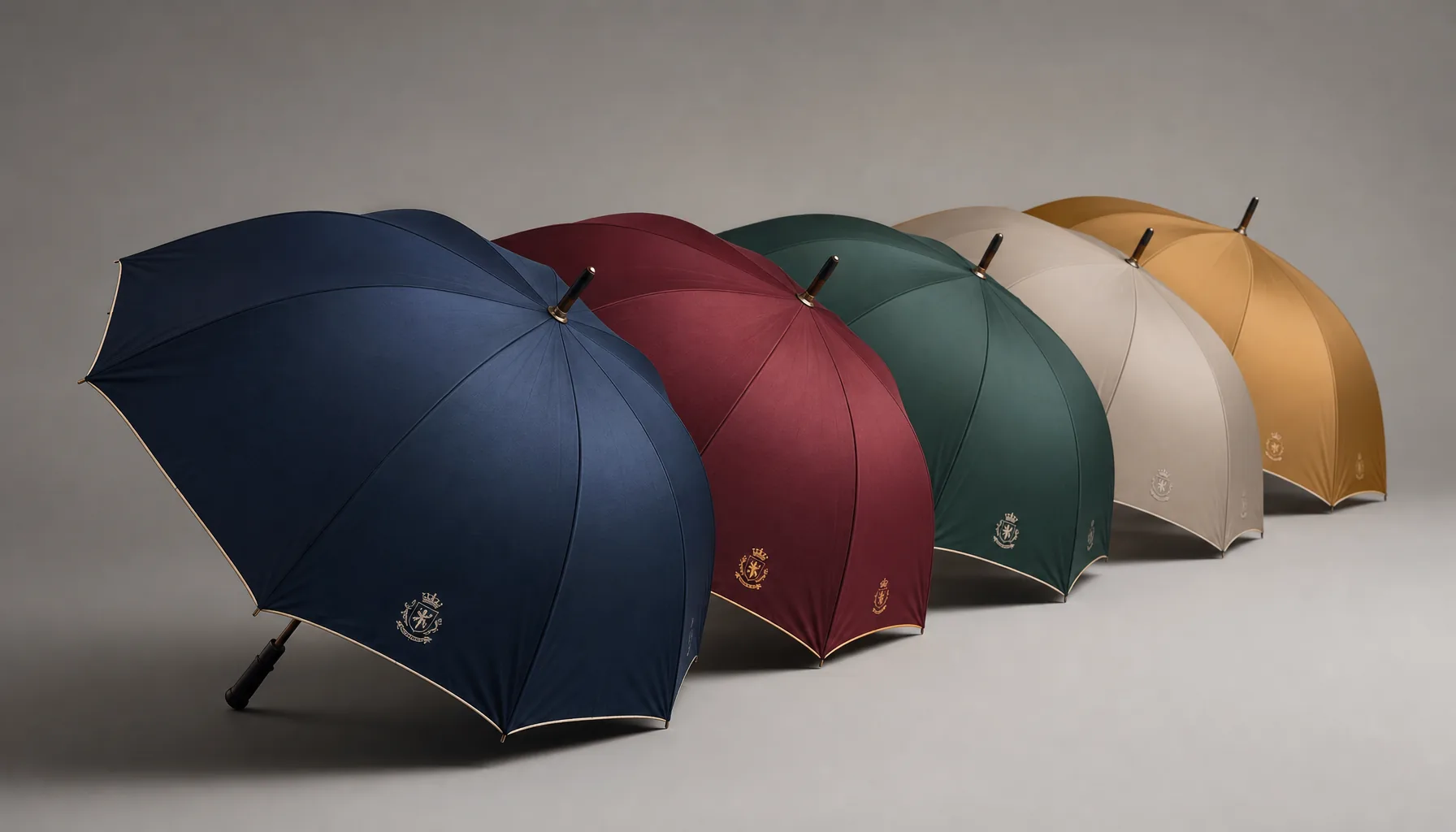
For buyers planning custom programs in 2026, the real challenge is not finding an umbrella shape but matching material choices, print quality, and cost to how the product will actually be used and perceived. The umbrella market trends 2026 are being driven by sustainability claims, clear domes for visibility, and premium gifting expectations that leave little room for vague specs or weak construction. At the factory floor, those shifts show up in panel fabric, frame tolerance, coating choices, and packaging decisions that determine whether a run sells through or gets discounted.
Sustainability moves from nice-to-have to requirement
The biggest shift in umbrella market trends 2026 is that sustainability is no longer a side note buyers can ignore. RPET canopy fabric is moving from niche to standard because procurement teams want a material story they can document, not just claim. In practice, that means asking for recycled polyester with GRS or equivalent chain-of-custody paperwork, plus clear documentation on yarn source, dye house, and finished goods composition. For custom umbrella trends, the real filter is no longer color or handle shape first; it is whether the factory can prove what percentage of the umbrella is recycled, what part is still virgin resin, and how the claim will survive a customer audit. We see that especially in retail, hospitality, and corporate gifting programs where the buyer needs a paper trail, not a green slogan.
The umbrella industry outlook is also changing on the packaging side. Buyers want lower-impact polybags, recycled paper hangtags, soy inks, and less mixed-material packaging that makes recycling impossible downstream. That sounds minor, but it matters because umbrella design trends are now tied to compliance files as much as appearance: document the fabric GSM, recycled content, coating type, and any third-party test report, and the product becomes easier to approve for brands with ESG reporting targets. The practical winning spec is usually RPET pongee with water-based print where possible, paired with a straightforward construction that keeps claims defensible. ZheBrella sees the strongest acceptance when the supplier can hand over test reports, material declarations, and packing specs together, because buyers are comparing sustainability the same way they compare wind performance, MOQ, and lead time.
Premiumization and the gifting market
The strongest shift in umbrella market trends 2026 is premiumization: buyers are moving away from the cheapest 21-inch manual stick umbrella and toward products that feel worth giving. In practice, that means 23-inch and 27-inch automatic-open models, auto-open-close compact umbrellas, and stick umbrellas with cleaner finishing, tighter canopy alignment, and better grip materials such as EVA or molded rubber. For gifting, the canopy fabric matters as much as the frame. Pongee 190T and 210T still dominate because they print well and hold color, but brands are asking for smoother hand-feel, water-repellent coatings, and higher perceived value from details like metal tips, wooden handles, matte black shafts, and coordinated sleeve packaging. The umbrella industry outlook is clear here: buyers want an item that looks like a real gift, not a throwaway weather accessory.
The custom umbrella trends behind this premium tier are not just cosmetic. Procurement teams are specifying fiberglass ribs instead of plain steel, especially on 8K and 10K frames, because flexibility reads as quality and reduces breakage complaints. For larger promotional programs, 16K double-canopy vented windproof structures are gaining ground because they look more engineered and survive harder use, often in the 50+ mph range when the frame geometry is right. UV protection is also moving from a nice-to-have to a standard request, with Teflon-treated or UPF 50+ canopies used to justify a higher ticket price. From a factory-floor perspective, the difference between a basic promo umbrella and a giftable one is usually not one big feature; it is the combination of better ribs, cleaner sewing, tighter panel matching, and packaging that survives retail or corporate presentation without looking cheap.
This is where umbrella design trends are getting more commercial. Corporate gifting, hotel welcome programs, golf events, and premium retail bundles are pulling demand toward umbrellas that can carry a logo without looking like a billboard. Heat-transfer and sublimation printing are still important, but buyers now want restrained branding, tone-on-tone placement, and better decoration zones on the sleeve, tie strap, or edge panels. MOQ expectations are also changing: brands will accept a higher unit cost if the supplier can control AQL 2.5, keep lead times in the 25 to 35 day range, and deliver consistent color across reorders. In our standard practice at ZheBrella, the premium bracket is where FOB and DDP conversations matter most, because the buyer is paying for fewer defects, better unboxing, and a product that reads as a gift first and an umbrella second.
Clear dome and statement formats
Clear dome umbrellas are still getting pulled through the channel because they photograph cleanly and immediately show the print or interior artwork without distortion. That matters more in 2026 than it did a few years ago, because buyers are planning for social-first use: retail shelves, event giveaways, creator kits, and unboxing content. In umbrella market trends 2026, the products that win are the ones that look good from three feet away and hold up under a phone camera from six inches away. A 32- to 34-inch clear POE dome with a straight shaft, black or colored trim, and a crisp logo panel is easier to sell than a generic 23-inch folding umbrella, even when the function is similar. From the factory side, the printing constraint is real: clear canopies expose seam alignment, edge binding, and ink registration, so the production standard has to be tighter than on opaque pongee.
Statement formats are also moving beyond novelty and into repeatable custom umbrella trends. Buyers want bold color blocking, oversized branding, photo-ready contrast handles, and shapes that create a recognizable silhouette in feed content. A 16K fiberglass frame with a vented double canopy, or a 23-inch auto-open-close compact with a matching case, gives enough utility to justify the purchase while still reading as a designed object. The umbrella industry outlook points toward fewer bland private-label stock items and more low-MOQ runs built around one strong visual idea, whether that is a translucent dome, UV-coated 190T pongee with a contrast border, or a statement handle in EVA or curved wood. The key umbrella design trends are not just decorative; they reduce decision friction because the buyer can immediately picture the photo result, the event placement, and the retail shelf impact before they ask for price.
Windproof and durability as selling points
Buyers are moving away from the cheapest frame they can find and paying attention to what fails in the field: rib snap, runner wear, spoke twist, and canopy inversion in gusts. That shift is one of the clearest umbrella market trends 2026, especially for corporate gifts, outdoor events, golf accounts, and retail programs where replacement cost and brand damage matter more than a low unit price. In practice, windproof claims only mean something when the structure matches the claim, which usually means fiberglass ribs, reinforced stretcher joints, a vented double-canopy, and a shaft that does not flex into a permanent set after repeated loading. A 21-inch compact can be made stronger, but once buyers want real stability, 23-inch, 27-inch, and 30-inch formats with heavier gauges are where durability becomes visible in use.
On the factory floor, the difference between a decent umbrella and a return waiting to happen is usually in the frame spec, not the logo. 8K and 10K builds with fiberglass ribs handle daily commuter use better than thin steel on many auto-open models, while 16K golf frames with venting can survive stronger gusts without turning inside out. For canopy material, 190T pongee is the baseline; 210T gives better hand feel, denser weave, and a cleaner print surface, and Teflon or UV coatings matter when buyers want water shed and UPF 50+ performance in the same SKU. The umbrella industry outlook is still price-sensitive, but the companies winning repeat business are the ones that can document AQL 2.5 inspection, flex-cycle testing, and realistic wind-tunnel results instead of vague marketing claims.
Custom umbrella trends are also moving toward specifications that buyers can explain to their own customers: auto-open-close for commuters, manual or auto-open for value lines, POE and PVC for clear rain umbrellas, and EVA handles or rubberized grips where comfort matters. The strongest programs are usually not the fanciest; they are the ones where the frame, canopy, and print method are matched to the use case, then quoted with clear MOQ, lead time, and freight terms. Our standard practice is to separate promotional requests from retail-grade builds, because a screen-printed 190T umbrella for a one-time event is a different product from a 50+ mph windproof model intended for repeated use. That distinction is where umbrella design trends are heading in 2026: less ornament, more proof that the product will survive weather, transport, and customer handling without failure.
Supply-chain and sourcing shifts
Tariffs are still the first thing buyers ask about when they talk about umbrella market trends 2026, and they are not wrong to focus there. A 5% swing in duty can erase the margin on a cheap 21" manual umbrella faster than a bad print run, especially when freight, carton size, and land-side handling are already tight. That is why more sourcing teams are splitting programs: simple promotional SKUs get priced aggressively, while higher-value custom umbrella trends like 23" auto-open-close models, 10K fiberglass frames, and 190T pongee can absorb some tariff pressure because the landed cost is easier to defend. I also see more buyers asking for DDP quotes upfront, not just FOB, because they want fewer surprises when the container clears customs.
Nearshoring keeps coming up, but most conversations stop when the spec sheet gets real. If a brand needs a double-canopy vented windproof frame, UPF 50+ coating, matched panel sewing, and AQL 2.5 inspection, the supplier pool gets small fast. Mexico, Vietnam, and parts of Eastern Europe can make sense for limited runs or fast retail replenishment, but the umbrella industry outlook still favors places that already have rib stamping, shaft cutting, canopy sewing, and printing in the same radius. For umbrella design trends, the shift is toward lighter fiberglass, cleaner edge binding, and more durable auto-open mechanisms, which sounds simple until you are trying to source all of it at 10,000 units without losing consistency across batches.
The Zhejiang cluster endures because it is built around actual process depth, not just assembly labor. In Songxia and the surrounding towns, one factory can still source steel wire, fiberglass ribs, pongee 210T, Teflon coating, screen printing, and packaging within a short truck run, which is hard to replace when lead times matter. That matters more in 2026, not less, because buyers want 30 to 45 day production windows on repeat orders and they want fewer defects on custom umbrella trends that depend on color accuracy and frame consistency. The umbrella market trends 2026 point to more selective sourcing, not a full relocation story: buyers will keep testing nearshore options, but for 8K, 10K, and 16K programs with real wind performance and export-scale reliability, Zhejiang still has the best combination of tooling, labor memory, and supply density.
Frequently Asked Questions
What umbrella styles are trending for 2026?
Clear dome (bubble) umbrellas for their photogenic appeal, premium double-canopy windproof gifts, and documented-eco RPET lines. Buyers increasingly want durability and sustainability proof, not just the lowest price.
Is umbrella manufacturing moving out of China?
There is tariff-driven conversation about diversifying, but the Songxia, Zhejiang cluster still concentrates the frames, fabrics, and tooling that make it efficient. Most volume remains there because the supply chain is uniquely dense.
What custom umbrella styles are most likely to move in retail channels in 2026?
Clear dome umbrellas, compact automatic folding umbrellas, and premium golf umbrellas are strong retail bets because they balance visibility, convenience, and gifting appeal. For private label programs, many buyers also want upgraded frame strength and a more refined handle finish.
What MOQ should a distributor expect for trend-driven umbrella orders?
For most custom umbrella programs, standard MOQs often start around 500 to 1,000 pieces per style and colorway. Recycled fabrics, special coatings, or custom molded handles can raise the MOQ because they require separate material runs.
How do sustainable materials affect lead time and cost on custom umbrellas?
Recycled polyester or rPET canopy fabric usually adds sourcing checks and can extend lead time by about 1 to 2 weeks versus standard polyester. Cost is typically higher as well, especially if the order also includes low-VOC inks, FSC packaging, or recycled accessory parts.
Looking to Launch Your Custom Umbrella Line?
ZheBrella is a Zhejiang-based OEM/ODM umbrella manufacturer with 17 years of export experience. Free design, low MOQ from 100 pieces, windproof construction, full-color print.
Get Free Quote Now »People Also Search For
Related Articles
Why Retail Brands Are Moving to Sun-and-Rain Hybrid Umbrellas
Learn why hybrid sun-and-rain umbrellas are gaining retail traction and how specs like UPF 50+, pongee density, and fram...
Read More »
Custom Umbrellas for Luxury Retail and Store Concierge
Source umbrellas for luxury retail concierge and store lending programs with premium materials, tighter QC, and specs th...
Read More »
Custom Umbrellas for Weddings and Events: Design and Sourcing
How to source custom umbrellas for weddings and events - clear domes, color-matched parasols, monograms - with the lead ...
Read More »