Custom Umbrellas for Wineries and Outdoor Tasting Venues
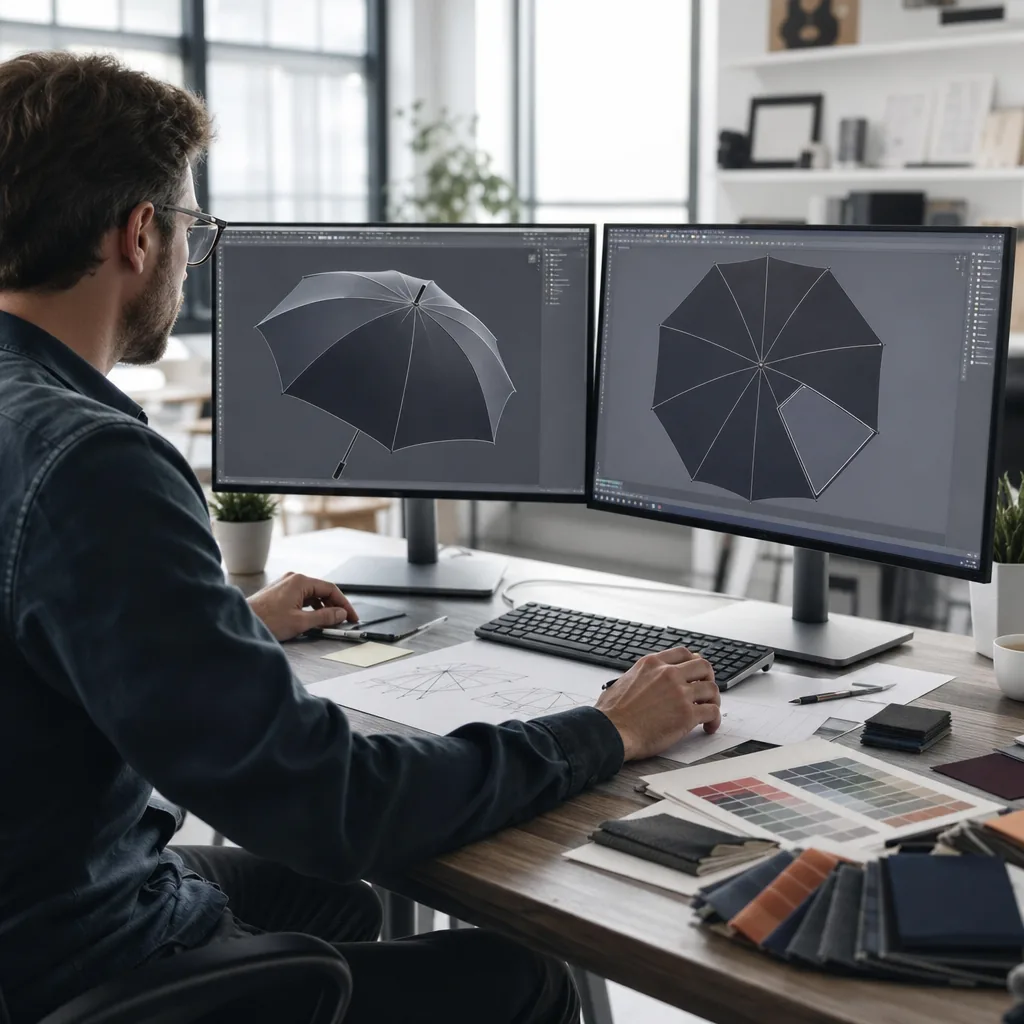
For wineries, an umbrella has to do more than carry a logo; it has to shade tasting patios, hold steady on breezy vineyard walks, and still feel premium enough for wine club gifting. Buyers sourcing winery branded umbrellas wholesale usually run into the same factory-floor tradeoffs we see every season in Songxia: canopy fade under UV, rib instability in gusts, handle quality, and MOQs that do not line up with mixed venue and retail demand.
Umbrella Use Cases Across Winery Guest Experiences
For most wineries, the lowest-risk buy is a two-frame program, not one umbrella pushed across every guest touchpoint. Tasting patios, table service lanes, crush-pad seating, and barrel-room entries usually need a 27" to 30" straight umbrella built for long exposure: fiberglass ribs for flex, a steel shaft for stability, and a double-canopy vented frame that holds its shape better in crosswinds moving between tables and doors. Vineyard walks need a lighter carry model. A 23" or 27" walking umbrella in 190T or 210T pongee is easier for guests and staff to handle on uneven ground and during repeated open-close use. That split matters because wineries rarely need rain-only coverage. Guest dwell times run long, so the same group may stand outside in a light morning shower and then stay in full sun by afternoon. A Teflon water-repellent finish plus a UV coating rated UPF 50+ solves both problems in one canopy. That is why winery branded umbrellas wholesale programs usually separate patio stock from guest-carry stock: one frame may look cheaper upfront, but it increases replacement risk, weakens guest comfort, and leaves the winery with poor-fit inventory across patios, vineyard walks, and shuttle pickup lines.
Wine club gifts, tasting room retail, shuttle pickup zones, and outdoor photo areas need different specs because the cost drivers are different. For gift packs and retail, a 21" or 23" foldable auto-open umbrella usually sells through better than a bulky golf frame: it stores easily, feels practical, and still gives enough canopy area for a clean one-color print on a matte black or wood-look handle program. If the winery wants a more premium retail SKU, a 10K or 16K frame creates a fuller canopy that photographs better in-store and in member unboxing shots, but buyers should confirm weight and carton size early because both can move FOB and DDP pricing quickly. Shuttle pickup zones and photo areas put branding and materials under more stress. Guests cluster tightly, logos need to stay legible, and the umbrella often works as shelter and backdrop at the same time. For branded umbrellas for wineries, dark 190T or 210T pongee usually holds burgundy, forest, and black print better than pale stock fabric. For clear photo umbrellas, POE or EVA generally lasts better than PVC, which tends to yellow and stiffen sooner in heat. Any serious vineyard tasting umbrellas order should be inspected to AQL 2.5 with repeated open-close checks, because weak ribs, cracked joints, and poor print adhesion usually show up in the first 30 days of weekend service.
Choosing Styles for Patio, Tour, and Retail Programs
Match the frame to the program, because the best seller on a retail shelf is usually the wrong tool for a lending stand or tour cart. For retail, compact 21-inch or 23-inch folding umbrellas move better than full-length sticks because guests can store them in a handbag, car door pocket, or weekend luggage after a tasting-room purchase. A 3-fold manual or auto-open 8K frame is the practical starting point. Fiberglass ribs cut wind-damage returns; steel ribs trim unit cost when shelf price matters more than durability. For winery branded umbrellas wholesale, 190T or 210T pongee is a better retail fabric than low-grade polyester because the hand feel is noticeably stronger beside corkscrews, picnic gear, and bottle bags. If the venue sells for both sun and rain, specify a black or silver UV coating rated UPF 50+ so the same SKU covers rain gear and custom UPF umbrellas. Premium trim also changes perceived value: wood handles and leather-look PU wrist straps fit higher bottle price points far better than standard black plastic and give branded umbrellas for wineries a cleaner upscale presentation.
For tasting-room lending, a 23-inch straight stick umbrella is usually the lowest-risk choice. Staff can stack it by the door, guests can open it quickly, and it is harder to lose than a folding unit. Keep the mechanism simple: manual open or reliable auto-open generally lasts longer than auto-open-close because there are fewer failure points under daily use. An 8K or 10K frame with fiberglass ribs and a steel shaft is the standard build, and a vented double canopy is the better option for patios and parking areas where gusts reach 40 to 50 mph. Dark 190T pongee hides hand marks, and a Teflon finish helps wine drips and muddy splash wipe off, reducing replacement cost across a lending fleet of vineyard tasting umbrellas. For vineyard tours, step up to a 30-inch golf umbrella when coverage matters most; use 27-inch if guides need to carry multiple units on carts. A true 30-inch arc in 8K construction covers one guest plus a bag more effectively, especially with a vented canopy and UV coating. Straight wood handles suit classic estate branding, while molded leather-look grips are more comfortable on hour-long walks. Most custom programs land at MOQs of 300 to 500 pieces, with lead times around 25 to 35 days for repeat frames and 35 to 45 days for Pantone-matched panels or upgraded handles, typically inspected to AQL 2.5 for opening action, stitch density, and logo position.
Fabric and Weather Specs for Vineyard Conditions
Start with canopy fabric, because it sets both replacement cost and perceived quality. For premium resale, wine-club gifts, and tasting-room merchandise, 210T pongee is the better spec. Its tighter weave gives a cleaner print surface for sharper logo edges, holds canopy shape better after repeated opening cycles, and generally presents dark winery colors such as burgundy, forest green, and black more cleanly with screen print or heat-transfer decoration. For lending fleets and outdoor tasting rain gear, 190T pongee is usually the better buy: lighter, lower cost to replace through a wet season, and durable enough for daily guest use when paired with a stable frame. Buyers ordering winery branded umbrellas wholesale often split the program for exactly that reason: 210T on retail and VIP units, 190T on loaners and event stock. That keeps merchandise margins intact without paying premium fabric costs on umbrellas that will take harder handling and faster seasonal turnover.
For vineyard conditions, specify performance in writing. Ask for a UV coating rated to UPF 50+, not a generic sun-shade claim; silver or clear UV finishes are the right call for exposed patios, shuttle loading areas, and summer tastings where guests stay in direct sun. Use fiberglass ribs and stretchers as the baseline frame material, since fiberglass flexes under gusts, resists corrosion better than painted steel in damp morning setups, and recovers more reliably after side loads. A double-canopy vented structure further reduces inversion risk on open terraces and between vine rows. Choose rib count by use case: 8K frames in 23 inch or 27 inch are the practical standard for vineyard tasting umbrellas because the larger panels print more cleanly and usually price better at MOQs around 300 to 500 pieces. A 16K canopy looks more refined for club gifts, but the smaller panels are less forgiving for artwork and the frame costs more to assemble. For hilltop or coastal venues, require wind-test data above 50 mph before approving any auto-open custom UPF umbrellas for daily service.
Design Details That Protect a Premium Brand Image
Color choice protects a premium wine label more effectively than oversizing the logo. For tasting-room use, muted canopy colors such as deep burgundy, forest green, slate, taupe, and black on 190T or 210T pongee usually outperform bright promotional shades because they hold Pantone intent better in outdoor light and hide drip marks, dust, and tannin splashes after repeated weekend use. For winery branded umbrellas wholesale programs that need both guest-use durability and resale appeal, a 23-inch auto-open stick umbrella or 27-inch market-style frame with fiberglass ribs is usually the lower-risk spec; steel ribs can reduce unit cost, but they add weight and are more likely to bend after repeated wind exposure. Keep the canopy layout disciplined. One or two print hits typically photograph better beside bottles, menus, and table linens than a busy all-over design, and they also reduce registration risk in production. If the brief calls for custom UPF umbrellas, specify a black UV undercoating or silver UV layer rated UPF 50+, then require strike-off approval before bulk cutting because UV-backed fabrics can shift the face color and compromise Pantone accuracy.
Logo placement has to match canopy geometry, viewing distance, and print method. On a standard 8K canopy, a crest, estate illustration, or foil-style monogram at about 180 to 220 mm wide on alternating panels usually reads cleaner than a repeat on every panel. On a 16K fashion frame, each panel is narrower, so artwork must scale down and fine lines need testing or they will close up. Screen printing is still the best choice for sharp spot-color logos on solid pongee, while full-panel artwork, gradients, and photographic vineyard tasting umbrellas are better suited to heat transfer or sublimation on white or light-base fabric; check panel registration before cutting, not after assembly. Approve Pantone from physical fabric swatches under daylight rather than digital proofs alone, because pongee, POE, and EVA reflect color differently. For branded umbrellas for wineries sold through the tasting room, add a printed sleeve, woven label or tie-strap print, and hangtags listing frame material, auto-open function, and any windproof test result. Matte kraft boxes or black tuck-end cartons keep units retail-ready without forcing packaging costs too high; add barcode labels and AQL 2.5 final inspection if inventory will be split between FOB store stock and DDP e-commerce replenishment.
Production Planning for Seasonal Tourism Peaks
For seasonal tourism programs, the real risk is timing, not print quality. Wineries usually miss sell-through because ordering starts after the spring rain window or late-summer UV season has already tightened production capacity. For winery branded umbrellas wholesale, lock quantities 60 to 75 days before first use if the shipment will move by ocean freight; that window covers pre-production samples, canopy color matching, booking, and port cutoff. A practical MOQ is 300 to 500 pieces per color for a straight umbrella and 500 to 1,000 pieces for an auto-open-close compact, especially when the build includes 190T or 210T pongee, Pantone-matched panels, UV coating, or a vented double-canopy frame. Separate frame types at PO stage. If a venue needs 27-inch golf umbrellas for patio service and 21-inch foldables for tasting-room resale, split the order early; mixed-frame programs slow material allocation, complicate approvals, and raise the chance of missing the season.
Sample approval is where vineyard tasting umbrellas usually lose days. A simple screen-printed canopy can clear artwork approval in 3 to 5 days, while full-panel sublimation for custom UPF umbrellas often needs 7 to 10 days, including strike-off review. Check edge registration, seam alignment, and color show-through on actual cut panels, not only a digital proof. After artwork confirmation, standard production runs 30 to 45 days, with lead time driven by frame availability, handle customization, and whether the build uses fiberglass ribs for higher wind resilience or lower-cost steel ribs for basic event coverage. A 30-inch double-canopy golf umbrella with fiberglass ribs and UV 50+ coating requires more sewing and assembly than a manual 23-inch straight umbrella with a standard polyester canopy, so the schedule and unit cost should reflect that complexity.
Before packing starts, lock quality control and delivery terms. For branded umbrellas for wineries, AQL 2.5 is a practical inspection standard: verify opening and closing action, rib symmetry, tip and ferrule fit, logo position, canopy stains, water repellency, and carton drop resistance. Confirm carton labeling before final packout, including SKU, color, quantity, PO number, country of origin, and destination details for a winery warehouse, distributor cross-dock, or 3PL. On FOB terms, protect time for vessel cutoff and pallet planning. On DDP shipments direct to wineries or distributors, settle carton dimensions, delivery appointment rules, and final-mile labeling early. Rural delivery points and multi-site outdoor tasting rain gear programs add handoff risk and can easily add another week when those details stay open.
Frequently Asked Questions
Should wineries choose rain umbrellas or UV umbrellas?
Many wineries benefit from a dual-purpose spec: water-resistant pongee with a UPF 50+ coating. This supports both rainy tasting days and sunny vineyard tours.
What umbrella type is best for tasting room retail?
A compact folding umbrella with a branded sleeve is easiest to merchandise near checkout. For premium wine club gifts, a 23-inch stick umbrella or 27-inch windproof model feels more substantial.
What umbrella size works best for winery tasting patios versus tour use?
For patio tables and seated tastings, many buyers choose 27 to 30 inch stick umbrellas with a larger canopy feel and stronger frame. For vineyard tours and club gifts, 23 to 27 inch portable styles are more practical for carrying, packing, and retail presentation.
How should wineries plan MOQ if they need umbrellas for both guest use and wine club merchandise?
A common approach is to split the order into 2 SKUs using the same fabric color and logo setup to control tooling cost. Many factories can support MOQ from 300 to 500 pieces per style, so buyers often book 300 utility umbrellas for venue use and 300 premium units for club or retail sales.
Which material specs matter most for umbrellas used at sunny, windy tasting venues?
Buyers should prioritize UPF 50+ pongee or polyester fabric, fiberglass ribs, and a corrosion-resistant shaft or coating for outdoor hospitality use. For stronger branding and longer service life, ask for canopy colorfastness, manual open cycle testing, and wind-resistance targets in the 30 to 40 mph range depending on frame design.
Looking to Launch Your Custom Umbrella Line?
ZheBrella is a Zhejiang-based OEM/ODM umbrella manufacturer with 17 years of export experience. Free design, low MOQ from 100 pieces, windproof construction, full-color print.
Get Free Quote Now »People Also Search For
Related Articles
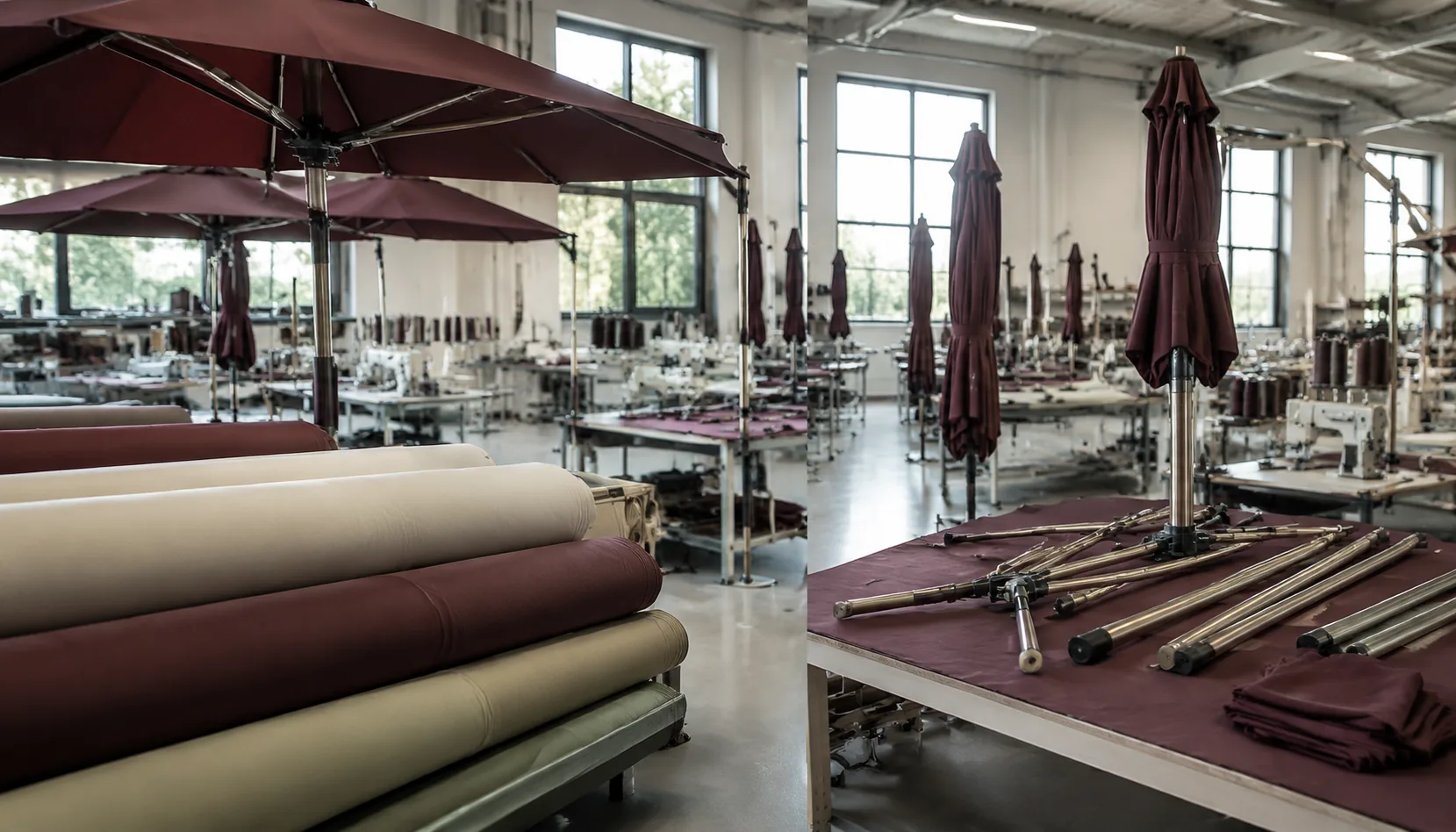
Custom Umbrellas for Wineries and Vineyard Hospitality
Build winery umbrella programs for tasting rooms, wine clubs, and vineyard tours with durable specs, premium branding, a...
Read More »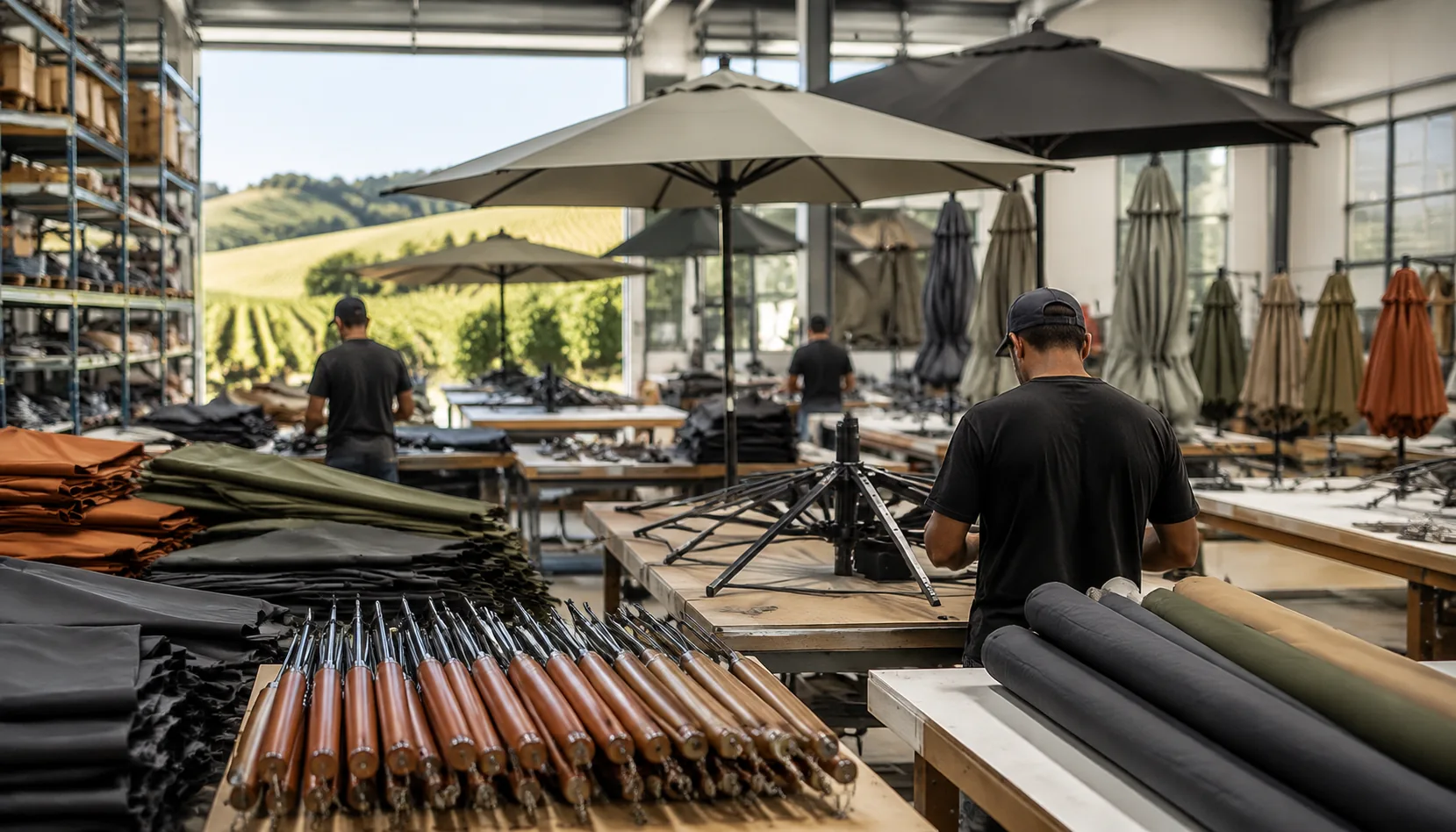
Branded Umbrellas for Outdoor Winery and Brewery Programs
Build winery and brewery umbrella programs for tasting rooms, patios, tours, and retail shelves with durable specs and p...
Read More »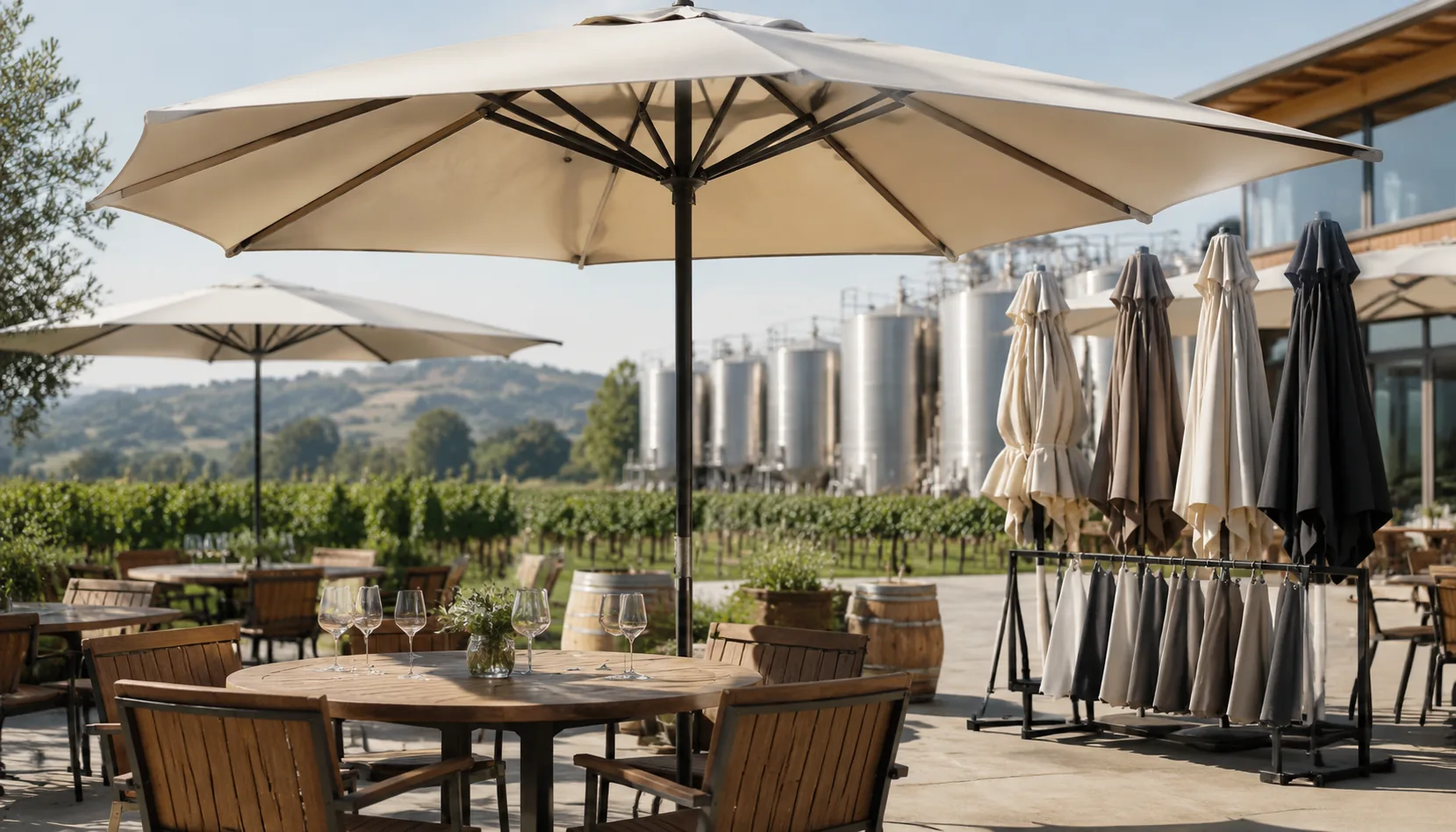
Custom Umbrellas for Wineries, Breweries, and Outdoor Tastings
Source branded umbrellas for wineries and breweries with specs for guest comfort, premium retail sales, outdoor tastings...
Read More »