Branded Umbrellas for Events and Festivals: A Planning Guide
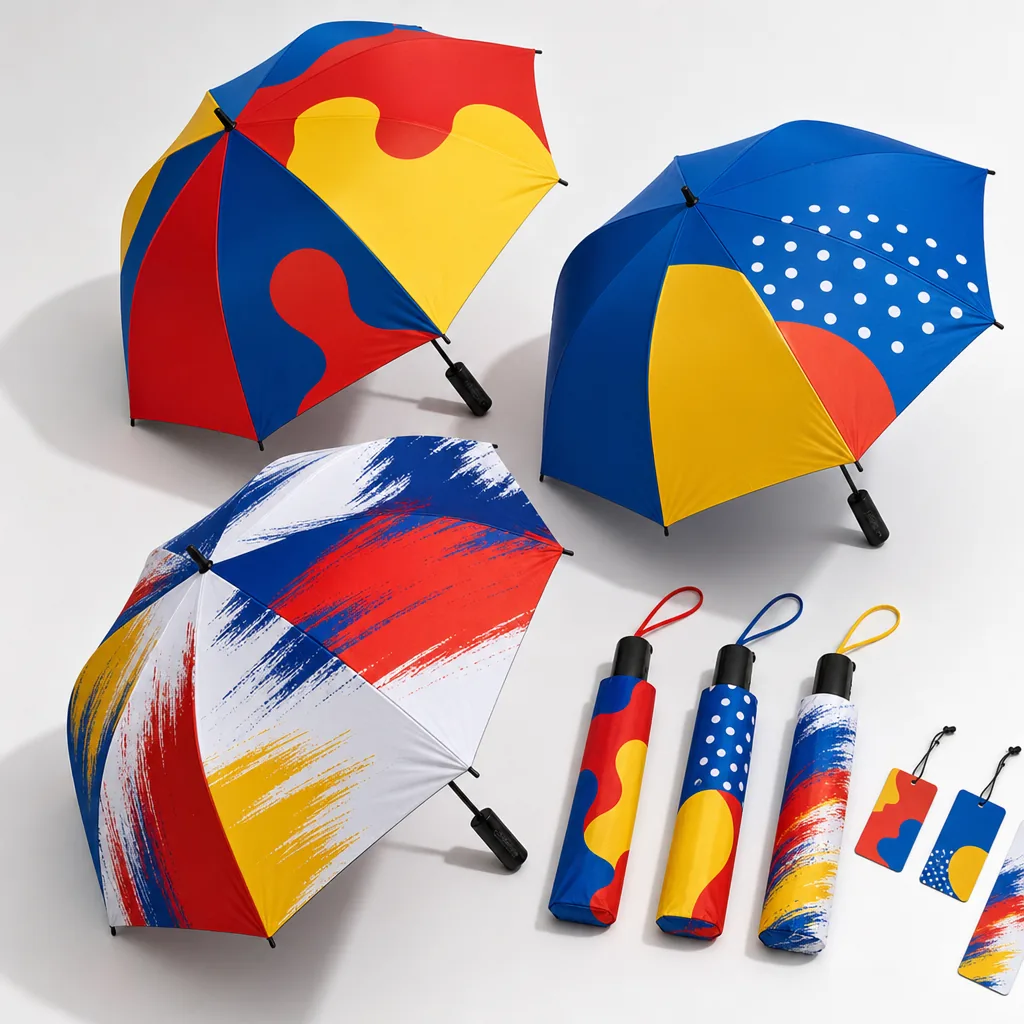
Event umbrella branding looks simple until you have to match color, print quality, wind performance, and delivery dates across hundreds or thousands of units. From the factory floor, the real challenge is balancing visibility with durability so the umbrellas work as shade, signage, and a photo-worthy brand asset without failing in the field. That means planning canopy size, frame strength, artwork setup, and lead time together, not as separate decisions.
Umbrellas as event infrastructure and media
An umbrella at a venue is not just weather protection. It changes how long people stay, how they move, and what they remember. In hot sun, a 23" or 27" canopy with pongee 190T or 210T fabric and a UV coating can cut down fatigue fast, which matters at queue lines, entry gates, merch areas, and outdoor food courts. That is the practical side of event umbrella branding: you are buying shade and crowd comfort at the same time. A promotional event umbrella also works when the forecast is uncertain, because the same product has value in sun, light rain, and wind. For large festivals, the best results usually come from a vented double-canopy build with fiberglass ribs rather than a cheap steel frame, since the latter bends, rusts, and becomes a liability when people are packed close together.
The media value is straightforward. Every umbrella is a moving surface that people carry at eye level, so the canopy becomes a walking billboard instead of a sign that sits in one place and gets ignored. A festival umbrella printed with a bold logo, pattern repeat, or sponsor lockup reads from distance better than most handheld swag because it keeps shifting with the crowd. Our standard practice is to match print method to the artwork: screen print for solid logos, heat-transfer for sharper multi-color work, and sublimation when the full canopy needs photographic coverage. If the goal is event umbrella branding, placement matters more than decoration density. Panels facing outward, consistent logo orientation, and enough blank space to avoid visual clutter usually outperform random all-over graphics that look busy but do not read.
The operational point is that umbrellas only work as media if they survive the day. For that reason, rib count, mechanism, and finish are not cosmetic details. An 8K or 10K frame with fiberglass ribs can be fine for light promotional use, while a 16K structure is better when wind exposure is real and you need fewer failures on site. Auto-open-close models speed distribution at entrances, but manual or auto-open versions can be more durable if users will keep the umbrellas for repeat use after the event. For a branded umbrella activation, I would also look at handle shape, sleeve packaging, and carton count, because those affect handout speed, carrying comfort, and the perceived quality of the sponsor. If the umbrella fails in the crowd, the branding disappears with it; if it holds up, it keeps advertising long after the festival ends.
Choosing formats for crowds
For crowds, the format decision starts with how people actually move, not how the artwork looks on a mockup. Golf umbrellas are the safest choice when you need visible event umbrella branding over a distance, because a 27" or 30" canopy gives you a large print panel and enough coverage for one or two people standing in a line. I usually specify fiberglass ribs and a vented double-canopy build for outdoor festivals, since a 8K or 10K frame with a decent stretch of pongee 190T will handle repeated opening in wind better than a cheap steel frame. If the event is tight on footpaths, golf size still works, but only if you have room for open carry and controlled queuing. Clear dome styles solve a different problem: they protect faces and logos without blocking sightlines. For ticketing, security, media, or sponsor walk-throughs, a clear POE or PVC dome lets staff keep eyes on the crowd while still carrying a branded umbrella activation that reads cleanly in photos. The tradeoff is less print area, so branding usually goes on the trim, handle wrap, or shaft tag instead of the canopy. That makes sense for indoor-to-outdoor transitions and VIP arrivals where the umbrella is part utility, part prop. If the weather risk includes sideways rain, a dome with a deeper skirt is practical, but it is not the best choice for heavy wind or long-distance visibility. Compact styles belong to giveaway programs and transit-heavy festivals where people are already carrying bags, drinks, or merch. A 21" or 23" folding promotional event umbrella fits in tote bags and avoids the crowd-control problems that come with oversized canopies, which is why it works for check-in desks, sponsor kits, and VIP packs. For festival umbrella use, I prefer auto-open-close mechanisms only when the crowd is trained to use them, because fast deployment matters more than gadget value. ZheBrella’s standard practice is to separate true weather protection from pure branding: compact for distribution, golf for visibility, and clear dome for situations where sightlines matter more than print space. That keeps event umbrella branding tied to the actual job the umbrella has to do.
Designing for photos and social sharing
If the goal is social sharing, stop designing the canopy like a business card. A festival umbrella is photographed from 10 to 30 feet away, often in backlight, rain, or crowd noise, so the logo has to read instantly. I usually push clients toward one strong brand mark, not a full message stack: oversized logo on two opposite panels, a high-contrast color field, and a clean edge treatment that survives motion blur. For event umbrella branding, the safest setups are 21" or 23" auto-open models with a 190T or 210T pongee canopy, because the fabric takes print cleanly and does not look cheap under flash the way thin polyester does. Bright solids, black-and-white blocking, and one accent color beat crowded gradients every time. If the canopy is vented, keep the branding above the vent line so the mark does not split awkwardly in photos.
The technical choice that matters most is how the print lands on curved panels. Full-panel sublimation can look sharp for photo-heavy campaigns, but on a promotional event umbrella I often recommend screen print or heat transfer for bold logos because the edges stay cleaner at distance and the ink load is easier to control. Keep small text off the tips and seams; those areas distort when the frame flexes, especially on fiberglass ribs or 10K and 16K windproof builds. ZheBrella’s standard practice is to mock up the canopy at actual panel curvature before production, because a design that looks balanced flat can drift badly once sewn. If the umbrella will appear in a crowd shot, reserve one uninterrupted panel for the main mark and use the opposing side for a repeat or secondary mark. That gives you better coverage in handheld photos without making the piece feel overdesigned.
Think about what the camera sees, not just what the buyer approved on screen. Social content tends to crop the lower canopy and overexpose the top, so place the strongest branding in the middle third of the panel and avoid thin outlines that disappear under sunlight or phone compression. For a branded umbrella activation, I prefer matte finishes and saturated inks because glossy surfaces throw hotspots and make the print look weaker than it is. If the event is outdoors in wind, a double-canopy vented frame helps the umbrella stay open and keeps the branding visible instead of flipping inside out. On production runs for larger festivals, I would rather build a slightly bolder layout than chase fine detail that fails in real use. Good event umbrella branding is simple, legible, and engineered for the way people actually photograph it, not for a render on a procurement sheet.
Quantity and distribution planning
Quantity planning for event umbrella branding starts with attendance math, not with the logo file. For a one-day activation, I would size the order to 15% to 25% of expected foot traffic if the umbrella is a premium takeaway, or 35% to 60% if it is tied to a rain contingency and you need broad coverage. A festival umbrella used as a paid upgrade or VIP handout can run much lower than a free promotional event umbrella, because the conversion is driven by weather risk and queue behavior. Build in a buffer for staff, media, and replacements for print rejects. In practice, I like to separate the count into three buckets: on-site handout, reserve stock, and damage allowance. That prevents the common mistake of shipping the full volume to the venue and discovering there is nothing left when the first cartons are lost, wet, or miscounted.
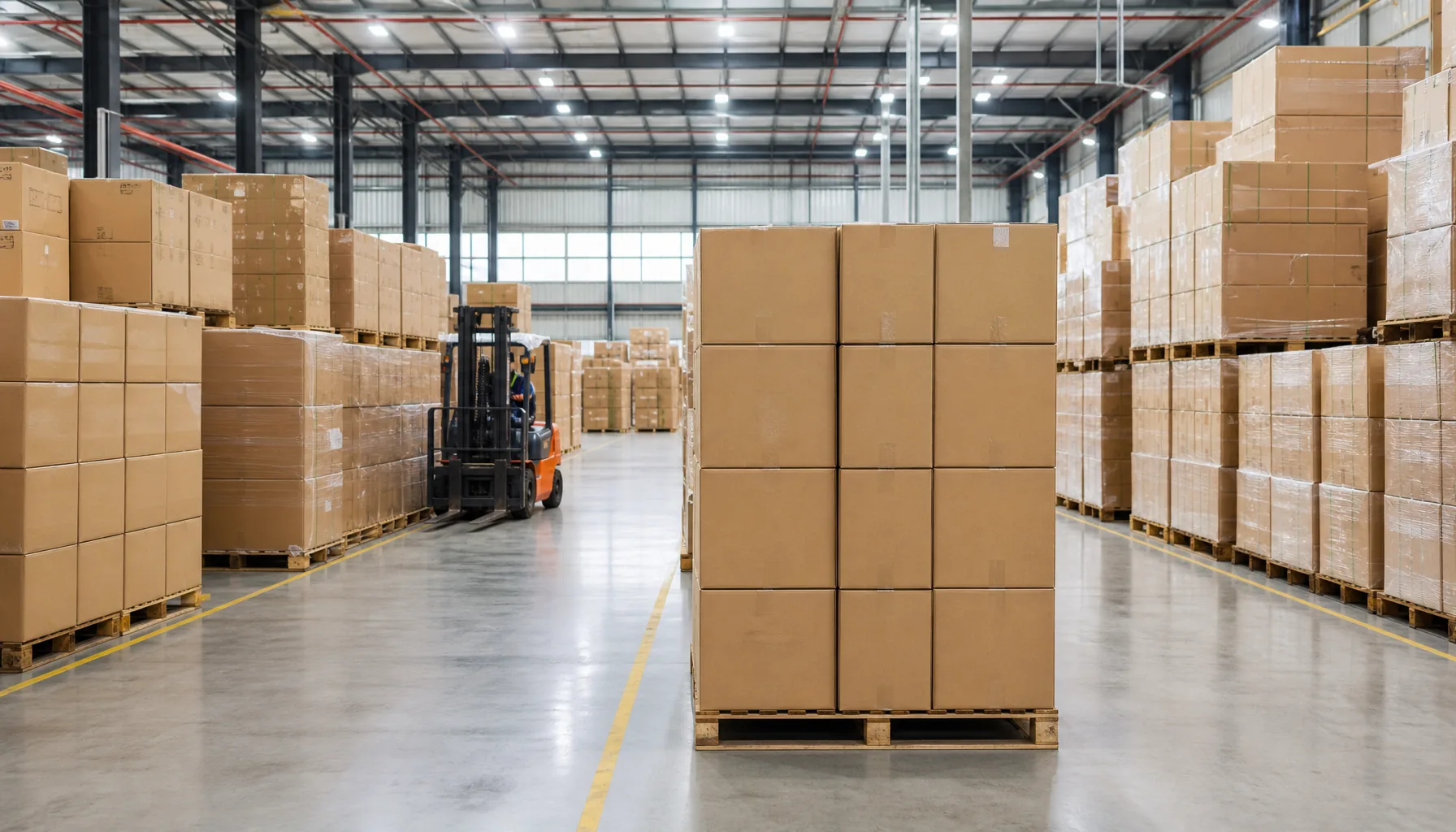
Distribution is where most branded umbrella activation plans fail, because the cartons arrive but the handout path is not designed. Decide early whether umbrellas will be distributed at entry, at sponsor booths, in hospitality zones, or by mobile street teams, then pack to that flow. For fast issue, use individual polybags with barcode labels, 10 to 12 pieces per master carton, and palletize by zone so staff can grab a case without repacking. If the umbrellas are going into retail-style merchandising or VIP kits, carton inserts and pre-folded sleeves save time on site. Our standard practice is to map distribution by venue gate or district, then add 5% to 10% extra for last-minute sponsor changes. That is usually more reliable than trying to correct quantities after goods are already on the truck.
Lead time and shipping method should be tied to the distribution plan, not treated as an afterthought. For 21 inch and 23 inch folding models, a normal production window is 25 to 35 days after artwork approval; larger 27 inch or 30 inch straight umbrellas often need a few extra days for frame assembly and packing. If the order is tight, ask for a pre-production sample and a clear AQL 2.5 inspection point before mass packing. For cross-border delivery, FOB works when your freight team can manage consolidation, while DDP is safer for event teams that need a fixed landed cost and no customs surprises. The real rule is simple: if the event date is immovable, hold back one carton per colorway and one carton per size as emergency stock, because event umbrella branding looks expensive when it is visible, but it looks careless when the wrong quantity arrives on the wrong day.
Lead time around fixed event dates
For any fixed event date, the order window matters more than the artwork. A festival umbrella or promotional event umbrella that is going to a concert, outdoor expo, or city activation should be locked in against the calendar, not against a vague "next month" target. In practice, event umbrella branding needs time for canopy selection, strike-off approval, rib spec confirmation, and production scheduling. If you need 21" compact units with auto-open-close, or larger 27" and 30" golf styles with 8K, 10K, or 16K fiberglass frames, the mechanical spec changes the line time and the packing plan. Our standard practice at ZheBrella is to treat the event date as the real deadline and back-plan from there, because a delay in proofing or sampling usually costs more time than the sewing itself.
For a calendar-driven launch, the safe rule is simple: the closer the event, the less room you have for revision. Screen printing, heat transfer, and sublimation each have different setup and drying paths, and a branded umbrella activation with multiple logos or sponsor marks often needs a second proof before mass production starts. If you are using pongee 190T or 210T with UV or Teflon coating, you also need to account for coating lead time and fabric shrink behavior before print alignment is finalized. A festival umbrella with a double-canopy vented windproof structure, especially one expected to hold up in real wind rather than a photo shoot, adds another layer of frame and seam validation. That is why fixed-date campaigns should be ordered earlier than ordinary retail replenishment, not later.
Back-planning should include sampling, AQL 2.5 inspection, carton booking, and export transit, not just factory sewing days. For a typical promotional event umbrella, production may look quick on paper, but the real schedule is usually 25 to 45 days for standard specs and longer when the frame is custom, the canopy is special-dyed, or the order needs FOB coordination and delivery to multiple venues. If the event date is non-negotiable, build a buffer for rework, failed color matching, and port delays, because those are the issues that actually move deadlines. The practical rule is to freeze event umbrella branding details first, then confirm quantity, mechanism, size, and shipping method immediately after; waiting until the venue is announced usually leaves too little time for a clean result.
Frequently Asked Questions
What umbrellas work best for events and festivals?
Clear dome umbrellas are highly photogenic and great for social sharing, while large golf umbrellas provide shade and bold branding visible across a crowd. Compact umbrellas suit giveaways. Match the format to whether the goal is shade, visibility, or takeaway value.
How far ahead should event umbrellas be ordered?
Because the event date is fixed, order 8-12 weeks ahead to allow sampling, production, and sea freight with a QC buffer. For tighter timelines, plan air freight and confirm the production slot in writing.
What umbrella sizes work best for festival shade zones?
For individual guests and giveaways, 32-40 inch canopies are common. For seating areas, entry points, or sponsor activations, 48-60 inch golf or market-style umbrellas usually provide better shade and more visible branding.
How far in advance should we place a custom umbrella order for an event?
A standard production window is often 30-45 days after artwork approval. If you need special colors, Pantone matching, or custom packaging, plan for 45-60 days, especially during spring and summer peak season.
What is a realistic MOQ for branded umbrellas for events?
Many OEM suppliers start around 100-300 units per design for printed promotional umbrellas. For distributors or multi-event programs, 300-1,000 units is common because it improves unit pricing and keeps inventory available for multiple activations.
Looking to Launch Your Custom Umbrella Line?
ZheBrella is a Zhejiang-based OEM/ODM umbrella manufacturer with 17 years of export experience. Free design, low MOQ from 100 pieces, windproof construction, full-color print.
Get Free Quote Now »People Also Search For
Related Articles
Branded Umbrellas for Beverage Brands and Field Sales
Build umbrella programs for beverage reps, distributor teams, and retail activations with durable specs, compliant brand...
Read More »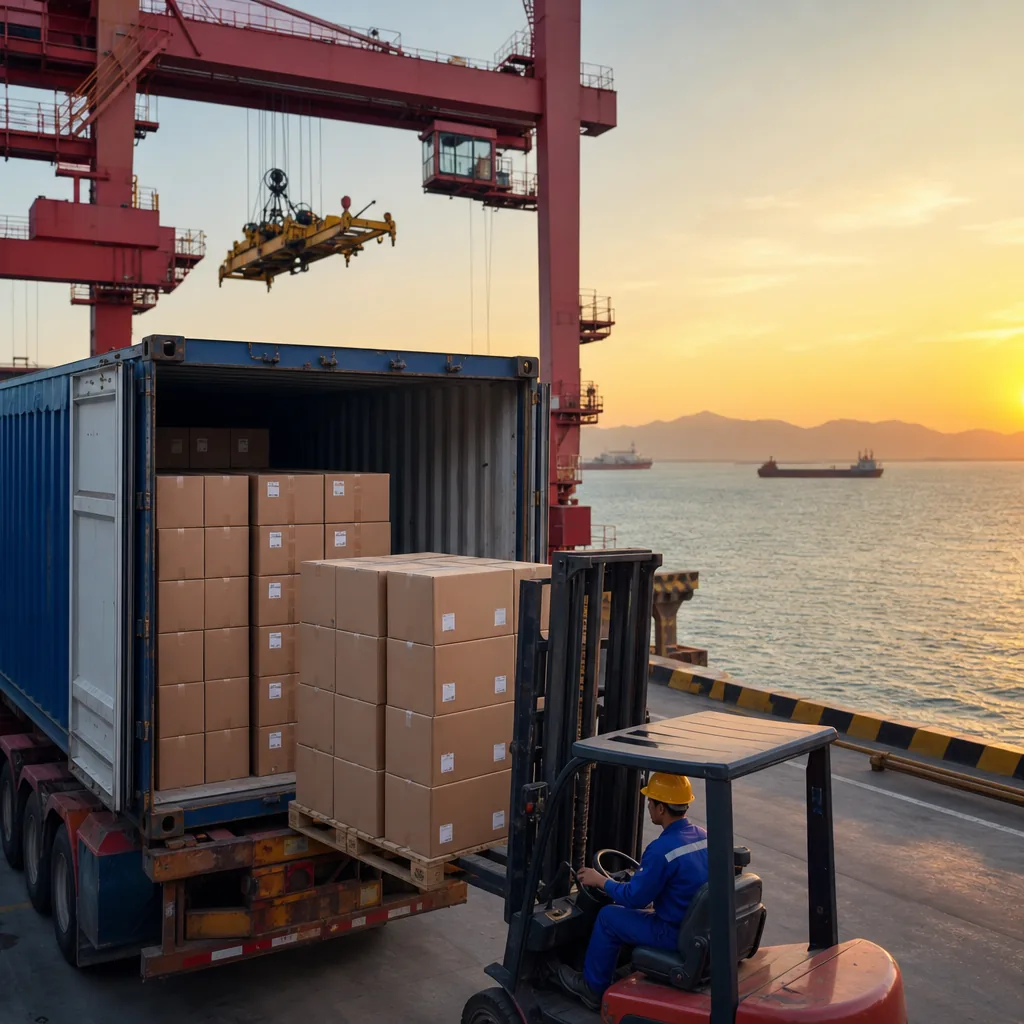
Custom Umbrellas for Corporate Events and VIP Hospitality
See how custom umbrellas support executive events, VIP arrivals, and hospitality programs with durable specs, logo place...
Read More »
Branded Umbrellas for Agriculture Co-ops and Farm Events
Build farm and co-op umbrella programs with UPF 50+ shade, windproof ribs, 210T pongee, seasonal ordering, MOQ planning,...
Read More »