REACH and Restricted Substances: Chemical Compliance for Umbrella Fabrics
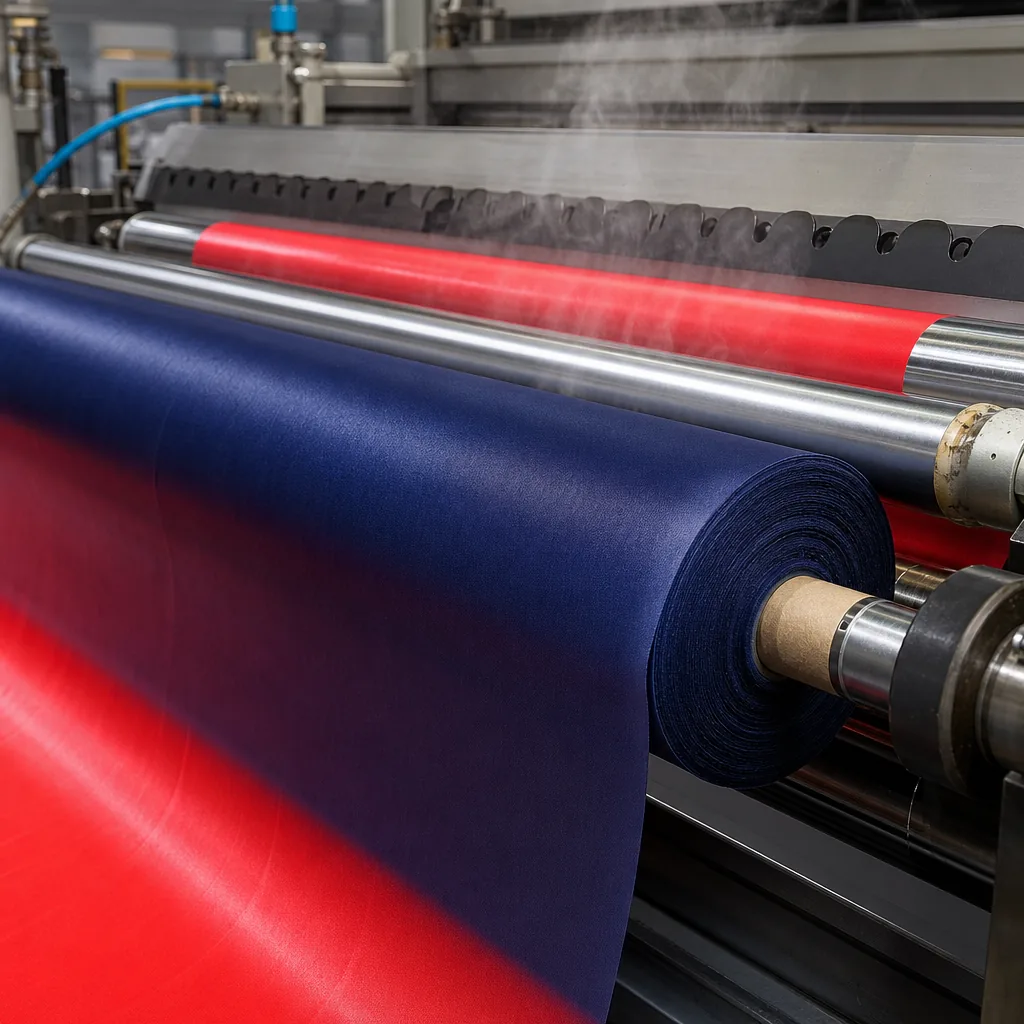
For a REACH umbrella, compliance is rarely a paper exercise; it starts with the fabric, coating, print ink, and even the PVC handle or tip compound that can trigger a rejected shipment. In our factory, we see buyers lose time and margin when AZO dyes, PFAS, phthalates, or SVHCs are only checked after production, instead of being controlled at the material-sourcing stage and verified with the right test reports before loading.
REACH in one paragraph for umbrella buyers
REACH is the EU’s chemical control system for finished goods, and umbrellas are treated as articles, not textiles in the loose sense people sometimes assume. That matters because a REACH umbrella can trigger two different obligations at once: Annex XVII restrictions on specific substances and SVHC duties if a candidate-list substance is present above the reporting threshold. In plain factory terms, the issue is not just the canopy cloth; it can also involve coating, printing ink, water-repellent finish, handle, tips, adhesive, and even colored thread. If you are buying for the EU, you need to ask for a real restricted substances umbrella fabric declaration, not a vague “compliant” statement from a trading company.
The recurring failure points are predictable. AZO dyes umbrella claims often look fine on paper, but problems show up in dark polyester pongee, printed logos, and laminated PVC or POE panels when the dye set or ink system is not controlled. For umbrella chemical compliance EU, the buyer should check for heavy metals, phthalates in soft PVC parts, PAHs in rubberized grips, and formaldehyde in finishes where relevant. If a supplier cannot name the substrate, coating, and testing standard, they probably have not controlled the chemistry at the production stage. I have seen plenty of low-cost umbrellas pass appearance inspection and still fail because one accessory part carried the wrong additive package.
For procurement, the practical approach is simple: require material declarations by component, request third-party test reports tied to the exact construction, and make SVHC umbrella disclosure part of the PO rather than an afterthought. REACH is not a one-time certificate; it is an ongoing control process because the candidate list changes and supplier formulations drift. A serious REACH umbrella file should identify canopy fabric, coating type, handle material, metal parts, and any print or transfer decoration, with test dates and article references that match the final production spec. That is the difference between a document that can survive EU customs scrutiny and one that only looks good in an email thread.
Substances that show up in umbrellas
The substances that create trouble in a REACH umbrella are usually not in the obvious places; they show up in dyes, soft plastics, coatings, and print inks. AZO dyes are the first thing I check in canopy fabric, especially polyester and pongee, because some low-cost dye systems can break down into restricted aromatic amines. If you are sourcing a restricted substances umbrella fabric, ask for test data that covers the dyed cloth, not just the grey base fabric, because a clean base can still fail after printing or piece-dyeing. In practice, this is where a lot of so-called umbrella chemical compliance EU claims fall apart: the supplier has a fabric certificate, but no finished-canopy test against the actual colorway and production lot.
Phthalates are the other common problem, mostly in PVC handles, transparent domes, rain hats, and some soft-touch grips. If the part feels unusually flexible and cheap, I assume there may be plasticizer risk until proven otherwise. For SVHC umbrella reviews, I care less about the headline material description and more about the exact formulation: PVC can be compliant, but only if the phthalate package is controlled and documented. The same logic applies to EVA and other elastomers used in tips or handle inserts. A REACH umbrella program should request supplier declarations plus lab testing for the finished accessory parts, because those parts often carry the chemical load even when the canopy is clean.
PFAS can appear in DWR water-repellent finishes and some stain-release treatments, which is why “waterproof” and “chemically clean” are not the same claim. On the factory floor, I have seen finishes sold as durable repellency that later became a problem because the chemistry was never reviewed against the current REACH list or customer restricted substances umbrella fabric specs. Heavy metals are the last common issue, usually in screen inks, transfer inks, and some pigment systems used for logos or labels; lead, cadmium, and chromium compounds can still show up if the printer is using old paste or unqualified colorants. For umbrella chemical compliance EU, the right approach is to test the finished umbrella, including print, trim, and coated surfaces, not just the textile roll before assembly.
SVHC and the 0.1% notification threshold
Under REACH, the Candidate List is the short list that matters first: substances identified as SVHC, meaning Substances of Very High Concern. For an umbrella, the legal question is not whether the fabric looks harmless, but whether any SVHC umbrella component — coating, print paste, zipper tape, weld seam additive, plastic handle, or even a dyed trim — contains a listed substance above 0.1% by weight in that article component. That 0.1% threshold applies to each article as supplied, not to the whole carton, so a canopy panel, a POE rain cover, or a PVC pocket can each trigger obligations separately. In practice, umbrella chemical compliance EU starts with a materials declaration from the mill, the ink supplier, and the handle factory, then a risk check on fluorinated repellents, plasticizers, and certain colorants.
Once a Candidate List substance is above 0.1% w/w in an article, the supplier has notification duties. If the article is placed on the EU market and the substance is present above threshold, downstream users may need information for safe use, and in some cases notification to ECHA is required. Since the SCIP system came in under the Waste Framework Directive, article suppliers also have to submit a SCIP database notification when an SVHC above 0.1% is present, even if the item is not itself hazardous in normal use. That catches a lot of restricted substances umbrella fabric issues that buyers miss, especially in coated pongee, black pigment masterbatch, and rubberized grip parts. If you are buying a REACH umbrella, you should ask for the SVHC statement by component, not a vague “REACH compliant” letter.
The practical trap is that REACH and AZO dyes umbrella claims are not the same thing, and neither is enough on its own. A canopy can pass an AZO dye screen and still fail on a plasticizer or PFAS-type additive in the coating, or on an SVHC in a screen print binder. Good umbrella chemical compliance EU requires a BOM-level review, recent test reports, and a clean chain of custody from yarn to finished article, because one 0.2% additive in the handle can still create a reporting duty. Our standard practice is to separate canopy, frame, handle, and printing chemistry in the compliance file, so procurement can see exactly which component is clear and which one needs a SCIP check before shipment.
PFAS and the move to fluorine-free DWR
PFAS is the biggest chemical issue now hanging over a REACH umbrella, especially for buyers who still assume “water-repellent” is just a performance spec and not a compliance risk. In practice, the old C6 fluorocarbon finishes that used to be common on pongee and polyester can trigger problems in an umbrella chemical compliance EU audit if the mill cannot prove what is actually on the fabric. A serious restricted substances umbrella fabric program has to start with a written coating declaration, batch traceability, and test data tied to the exact lot, not a generic supplier statement. We also watch for SVHC umbrella concerns at the coating stage, because some fluorinated chemistries can create downstream reporting headaches even when the fabric still passes a simple visual inspection.
The switch is usually to C0 or fluorine-free DWR, which means the factory has to accept a tradeoff: lower initial beading, more sensitivity to abrasion, and a narrower process window on heat-setting and curing. On 190T or 210T pongee, a good fluorine-free finish can still give usable rain resistance for promotional and retail umbrellas, but it will not behave like old-school PFAS chemistry after repeated folding, rubbing, and UV exposure. If the umbrella has a double-canopy vented build or a sublimated print layer, the coating has to be balanced so it does not block ink adhesion or cause whitening at the seams. In real production, that means checking spray rating, hydrostatic head, and wash durability on the actual canopy construction, not just on a lab swatch.
For buyers, the practical move is to specify the chemistry upfront instead of asking for a “compliant” umbrella after the order is already in cutting. That means naming fluorine-free DWR, requiring supplier disclosure of PFAS status, and pairing it with AZO dyes umbrella control, restricted amines testing, and fabric-level REACH umbrella paperwork from the same lot. ZheBrella’s standard practice is to keep the coating, dye, and print records together so an auditor can trace the canopy from yarn to packed carton, which is what matters when customs or a brand lab asks for proof. If you want fewer surprises, treat chemical compliance as part of the fabric spec, not a post-production certificate chase.
Documentation to request from the factory
For a REACH umbrella order, the first thing I ask for is a lot-specific document set, not a generic factory letter. That means a third-party test report for the exact fabric batch, plus a declaration that ties the report number, colorway, and production lot to the shipment. If the umbrella is sold into the EU, the paperwork should name the material type clearly — 190T or 210T pongee, polyester, POE, PVC, or EVA — because chemical performance can differ by substrate and coating. A clean supplier file should also state whether the canopy has any print layer, waterproof coating, UV coating, or laminated backing, since those are the places where a restricted substances umbrella fabric problem usually shows up.
For SVHC umbrella compliance, ask for a current REACH SVHC screening report from a lab that can identify the tested substances and the detection limits, not just say “pass.” I want the report to reference the finished fabric or finished canopy, not only a raw textile swatch, because sewing thread, print paste, hot-melt adhesive, and coating compounds can all change the result. AZO dyes umbrella declarations should be signed by the mill or printer and should explicitly cover both dyed cloth and printed graphics, especially for promotional umbrellas with solid black, red, or navy panels. If the supplier cannot connect the report to the production lot, treat it as marketing paperwork, not umbrella chemical compliance EU documentation.
The PFAS-free statement should be specific enough to be useful in customs or customer audits: it should name the production lot, the finish applied, and whether fluorine-based repellents, stain-resistant treatments, or water-repellent sprays were used. For a REACH umbrella shipment, I also ask for the factory’s internal incoming-material control sheet, because a lot can be clean at fabric stage and contaminated later by labels, straps, or packaging inks. ZheBrella’s standard practice is to keep the lot code on the cutting ticket, sewing bundle, and final carton label, which makes traceability much easier when a buyer needs proof months later. If the factory cannot provide traceability down to the lot, the documents are not strong enough for serious EU procurement.
Frequently Asked Questions
Does REACH apply to a plain rain umbrella?
Yes. An umbrella is an 'article' under REACH, so Annex XVII restrictions (AZO dyes, certain phthalates, PFAS) and SVHC notification duties apply to its fabric, coatings, and plastic parts even though no separate CE mark is required.
What is the most common REACH failure on umbrellas?
Restricted AZO dyes that release banned aromatic amines, and phthalates in soft PVC handles or clear PVC dome canopies. Both are avoidable with compliant materials and a current test report.
Which umbrella components usually need the most chemical testing for EU shipments?
The canopy fabric, printed graphics, waterproof coatings, PVC panels, and plastic handle or tip parts are the main risk areas. For EU importers, the most common documents are REACH screening, azo dye test results for textile parts, and phthalate testing for any soft PVC components.
What test report should a buyer ask for before approving a custom umbrella order?
Ask for a recent third-party report that covers the exact material stack: canopy fabric, coating, and any PVC or printed elements. Many importers request testing against REACH SVHC limits, azo dyes, and phthalates, with the report tied to the production lot or material batch.
How often should umbrella chemical compliance be retested?
Retest whenever the fabric, coating, ink, or PVC supplier changes, or when the formula is updated. For stable programs, many buyers refresh compliance testing once per year or before each new production run if the source materials are not locked down.
Looking to Launch Your Custom Umbrella Line?
ZheBrella is a Zhejiang-based OEM/ODM umbrella manufacturer with 17 years of export experience. Free design, low MOQ from 100 pieces, windproof construction, full-color print.
Get Free Quote Now »People Also Search For
Related Articles

Rain Umbrella Compliance for REACH and Prop 65 Programs
Learn how buyers source umbrellas for REACH and Prop 65 programs, from material risk points to lab testing, documentatio...
Read More »Umbrella Compliance Testing for EU and U.S. Imports
Understand which compliance tests, material declarations, labels, and inspection records importers should request before...
Read More »
Umbrella Import Compliance for U.S. and EU Buyers Checklist
Know which fabric, plastic, and coating tests matter for U.S. and EU imports so you can clear customs, avoid holds, and ...
Read More »