Branded Umbrella Cartons for Retail and Gifting Programs
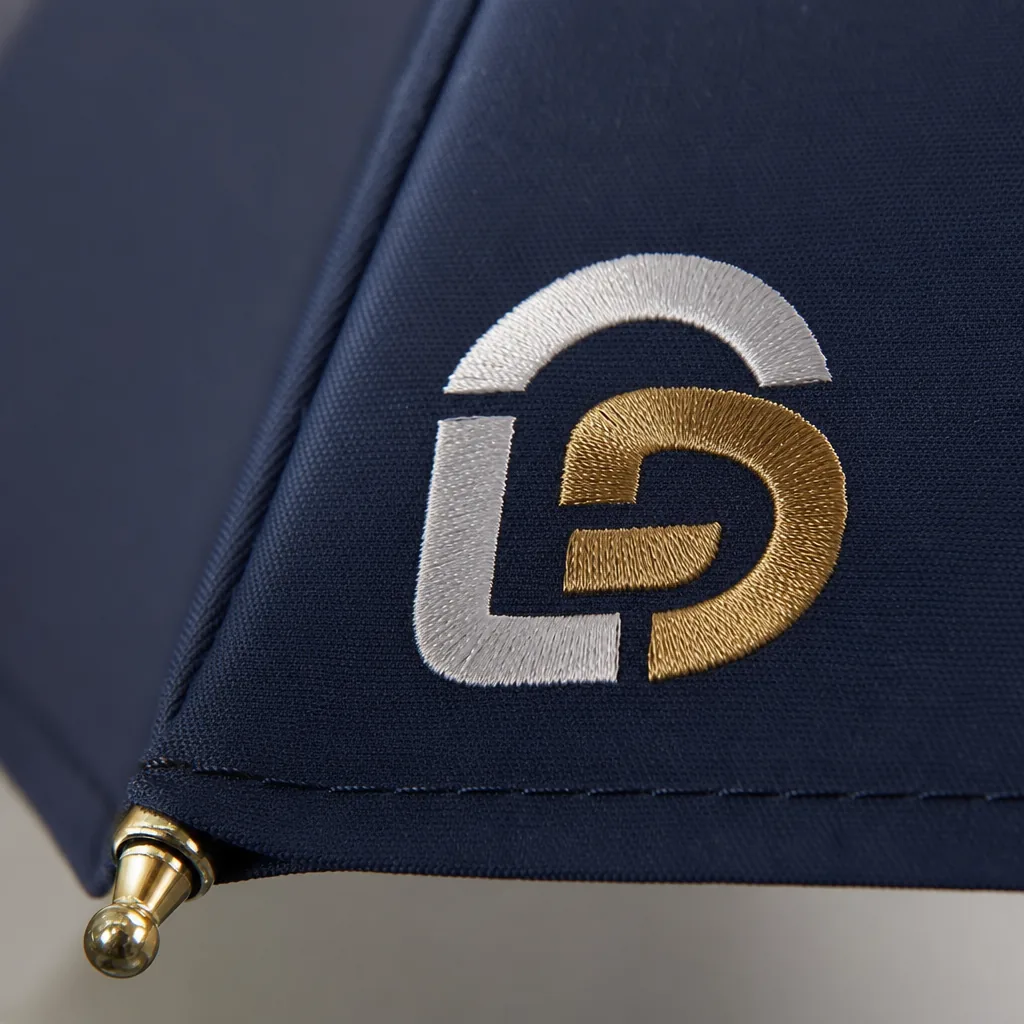
When umbrella cartons have to do more than hold product, every detail matters: the board grade, tuck strength, print registration, and how the pack opens on a retail shelf or in a gift set. At ZheBrella in Songxia, Shangyu, we see the failures firsthand on the factory floor—scuffed panels, crushed corners, mismatched inserts, and delayed shipments—so we build branded umbrella cartons around transit protection, presentation, MOQ discipline, and realistic lead times.
Why carton branding matters for umbrellas
Outer packaging changes the buyer’s first impression before the umbrella is even opened. With branded umbrella cartons, the carton is not just a shipping shell; it becomes part of the product presentation, especially for retail-ready umbrella packaging and premium gift sets. A clean printed carton with correct SKU, size, color, and barcode information also reduces confusion at receiving, which matters when stores are unpacking mixed assortments and need fast put-away without opening every master case.
From a warehouse point of view, carton branding is practical, not cosmetic. Good umbrella carton printing helps staff identify style groups, handle fragile finishes correctly, and keep retail and e-commerce channels separated. We see printed outer cartons outperform plain export boxes when the program needs shelf presentation, chain-store compliance, or gift packaging inserts that stay intact through distribution. Plain cartons are still fine for bulk FOB shipments, but once the carton is expected to travel from DC to store or be resold as part of a gift bundle, the printed version protects perceived value.
The decision usually comes down to volume and channel discipline. MOQ umbrella packaging only makes sense when the customer can commit to stable artwork, repeat SKUs, and a clear launch window, because printed cartons cost more to set up than plain brown boxes. In practice, branded umbrella cartons are worth the spend for corporate gifting, seasonal retail sets, and multi-store programs where the carton itself supports resale value, inventory control, and a cleaner handoff from warehouse to shelf.
Choosing carton construction and print method
Single-wall cartons are the right answer for most branded umbrella cartons when the shipment is short-haul, palletized, and handled once or twice before shelf placement. They keep carton cost down and work fine for 21" and 23" retail units with a simple fold, a sleeve, or a single tissue wrap. Reinforced cartons make sense when the umbrellas are long, the order has mixed SKU packing, or the boxes will travel by sea with multiple touches; I would choose a double-wall or heavier board whenever the inner pack includes gift packaging inserts, metal ferrules, or auto-open-close models that can puncture light board if the fit is sloppy.
Kraft board is the practical choice for earthy retail-ready umbrella packaging, export cartons, and programs where scuffs are expected; it hides handling marks better than bright white and usually gives the best cost-to-strength ratio. White board is better when the box is meant to sit on retail shelves and the artwork needs clean contrast for premium seasonal sets. Laminated finishes are worth the extra cost only when the box is doing brand presentation, not just transit protection: gloss or matte film improves rub resistance, but it also adds lead time and pushes up MOQ umbrella packaging because the setup is less forgiving than plain flexo.
For umbrella carton printing, one-color flexo is the workhorse: it is fast, cheap, and consistent for logistics labels, barcodes, and simple logo work. CMYK is the right call when the carton carries photography, gradients, or multiple campaign graphics, but it needs tighter file control and more waste allowance. Spot Pantone is what I recommend when the buyer cares about logo consistency across umbrellas, cartons, and insert cards; if the brand blue or red has to match across different factories and seasons, a single Pantone target is more reliable than loose CMYK conversion. In practice, we usually pair a stable board spec with one print method and keep branded umbrella cartons within a realistic MOQ umbrella packaging structure so the decoration stays repeatable from first sample to repeat order.
Designing inserts, labels, and carry presentation
For branded umbrella cartons, the first mistake I see is packing the product like it is a generic stick instead of a finished retail item. A folding umbrella usually needs a divider or sleeve insert that holds the shaft centered, with the handle facing the carton opening if the buyer wants a clean unboxing, or handle-down if the goal is tighter cube packing for freight. Typical carton sizing for one 21" or 23" folding umbrella is built around the folded length plus 10–20 mm clearance at each end, and the internal width should leave enough room for a 190T or 210T pongee canopy without compressing the fabric against the ribs. That clearance matters because a tight fold against cardboard edges will leave shiny scuff lines on dark canopies before the carton even reaches the shelf.
For open-close umbrellas, retail-ready umbrella packaging has to control movement more aggressively because the frame is bulkier and the tip and runner can punch through weak partitions. I prefer a corrugated divider or molded insert that locks the canopy bundle in place, keeps the handle from rubbing the side wall, and separates multiple pieces by at least 3–5 mm so the canopy finish does not burnish during vibration. Umbrella carton printing should include the size, mechanism, canopy material, and barcode panel on one face, but the barcode label itself must sit on a flat area with no seam or fold so scanners do not fail at the store receiving dock. If the handle is molded EVA or wood, add a paper sleeve or end cap so it does not mark adjacent cartons in transit.
Gift packaging inserts are where most programs get sloppy, especially when the buyer wants both shelf appeal and low damage rates. A simple paperboard cradle works for premium folding umbrellas, but the insert should be cut to the actual folded length, not the nominal umbrella size, because a 1/2 inch mismatch lets the product shift and rub through the canopy coating. For MOQ umbrella packaging, I normally suggest locking the carton structure first, then adjusting labels, inner sleeves, and presentation bands afterward, because custom print changes are easy but insert tooling changes slow the line. ZheBrella’s standard practice is to test fit at AQL 2.5 with sample drops and vibration checks, then revise handle orientation or divider depth if the canopy edge shows even minor abrasion on 190T or 210T pongee.
Order planning, MOQ, and QC checkpoints
Typical MOQ for branded umbrella cartons usually starts at 500–1,000 pieces per size and artwork version, then climbs fast if you add specialty paper, matte lamination, or separate gift packaging inserts. For retail-ready umbrella packaging, I treat carton structure and print spec as one unit: flute strength, tuck-flap fit, and umbrella length all have to match the product, or the box ships looking good and fails in the store. On umbrella carton printing, ask for a hard proof first, then a pre-production sample with the actual board and ink system, because color shifts on coated stock are common and screen colors do not translate cleanly to offset.
Sample approval should cover die-cut accuracy, fold memory, barcode readability, and ink rub resistance, not just whether the logo looks centered. For MOQ umbrella packaging, the practical trap is that low volume often pushes printers to gang jobs or manual gluing, which increases variation at the corners and flap lock. My standard practice is to approve one sealed sample carton with the umbrella packed inside, then run a short pilot lot before full release; that catches oversize handles, loose sleeves, and weak glue lines before they become a shipment problem.
QC should follow AQL 2.5 at minimum, with checks on carton squareness, print alignment, adhesive strength, and moisture protection after transit simulation. I also want humidity exposure checked on outer cartons and inner sleeves, because corrugated board can warp fast in warehouse conditions and then the retail stack looks crooked even if the print is perfect. Under FOB, the buyer usually owns the packaging spec and freight risk once goods are loaded, while the factory still controls packing labor and carton closure; under DDP, the seller carries more of the freight and customs burden, so packaging defects become more expensive to unwind and need tighter pre-shipment signoff.
Packaging specs that speed retail approval
For branded umbrella cartons, the spec sheet has to start with real dimensions, not a guess. Put the folded umbrella length, handle style, canopy diameter when closed, and the exact inner pack so the carton can be cut to fit without crushing the tip or stretching the sleeve. For retail-ready umbrella packaging, buyers should also state the master carton count, gross and net carton weight targets, pallet pattern, and whether the carton must survive display shipping or just bulk transit. If you skip those numbers, sales likes the artwork and logistics rejects the box because the cube is wrong.
Retail approval usually fails on details that seem minor in a mockup. In umbrella carton printing, barcode placement should be fixed on one flat panel with enough quiet space around the code, and the artwork file should call out Pantone values, overprint rules, and whether varnish or matte lamination is required. If the program uses gift packaging inserts, specify whether the insert is paperboard, molded pulp, or EVA, and whether it holds one umbrella, two-piece sets, or a canopy plus tote bag. For MOQ umbrella packaging, buyers should ask the supplier to confirm the carton board grade, ECT or BCT target, and whether the quoted lead time includes prepress proofing and sample approval.
The fastest sign-off comes when branding and logistics review the same checklist before the PO is issued. Use this short list: final closed umbrella dimensions, master carton count, barcode file and panel location, drop-test or compression requirement, insert spec if any, artwork source files, and confirmed lead time for samples plus mass production. ZheBrella’s standard practice is to lock those items first, because changing carton size after printing usually costs more than the boxes themselves. Once those fields are approved, the rest of the retail paperwork moves quickly and there is less back-and-forth between design, freight, and warehouse teams.
Frequently Asked Questions
Should branded umbrella cartons be used for both retail and corporate gifting orders?
Yes, if the carton is strong enough for transit and visually clean enough for unboxing. Retail usually needs barcode and shelf-facing clarity, while gifting programs often add inserts or printed messages.
What carton details most often delay approval?
Missing dimensions, weak board specification, and unclear print placement are common issues. Buyers also delay sign-off when the spec does not state MOQ, packing quantity, and required shipping term.
What is the typical MOQ for branded umbrella cartons?
For printed outer cartons, MOQs often start around 500–1,000 cartons depending on carton size, color count, and printing method. If the carton design is used together with an umbrella order, the packaging MOQ is usually aligned with the umbrella production quantity.
Can retail-ready umbrella packaging be tested for export shipping?
Yes. Buyers can request carton drop tests, edge-crush strength checks, and packing simulations based on the umbrella size and units per master carton. For long umbrellas and golf umbrellas, reinforced corrugated cartons are commonly used to reduce bending and corner damage.
How much lead time should be planned for custom umbrella cartons and inserts?
Artwork confirmation and packaging sampling usually take 5–10 days, while mass production for printed cartons or gift inserts typically adds 10–20 days. Lead time may be longer during peak umbrella seasons or when special finishes such as lamination, foil stamping, or die-cut inserts are required.
Looking to Launch Your Custom Umbrella Line?
ZheBrella is a Zhejiang-based OEM/ODM umbrella manufacturer with 17 years of export experience. Free design, low MOQ from 100 pieces, windproof construction, full-color print.
Get Free Quote Now »People Also Search For
Related Articles
Custom Umbrella Kitting for Corporate Gifting Programs
Plan umbrella kitting for corporate gifts with insert options, MOQ guidance, QC checkpoints, and lead times for bulk FOB...
Read More »
Retail Display Carton Design for Branded Umbrella Launches
Design retail display cartons for umbrella launches with pack counts, material choices, transit protection, and factory ...
Read More »
How to Spec Retail Gift-Set Cartons for Branded Umbrellas
Create retail gift-set carton specs for branded umbrellas with barcode, transit, MOQ, and freight details that help buye...
Read More »