Hang Tags and Labels: Finishing Touches for Branded Umbrellas
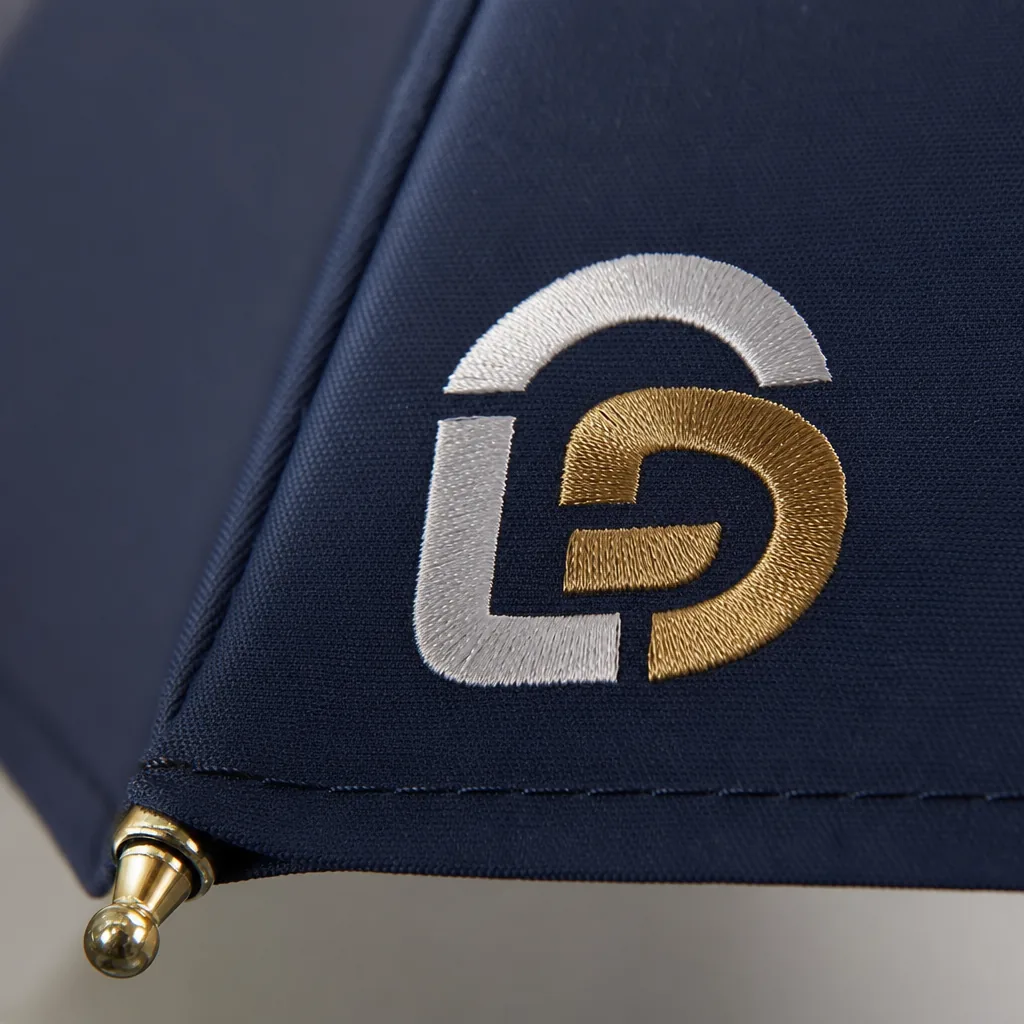
The last mile of a branded umbrella is where retail problems usually show up: a missing size code, a care instruction that does not match the fabric, or an umbrella hang tag that looks good on screen but fails on the line. At the factory floor, we see these details decide whether a shipment moves cleanly through packing, compliance checks, and store setup, or gets held for rework.
The role of tags and labels
A good umbrella hang tag does more than carry a logo. On the factory floor, I treat it as the last piece of the sales job and the first piece of compliance. If the tag is designed well, it tells the buyer what the umbrella is, what it is made of, how to care for it, and why it costs what it costs. For retail programs, that means SKU, barcode, country of origin, fiber content, warnings, and sometimes a short feature callout like fiberglass ribs, 190T pongee, or UPF 50+ coating. If those details are missing or inconsistent, the product looks cheap before anyone even opens it. A custom umbrella tag also helps separate a private-label program from a plain import carton: the same 23-inch automatic style can look like a discount giveaway or a controlled retail item depending on the hang tag stock, print quality, and finishing.
An umbrella label works differently from a hang tag because it stays with the product and carries the information buyers need after the sale. We usually place woven or printed labels inside the canopy seam, on the tie strap, or near the sleeve, depending on the construction and how much room the pattern allows. That is where you put the permanent brand mark, size reference, fabric code, and any care instruction that should not disappear with handling. For promotional orders, a simple label is often enough; for retail, the umbrella branding details need to be tighter, because the label has to survive abrasion, folding, humidity, and transport. If the umbrella uses a double canopy, vented frame, or reflective trim, those features should appear on the label or hang tag so the packaging does not overpromise and the buyer does not have to guess what they received.
The real value of tags and labels is that they make the umbrella ready for a shelf, a warehouse scan, or an inspection check without extra explaining. Buyers want to see a clean product hierarchy: outer carton marking, individual polybag if needed, umbrella hang tag, and a permanent umbrella label that matches the invoice description. That alignment matters for AQL inspection, because mismatched copy, wrong size callouts, or missing care instructions are common reject points. It also matters for exports, where customs and retail partners may require fiber disclosure, origin marking, and language-specific warnings. In practice, the best programs keep the design simple, use durable paper or coated stock for the tag, and avoid stuffing in too many claims. A well-made label and tag set should answer three questions fast: what is this, who made it, and how should it be sold.
Hang tags for story and price
A good umbrella hang tag does two jobs at once: it sells the story and it justifies the price before the buyer ever opens the canopy. The design has to match the product class. A 21" compact automatic that lands in mass retail needs a clean, high-contrast tag with SKU, key features, and barcode space. A 27" golf model can carry more copy, but it still needs restraint; too much text makes the item look cheap. In practice, the best tags use coated paper, kraft stock, or synthetic paper depending on where the umbrella will be sold. For wet climates and long warehouse cycles, synthetic stocks hold up better than soft paper. The umbrella hang tag should also reflect the construction honestly: fiberglass ribs, pongee 190T or 210T, auto-open-close mechanism, windproof vented canopy, or UPF 50+ coating if that claim is certified. That is where umbrella branding details matter more than decoration.
Material choice is where many programs go wrong. A glossy hang tag can look premium, but on a value umbrella it often fights the product and inflates print cost without adding trust. Uncoated paper works for eco positioning and gift sets, while laminated or spot-UV tags make sense for retail boxes and higher-margin promotional items. If the umbrella is going through FOB export, the tag should survive packing friction, carton compression, and repeated handling without scuffing or tearing. Our standard practice at ZheBrella is to confirm die-cut size, string type, and attachment point before production starts, because a tag that hangs awkwardly can make even a well-made umbrella look off-center. The umbrella label inside the panel or sleeve should stay separate from the hang tag: one is for compliance and care instructions, the other is for presentation. Keeping those roles distinct reduces clutter and avoids confusing the buyer.
Messaging should be specific, not promotional. A custom umbrella tag can list the exact size, mechanism, canopy material, and country of origin, then use one short brand line to reinforce the positioning. For example, a premium corporate umbrella may highlight 23" fiberglass ribs, double-canopy venting, and a wind-tunnel rating above 50 mph, while a retail fashion umbrella might focus on print quality, closure style, and colorway. If the customer needs retail-ready packaging, the tag should also leave room for barcodes, QR codes, and pricing stickers, because stores will add those anyway. The umbrella branding details are strongest when the tag and umbrella label agree on the same story: one product, one spec, no contradictions. That consistency also helps during AQL 2.5 inspection, since mismatched claims between tag, label, and actual build are a common rejection point and a waste of lead time.
Care and content labels
Care and fiber-content rules are not the same everywhere, and a smart umbrella hang tag has to follow the market, not just the artwork. In the U.S., if the canopy is sold as a textile product, the fiber-content declaration should be clear and specific, such as 100% polyester, 190T pongee, or POE, and the care instructions should be realistic: wipe clean, air dry fully, do not iron, do not bleach. For EU and UK buyers, textile labeling expectations are similar, but the presentation is often stricter on legibility and durability, so the umbrella label or swing tag should not rely on tiny type or vague terms like synthetic fabric. If you are selling into Japan, Australia, or retail programs with compliance reviews, include the fiber breakdown, country of origin, and care method on the same custom umbrella tag so the buyer is not chasing separate paperwork later.
The best practice is to treat umbrella branding details as part of compliance, not decoration. If the canopy uses mixed materials, say so clearly instead of flattening everything into polyester, because buyers will spot mismatches between the sewn-in umbrella label and the sales sheet during inspection. On promotional umbrellas, the hang tag usually carries the brand story, SKU, and barcode, while the care and content panel stays plain and factual; that keeps the marketing clean and avoids reprints when the fiber mix changes from 190T pongée to 210T or when the handle material changes from EVA to wood. ZheBrella standard practice is to align the hang tag copy, carton marks, and sewn label before mass production, because fixing one wrong fiber statement after packing is more expensive than correcting the art file at proof stage.
Barcodes and retail compliance
UPC and EAN placement on an umbrella hang tag is usually dictated by the retailer before anyone talks about graphics. The practical rule is simple: put the barcode on a flat, visible panel with enough quiet space around it, usually the back side of the tag or a lower corner that stays readable after pack-out. On folded umbrellas, the tag should not sit where it gets crushed by the strap, cap, or sleeve seam, because a damaged code is a chargeback risk. Most buyers want the barcode to scan from 12 to 18 inches without glare, so we avoid glossy flood coats over the code area and keep the quiet zone clean. If the product is sold through multiple channels, the same umbrella label may need both UPC for the U.S. and EAN-13 for Europe, plus a human-readable item number that matches the carton and PO paperwork.
Retail compliance is not just the code itself. Major chains often require the umbrella branding details to include country of origin, fiber content, care text, vendor style number, and sometimes a warning if the umbrella has a sharp tip or contains a small detachable tag. For a custom umbrella tag, I usually recommend a layout that separates retail data from the brand side so the buyer can strip or reprice it without losing the scan field. Our standard practice is to check barcode contrast, overprint tolerance, and scan performance after die-cutting, because a clean artwork file can still fail once it is laminated, rounded, or tied onto a 21-inch or 23-inch product. If the customer plans AQL 2.5 inspection, the barcode spec should be locked before sampling, not after production starts, since retailer compliance issues are expensive to fix at the carton stage.
Coordinating tags with the brand system
The umbrella hang tag should not be designed as a standalone object; it has to match the carton, sleeve, woven label, and even the print tone on the canopy. If the umbrella branding details use a deep navy, muted red, and a condensed sans-serif, the tag should carry the same palette and type treatment instead of borrowing a brighter retail look. In production, that usually means locking the same Pantone references across paper stock, ink density, and finishing so the custom umbrella tag does not drift from the box artwork. A 300 to 400 gsm coated board with matte lamination is common for premium retail, while a recycled uncoated stock works better when the brand wants a more technical or eco-focused feel. The point is consistency: the customer should recognize the product system before they read the copy.
The umbrella label and hang tag also need to agree on information hierarchy, not just visuals. If the sewn label already shows size, fabric, and care symbols, the umbrella hang tag should not repeat everything; it should carry the selling points that matter at the shelf or in a distribution kit, such as fiberglass ribs, 190T pongee, UV coating, or auto-open-close mechanism. That keeps the custom umbrella tag readable and avoids clutter. Our standard practice is to coordinate barcode placement, country-of-origin text, SKU format, and language versions at the same proof stage as the carton and polybag, because late changes usually create mismatched branding or compliance errors. When every touchpoint uses the same structure, the product looks deliberate, and the buyer sees one system instead of four separate print jobs.
Frequently Asked Questions
Do retail umbrellas need care labels?
Many markets expect a care or content label, and some retailers require it. Even where it is optional, a small sewn label adds a quality cue. Confirm your destination market's labeling rules before production.
Can you add barcodes to custom umbrellas?
Yes. UPC or EAN barcodes can be printed on hang tags or packaging to meet retailer requirements. Provide the codes early so they are placed correctly and scan reliably at point of sale.
What details should be printed on a retail umbrella hang tag?
Most buyers spec the brand name, SKU or style code, canopy size, open diameter, fabric composition, care instructions, and country of origin. If the umbrella ships through retail, add a barcode or EAN and keep the layout readable at 1x scanning distance.
Can care labels and barcodes be combined on one umbrella label?
Yes, but it depends on label size and how much legal text is required for the destination market. A common setup is a front swing tag for branding and a separate sewn-in care label for fabric content and washing instructions.
What is a typical MOQ and lead time for custom umbrella tags?
For printed hang tags or labels, many factories start around 500 to 1,000 pieces per design, with 7 to 15 days for production after artwork approval. If you need special die cuts, foil, or variable barcode data, plan for a little extra time.
Looking to Launch Your Custom Umbrella Line?
ZheBrella is a Zhejiang-based OEM/ODM umbrella manufacturer with 17 years of export experience. Free design, low MOQ from 100 pieces, windproof construction, full-color print.
Get Free Quote Now »People Also Search For
Related Articles

Top 5 Retail Gift Tag Systems for Branded Umbrella Lines
Plan retail umbrella gift tags by price tier, barcode needs, material, attachment method, and QC so branded lines look c...
Read More »
Premium Umbrella Finishing Details That Elevate Brand Perception
Learn which umbrella details raise perceived value, from pongee weight and rib material to closures, trims, QC, and priv...
Read More »
Branded Umbrella Closure Straps for Gift and Retail Lines
Turn closure straps into a visible brand detail with woven, printed, or debossed options that support premium gifting an...
Read More »