Branded Umbrellas for Wineries, Breweries, and Tastings
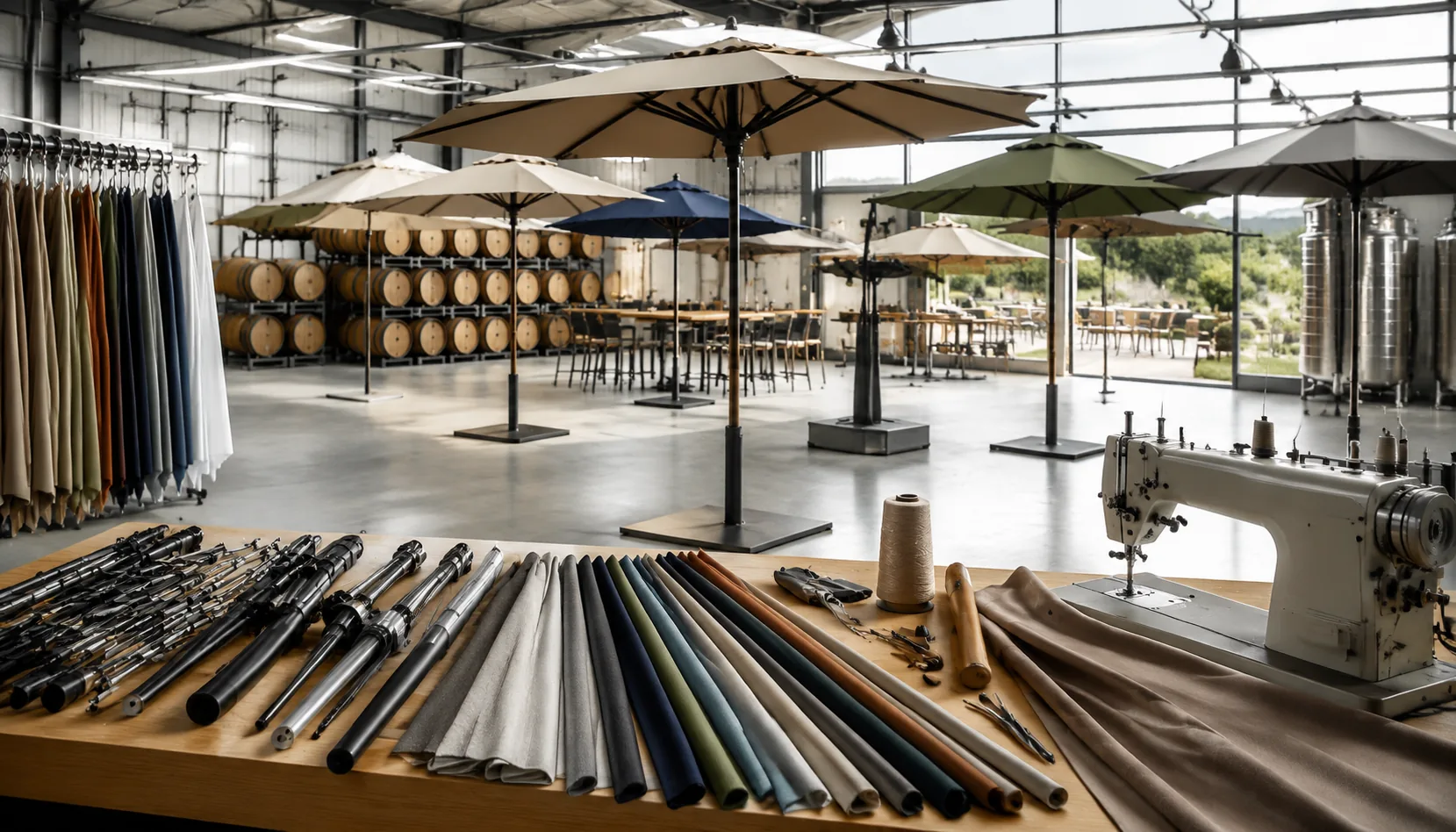
Tasting-room umbrellas have to do more than carry a logo: they must survive wet patios, UV exposure, repeated staff handling, and the occasional gust across an open vineyard deck. When buyers source branded umbrellas for wineries, the mistakes usually show up in fabric weight, rib strength, print placement, and carton planning long before the first weekend rush. On our Songxia factory floor, we treat these projects as working hospitality equipment first and brand merchandise second.
Umbrella Use Cases Across Beverage Venues
The highest-margin use case is usually tasting-room retail, not the free giveaway. A 23" auto-open stick umbrella with a wood-look EVA handle, 190T or 210T pongee canopy, and a clean one- or two-position logo can sit beside wine keys, caps, and tote bags without looking like cheap promo stock. For breweries, the same frame can shift younger with a rubberized straight handle, matte black shaft, and louder screen print. These handheld branded umbrellas for wineries work best when the design feels like merchandise: vintage label artwork, estate map, hop illustration, or club emblem, not just a centered logo. I would avoid very low-cost 21" compact units for tasting room retail unless the brand position is casual; the small canopy and lighter steel ribs make them feel disposable. For tasting room retail umbrellas, buyers usually accept a higher landed cost if the frame opens smoothly, the print registration is sharp, and the packaging has a hang tag or barcode ready for POS.
Club-member gifts and rainy-day loaners need different specifications because the umbrella is part of the guest experience. For wine clubs, a 27" golf umbrella with 8K fiberglass ribs, double-canopy venting, and UPF 50+ coating feels substantial enough for pickup parties, vineyard walks, and parking-lot escorts. For guest loaners, keep the construction tough and the decoration simple: dark 190T pongee, fiberglass ribs instead of brittle low-grade steel, and a single-panel logo that remains readable after repeated drying cycles. Manual open is acceptable for loaners because it has fewer failure points, while auto-open is better for premium gifts. Our standard practice at ZheBrella is to separate retail, gift, and loaner specs before quoting, because mixing them into one SKU usually creates the wrong cost-performance balance. For branded umbrellas for wineries, I also recommend adding a woven label or inside-panel message for clubs rather than overprinting every outside panel.
Festival booths, patio host stands, and outdoor beer gardens push buyers toward larger shade products, but those should not be confused with handheld custom beverage brand umbrellas. Brewery promotional umbrellas for festivals are often 30" golf models with 10K or 16K rib layouts, wind-tunnel targets around 50+ mph, and bold canopy blocks visible across a crowded tasting tent. Bulk patio umbrellas are a separate category: 6.5 ft, 7.5 ft, or 9 ft market umbrellas with aluminum poles, crank systems, heavier polyester, and different freight math because cartons are oversized. They are excellent for patios and host stands, but they belong in the furniture or outdoor-fixture budget, not the same line item as event handouts. If the article is focused on portable umbrellas, keep patio coverage to host-stand branding and wet-weather wayfinding, then return to handheld specs, MOQ, AQL 2.5 inspection, FOB/DDP options, and realistic lead times of 25–45 days after artwork approval.
Specs for Premium Beverage Branding
For retail shelves, I would not start with a giant golf umbrella; a 23 inch folding model sells better because it fits a tasting room counter, gift basket, or wine-club shipment without awkward carton size. Use 190T pongee for entry premium and 210T pongee when the buyer wants a tighter hand feel and cleaner print edge. For branded umbrellas for wineries, the sweet spot is usually an auto-open 23 inch, 8K frame with fiberglass ribs, black electroplated shaft, and a wood-look crook or straight handle. That gives the piece a cellar-door look without the cracking and color variation of real wood. A Teflon-type water-repellent finish helps rain bead off after vineyard tours, while UPF 50+ coating matters because many customers use these more for sun than storms.
For staff use, patio hosts, wine-club VIPs, and brewer events, move up to 27 inch or 30 inch straight umbrellas. The larger canopy looks better in photos, covers two people walking between barrel room and parking lot, and gives enough print area for crest logos, hop graphics, or limited-release artwork. I prefer fiberglass ribs over steel ribs here because beverage venues see gusty outdoor conditions around beer gardens, courtyards, and vineyard ridgelines; a good 8K or 10K fiberglass frame should survive 50+ mph wind-tunnel testing when paired with a vented double canopy. Brewery promotional umbrellas often use darker 210T pongee to hide dirt from service areas, while tasting room retail umbrellas can carry lighter cream, burgundy, forest green, or matte black panels for a more giftable finish.
Do not treat custom beverage brand umbrellas like throwaway event items if they will sit beside $40 bottles or branded glassware. Specify logo placement by panel, Pantone match before production, and confirm whether the decoration is silk screen, heat transfer, or full-panel sublimation; small serif winery marks usually need tighter screens than bold brewery badges. For bulk patio umbrellas, the spec changes again: 6.5 ft to 9 ft canopy, thicker pole, crank or pulley system, and heavier polyester or solution-dyed fabric instead of standard folding-umbrella pongee. Our standard practice at ZheBrella is to separate these SKUs in quotation sheets, because FOB/DDP freight, MOQ, AQL 2.5 inspection points, and lead times can differ sharply between compact retail umbrellas and oversized patio programs. A realistic custom production lead time is 25–35 days after artwork approval, longer if handles or canopy colors are custom molded or dyed.
Design Details That Support Shelf Appeal
Packaging is where many good custom beverage brand umbrellas lose retail credibility. A fabric sleeve should match the canopy base color and carry a scaled-down logo, because loose black sleeves from a generic stock bin make even a nice umbrella look like surplus. Hangtags need the same discipline as wine labels: material callouts such as 190T pongee, fiberglass ribs, auto-open frame, UPF 50+ coating, or wind-tested 50+ mph performance should be printed only if they are true to the build. Barcode-ready retail labels should be planned before mass production, with UPC/EAN placement on the sleeve polybag or hangtag, not added with crooked stickers during final packing. Our standard practice at ZheBrella is to confirm sleeve artwork, hangtag dieline, carton marks, and AQL 2.5 inspection points before PP sample approval, because fixing retail packaging after 1,000 or 5,000 units are packed costs more than getting the umbrella body right.
Ordering Strategy for Seasonal Traffic
Order quantity should follow the traffic calendar, not a flat annual guess. For branded umbrellas for wineries, I usually split MOQ into three buckets: 23" auto-open walking umbrellas for wine-club pickup weekends, 27" or 30" golf umbrellas for harvest tours and wet parking lots, and boxed gift umbrellas for November and December shipments. A practical factory MOQ is often 500 pieces per print design for 190T pongee, but mixed colorways under one canopy artwork can sometimes be combined if the rib count, handle, and carton size stay identical. Beer festivals behave differently: brewery promotional umbrellas need earlier replenishment because event staff, distributors, and taproom customers all pull from the same stock. For tasting room retail umbrellas, do not buy only the cheapest manual-open model; a 23" auto-open with fiberglass ribs sells better at checkout than a steel-rib giveaway, especially when the logo print is clean and the sleeve has a barcode label.
Lead time is where many beverage brands get caught. Plain bulk patio umbrellas or simple one-color screen printed stick umbrellas can often ship faster, but custom beverage brand umbrellas with printed sleeves, hangtags, UPC stickers, insert cards, or kraft gift boxes should be planned at 35–50 days after artwork approval and deposit. That clock includes sample confirmation, fabric cutting, panel printing, sewing, frame assembly, final AQL 2.5 inspection, and export carton packing. If the order uses 210T pongee with Teflon coating or a UPF 50+ black-coated canopy, confirm fabric availability before approving the PO, because seasonal runs can consume stock quickly in Songxia. Our standard practice at ZheBrella is to lock packaging dielines before mass production; changing a gift box after canopy printing is finished usually delays shipment more than changing the umbrella itself.
FOB and DDP should be chosen by the buyer’s receiving discipline. FOB Ningbo or Shanghai makes sense when a winery group, brewery chain, or distributor already has a freight forwarder consolidating glassware, apparel, and POS displays. DDP is cleaner for small teams shipping directly to tasting rooms, festival warehouses, or holiday fulfillment centers because duty, customs clearance, and final trucking are quoted upfront. Mixed-SKU cartons are useful, but they must be engineered, not improvised: combine similar 21" compact umbrellas together, keep 27" golf umbrellas in separate master cartons, and avoid mixing heavy patio bases with retail umbrellas. Carton marks should show SKU, color, mechanism, and quantity per carton, especially when one PO covers wine-club releases, beer festivals, and holiday gift boxes. For seasonal traffic, the safest strategy is one main production run plus a small buffer, not a rush reorder after the rain forecast appears.
Inspection Points for Retail-Ready Umbrellas
Retail-ready inspection has to start before cartons are sealed, not after the tasting room calls about bad stock. For branded umbrellas for wineries, I normally set final random inspection at AQL 2.5 for major defects and AQL 4.0 for minor defects, with critical defects at zero tolerance. On a 1,200-piece PO for tasting room retail umbrellas, that means pulling the correct ANSI/ASQ Z1.4 sample size and checking every unit against the approved pre-production sample, not just the artwork file. Major defects include crooked logo placement beyond ±5 mm, canopy panels with visible needle holes, cracked plastic handles, bent steel shafts, failed runner locks, or ribs that do not sit evenly when opened. Minor defects can be light thread tails, small packing scuffs, or slightly loose hangtags, but if they repeat across cartons, I treat it as a process issue rather than isolated bad luck.
Fabric stain checks matter more for beverage brands than many buyers expect, because tasting rooms often display umbrellas under warm retail lighting where oil marks and dye migration show fast. Inspectors should open the canopy fully and check 190T or 210T pongee, POE, PVC, or EVA panels under both daylight and indoor light for grease spots, chalk marks, sublimation ghosting, and color bleeding at seam tape. White, cream, burgundy, and kraft-style brand palettes are especially unforgiving. For custom beverage brand umbrellas, handle finish consistency also needs a hard pass/fail standard: varnished wooden handles should match the approved shade, EVA foam grips should not show dents, and rubberized handles should not feel sticky from poor curing. If the umbrella uses a metal logo plate, the plating must be even, with no sharp edge that could snag a customer’s hand or damage adjacent units in the gift shop bin.
Barcode and mechanism tests are the two inspection points that prevent the most retail friction. Every SKU barcode should be scanned from finished packaging, not from a PDF proof, using the same UPC/EAN data that the tasting-room POS and warehouse receiving system expect. Carton labeling should match receiving requirements too: item number, color, logo version, quantity, gross/net weight, carton size, country of origin, and any retailer routing mark must agree with the PO. For auto-open umbrellas, I require repeated cycling from randomly selected units, usually 20 to 30 opens per tested umbrella, checking button response, spring force, runner lock engagement, and safe closure. Brewery promotional umbrellas and bulk patio umbrellas need the same discipline, just scaled up: ribs, hubs, tilt joints, and crank systems should be checked before export, because a failed mechanism on the floor turns a promotional product into a customer complaint.
Frequently Asked Questions
Should wineries choose folding or straight umbrellas for retail?
Folding umbrellas are easier to merchandise near checkout and fit better in gift bundles. Straight umbrellas feel more premium and work well for wine-club gifts or outdoor event staff.
Can beverage brands use detailed label artwork on umbrellas?
Yes, detailed artwork usually works best with digital printing or carefully separated screen prints. A factory should confirm print scale, color tolerances, and seam placement before mass production.
What umbrella sizes work best for tasting room patios and outdoor seating?
For winery and brewery patios, 6.5 to 9 feet is common for table coverage, while 10 to 11.5 feet works better for open seating and service areas. If you are covering multiple tables, we usually recommend a vented 8-foot or 10-foot model with a fiberglass or aluminum frame.
What is a realistic MOQ for branded beverage umbrellas?
Most custom beverage umbrella programs start around 100 to 300 pieces per design, depending on canopy size, print method, and frame choice. If you need multiple SKUs for retail and patio use, we can often combine sizes or colors to help meet a factory MOQ.
How long does production take for a custom winery or brewery umbrella order?
Typical lead time is 30 to 45 days after artwork approval and deposit, with sample approval adding about 7 to 10 days. Peak season orders may need extra buffer time if you want pantone-matched fabric or special packaging for retail.
Looking to Launch Your Custom Umbrella Line?
ZheBrella is a Zhejiang-based OEM/ODM umbrella manufacturer with 17 years of export experience. Free design, low MOQ from 100 pieces, windproof construction, full-color print.
Get Free Quote Now »People Also Search For
Related Articles
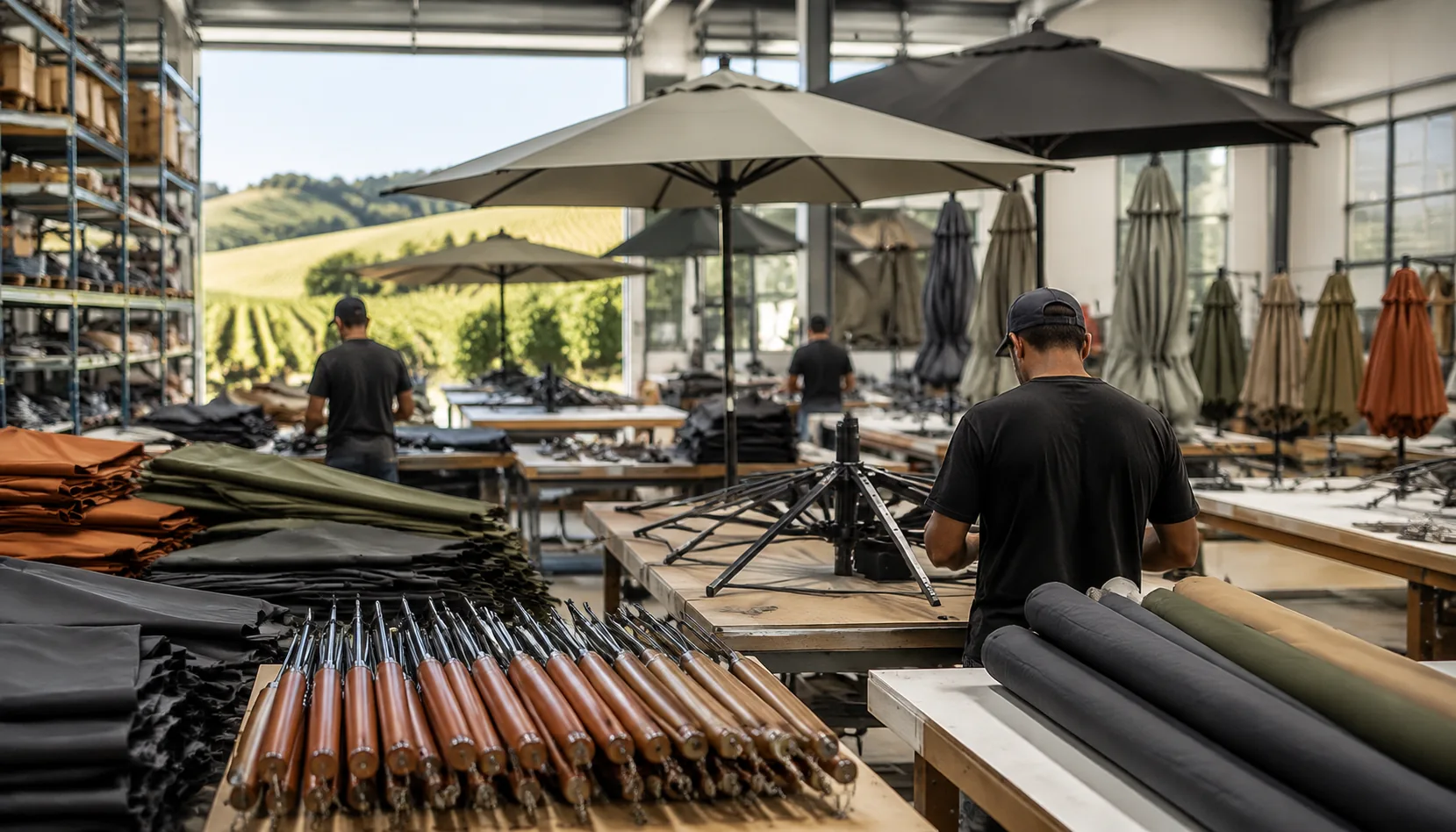
Branded Umbrellas for Outdoor Winery and Brewery Programs
Build winery and brewery umbrella programs for tasting rooms, patios, tours, and retail shelves with durable specs and p...
Read More »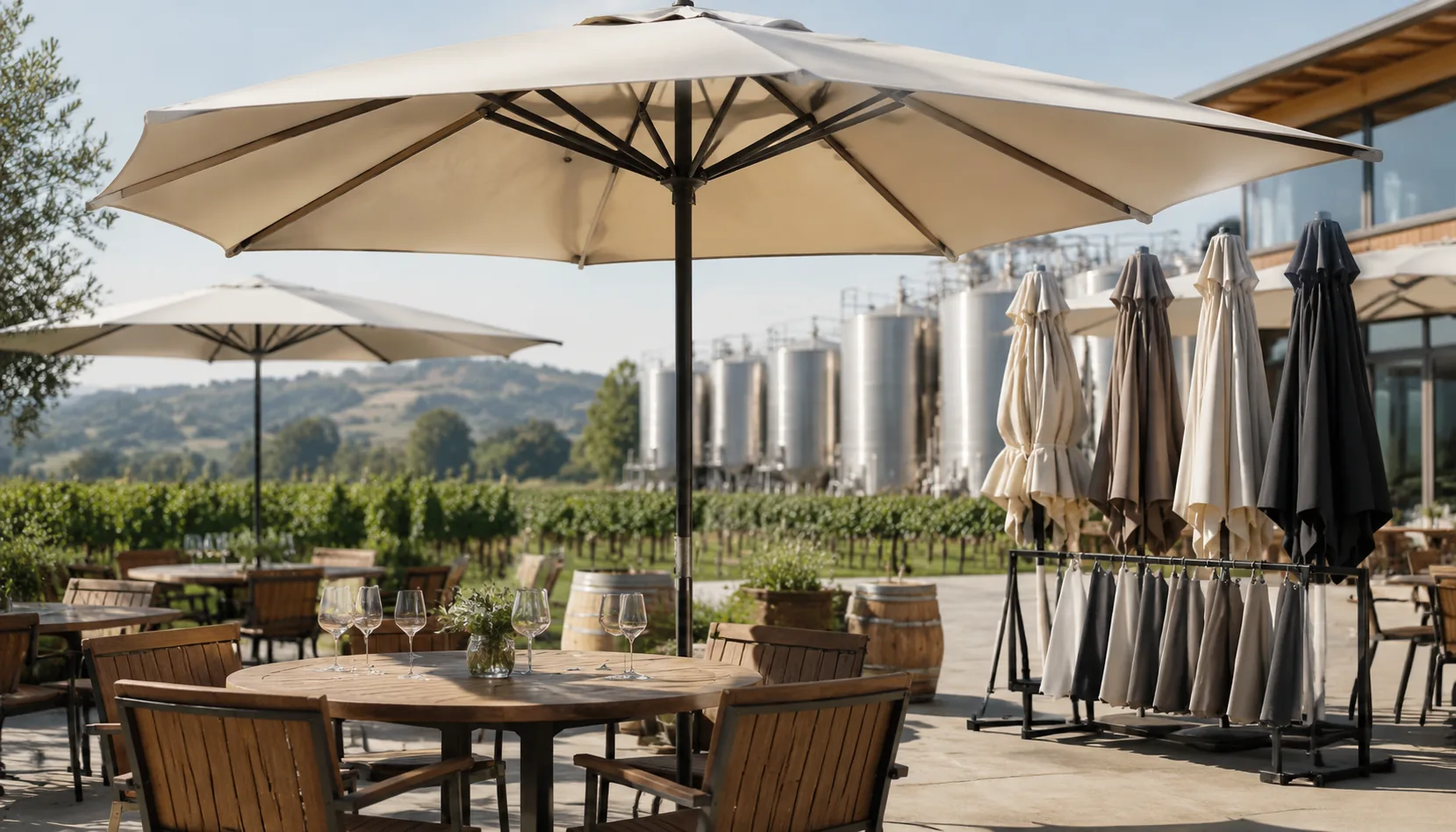
Custom Umbrellas for Wineries, Breweries, and Outdoor Tastings
Source branded umbrellas for wineries and breweries with specs for guest comfort, premium retail sales, outdoor tastings...
Read More »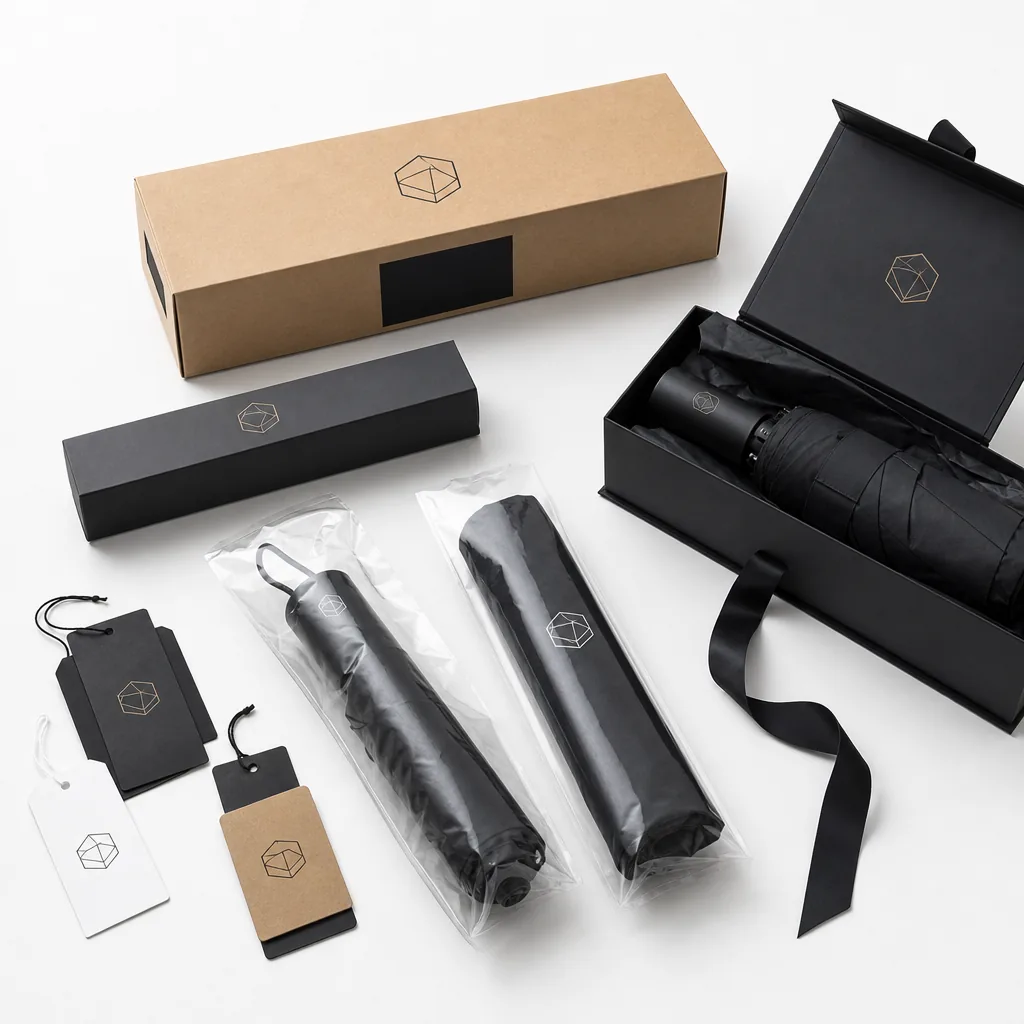
Umbrella Programs for Wineries, Breweries, and Outdoor Tastings
Build winery and brewery umbrella programs with canopy specs, wind resistance, UPF options, MOQs, and packaging for tast...
Read More »