Corporate Gift Umbrellas: A Procurement Playbook
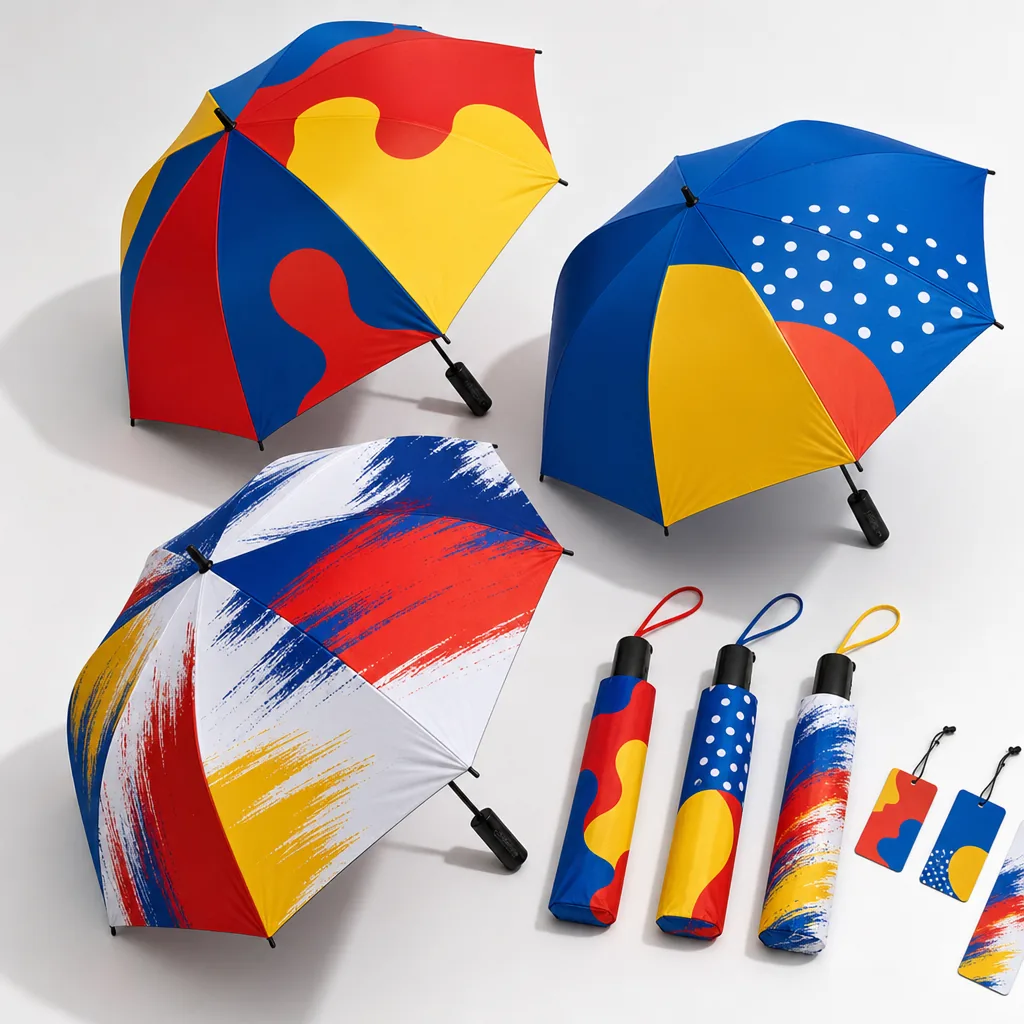
Buying a corporate gift umbrella is usually less about picking a pretty print and more about controlling quality, timing, and landed cost across a large order. Procurement teams need to know where fabric grade, frame strength, coating, packaging, and decoration method change the result, because those choices determine how the gift is received and how many units survive real use. On the factory floor, the difference between a polished corporate gift and a complaint often comes down to a few small production decisions made early.
Defining the gift tier and budget
For a corporate gift umbrella, the first decision is not color or logo size, it is the target impression: cheap leave-behind, solid daily carry, or something a client would actually keep in a car or office. In bulk umbrella procurement, I sort the market into three tiers. Value promo usually means a 21" or 23" manual umbrella with a steel shaft, fiberglass ribs only where the buyer can afford them, and 190T polyester or pongee. Mid-tier usually moves to auto-open, 10K or 12K ribs, better handle molding, and cleaner edge binding. Executive premium starts when the frame, canopy, and packaging all look intentional, not just functional.
Budget should track the use case. A business umbrella gift for conferences or trade shows can stay light and still work if the logo is clean and the mechanism does not fail after the second rainstorm. For staff gifting or dealer programs, I would push buyers toward 210T pongee, fiberglass ribs, and at least auto-open, because the perceived value rises faster than the cost. If the umbrella is meant for clients or board-level gifting, add vented double-canopy construction, Teflon or UV UPF 50+ coating, and a presentation sleeve or gift box. That is where an executive umbrella supplier earns its margin: not by adding gimmicks, but by controlling hand feel, opening force, and print alignment.
ZheBrella’s standard practice is to price against the full landed result, not just the bare unit cost, because decoration, packaging, and defect risk change the real budget. A buyer quoting a 2,000-piece run should decide early whether the target is FOB or DDP, since carton size, print method, and replacement allowance can move the number more than a small frame upgrade. For most corporate programs, I would treat AQL 2.5, 30-45 day production, and stable color matching as baseline, then spend the extra dollar on stronger ribs or better canopy fabric instead of oversized logos. That is the difference between a giveaway and a corporate gift umbrella people keep using.
Premium cues that signal a quality gift
A corporate gift umbrella only reads as premium if the first touchpoints are right: the handle, the finish, and the way the product lands in the box. Wood handles work because they feel warmer and heavier than painted plastic, but the grade matters. A smooth beech or maple handle with tight grain and a matte clear coat looks deliberate; cheap lacquer or softwood shows scratches fast. For an executive umbrella supplier, I would also push for a shaft and runner that do not rattle, because buyers notice noise the moment they open the canopy. A 23" or 27" stick format usually presents better for gifting than a compact travel piece, especially when the goal is to make a business umbrella gift feel closer to a presentation item than a commodity.
Double-canopy construction is the easiest way to add visible value without relying on gimmicks. A vented top layer gives the umbrella a cleaner silhouette, improves wind release, and signals that the product was chosen for more than decoration. On the factory floor, that means tighter panel alignment, stronger seam control, and enough rib tension to keep the canopy from looking baggy when it opens. For bulk umbrella procurement, I prefer pongee 190T or 210T with a Teflon finish and a restrained print area; the material holds color well and avoids the shiny, low-cost look of thin polyester. If the buyer wants a corporate gift umbrella that can sit on a desk or travel to meetings, the structure should feel calm and engineered, not flashy.
Clean branding is what separates a usable gift from a logo dump. Keep the mark small, centered, and consistent across the canopy, sleeve, and gift box so the umbrella looks like a planned executive gift rather than a promo item. Blind embossing, one-color screen print, or a low-contrast woven label usually ages better than oversized full-color graphics, especially on wood-handled models where the natural finish should stay visible. The box matters as much as the product: a rigid carton with a magnetic flap or fitted sleeve protects the ribs, reduces return damage, and makes the unboxing feel intentional. In corporate gift programs, that packaging detail often decides whether the umbrella gets kept in a car or left in a storage closet, which is the real test of a business umbrella gift.
Packaging and unboxing for gifting
For a corporate gift umbrella, the box matters as much as the canopy because the first unboxing sets the buyer’s expectation before they ever open the frame. A rigid paperboard box with a custom insert is the safest option for premium programs, especially when you are shipping auto-open-close models with metal tips, leather handles, or vented double-canopy constructions that can scuff if they move around in transit. I usually specify an inner cradle sized to the folded length plus 5 to 10 mm, then coordinate the outer sleeve so the logo placement matches the umbrella panel print or handle mark. In bulk umbrella procurement, this alignment is what separates a cheap promo item from a controlled business umbrella gift. If the client wants a more executive feel, the box stock should be 1,200 to 1,500 gsm with matte lamination, not flimsy folding carton material that crushes under cartons.
Tissue, cards, and sleeves should be treated as one packaging system, not three unrelated add-ons. A printed tissue wrap gives the unboxing a cleaner reveal, but it also protects the canopy fabric from rubbing against the box surface, which matters on pongee 190T and 210T panels with Teflon or UV coatings. A small insert card is useful for care instructions, wind rating notes, or a short brand message, but it should stay concise because nobody wants a wall of text inside a gift pack. For an executive umbrella supplier, the better practice is to match the sleeve color, tissue ink, and card stock to the product line: black and charcoal for boardroom gifts, white or kraft for sustainability-led programs, and a spot color that carries through from the carton to the hangtag. That kind of consistency makes the package feel designed rather than assembled.
Packaging also has to survive export reality, not just look good on a desk. Foam-free inserts are fine if the box fit is tight, but for longer 27-inch or 30-inch umbrellas I still prefer a molded pulp tray or reinforced paper insert because it keeps the shaft from punching through during sea freight vibration. If the program includes multiple SKUs, sleeve coding by size and mechanism saves warehouse mistakes when 8K, 10K, and 16K frames are packed in the same order. The most common failure in corporate gift umbrella programs is overdesigning the print and underdesigning the carton strength, which leads to crushed corners and rejected gifts at the client site. Standard lead time for coordinated packaging is usually 7 to 14 days longer than blank stock, so bulk umbrella procurement should lock art and dielines early. That extra time is worth it when the box opens cleanly, the tissue stays intact, and the first impression feels like a planned business gift instead of a commodity.
Lead time and quantity planning for events
For holiday campaigns, start a corporate gift umbrella order 8 to 12 weeks before you need cartons in hand, and move that window earlier if the program includes custom canopy printing, special packaging, or mixed sizes. A basic auto-open pongee 190T style can usually be produced faster than a fully printed vented windproof model with a molded handle, but the real risk is not sewing time; it is the queue for fabric dyeing, printing, assembly slots, and freight booking. If the event date is fixed, treat the lead time like a hard constraint, not a suggestion. For a business umbrella gift program, I usually build in a 10% schedule buffer because one late proof approval or one missing carton spec can push the shipment past the holiday cutoff.
Quantity planning should be tied to use case, not just headcount. A corporate gift umbrella ordered for a conference should include a damage and no-show allowance, while retail-facing events need a cleaner quantity split by size and mechanism. Common minimums vary by factory and decoration method, but bulk umbrella procurement often becomes efficient once you cross the first production lot, because setup costs for screen printing, transfer printing, and packing are spread across the run. If the order must land under AQL 2.5, keep enough time for inspection and rework. For an executive umbrella supplier, I would rather see a realistic forecast for 1,000 units with 5% overage than a perfect quantity on paper that ignores substitutions, spoilage, and last-minute attendee changes.
For event gifting, the safest calendar is to lock product style first, then artwork, then freight. If you are choosing between 21-inch compact units, 23-inch commuter umbrellas, or 27-inch golf styles, decide early because carton sizes, container loading, and landed cost move with that choice. Holiday programs also suffer from avoidable compression when buyers wait for final logos before reserving capacity. Our standard practice is to separate sample approval, production release, and shipping date into distinct milestones so the order can still move even if one approval slips. For a corporate gift umbrella program with a firm in-hand date, ask for production lead time, packing time, and transit time as separate numbers, then work backward from the event by at least two shipping weeks for domestic moves and more for FOB export bookings.
Compliance and consistency for big rollouts
Color matching has to be treated as a specification, not a design preference, if you want a corporate gift umbrella program to stay consistent across multiple factories and reorders. Pantone is only the starting point; the real control point is a physical master swatch approved under standard light, because 190T pongee, 210T pongee, POE, and PVC all shift differently once ink, coating, and heat are applied. For brand-guideline colors, I specify the canopy base fabric, print method, thread color, and handle finish together, then lock the acceptance range against a sealed golden sample. On a business umbrella gift order, a logo that looks correct on screen can still fail in hand if the panel tone drifts or the ink sits too glossy, so the buying team should define acceptable variation before production, not after first articles arrive.
Repeatable reorders depend on freezing the bill of materials and the production file set, not just the artwork. For bulk umbrella procurement, the reorder should reference the approved sample, panel layout, print size, rib count, shaft material, and even packaging insert so the factory does not improvise on the next run. If you are using an executive umbrella supplier, ask them to keep the fabric lot, ink formula, and trim codes on record, because a small change in coating or dye lot is enough to create a visible mismatch across a 5,000-unit rollout. My rule is simple: if the canopy is changing from 210T pongee to a different fabric, or the logo moves even a few millimeters, the reorder needs a new pre-production sample, not a casual approval by email.
Consistency also means setting inspection and logistics rules that protect the order after it leaves the sewing line. For branded programs, I would use AQL 2.5 for appearance and tighter checks on logo placement, panel symmetry, opening action, and color uniformity, because those are the defects clients notice immediately in a boardroom or event kit. Keep a retained sample from the first run, then compare later lots against it under the same lighting and packing standard; that is the only reliable way to catch drift before shipment. ZheBrella’s standard practice is to tie every repeat order to a signed sample, a dated spec sheet, and the same carton configuration, which makes FOB or DDP reorders much safer when the buyer needs the same corporate gift umbrella six months later.
Frequently Asked Questions
What makes an umbrella feel like a premium corporate gift?
A wood or soft-touch handle, a double-canopy windproof frame, careful Pantone-matched branding, and proper gift packaging. These cues lift perceived value well above a basic promotional umbrella.
How far ahead should we order corporate gift umbrellas?
For holiday or event gifting, start 8-12 weeks out to cover sampling, production, sea freight, and a QC buffer. Tighter timelines are possible with air freight at higher cost.
What MOQ should a procurement team expect for premium corporate gift umbrellas?
Most OEM suppliers set MOQs at 100-300 pieces per design for standard custom-logo umbrellas. Higher-end models, special handles, or premium packaging often start closer to 300-500 pieces.
How long does production usually take after sample approval?
Typical lead time is 25-45 days after sample confirmation, depending on canopy material, printing method, and packaging complexity. If you need custom gift boxes or mixed SKUs, add about 3-7 extra days.
What packaging upgrades make a corporate umbrella feel more premium without raising cost too much?
A printed sleeve, a matte gift box, or a simple ribbon insert usually gives the biggest perceived-value lift. For many programs, these options add a modest per-unit cost compared with full rigid-box packaging, while still improving presentation for executive gifting.
Looking to Launch Your Custom Umbrella Line?
ZheBrella is a Zhejiang-based OEM/ODM umbrella manufacturer with 17 years of export experience. Free design, low MOQ from 100 pieces, windproof construction, full-color print.
Get Free Quote Now »People Also Search For
Related Articles
Custom Umbrellas for Insurance Agencies and Brokers
Build insurance umbrella campaigns for renewals, referrals, and storm-season outreach with practical specs, print choice...
Read More »
Umbrella Sourcing for Security Teams and Venue Operations
Choose umbrellas for security teams and venue operations with fast deployment, durable frames, sensible MOQs, and QC sta...
Read More »Private-Label Umbrellas for Beauty Retail and Cosmetics GWP
Build umbrella gift-with-purchase and retail programs for beauty brands with premium materials, packaging specs, MOQ pla...
Read More »