Flammability and Fabric Safety Standards for Umbrellas and Parasols
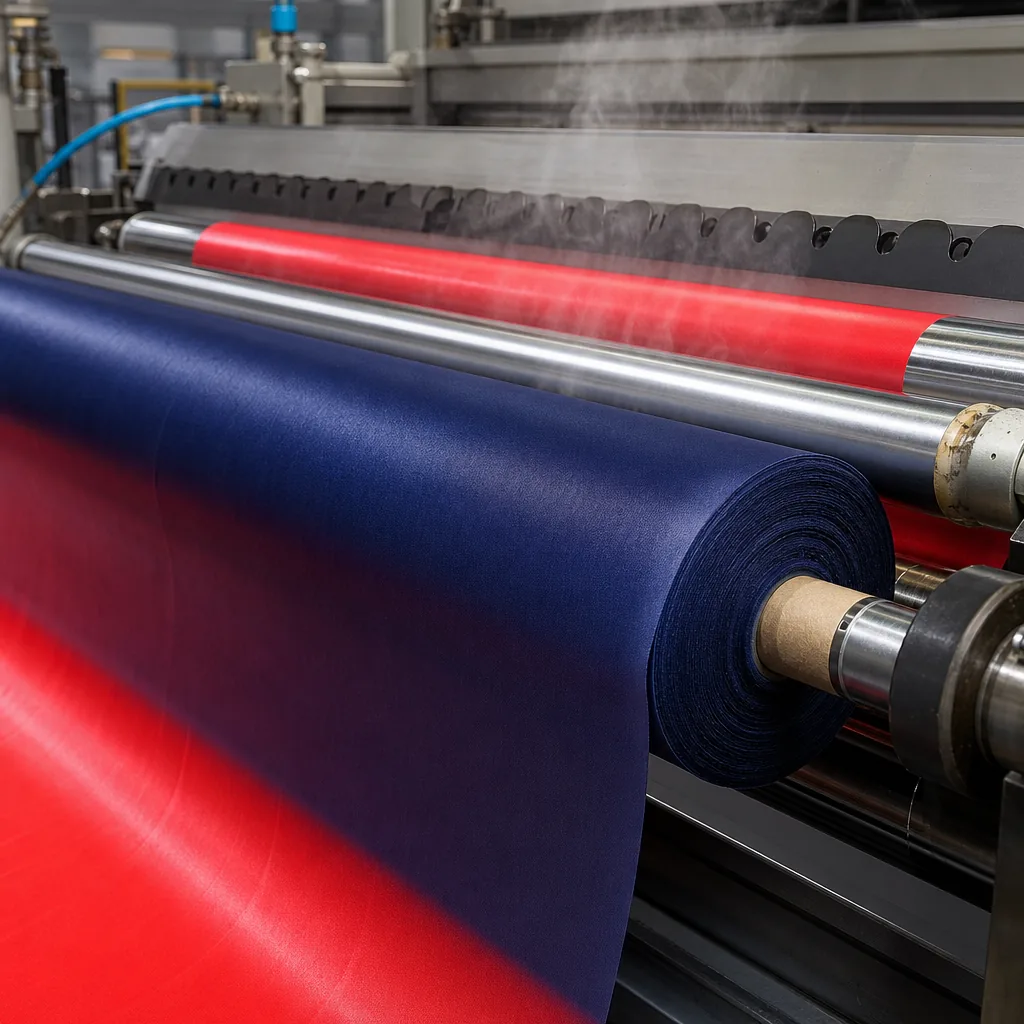
For umbrella and parasol buyers, flammability is rarely a single rule; it depends on where the product will be used, how it is sold, and whether it is treated as a toy, a shade structure, or an event fixture. On the factory floor, we see the same issue repeatedly: a fabric that looks acceptable can fail once coating, seam tape, print, or frame assembly changes the burn behavior. The right umbrella flammability standard has to be verified against the finished product, not the bolt of cloth.
When flammability rules apply to umbrellas
Most rain umbrellas are not treated as a regulated flammability product in the way pajamas, curtains, or upholstery are. In practice, the umbrella flammability standard question only starts to matter when the product is aimed at children as a toy, or when the umbrella is no longer just hand-held rain gear and becomes part of a larger shade or display structure. For a normal 21-inch or 23-inch commuter umbrella with polyester or pongee canopy, buyers usually care more about abrasion, water repellency, and seam strength than flame spread. That said, umbrella textile safety still matters if the canopy is printed heavily, laminated, or made from PVC or EVA films, because additives and coatings can change how the fabric behaves near heat.
Kids' umbrellas sold as play items can fall under toy rules, and in the EU that means EN 71-2 is the key reference for parasol fire safety and flame propagation limits. The test is not about real-world fire resistance; it checks whether the material self-extinguishes quickly and does not flash across the fabric. Large shade products are a different case again. A patio umbrella flame retardant claim may be requested by hotels, resorts, or event buyers, but the real requirement often comes from local fire code, venue rules, or a project specification rather than one universal umbrella fabric flammability test. In those jobs, I tell customers to ask for the exact test standard, coating chemistry, and whether the result applies to the full assembly or only the canopy fabric.
Patio, market, and event-shade considerations
For patio, market, and event shades, the first question is not color or print method; it is which fire code the venue will actually enforce. Hotels, convention centers, restaurant groups, and municipal event organizers usually ask for an umbrella flammability standard tied to a recognized test such as NFPA 701 in the U.S. or EN 13501-1 in Europe. Those are not interchangeable labels. NFPA 701 looks at flame propagation on hanging textile assemblies, while EN 13501 classifies reaction to fire with ratings such as B-s1,d0 or C-s2,d0, including smoke and flaming droplets. A 3.0 m or 10 ft market umbrella with a 300D polyester canopy, steel mast, and 8-rib or 16-rib fiberglass frame may pass wind testing above 40 to 50 mph and still be rejected by a venue if the fabric certificate is missing, expired, or issued for a different coating recipe. For public-facing shades, parasol fire safety documentation needs to match the exact finished fabric, including PU, acrylic, or PVC-based back-coating, not just the greige cloth.
The fabric choice changes both compliance risk and service life. Event buyers often assume any heavy canopy is safer, but weight alone means very little; a 190T or 210T pongee that works on a 23 inch folding umbrella is a different product class from a 220 to 320 gsm solution-dyed polyester or acrylic used on a patio umbrella flame retardant specification. Flame-retardant chemistry can also interfere with other performance targets. Some FR topcoats reduce water repellency, stiffen the hand, or shift color after UV exposure, which matters if the same canopy also needs UPF 50+ and a clean branded appearance under stage lighting. The right umbrella fabric flammability test should be run on production-finished panels after printing, seam sewing, and any Teflon or PU treatment, because inks, thread, tape, and vent reinforcement patches can change burn behavior. On large vented canopies, the crown vent mesh and binding are common weak points in umbrella textile safety reviews, especially when the fabric certificate only covers the main body cloth.
Buyers should also separate certification from factory control, because one lab report does not protect the whole shipment. Our standard practice at ZheBrella is to tie every approved FR canopy lot to incoming fabric batch records, cutting markers, and final AQL 2.5 inspection, since substitutions happen most often under lead-time pressure. For event-shade programs, I usually tell procurement teams to ask three blunt questions: was the test done on the finished assembly or only raw fabric, does the report cover the exact color and coating, and who holds traceability if a venue inspector requests documents on site. That matters when orders move fast, especially mixed programs with 50 to 300 units, custom valances, and DDP delivery windows of 25 to 40 days after sample approval. A steel center-pole umbrella for a sidewalk cafe, a fiberglass-rib parasol for a resort, and a printed event umbrella for a temporary activation may all need different paperwork even if they come from the same factory line.
Flame-retardant fabric options and tradeoffs
For an umbrella flammability standard, the first split is between inherently flame-resistant fabrics and FR-treated fabrics. Inherently FR cloth, such as modacrylic blends or specialty polyester with flame-retardant polymers built into the fiber, keeps its resistance through the full life of the canopy because the protection is not just a surface finish. FR-treated fabrics start as normal polyester, pongee, or Oxford cloth and then get a chemical finish or coating that helps them pass an umbrella fabric flammability test at the beginning. The tradeoff is hand-feel and cost. Inherently FR materials usually feel a bit heavier or stiffer and cost more per meter, while treated fabrics are cheaper and closer to standard canopy fabric in drape and sewing behavior. For parasol fire safety, that difference matters: a soft retail umbrella for occasional indoor promotion may not need the same construction as a patio umbrella flame retardant spec for hotels, cafes, or event tents.
The weak point of FR-treated cloth is weathering. Sun, rain, salt air, abrasion at the seam, and repeated folding all reduce the effectiveness of surface finishes faster than buyers expect, which is why umbrella textile safety should be checked after aging, not just on a fresh roll. If the finish is only on the outer face, the inside of the canopy may behave differently once the fabric is cut, stitched, and flexed around the ribs. Our standard practice is to verify the exact test method before quoting, because some markets want a specific burn test on the finished umbrella, not just the raw fabric. In practical sourcing terms, if the umbrella will live indoors or under strict venue rules, choose inherently FR fabric; if the priority is lower cost and normal outdoor use, FR-treated fabric is often acceptable, but only if the spec includes performance after weathering, not just initial compliance with the umbrella flammability standard.
Tests and certificates to request
There is no single global umbrella flammability standard, so buyers need to ask for the test method that matches the market where the umbrella or parasol will be sold. For North America, the most common paper trail is an NFPA 701 report for canopy fabric, and for coated textiles you may also see ASTM D6413 vertical flame testing or 16 CFR textile language when the canopy is treated as a textile component. In Europe, buyers usually ask for EN 13501-1 or EN 13773 wording where applicable, plus BS 5867 Part 2 for drapery-style fabric in indoor uses. For patio umbrella flame retardant claims, the report should clearly state the construction tested, the base fabric, the coating or finish, and whether the result applies to the printed side, the coated side, or both. If the canopy is polyester pongee, PVC, POE, or acrylic, the exact resin system matters because a lab result on one build does not cover a different coating package.
The certificate language matters as much as the test number. Buyers should look for wording that says the sample was tested in the exact state supplied, such as FR-treated 190T or 210T polyester, and that the result applies only to the tested color, weight, weave, and finish. A weak file will say something vague like “fabric meets flame retardant requirements” without naming the method, lab, sample ID, or pass criterion. A proper umbrella fabric flammability test report should identify the laboratory, standard, test date, report number, specimen preparation, and pass/fail outcome, with photos if the lab provides them. For umbrella textile safety, I also want the wording to state whether the treatment is durable after cleaning, because some retardants wash out quickly and that changes the real-world performance on a promotional umbrella or a parasol used outdoors.
For imported goods, ask for the certificate, the full lab report, and the factory declaration that the FR recipe was used on the same production run. If the canopy is sold as FR-rated, the documents should specify the coverage area, such as canopy only versus canopy plus valance, and whether seams, piping, and printed graphics were included in the tested specimen. This is where buyers get burned: the fabric may pass, but the sewn assembly can behave differently if the thread, seam tape, or ink is combustible. For umbrella flammability standard checks, I recommend asking for at least one combustion report on the finished canopy, not just the roll fabric, and confirming that the result is valid for the intended size and use class, whether that is a beach umbrella, market parasol, or commercial patio umbrella used under local fire code.
Spec it on the PO, not after
If you need an umbrella flammability standard, put it on the PO and spec sheet before the first yard of fabric is cut. State the required test method, the pass/fail criterion, the canopy construction, and whether you need the fabric itself, the printed surface, or the finished umbrella assembly to pass. That matters because a supplier can source a base cloth that looks right but fails once you add pigment print, PVC backing, adhesive seams, or a waterproof coating. For parasol fire safety, the cleanest instruction is usually a named standard plus a required certificate or test report from the mill, not a vague note like "flame resistant." If the buyer wants patio umbrella flame retardant performance for hospitality or outdoor dining, specify the exact use case and keep the request tied to the fabric lot, because umbrella textile safety is a sourcing issue, not a post-production inspection trick.
From the factory side, the best umbrella fabric flammability test is the one written early enough that procurement can buy the right yarn, finish, and coating system. Standard polyester pongee, acrylic, and PVC-coated fabrics do not behave the same under heat, and a water-repellent finish is not the same as fire retardancy. If the customer needs compliance, we source FR fabric up front, keep it segregated by lot, and ask for burn documentation before cutting panels, especially on large 21", 23", 27", and 30" patio models where the canopy area is significant. That avoids the usual failure mode: a buyer approves a sample, then discovers the bulk fabric was never tested to the umbrella flammability standard they actually needed. ZheBrella’s standard practice is to treat FR as a sourcing requirement, not a final QA checkbox, because once the wrong cloth is in the cutting room, the cost of fixing it is real.
Frequently Asked Questions
Does a normal rain umbrella need a flammability certificate?
Usually not. Standard adult rain umbrellas are not subject to flammability regulation in most markets. The exceptions are children's umbrellas treated as toys (EN 71-2) and large patio, market, or event shades used in venues that require flame-retardant fabric.
What flammability standard do event parasols need?
It depends on the venue and country, but public events often require flame-retardant canopy fabric meeting standards such as NFPA 701 (US) or EN 13501 classifications (EU). Confirm the venue's spec before ordering.
Which test standards should a distributor request for a patio umbrella order?
For most commercial patio umbrellas, ask for a recent fabric flammability report tied to the exact canopy material, plus the test standard used. Common buyer requests include NFPA 701 for the textile and a supplier declaration showing fabric composition, coating, and lot number. If the umbrella is sold with a shade structure or event-use claim, ask whether CPAI-84 also applies.
How can I tell whether a children’s umbrella needs toy safety testing?
If the product is marketed for children or designed with toy-like features, it may fall under toy safety rules instead of normal consumer goods rules. Buyers should request the applicable standard, age grading, and test report, because the required flame and chemical checks can change by market. Do not rely on the adult umbrella certificate if the SKU is sold as a toy or kids’ accessory.
How much time should I budget for umbrella fabric flammability testing?
A typical lab turnaround is 5 to 10 business days after the lab receives the final production fabric, and retesting adds time if the coating or yarn changes. If you need a certificate for import clearance or a retailer approval file, plan the test before mass production so the exact fabric lot is covered.
Looking to Launch Your Custom Umbrella Line?
ZheBrella is a Zhejiang-based OEM/ODM umbrella manufacturer with 17 years of export experience. Free design, low MOQ from 100 pieces, windproof construction, full-color print.
Get Free Quote Now »People Also Search For
Related Articles

How to Source Custom Umbrellas for Amazon and Retail Compliance
Build umbrella programs that fit Amazon and retail requirements, from labels and packaging to QC, carton specs, and comp...
Read More »
Private Label Umbrella Spec Sheets That Prevent Defects
Build clearer RFQs with specs for ribs, fabric, coatings, mechanisms, tolerances, packaging, and AQL checks before bulk ...
Read More »
How to Audit Umbrella Samples Before Approving Mass Production
Use a practical sample-audit checklist to catch fabric, frame, print, and packing issues before umbrella mass production...
Read More »