How Tariffs, Freight Mode, and Seasonality Shift Umbrella Costs
A quoted umbrella price can look stable on paper, then move sharply once duty rates, vessel space, airfreight decisions, and peak-season labor pressure hit the landed cost. On our Songxia factory floor, we see buyers lose margin when they treat production cost and delivery cost as separate conversations instead of one schedule-driven calculation. The real umbrella import cost factors are timing, routing, and capacity, not just fabric, frame, and handle specifications.
Separate Product Cost From Landed Cost
Compare umbrella quotes at the same cost level or the “cheapest” line item will distort your buy. Ex-factory covers finished goods at the factory gate only—for example, a 21-inch 8K compact umbrella with 190T pongee canopy, steel shaft, fiberglass ribs, and one printed panel. FOB adds the China-side export costs: inland trucking from Songxia, export handling, customs declaration, and loading at Ningbo or Shanghai. After FOB, the buyer still pays ocean LCL or FCL freight, rail-sea or air freight, destination duty, brokerage, customs bond where required, port and warehouse fees, and final-mile delivery. Duty depends on declared customs value, HS classification, destination country, and product construction, so tariffs on umbrellas are not a single fixed percentage. These umbrella import cost factors are why an ex-factory quote should not be compared directly with another supplier’s FOB or DDP offer.
DDP makes budgeting easier, but it can hide the assumptions that change delivered cost: HS code, duty rate, carton CBM, gross weight, chargeable weight, delivery ZIP code, and whether the forwarder priced peak-season space. Umbrella freight seasonality matters before spring rain promotions, back-to-school programs, and Q4 gift orders, when LCL minimums rise and late approvals can force air freight. Example: Supplier A quotes $2.60 ex-factory for the compact umbrella, while Supplier B quotes $2.72 FOB Ningbo. Supplier A looks $0.12 cheaper, but one late artwork approval or inefficient carton pack can add $0.80–$1.50 per unit in freight on small LCL shipments or urgent event orders. For FOB vs DDP umbrella orders, compare unit price, FOB port, freight mode, CBM, duty, broker fee, final-mile delivery, and lead time in days on one sheet. ZheBrella separates product price, FOB cost, and landed-cost scenarios, then rechecks carton CBM after pre-production sample approval to reduce umbrella sourcing risk.
Track the Seasonal Capacity Pressure Points
Book capacity against the buyer’s required delivery date, not the first week of rain. For North American spring golf, campus, bank, and insurance promotions, umbrella factory slots usually need to be reserved soon after Chinese New Year to support April–May shipment. European retail and outdoor-event programs often move even earlier to protect store launch dates, while Japan and Korea pull demand forward for 21" and 23" compact umbrellas before the rainy season. By late summer, holiday gifting competes for the same sewing lines with 190T and 210T pongee stick umbrellas, gift-boxed executive models, and multi-position logo printing. These umbrella import cost factors rarely appear as a single line-item surcharge; they show up as longer production queues, fewer stock fabric colors, tighter 8K/10K rib and handle supply, more overtime risk, and reduced access to lower-cost LCL or FCL sailings.
Control specification changes before the factory locks fabric, frame, and print planning. Switching from 190T to 210T pongee changes fabric consumption, cutting yield, and sometimes available stock colors. Adding UPF 50+ coating, a double canopy, or fiberglass ribs instead of an 8K steel frame affects sewing time, component sourcing, and QC checks. A vented 27" or 30" golf umbrella needs panel matching and vent alignment, so it may not fit into the same production slot as a basic auto-open straight umbrella. Late artwork approval creates the same schedule risk: screen-print films, sublimation color tests, heat-transfer positioning, and strike-off approval can add 3–7 days. That small delay can push an order from a normal queue into a peak export week with higher labor and freight pressure.
Freight capacity tightens on the same calendar as factory loading. During umbrella freight seasonality peaks, forwarders raise LCL and FCL quotes, containers roll more often, and DDP delivery dates become harder to protect because ocean freight, customs clearance, and final trucking sit under one promise. Decide FOB vs DDP umbrella orders before production starts; carton dimensions, palletization, labeling, and destination paperwork affect both landed cost and booking space. Check tariffs on umbrellas early by HS code and destination market, since a manual 23" straight umbrella and an auto-open-close folding umbrella may face different duty treatment. Treat factory capacity, freight booking, and compliance as one schedule. That reduces umbrella sourcing risk after the promotion, retail launch, or holiday gifting date is fixed.
Compare Ocean, Air, and DDP Tradeoffs
Use ocean freight as the default for repeat umbrella programs because CBM usually moves landed cost more than a small FOB difference. A 20 ft container typically loads 28,000–35,000 compact 21" folding umbrellas, depending on case pack, handle profile, sleeve thickness, and master-carton dimensions. The same box may hold only 9,000–14,000 straight 23" or 27" umbrellas because long cartons create dead space and lower stack height. That cube gap is one of the most missed umbrella import cost factors: a lower-priced straight umbrella can land above a better-built compact model after freight allocation. For U.S. replenishment, plan roughly 35–45 days port-to-warehouse to the West Coast and 45–60 days to the East Coast or inland DCs. Book earlier before spring rain resets, hurricane promotions, and Q4 gift programs, when umbrella freight seasonality reduces vessel space and drayage availability. Ocean works when artwork is locked, production starts before peak, and AQL 2.5 pre-shipment inspection clears before vessel cut-off.
Use airfreight only when the deadline value exceeds the freight premium: retail line reviews, fixed event dates, urgent sales samples, stockout recovery, or split shipments where 10% flies and 90% moves by sea. It can work for 500–3,000 high-margin printed compact umbrellas, but it is usually poor economics for straight stick umbrellas, 27" golf umbrellas, or 30" double-canopy windproof models with fiberglass ribs and EVA handles because dimensional weight punishes long cartons. Air can cut transit to about 5–10 days, but it does not shorten factory production, screen-print curing, packing, carton drop testing, customs review, or tariffs on umbrellas. Treat air as a controlled exception, not a fix for late PO release or unfinished artwork. If air is a fallback option, confirm carton length, width, height, gross weight, and chargeable weight before mass production so purchasing can compare the premium against lost sales, chargebacks, or missed launch dates.
DDP can reduce execution risk for smaller or first-time imports by bundling factory handoff, export declaration, freight, duty, customs clearance, and final delivery into one delivered price. In FOB vs DDP umbrella orders, FOB gives better control when the buyer already has a forwarder, customs broker, customs bond, tariff-classification process, and warehouse appointment system. DDP is simpler when 300–2,000 cartons need to reach a U.S. warehouse and the buyer does not want to manage ISF filing, port exams, drayage, or last-mile scheduling. The risk is quote opacity: duty assumptions, HS code selection, remote-area charges, congestion surcharges, and re-delivery fees can be buried. Buyers should still request carton dimensions, CBM, gross weight, HS code basis, declared value, and estimated duty line. For mixed compact and straight programs, quote FOB Ningbo/Shanghai and DDP side by side; one SKU may be ocean-efficient while another carries higher umbrella sourcing risk and needs a split plan by style, deadline, and margin.
Understand Which Specs Raise Total Cost Fastest
Frame specification usually changes the factory quote faster than logo printing. On a basic 23-inch straight umbrella, upgrading from painted steel ribs and shaft to fiberglass ribs typically adds $0.35–$0.80 per unit, depending on whether the factory changes only the long ribs or builds the full 8K frame in fiberglass. Moving from 8K to 10K or 16K costs more because it adds ribs, tips, stitch points, runner load, assembly time, and AQL 2.5 inspection checks. Extra ribs reduce inversion risk only when canopy diameter, rib length, and fabric tension are engineered together; otherwise the buyer pays for weight without reliable wind performance. On a 30-inch golf umbrella, a double-canopy windproof build with fiberglass shaft and ribs can run $1.20–$2.50 above a single-canopy steel-frame version, but it may pass 50+ mph wind testing where low-cost steel ribs bend or stay inverted. These umbrella import cost factors affect material cost, labor minutes, carton weight, warranty exposure, and inspection failure risk.
Opening systems and UV protection should be quoted as separate line items, not bundled into a vague “premium” spec. Manual-open umbrellas remain the lowest-cost, lowest-risk choice for high-volume promotional orders. Auto-open typically adds $0.25–$0.60 per piece for the spring, runner, push-button handle, and function testing. Auto-open-close on a 21-inch or 23-inch folding umbrella often adds $0.70–$1.50; weak center rods, undersized springs, or loose lock tolerances can turn that upgrade into returns. UPF 50+ protection follows a different cost curve. Silver or black UV coating on 190T or 210T pongee may add $0.20–$0.55 per unit, while heat-blocking fabrics or buyer-required UV test reports push the quote higher. Tariffs on umbrellas apply to the finished item regardless of whether the upgrade is visible at retail, so model duty before comparing FOB vs DDP umbrella orders.
Packaging often creates the largest landed-cost surprise because it changes freight cube as well as unit price. A polybag and basic sleeve have limited impact; a gift box, EVA case, molded handle tray, or retail hangtag set can add $0.30–$1.20 in material and packing labor. The bigger cost is carton density: a compact 21-inch folding umbrella may pack 50 units per carton in sleeves but only 24–36 units with rigid boxes. That lower density raises sea freight allocation, warehouse handling, and DDP pricing, especially during umbrella freight seasonality before spring resets, rainy-season campaigns, and Q4 gift programs. For lower umbrella sourcing risk, ZheBrella quotes packed carton dimensions and gross weight with the product price, so buyers see whether a packaging upgrade saves retail labor or simply pushes the order into a worse freight bracket.
Build a Sourcing Plan That Absorbs Volatility
Control umbrella import cost factors before sampling, because most avoidable cost increases start as unclear specifications. Freeze the BOM by size, rib count, shaft material, canopy fabric, coating, handle, print method, carton pack, barcode layout, and label content. A 23-inch 8K steel-frame umbrella with 190T pongee does not share the same material cost, labor route, or QC risk as a 27-inch fiberglass golf umbrella with double-canopy venting, 210T pongee, UPF 50+ coating, and heat-transfer logos. After fabric dyeing or frame assembly starts, changes become rework: scrapped panels, repacked cartons, revised labels, and delayed vessel bookings. Approve artwork, Pantone tolerance, packaging dielines, hangtag copy, and any REACH, Prop 65, or CPSIA testing requirements before the factory purchases raw materials. For summer delivery, approve pre-production samples before April or May; late approvals usually force air freight, overtime, or compressed inline inspection.
Treat umbrella freight seasonality as a capacity and quality risk, not just a freight-rate issue. Space tightens from late spring through back-to-school and holiday shipping, when buyers also replenish rain-season inventory. Build buffers into the schedule: 10 to 15 days for custom fabric dyeing, 5 to 7 days for printed sample approval, and 7 to 10 days for revised color boxes, hangtags, inserts, or master carton marks. Complex builds need more time after deposit and sample approval: screen printing across multiple panels, sublimation canopies, POE or EVA transparent umbrellas, 16K rib frames, auto-open-close compact models, and windproof double-canopy umbrellas should use a 45- to 60-day production window. Cutting that window rarely removes cost; it shifts cost into defects such as loose rivets, uneven canopy tension, crooked logos, weak tips, failed open-close testing, and rushed carton packing.
Put risk controls in the production file before the PO is released. Define inspection at AQL 2.5 for major defects and list zero-tolerance failures: sharp burrs, broken tips, stained canopies, wrong logos, failed auto-open mechanisms, and carton mix-ups. Choose FOB vs DDP umbrella orders based on internal import capability. FOB Ningbo or Shanghai fits buyers that manage forwarders, duties, tariffs on umbrellas, and destination charges; DDP can simplify landed cost for teams without customs resources, but only when HS classification, delivery address, tax treatment, and excluded charges are written into the quote. Before quoting your customer, check port congestion, blank sailings, exchange rates, and tariff exposure. ZheBrella reduces umbrella sourcing risk by confirming the BOM, approved production sample, AQL checklist, compliance requirements, and shipping mode before fabric cutting, so cost changes surface before finished cartons are packed.
Frequently Asked Questions
Why do two umbrella suppliers with similar unit prices end up far apart on landed cost?
Freight cube, duty treatment, packaging design, and shipping term differences often create the gap. A straight umbrella with retail boxing can cost much more to land than a compact fold packed in a pouch, even if the factory price looks similar.
When should a buyer choose DDP instead of FOB for umbrellas?
DDP is useful for smaller orders, first-time importers, or projects with tight delivery windows and limited internal logistics support. FOB usually gives better control and lower total cost when the buyer already has a strong freight and customs setup.
How far in advance should importers place umbrella orders before peak rainy season?
For standard OEM umbrellas, place orders 60–90 days before the selling season to allow for production, inspection, and ocean freight. For custom frames, special fabrics, or large retail programs, 90–120 days is safer.
When does air freight make sense for umbrella imports?
Air freight is usually used for samples, urgent replenishment, or small high-margin promotional orders because umbrellas are bulky relative to their unit value. For full-carton bulk orders, ocean freight normally offers a much lower landed cost per unit.
What cost items should buyers compare between FOB and DDP umbrella quotes?
Compare the factory unit price, export charges, ocean or air freight, destination port fees, customs duty, tariffs, brokerage, and final delivery. DDP can simplify budgeting, but buyers should confirm whether duties, tariffs, and warehouse delivery are fully included.
Looking to Launch Your Custom Umbrella Line?
ZheBrella is a Zhejiang-based OEM/ODM umbrella manufacturer with 17 years of export experience. Free design, low MOQ from 100 pieces, windproof construction, full-color print.
Get Free Quote Now »People Also Search For
Related Articles
How Tariffs and Freight Volatility Affect Umbrella Sourcing Costs
See how tariffs, freight swings, packaging, and order timing change landed umbrella cost so buyers can quote more accura...
Read More »Rainy Season Umbrella Demand Planning for Import Buyers
Build a practical umbrella demand plan using seasonality, lead times, reorder points, and shipping terms to reduce stock...
Read More »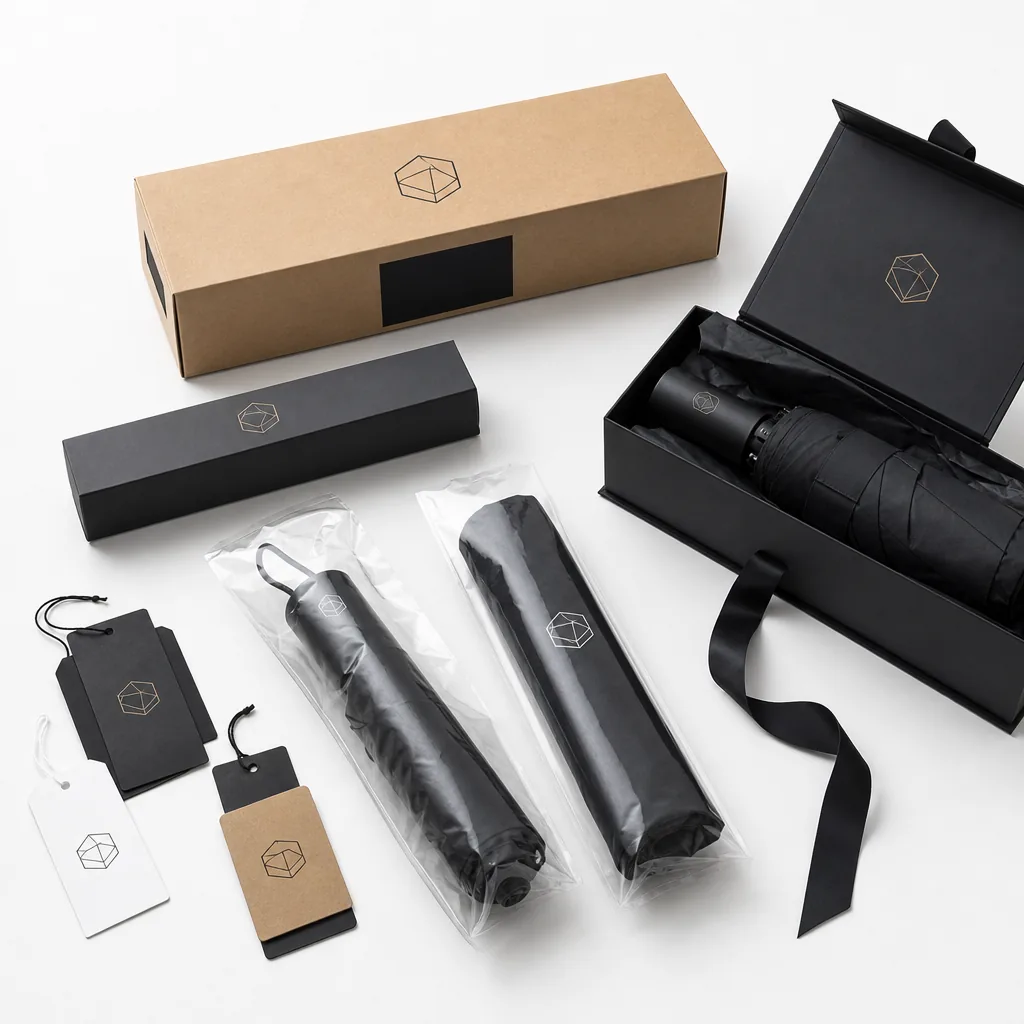
Custom Umbrellas for University Bookstores and Campus Shops
Plan umbrella assortments for campus shops with durable specs, license-ready branding, realistic MOQ, and import terms t...
Read More »