How Tariffs and Freight Volatility Affect Umbrella Sourcing Costs
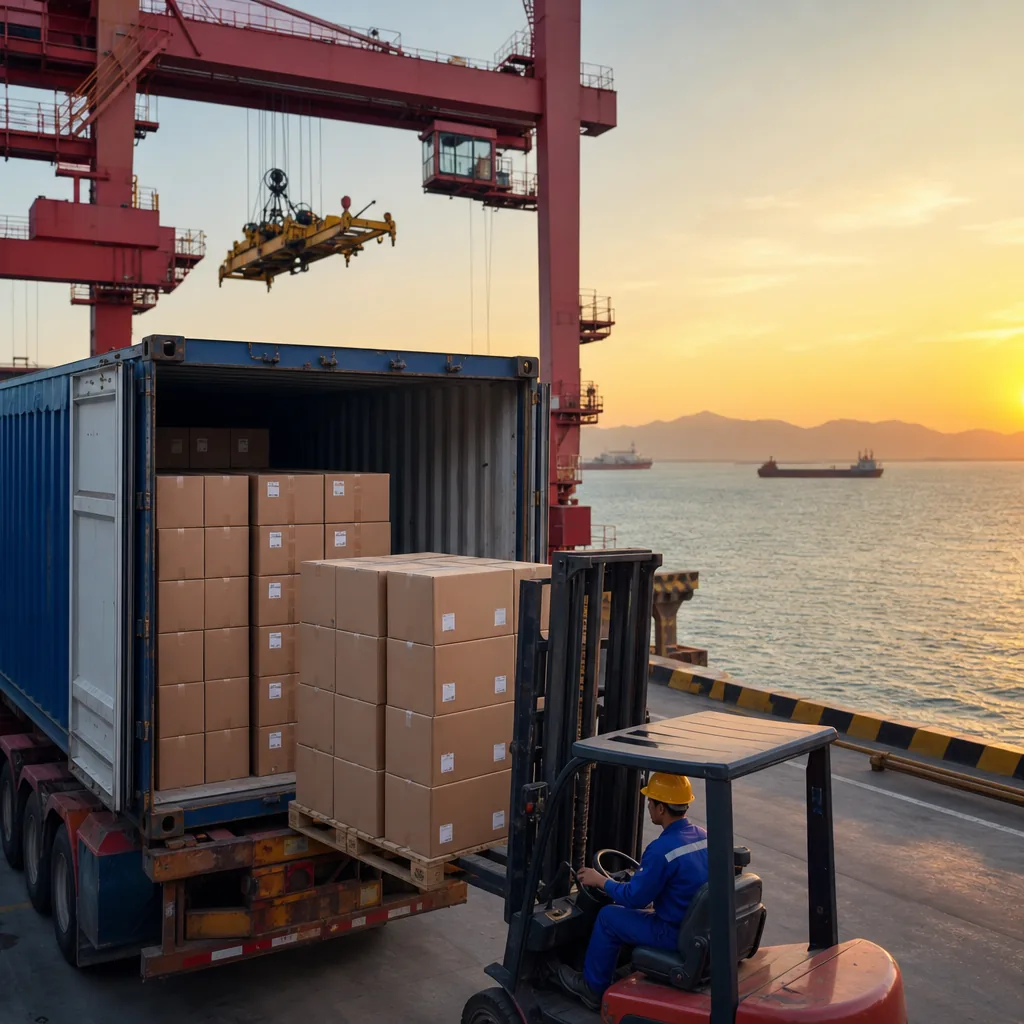
At our Songxia lines, the quote that looks workable at sampling can drift fast once tariff codes shift, container rates move, or packing details add hidden cube and labor. For buyers trying to protect margin, the real umbrella import cost factors are not just fabric and frame price, but also freight timing, carton design, duty exposure, and how production windows line up with vessel space.
- 1. Where Landed Cost Changes Faster Than Factory Price
- 2. Product Specs That Quietly Increase Shipping Cost
- 3. Choosing FOB or DDP Under Unstable Freight Conditions
- 4. Timing Orders Around Production and Shipping Risk
- 5. Practical Cost-Control Moves for Umbrella Buyers
- 6. What procurement managers should ask suppliers before comparing landed costs
Where Landed Cost Changes Faster Than Factory Price
Procurement teams should separate factory price from landed cost because the second moves faster and usually carries more risk. In umbrellas, an FOB Ningbo quote can stay flat for a quarter while total delivered cost rises 12% to 30% from tariff changes, ocean freight volatility, and destination-side charges. That is the core of umbrella import cost factors: the quote on a 23-inch auto-open stick umbrella may not move, but the P&L does. A buyer who spends time negotiating a $0.08 material delta between 190T and 210T pongee, while ignoring a freight swing above $0.40 per unit, is optimizing the wrong cost line. The split should be explicit in every comparison sheet. Ex-factory covers production only. FOB adds export handling and port delivery from Songxia/Ningbo. Landed cost adds duty, ocean or air freight, bunker and fuel surcharges, customs clearance, port and brokerage fees, inland trucking, and final delivery to the warehouse. FOB vs DDP matters because it changes both cost visibility and operational control: under DDP, those charges are bundled into one number; under FOB, they show up separately from the forwarder, carrier, customs broker, and trucker.
Tariffs and freight are the two variables most likely to overturn a sourcing decision after the PO is placed. If standard duty or additional China umbrella tariffs change, the increase applies across the shipment, not just to premium SKUs, so a mixed order of 21-inch folding umbrellas, 27-inch golf umbrellas, and POE dome umbrellas can lose margin by item and by destination. Freight creates a second risk layer because umbrellas are bulky relative to their unit value. A 30-inch vented golf umbrella with fiberglass ribs uses far more cube than a 21-inch 3-fold manual umbrella, so when container rates rise, the freight share per piece can outweigh small savings in frame or canopy cost. Air freight is less forgiving: dimensional weight, fuel surcharges, customs fees, and last-mile delivery can turn an urgent replenishment order into a loss-making shipment. A disciplined umbrella sourcing strategy is to request carton dimensions, gross weight, loading quantity, and lead time in days for each SKU, then model normal ocean, stressed ocean, and emergency air in the same landed cost sheet. That is the only reliable way to compare FOB vs DDP and keep landed cost under control.
Product Specs That Quietly Increase Shipping Cost
Umbrella type changes freight economics before it changes factory price. A 21" or 23" 3-fold manual umbrella usually ships more efficiently than a 27" straight umbrella because folded length drives master-carton dimensions and container cube. Straight umbrellas use full-length shafts, so cartons hit cubic-meter limits before they hit weight limits; that dead space gets worse on 30" golf umbrellas, 16K fashion frames, and bulky hook-handle styles. Double-canopy construction adds another layer of cost because the extra fabric and wider frame reduce pieces per carton and pieces per cubic meter. For buyers tracking umbrella import cost factors, the key data is not just EXW or FOB price. Ask every supplier for packed length, carton size, net weight, gross weight, pieces per carton, and CBM per 1,000 pieces. Without those numbers, a lower quote can produce a higher landed cost once ocean freight volatility, carton cube, and China umbrella tariffs are added back in.
Small spec upgrades can also push freight cost faster than unit cost. A double-canopy windproof umbrella often adds extra panels, more stitching, fiberglass ribs, or a thicker steel shaft to meet 50+ mph wind performance, and each change increases packed weight or volume. The same pattern shows up when canopy fabric moves from 190T pongee to 210T pongee or adds Teflon or UV coating: the factory delta may be small, but total shipment weight rises across thousands of units. Transparent POE or EVA dome umbrellas create a different freight problem because they pack less densely and scuff easily, so factories often add inner sleeves or cleaner packing that cuts carton efficiency again. Retail presentation adds still more cube. Polybags, color sleeves, barcode labels, PDQ trays, and especially rigid gift boxes can raise freight per unit far more than the packaging line item suggests. A disciplined umbrella sourcing strategy recalculates landed cost after every spec or packaging revision and compares FOB vs DDP using the same packed basis.
Choosing FOB or DDP Under Unstable Freight Conditions
FOB works best when the buyer already has freight leverage and wants clean visibility into umbrella import cost factors. Under FOB Ningbo or Shanghai, the factory’s scope is limited to production, export packing, export clearance, and delivery to port; the buyer controls vessel booking, consolidation, customs brokerage, duty payment, and destination charges. That separation matters when ocean freight volatility moves a 40HQ from roughly $2,500 to $6,000 in one season. With an established forwarder, the buyer can compare LCL against FCL by carton cube, choose direct sailings or transshipment based on transit time and cost, and isolate product price from drayage, ocean freight, duty, Section 301 exposure where applicable, and destination handling. FOB is usually the better fit for distributor replenishment orders of proven SKUs in the 3,000 to 8,000 piece range, such as 23-inch auto-open promotional umbrellas in 190T pongee. On repeat orders, savings usually come from routing, consolidation, and faster booking decisions as rates change, not from squeezing a few more cents out of the factory.
DDP makes more sense when budget variance and execution risk matter more than the lowest headline rate. For small trial orders, first-time imports, or teams without in-house logistics support, one delivered quote reduces exposure to customs exams, brokerage mistakes, and destination surcharges that can distort landed cost. That is especially relevant on 300 to 800 unit buys, such as a 21-inch straight umbrella or a 16K POE bubble umbrella, where fixed port and handling charges can overwhelm the freight economics. DDP is not inherently cheaper; it is more predictable under unstable China umbrella tariffs and shifting local fees, provided the quote states exactly what is included: duty, brokerage, port charges, final-mile delivery, palletization, liftgate service, and storage after free days. For high-volume seasonal buys of 20,000 to 50,000 units, the right choice depends on timing risk. Use DDP when the promotion date is fixed and a delay costs more than the premium. Use FOB vs DDP the other way when demand is flexible and the buyer wants to stage shipments, mix 27-inch golf umbrellas with 21-inch folding styles, and respond if freight softens before ex-factory. A practical umbrella sourcing strategy is hybrid: lock the first seasonal booking on DDP, then shift later replenishment to FOB once sell-through is proven, comparing every option on delivered cost per usable umbrella at AQL 2.5.
Timing Orders Around Production and Shipping Risk
The cheapest unit price is often the most expensive outcome if the booking window is too tight. For custom umbrellas, a 3,000 to 5,000 piece order usually needs 25 to 35 days after sample approval; add multiple finishing steps such as screen printing on 190T pongee, handle labeling, and individual sleeves, and lead time can stretch to 40 to 50 days. That matters because umbrella production is highly seasonal. Back-to-school programs, holiday gifting, and spring rain demand all compete for the same cutting, sewing, and frame assembly lines. If vessel space is booked only after packing, ocean freight volatility can wipe out the savings won on an ex-factory quote, especially on low-value promotional umbrellas where freight is a large share of landed cost. Miss one sailing and the buyer can absorb another week of storage, port charges, and stockout exposure. Among the main umbrella import cost factors, production lead time and freight booking should be managed as one decision, with booking targets set before bulk materials are released, not after cartons are ready.
Sample approval delays raise total cost because they compress both factory and shipping buffers. A canopy color correction, logo resize, or a rib change from steel to fiberglass after testing can easily consume 5 to 10 days; rework typically takes longer on auto-open-close frames and double-canopy vented windproof styles. A disciplined umbrella sourcing strategy locks artwork, panel layout, and packaging before bulk fabric and frame booking, or mills and frame suppliers lose their slot and the order falls into peak-season congestion. The same cost logic applies to FOB vs DDP: DDP can simplify customs clearance and final delivery, but it does not remove schedule risk or avoid premium trucking, storage, or air uplift when cargo misses vessel cutoff. MOQ planning also changes the math. Consolidating 21 inch manual and 23 inch auto-open umbrellas can help meet fabric or print minimums, but it can also hold the faster SKU until the slower one clears inspection. Split shipments reduce inventory risk, yet a 2,000/3,000 piece split usually adds repacking, duplicate carton marks, and two export document sets before freight. In practice, China umbrella tariffs are only one part of landed cost; congestion, partial-container inefficiency, and demurrage often move the total more.
Practical Cost-Control Moves for Umbrella Buyers
The fastest savings in umbrella import cost factors usually come from cube, not from pushing the factory for a few cents off the FOB price. Umbrellas move as volumetric cargo, so packed dimensions often matter more than buyers model at quote stage. On a standard 21-inch 8K folding umbrella, trimming sleeve bulk, replacing a deep molded hook handle with a straighter ABS or rubberized handle, and standardizing closed length can improve carton density by about 5% to 12%. That increases pieces per export carton and total units per 40HQ without changing canopy coverage. Before sample approval, ask for packed carton dimensions, gross weight, and a SKU-level container loading plan, especially on FOB Ningbo terms. SKU consolidation is the next clean lever. Using one 190T pongee body and one shared auto-open frame across multiple colorways is typically cheaper and less failure-prone than splitting small runs across manual, auto-open, and auto-open-close mechanisms. Every mechanism change adds different spring sets, runners, top notches, assembly time, and spare-part exposure. For many programs, an 8K fiberglass-and-steel hybrid frame is the best cost-performance balance; 10K or 16K frames add cost that only pays back when the visual silhouette is central to the brief.
Freight planning is the next major control because ocean freight volatility can wipe out factory-side savings in one booking cycle. If the order supports a trade show, tournament, or seasonal launch, book vessel space when the pre-production sample is approved, not when packing starts. A seven-day factory delay can become a 21-day destination delay once rollovers, customs exams, and drayage congestion stack up. For custom folding umbrellas, a realistic planning range is about 35 to 50 days for production after sample approval, plus another 25 to 40 days in transit to the US under normal conditions. When comparing FOB vs DDP, do not stop at the invoice total. Require line-item visibility for duty, brokerage, trucking, and fuel surcharges so China umbrella tariffs and accessorial charges are visible in landed cost. Quality control protects margin just as directly. Make AQL 2.5 final inspection the baseline, lock a written spec sheet before bulk production, and cover canopy material such as 190T pongee or POE, frame type, rib material, open diameter, closed length, carton marks, and barcode placement. Then approve a sealed golden sample and require weekly milestone photos, carton-count confirmation, and 24-hour exception reporting to prevent rework, chargebacks, wrong PMS, mixed handle colors, reversed straps, missing labels, and missed event dates.
What procurement managers should ask suppliers before comparing landed costs
Start with packing, because it is one of the easiest umbrella import cost factors to distort. Require every supplier to quote against the same pack spec: carton dimensions, units per carton, net weight, gross weight, and loading quantity for 20GP, 40GP, and 40HQ. A 21-inch 3-fold auto-open-close umbrella packed 48 pieces per carton does not carry the same freight profile as a 27-inch golf umbrella packed 24 pieces per carton; cube, handling cost, and damage risk change before China umbrella tariffs are applied. Carton size also affects pallet efficiency, courier oversize charges, and carton crush risk under FOB vs DDP programs into the U.S. or EU. Ask whether the packout protects the canopy and frame in transit, especially tips, runners, and folded canopy panels. A smaller carton that causes wrinkling, bent tips, or compression damage is not a real saving once claims, rework, or replacement stock are included in landed cost. Compare supplier offers only after the product spec and packing spec are identical; otherwise the lowest quote is usually just built on different assumptions.
Next, lock down classification and quote scope before you compare numbers. Ask each factory which HS code they are declaring, whether they have exported the same umbrella construction under that code before, and whether the quote assumes any duty sensitivity tied to material or origin. A POE dome umbrella, a PVC children’s umbrella, and a 190T pongee folding umbrella can trigger different customs treatment by market, so weak HS code support creates clearance delays, duty disputes, and storage charges. Fix the exact build first: fiberglass or steel ribs, 8K or 10K frame, manual or auto-open, single canopy or double-canopy vented construction, and any Teflon or UPF 50+ treatment. Then confirm MOQ, print method, inspection standard such as AQL 2.5, sample lead time, bulk production lead time, booking-ready date, and quote validity window of 7, 15, or 30 days. During ocean freight volatility, a 25-day lead time and a 40-day lead time can produce very different booking costs. The only valid umbrella sourcing strategy is a same-for-same comparison: same umbrella, same packing, same HS-code basis, same Incoterm, and same validity window.
Frequently Asked Questions
When does DDP make more sense than FOB for umbrellas?
DDP often suits smaller or first-time orders when the buyer values predictable delivered cost over carrier control. FOB is usually better for larger programs where the importer has established freight contracts and customs processes.
Do larger golf umbrellas always cost more to import than folding umbrellas?
Not always on a per-unit factory basis, but they usually consume more carton space and can raise freight cost per piece. Folding umbrellas often ship more efficiently, especially when packed without bulky retail presentation boxes.
How much can freight volatility change the unit cost on a bulk umbrella order?
On a full-container order, freight swings can move unit cost by several cents to more than $0.20 per umbrella depending on carton size, loading density, and destination port. For lower-value promotional umbrellas, that change can materially affect margin, so buyers should recheck freight before final quote approval.
When is DDP pricing useful for umbrella importers, and when is it risky?
DDP can help when a buyer wants one bundled cost and has limited customs handling capacity, especially for trial orders or new lanes. It becomes riskier when tariff rules change quickly, because the supplier's DDP quote may include a buffer that makes the total landed cost less transparent than FOB plus buyer-managed freight.
How should buyers time umbrella orders to reduce cost exposure during peak shipping seasons?
For spring or holiday retail programs, many importers place orders 60 to 90 days earlier than usual to avoid peak-season rate spikes and space shortages. Locking packaging specs and shipment mode early also reduces last-minute carton changes, split shipments, and premium freight charges.
Looking to Launch Your Custom Umbrella Line?
ZheBrella is a Zhejiang-based OEM/ODM umbrella manufacturer with 17 years of export experience. Free design, low MOQ from 100 pieces, windproof construction, full-color print.
Get Free Quote Now »People Also Search For
Related Articles
How Tariffs, Freight Mode, and Seasonality Shift Umbrella Costs
See how tariffs, shipping mode, and peak-season capacity change umbrella landed costs, and how buyers can time orders to...
Read More »Rainy Season Umbrella Demand Planning for Import Buyers
Build a practical umbrella demand plan using seasonality, lead times, reorder points, and shipping terms to reduce stock...
Read More »
Custom Umbrellas for University Bookstores and Campus Shops
Plan umbrella assortments for campus shops with durable specs, license-ready branding, realistic MOQ, and import terms t...
Read More »