How to Compare Umbrella Suppliers on MOQ, Incoterms, and Risk
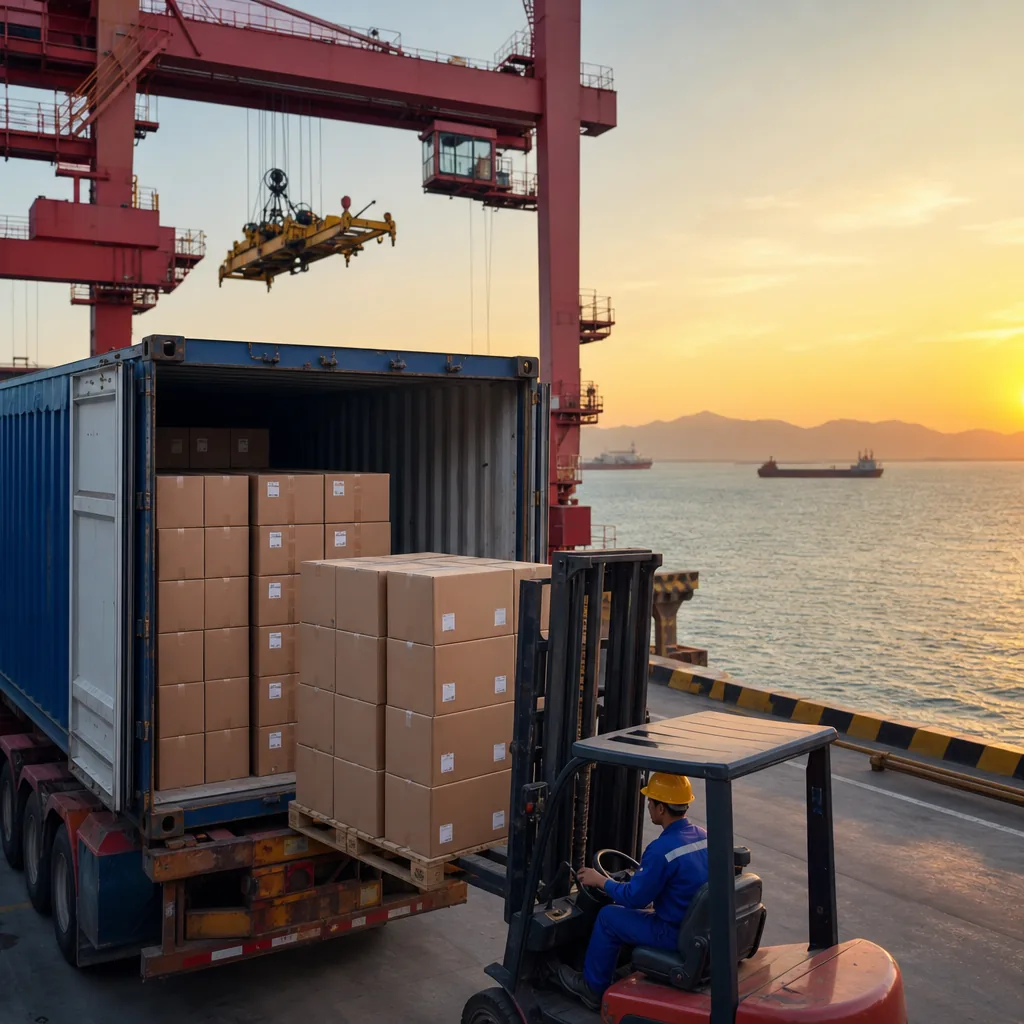
When buyers start an umbrella supplier comparison, the real risk is not the unit price—it is discovering too late that the MOQ, quote structure, inspection standard, or shipping term does not match how the factory actually runs. On the shop floor, those details decide whether a program scales smoothly or turns into rework, delay, and hidden freight costs. A disciplined framework helps you compare suppliers on the numbers that affect production reality, not just the sales sheet.
Start with the right commercial questions
In an umbrella supplier comparison, start by defining what the MOQ actually covers. A real factory quote should say whether the custom umbrella MOQ is per design, per canopy color, per print file, or per frame type; those are different cost drivers. A quote for 500 pieces can still mean 500 per color plus 500 per artwork version, which changes the order size overnight. Confirm the product format too: 21" folding umbrellas, 23" stick umbrellas, and 30" golf umbrellas use different panel counts, rib lengths, and labor time. Ask for sample fee terms, whether the fee is refundable against bulk production, and whether tooling charges apply for new handle molds, special packaging, or revised artwork. Payment terms should be explicit, usually T/T deposit and balance, with LC reserved for larger programs.
Commercial terms matter just as much as the piece price in China umbrella sourcing. Ask for Incoterms in writing: FOB Ningbo, FOB Shanghai, or DDP to your warehouse. FOB DDP umbrellas are not the same cost structure, because one quote may include export clearance and inland trucking while the other adds duty-paid delivery to your door. If the supplier cannot itemize carton labels, port handling, destination freight, and import duties, the quote is not clean. Lock in the inspection standard before production, such as AQL 2.5 inspection, so defect handling is not disputed later. Real factories usually give direct answers on factory name, material, and process; trading-company quotes stay generic and avoid workshop detail. Request the legal factory name, a production-flow breakdown, and photos or video of frame assembly, sewing, and finishing. A manufacturer can usually specify fiberglass or steel ribs, 190T or 210T pongee, manual or auto-open mechanisms, and optional UPF 50+ or Teflon coatings. If the price barely changes between an 8K manual folding umbrella and a 16K golf umbrella, or between plain fabric and a coated canopy, you are probably not seeing true factory pricing.
Comparing FOB and DDP offers without distortion
In an umbrella supplier comparison, FOB and DDP are not interchangeable price points; they assign cost and risk to different parties. Under FOB, the factory’s responsibility ends when the cartons cross the ship’s rail at the Chinese port, so the buyer still pays ocean freight, destination terminal charges, import duty, customs brokerage, and local delivery. Under DDP, those charges are folded into one delivered price, but only if the supplier has used a realistic freight quote, the correct HS code, and the right duty rate for the destination. For China umbrella sourcing, compare the same product spec first: 21" or 23" umbrellas, 190T or 210T pongee, fiberglass or steel ribs, and the same print and packaging. If MOQ differs, state the custom umbrella MOQ clearly, because a lower MOQ can raise unit cost and distort the quote.
Destination changes landed cost fast. The same carton can land very differently in Los Angeles, Hamburg, or Dubai because ocean freight, port fees, duty, VAT/GST, brokerage, and inland trucking vary by lane. That is why FOB DDP umbrellas should be converted into one landed-cost model before you decide. If one supplier quotes FOB and another quotes DDP, normalize both with the same carton count, shipping mode, and delivery address, then add freight, duty, customs clearance, and final-mile delivery. Otherwise the cheaper line item may just be missing costs. A quote is only comparable when it states what is included: port-to-port only, door delivery, residential drop-off, remote-area surcharge, and tax prepayment if applicable.
Risk also has to be priced into the decision. FOB gives the buyer more control over freight booking, but it also creates exposure to missed sailing dates, higher destination charges, and weak carrier coordination. DDP reduces that workload, but it can hide poor compliance, underestimated freight, or unclear responsibility if cartons are damaged or delayed. For any serious umbrella supplier comparison, ask for written responsibility on transit damage, split shipments, and lead time, plus AQL 2.5 inspection terms before shipment. If the supplier cannot say whether the DDP price includes local delivery and duties for your destination, the offer is not apples-to-apples. In practice, the lowest quote is often the one with the biggest landed-cost surprise.
Risk signals in samples, capacity, and communication
The biggest risk signal in an umbrella supplier comparison is a prototype that changes every time you ask for a revision. If the first sample uses pongee 190T and the next feels lighter, switches the coating, or replaces fiberglass ribs with steel, the supplier is not controlling the bill of materials. Require the written BOM before approval: canopy fabric spec, rib count, rib thickness, tube diameter, handle material, coating type, and frame construction such as 8K, 10K, or 16K. For China umbrella sourcing, vague terms like “premium polyester” or “strong frame” usually mean the factory has not locked the materials. If the sample does not match the drawing twice in a row, stop before discussing custom umbrella MOQ or bulk price. Ask for a revised sample only when the supplier can confirm the exact construction in writing and produce the same build again.
Capacity claims need the same pressure test. A supplier that promises 3,000 pieces in 7 days, including printing, packing, and export paperwork, is usually assuming outsourced work or overstating weekly output. Ask how many production lines they run, how many cutting tables, sewing stations, frame assembly lines, and packing lines are active per shift, and where the bottleneck sits. Also ask for sample turnaround in days for a blank sample and a printed sample, plus when a pre-production sample is ready before bulk cutting starts. For FOB DDP umbrellas, confirm who books freight, who handles carton labeling, and who owns defect sorting if part of the order ships early. If the factory cannot name its line count, daily capacity, and sample lead time, the lead time is not reliable.
Communication quality shows whether quality control will hold after the PO is issued. Slow replies, changing contacts, and vague answers about tolerances are warning signs because they usually show the seller is not managing the job directly. In an umbrella supplier comparison, ask the same set of questions every time and check whether the response includes exact sample lead time, production lead time, weekly output, and approval steps before bulk material cutting. A capable supplier should also explain how it checks canopy stitching, runner tension, ferrule fit, open-close cycling, and carton packing before shipment. If you are buying to AQL 2.5 inspection, ask how many finished units are sampled per lot and who signs off on rework. If the supplier cannot describe the process in numbers and steps, defect control will break at scale and the risk will show up as rework, missed ship dates, and chargebacks.
How quality control should be written into the order
If you are doing an umbrella supplier comparison, write quality control into the purchase order, not into a side email. Start with an AQL 2.5 inspection plan for major defects and define critical defects separately: broken frame, failed open/close mechanism, inverted ribs, canopy tear at the stitch line, or leaking seams on POE/PVC rain models. Then set a cosmetic-defect limit that covers minor shade variation on printed panels, light thread trimming, or a small mark on the canopy. Those issues may be acceptable within a stated limit, but they must never be counted the same way as a functional failure. That separation matters on custom umbrella MOQ orders, where print consistency and color matching are harder to control, and in China umbrella sourcing, where assembly defects usually show up first in the frame and runner.
Write the sampling plan into the contract with the same precision you use for price and Incoterms. Require pre-shipment inspection at the finished-goods stage, state how many cartons will be opened, how many umbrellas will be sampled per carton, and which tests are mandatory: open/close cycle, rib alignment, tip insertion, handle fit, stitch check, and water-spray or visual canopy inspection for coated fabric. The clause should also require carton drop testing on fully packed export cartons, especially for 23-inch and 27-inch automatic models, followed by a functional re-check on sampled units to catch bent stretchers, crushed tips, or loose runners before shipment. FOB DDP umbrellas change freight and duty responsibility only; they do not change the defect standard or the inspection method.
A strong supplier should be able to show sample records, defect photos, and corrective-action notes from prior lots. Ask for the inspection report format before you place the order, including the AQL 2.5 inspection table used to decide pass or fail and the exact reject rule when the lot exceeds the limit. That gives both sides one rulebook: the factory knows what to target, and the buyer can verify whether the lot passes before it leaves port. In any umbrella supplier comparison, the lowest unit price is not the lowest risk if the supplier cannot document carton-level inspection or cannot prove that functional defects are treated more strictly than cosmetic ones. For larger runs, the inspection trail is often more valuable than the quote because it shows whether the factory can repeat quality on the next shipment, not just on a sample set.
When to choose a factory, OEM partner, or stock program
Choose a factory when the order needs full spec control and the buyer can absorb tooling, sampling, and longer setup. This is the right fit for branded promotions with a complete tech pack, retail private label programs that need a fixed build, and larger custom umbrella MOQ orders that can support a few hundred to a few thousand pieces per color or design. A factory can lock down the parts that drive cost and durability: 23" or 27" frames, 190T or 210T pongee, fiberglass or steel ribs, handle shape, print placement, and packaging. Expect about 20-40 days after sample approval, depending on material availability and artwork signoff. In an umbrella supplier comparison, this route gives the most control over construction and the lowest risk of spec drift, but it demands clear drawings, approved samples, and enough volume to justify the setup.
Choose an OEM partner when you want a faster path to market by customizing an existing platform rather than building from scratch. In China umbrella sourcing, this is usually the best fit for retail private label programs and mid-size promotional campaigns that need repeatable quality, moderate MOQ, and shorter sampling cycles. OEM programs often start with standard 8K or 10K frames, then add buyer-specific colors, logos, sleeves, tags, or cartons; that keeps engineering risk down and speeds production, but it limits changes to venting, canopy shape, and handle tooling. If your program needs AQL 2.5 inspection, OEM is often the most efficient option because the line is already set up for incoming checks, in-line inspection, and final packing control. Use a stock program when speed matters most and the order is for event giveaways, rush campaigns, or test runs that need FOB or DDP umbrellas shipped quickly with no tooling. Stock models usually come in 21" or 23" manual or auto-open formats with basic polyester or pongee canopies, so you can launch fast and limit cash tied up in inventory.
Frequently Asked Questions
What MOQ is reasonable for a custom umbrella order?
It depends on the model and decoration, but many factories set MOQs by color or logo setup rather than by total order size. A clear spec sheet can sometimes lower MOQ by using existing materials and standard frame parts.
How should I compare a FOB quote with a DDP quote?
Convert both to landed cost at your destination. FOB leaves freight, insurance, duties, and import handling to you, while DDP includes more of those costs but can hide margin or service differences.
What MOQ is typical for custom umbrellas from a factory in China?
For OEM umbrellas, many factories quote 300-500 pieces per style for basic customization, while fully custom frames, handles, or canopies can require 1,000 pieces or more. If you need multiple colors or print variations, ask whether the MOQ applies per design or per total order.
What should a quote include when comparing umbrella suppliers?
A proper quote should separate unit price, decoration charges, packing cost, sample fee, mold fee if any, and freight terms such as FOB or DDP. If a supplier only gives one all-in price, ask for an itemized breakdown so you can compare landed cost accurately.
Is AQL 2.5 enough for umbrella quality inspection?
AQL 2.5 is commonly used for general defect sampling on umbrellas, especially for appearance and workmanship checks. For import orders, buyers often pair it with specific functional tests such as open-close cycling, wind resistance, water repellency, and carton drop tests before shipment.
Looking to Launch Your Custom Umbrella Line?
ZheBrella is a Zhejiang-based OEM/ODM umbrella manufacturer with 17 years of export experience. Free design, low MOQ from 100 pieces, windproof construction, full-color print.
Get Free Quote Now »People Also Search For
Related Articles
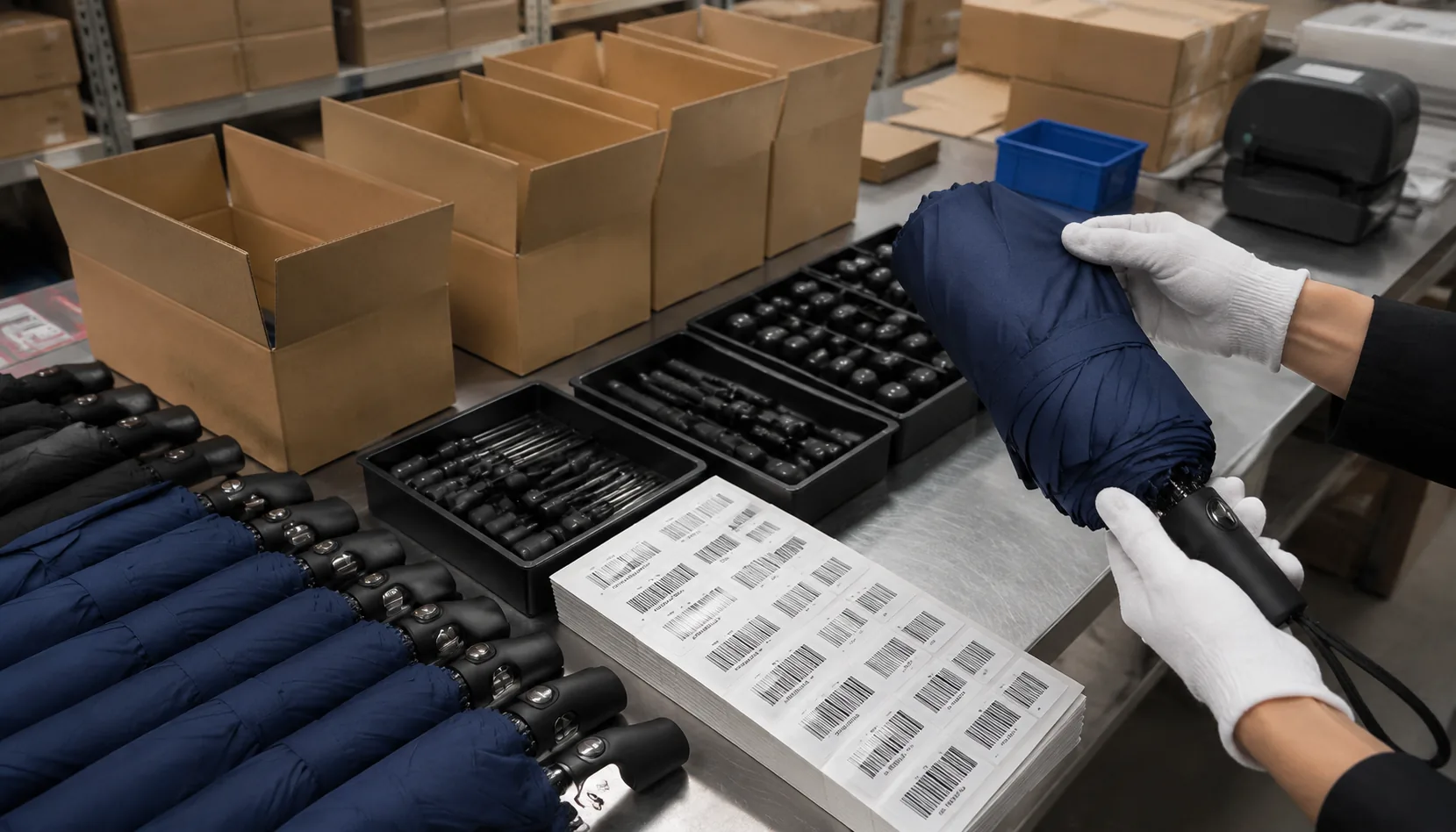
Retail-Ready Umbrella Sourcing: Barcodes, Cartons, and QC
Source retail-ready umbrellas with barcode labels, carton specs, AQL 2.5 checks, and DDP options to reduce chargebacks a...
Read More »How to Compare Umbrella Factory Quotes Without Missing Hidden Costs
Compare umbrella factory quotes with a checklist that exposes tooling, packaging, testing, and logistics costs before yo...
Read More »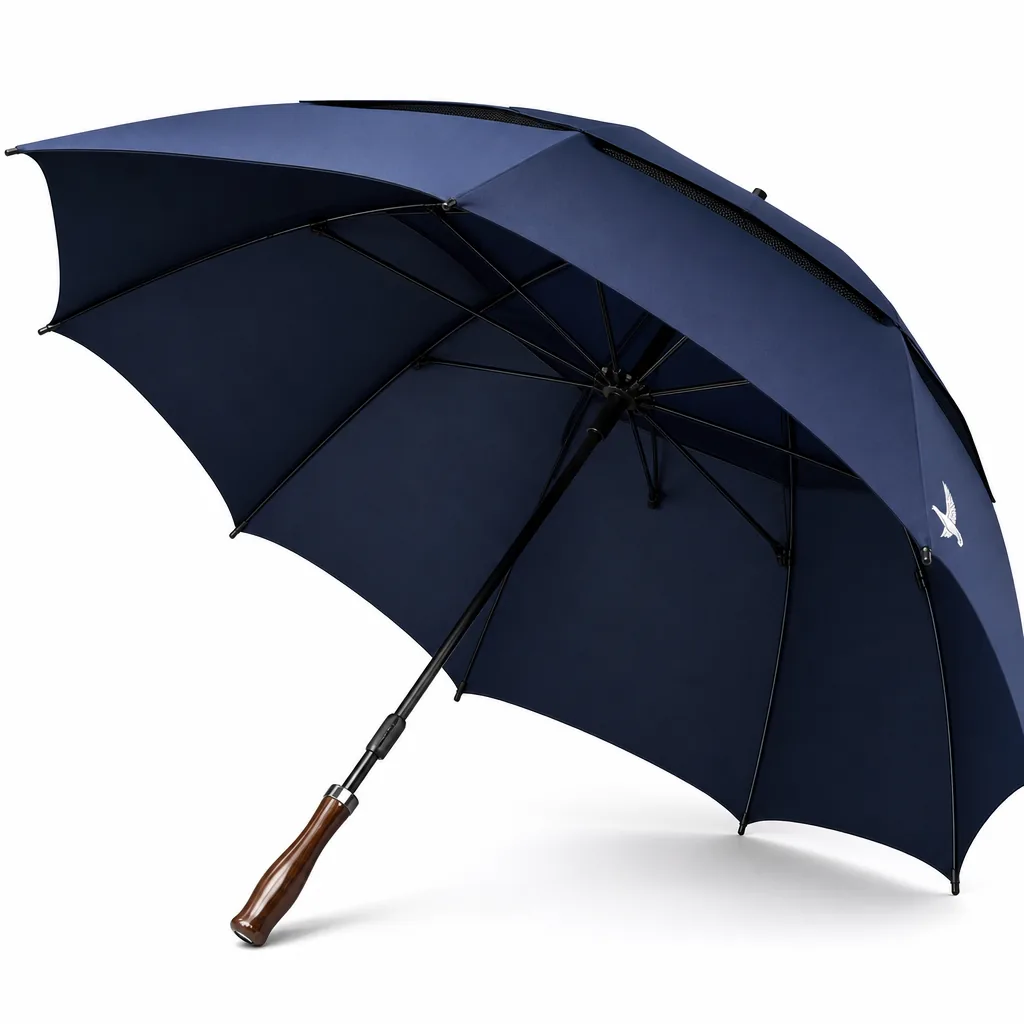
Promotional Umbrella Buying Guide for Events and Giveaways
Compare specs, MOQ, print methods, QC, and shipping terms for promotional umbrella bulk orders that balance budget, bran...
Read More »