Promotional-Distributor Margins on Custom Umbrellas Explained

Custom umbrellas can look simple on paper, but distributor margins usually get squeezed by net pricing, setup fees, run charges, and client pushback long before the order reaches production. A promotional distributor margin umbrella only works when the supplier quote is built with enough discipline to cover real factory costs, decoration complexity, and freight without forcing last-minute concessions. From the shop floor, the difference between a profitable program and a loss often comes down to how well those moving parts are understood before the PO is issued.
How promo pricing is structured
In the promo channel, list price is mostly a reference number, not the number anyone expects to pay. A distributor may see a published catalog price for a 58-inch golf umbrella, but the actual buying decision is based on distributor net, decoration method, and freight terms. On a real order, a promotional distributor margin umbrella is built around what the distributor can sell to the end client after adding decoration, handling, and their own service fee. That is why two umbrellas with the same canopy size can price very differently if one uses 190T pongee with a fiberglass shaft and the other uses 210T pongee, a vented double canopy, and auto-open-close hardware. The list price gives the channel a starting point; net pricing tells you what the umbrella actually costs the buyer who is moving volume.
Distributor net is the core number in ASI and similar channels, and it is usually lower than list by a fixed trade discount that depends on quantity and decoration complexity. A promo product markup umbrella is not priced like retail because the supplier expects the distributor to add margin later, often 25% to 50% depending on the account, imprint area, and whether the order is blank stock or fully decorated. Custom umbrella distributor pricing also has to account for panel count, rib material, and setup charges. An 8K manual stick umbrella with steel ribs and one-color screen print is a different cost structure from a 16K windproof golf umbrella with fiberglass ribs, sublimation, and individual polybagging. The distributor net has to leave enough room for the buyer to cover quotes, proofing, freight, and the inevitable small changes before production starts.
EQP, or end-quantity pricing, is the convention that makes promo quotes look better at higher quantities, even when the actual manufacturing cost does not fall in a perfectly linear way. The supplier will usually price at breakpoints such as 48, 144, 288, 500, and 1000 pieces, with the per-piece number dropping as the order absorbs tooling, setup, and print preparation across more units. That is where promo umbrella profit is protected: the distributor sees a clean tier table, while the factory keeps a workable margin by balancing canopy fabric yield, labor efficiency, and decoration throughput. For a promotional distributor margin umbrella, the important question is not only the unit price, but whether the EQP structure still leaves enough spread after freight, duty, and rush handling. If the quote is too tight at the lower breakpoints, the distributor loses flexibility; if it is too loose, the customer will just shop the same custom umbrella against two or three other suppliers.
Where margin actually comes from
The margin on a promotional distributor margin umbrella is not just the resale spread on the canopy. Product markup is the first layer, but it only works when the distributor understands the real cost drivers: frame spec, canopy fabric, decoration method, and case pack. A 21" compact with manual open, steel ribs, and one-color screen print sits in a different cost band than a 23" auto-open-close with fiberglass ribs, 190T pongee, and full-panel sublimation. In ASI umbrella margin terms, the buyer is really paying for a bundle of choices, not a single SKU. The cleanest custom umbrella distributor pricing usually comes from pushing clients toward standard sizes, standard handle molds, and stock canopy colors, then charging more when they want vented double-canopy construction, UPF 50+ coating, or mixed decoration across multiple panels.
Setup and run charges are the second margin source, and they are often where promo product markup umbrella math gets distorted. A screen-print setup on a six-panel umbrella, art cleanup, plate prep, and color matching can be charged once, then spread across the run; on small orders, that setup fee can exceed the raw margin on the product itself. The same applies to heat transfer, sublimation, and packaging changes like belly bands, retail sleeves, or individual polybags. Experienced distributors protect promo umbrella profit by separating one-time engineering work from unit price, instead of burying it and hoping the factory absorbs the cost. At the factory floor level, the real issue is whether the decoration spec is repeatable at AQL 2.5 without rework, because any reprint or panel rejection kills the margin fast.
Freight handling is the third leg of the margin stack, and many distributors ignore it until the quote comes back wrong. Umbrellas are bulky, long, and easy to damage in transit, so carton design, palletization, and shipment mode matter as much as FOB pricing. A distributor can add value by consolidating split shipments, controlling dimensional weight, and charging for domestic drayage, customs brokerage, and final-mile delivery instead of treating freight as pass-through. On FOB terms, the cleanest profit comes from knowing when to quote ocean freight separately and when to hold a fixed landed price for the client. ZheBrella’s standard practice is to keep these cost buckets visible because hidden freight leakage is where a lot of apparently good umbrella orders turn into thin or negative margin after the goods leave port.
Quoting umbrellas profitably
A practical quote starts with the exact build, not a catalog guess. For a 23-inch auto-open, 8-panel umbrella with 210T pongee, black fiberglass ribs, steel shaft, and a one-color logo on one panel, the factory price might sit around $3.10 to $3.60 FOB depending on order quantity, print size, and handle choice. Add a swing tag, sleeve, and polybag, and the true factory cost rises faster than most buyers expect because packaging labor and setup are real line items, not free extras. If the order is only 300 pieces, screen setup and waste can add $0.20 to $0.40 per unit; at 3,000 pieces, that same setup is spread thin. That is why custom umbrella distributor pricing needs to be built from the bill of materials first, then adjusted for quantity breaks, freight, and any rush charge. A promotional distributor margin umbrella only works when the quote exposes every cost layer instead of hiding it inside a vague unit price.
From there, the distributor decides the promo product markup umbrella by matching the client’s target and channel. If the umbrella lands at $4.00 FOB and ocean freight plus domestic drayage adds $0.55, then a landed cost near $4.55 is realistic before sales overhead. A distributor selling to a university, trade show organizer, or regional bank might quote $7.50 to $8.50, which leaves room for 35% to 45% gross margin before commissions, sample expense, and bad-debt risk. On a tighter ASI umbrella margin, especially for competitive bids, the same item may only clear 22% to 28%, so the only way to protect promo umbrella profit is to control decoration complexity and avoid underquoting freight. The mistake I see most often is pricing the print as if it were fixed; in reality, a second logo location or full-color transfer can move the margin more than the umbrella frame itself.
The cleanest way to present the number is to show base unit, decoration, and logistics separately. For example: $3.35 FOB umbrella, $0.28 print, $0.12 packaging upgrade, $0.50 inland and export handling, then a distributor sell price of $7.25. That structure makes the quote defendable and helps the buyer compare apples to apples instead of chasing the cheapest line item. For larger runs, ZheBrella’s standard practice is to lock the construction first, because changing from steel to fiberglass ribs, or from manual open to auto-open-close, can shift both yield and warranty risk. If the client wants a lower entry price, reduce the print area or stay with a 190T canopy rather than cutting quality on the frame. In my experience, the promo umbrella profit comes from disciplined quoting, not from squeezing the factory after the order is already built.
Protecting margin under price pressure
The fastest way to protect a promotional distributor margin umbrella is not to shave unit price until there is nothing left. It is to change the basket. Bundle the umbrella with a printed sleeve, a hangtag, polybag inserts, and a kitted shipper, then price the package as a single program. That gives you room to keep the base umbrella at a defensible factory level while lifting the total order value through services the customer already needs. In practice, a buyer who asked for bare umbrellas often accepts a small per-unit increase once the quote includes artwork prep, barcode labeling, and individual bagging. That is how you preserve promo umbrella profit without entering a race to the bottom on the canopy itself. The distributor is not paying only for steel, fiberglass, and pongee 190T or 210T; they are paying for readiness, reduced handling, and fewer surprises at delivery.
Up-tiering works when you present two or three builds instead of one low-price spec. A 21-inch manual umbrella with steel ribs may close the deal on price, but a 23-inch auto-open model with fiberglass ribs, Teflon coating, and a vented double canopy gives the client a visible upgrade they can justify to their end customer. That is where custom umbrella distributor pricing becomes useful: show the spread between a basic POE model, a mid-tier promotional piece, and a premium UV version with UPF 50+ protection. The client often picks the middle option, which is exactly where the ASI umbrella margin is healthiest. Our standard practice at ZheBrella is to quote the low, middle, and high build side by side so the buyer sees function, not just cost.
Value-selling is what keeps a promo product markup umbrella from collapsing under comparison shopping. If the distributor can explain wind resistance, print durability, and packaging consistency, the conversation shifts away from cents and toward risk reduction. A canopy that survives 50+ mph in a wind tunnel, holds registration on a heat-transfer logo, and ships with AQL 2.5 inspection is easier to defend than a cheaper umbrella that looks fine in a sample but fails in transit or at event handout. Lead with fewer claims and more proof: rib count, fabric weight, coating, closure type, carton count, and delivery window in days. Buyers do not argue with a quote when they can see what is included and what failure costs them later. That is the practical way to protect margin under price pressure.
Working factory-direct for better net
Factory-direct only improves net cost when the order is large enough that the middleman markup and extra handling actually matter. On a typical promotional distributor margin umbrella job, the domestic promo house may add 20% to 40% before it even quotes freight, split charges, proofing, and repacking. If you are buying 1,000 to 5,000 pieces of a standard 21" or 23" auto-open style with a 190T pongee canopy, fiberglass ribs, and a single-color logo, factory pricing usually wins on landed cost because the print, assembly, and carton spec are controlled at the source. That is where custom umbrella distributor pricing starts to bend in your favor: fewer handoffs, fewer administrative fees, and less padding on the unit price. For a promo product markup umbrella, the savings are real only if the spec is stable and the buyer can tolerate factory lead times of 25 to 40 days.
The net advantage gets bigger when the program is repeatable. A domestic supplier often protects margin by bundling stock inventory, decoration, and customer service into one price, which looks convenient but hides the ASI umbrella margin in the spread between factory cost and invoice cost. If your buyer is running quarterly replenishment, private-label retail, or a multi-event rollout, factory-direct can cut several points off promo umbrella profit leakage because the mold, panel cutting, screen setup, and QC are fixed once and reused. Our standard practice is to quote ex-works or FOB by construction class, not by vague promotional tier, so the buyer can see what changes when moving from steel ribs to fiberglass, from manual open to auto-open-close, or from 8K to 10K and 16K frames. That is the correct way to compare a promotional distributor margin umbrella against a true factory offer.
A domestic promo supplier still makes sense when speed, low quantity, or failure risk matter more than unit cost. If the order is 100 to 300 pieces, needs mixed artwork, or has a ship date inside 10 business days, the freight savings from China will not offset air charges, import handling, and the cost of a missed deadline. The same is true for complex assortments with multiple SKUs, special packing, or last-minute art changes, where the domestic distributor absorbs chaos better than a factory line built for batch efficiency. Factory-direct usually wins on custom umbrella distributor pricing when the spec is clean, the order repeats, and the buyer wants control over materials like 210T pongee, UV coating, vented double-canopy construction, and AQL 2.5 inspection. If the ask is a quick logo job for a trade show, the domestic promo house is often the better net result; if the ask is a recurring program with real volume, factory-direct is where promo umbrella profit is preserved.
Frequently Asked Questions
What margin do promo distributors make on umbrellas?
Promotional distributors commonly target around 30–50% gross margin on custom umbrellas, built from product markup plus setup and run charges. Going factory-direct on larger orders can widen that margin versus buying through a domestic promotional supplier.
How do I keep margin when a client pushes on price?
Defend the product price and instead adjust the offer: up-tier to a better umbrella, bundle a sleeve or gift box, or move to a quantity break that genuinely lowers unit cost. Discounting the line item directly is the fastest way to erode an already thin promo margin.
What gross margin do distributors usually target on custom umbrellas?
Most distributors aim for a gross margin in the 20% to 40% range, depending on order size, decoration complexity, and whether they are handling freight. Smaller rush orders often need a higher margin to cover quoting time and change risk.
Do setup charges usually affect margin on umbrella orders?
Yes. A one-time setup charge of about $40 to $100 per logo color or print location is common, and it should be separated from product pricing when you quote. If you bury that cost in the unit price, your margin can disappear on reorders or small runs.
How do MOQ and lead time influence distributor pricing?
For custom umbrellas, MOQ is often 100 to 300 pieces per style and decoration method, and standard production lead time is usually 15 to 30 days after art approval. Lower MOQs or faster turns generally require a higher selling price to preserve margin.
Looking to Launch Your Custom Umbrella Line?
ZheBrella is a Zhejiang-based OEM/ODM umbrella manufacturer with 17 years of export experience. Free design, low MOQ from 100 pieces, windproof construction, full-color print.
Get Free Quote Now »People Also Search For
Related Articles
Pricing Custom Umbrellas for Resale: Margins, Markups, and MAP
How resellers and distributors should price custom umbrellas: building up from landed cost, typical markups by channel, ...
Read More »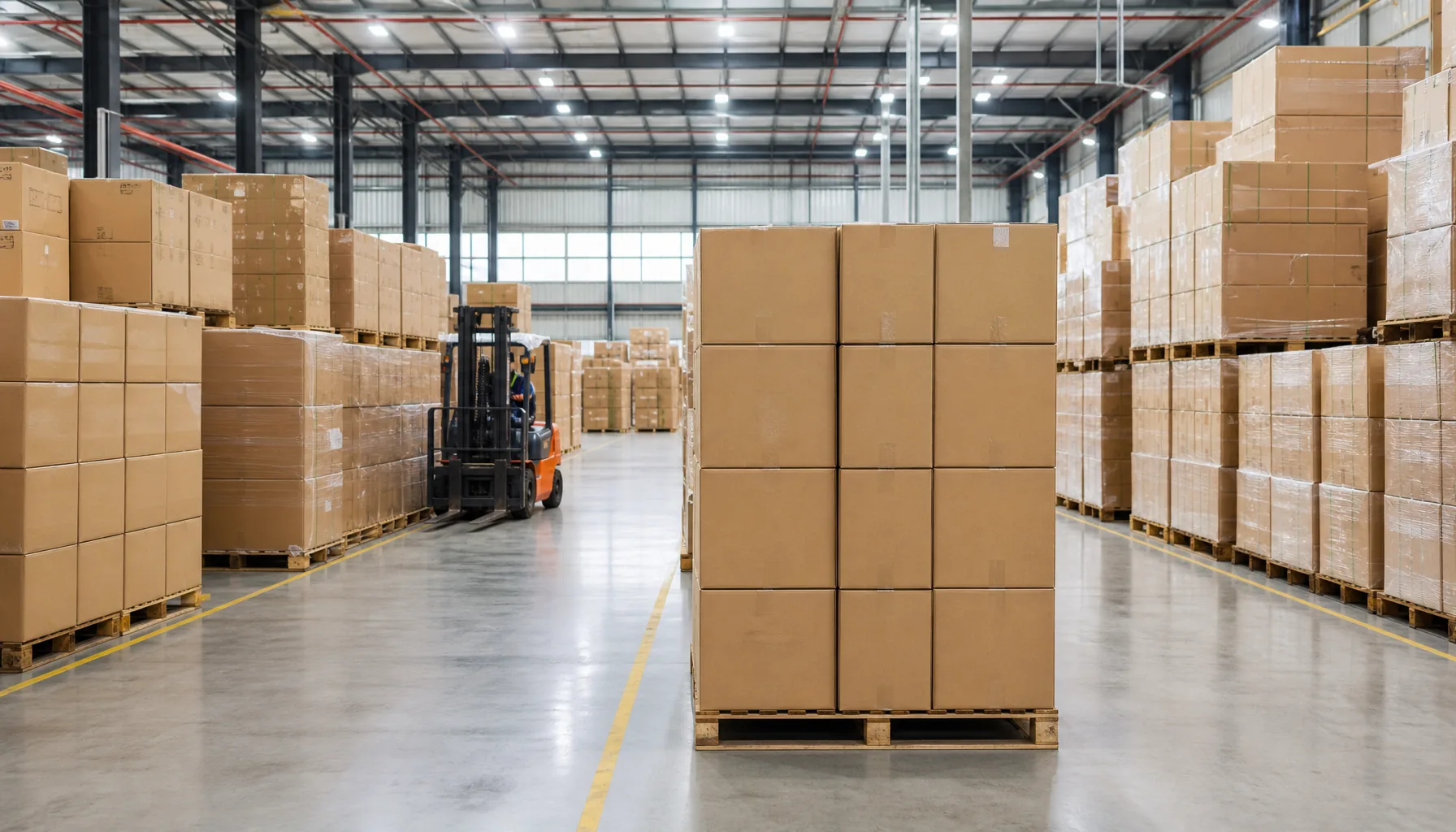
Building a Promo Distributor's Umbrella Catalog: SKU and Tier Strategy
How a promotional-products distributor should structure an umbrella line: which core SKUs to stock, good-better-best tie...
Read More »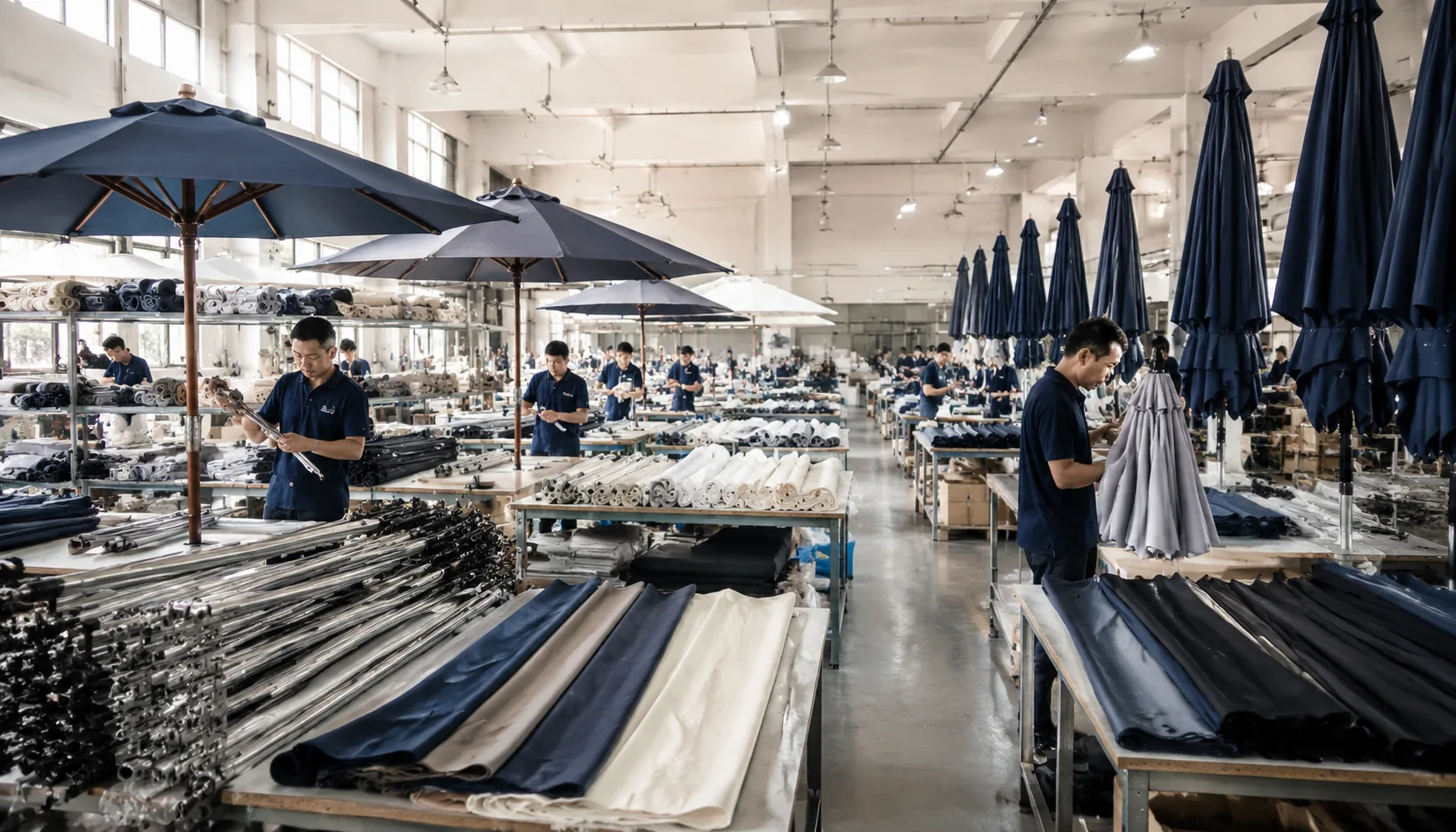
Custom Umbrella Programs for Beverage and Brewery Brands
Plan brewery and beverage umbrella programs for distributor promos, taproom retail, and field sales with print specs, ca...
Read More »