Shopify vs Marketplace: Fulfillment Models for Umbrella Sellers
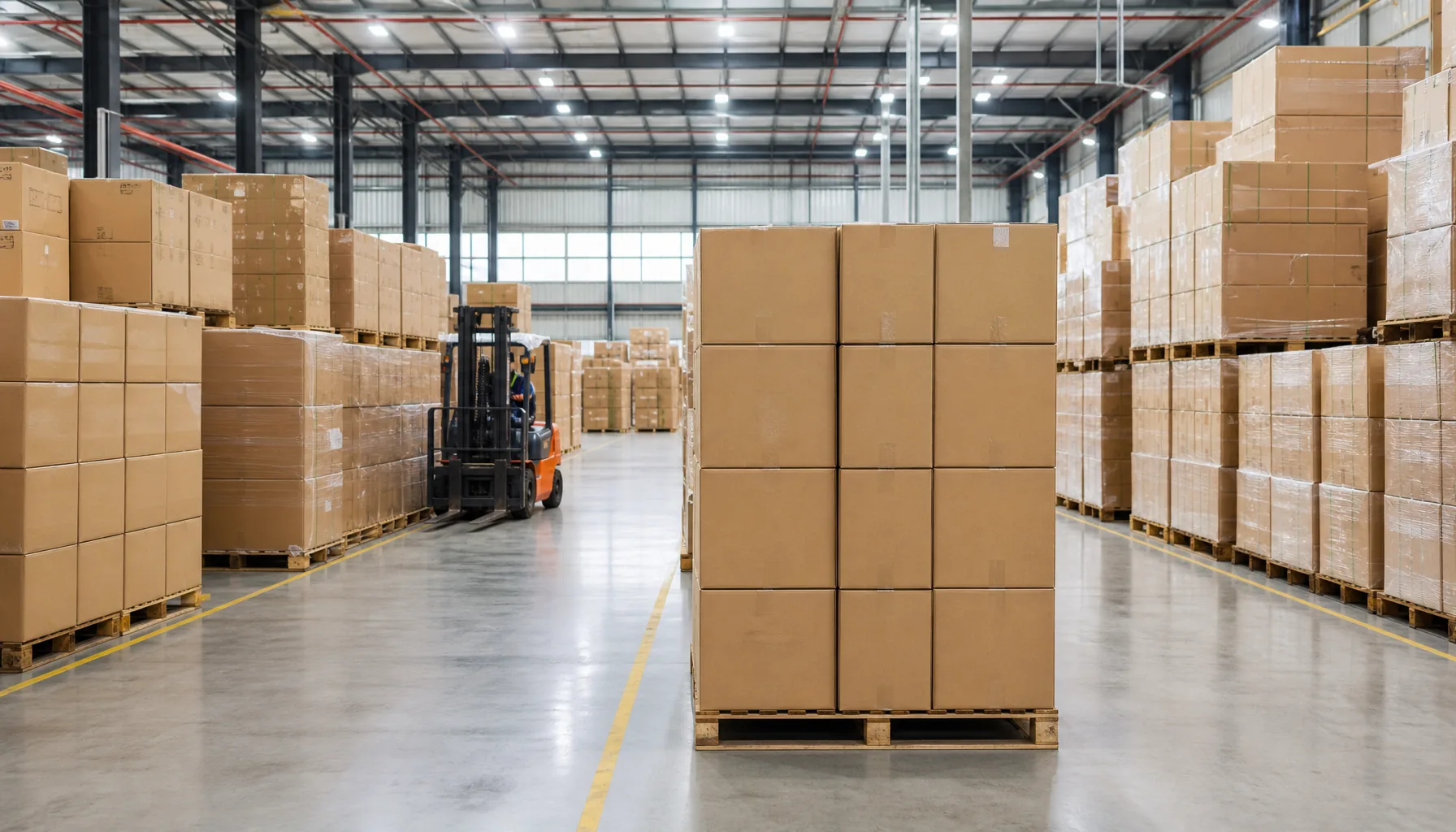
For a Shopify umbrella store, fulfillment is not just a shipping decision; it shapes margin, delivery promises, and how much seasonal demand you can absorb without stockouts or dead inventory. We see the tradeoffs from the factory floor every day: self-ship gives control, 3PLs add reach, marketplace FBA can simplify operations, and factory dropship can protect cash flow if product flow and quality checks are disciplined. The right model depends on volume, lead times, and how much variability your business can tolerate.
The fulfillment options at a glance
For a Shopify umbrella store, the first split is not branding, it is where inventory physically sits. Self-ship gives you full control: you buy cartons of 21" to 30" umbrellas, receive them in-house, inspect them, and pack each order yourself. That works if you sell low volume or want to bundle variants like manual, auto-open, and auto-open-close without paying storage fees, but it burns labor fast once daily orders climb. Umbrellas are bulky compared with their ticket price, so pick-and-pack cost matters more than it does for T-shirts or mugs. The real tradeoff is cash flow versus control: stock gives better margin and faster dispatch, but you carry the risk of slow-moving colors, rib counts, and canopy materials such as 190T pongee, POE, or PVC.
Umbrella ecommerce fulfillment through a 3PL is usually the middle ground. A good umbrella 3PL can receive palletized stock, do carton labeling, and ship the next day on domestic orders, which is a cleaner setup than trying to warehouse everything in your office. This model fits sellers who want decent delivery speed without building a warehouse team, but it still depends on forecasting and replenishment discipline. Marketplace fulfillment, such as FBA, is strongest when you are selling on Amazon or similar channels and can absorb their storage and prep rules. It is less forgiving on oversize umbrellas, vented double-canopy golf models, and set-heavy promotions because inbound prep, long-term storage, and return handling can erode margin quickly. For a catalog with mixed sizes and mechanisms, umbrella marketplace fulfillment is operationally strict but predictable.
Factory dropship sits on the other end of umbrella dropship vs stock: you hold little or no inventory and the factory ships orders directly to the customer. That reduces upfront cash tied up in cartons, but it only works if your supplier can keep color, print, and packing accuracy tight. In practice, dropship is best for simple SKUs with stable specs, not for highly customized runs or seasonal rushes with tight SLA expectations. A factory can support this model, but lead times still matter: a plain white label order might ship in days, while custom print, coated canopies, or mixed freight cartons can take longer. For a Shopify umbrella store, the cleanest decision rule is simple: self-ship for control, 3PL for scale, marketplace fulfillment for platform-driven volume, and dropship when you want to test demand before committing to inventory.
Cost and speed tradeoffs
A Shopify umbrella store usually gives you better control over margin, but the per-order economics are only better if you already have enough volume to keep inventory moving. When you stock umbrellas yourself, your landed cost is the real number to watch: canopy, frame, printing, carton, inbound freight, and the pick-and-pack fee all stack up fast. For a standard 23" auto-open style, the difference between carrying 500 units in-house and pushing the same order through umbrella marketplace fulfillment can be several dollars per order once storage, cartonization, and marketplace commissions are included. The upside is that you can protect gross margin by buying in bulk, especially on repeat SKUs like 8K fiberglass pongee 190T models. The downside is cash tied up in inventory and the risk of dead stock when color, handle style, or print placement changes.
Speed is where umbrella dropship vs stock becomes easy to see. Dropship and marketplace fulfillment are convenient for testing demand, but they usually add 2 to 5 days of handling before the carrier even scans the parcel, and that is before cross-dock delays or stockout substitutions. If the buyer expects 2 to 4 day delivery, you need inventory already staged in a domestic warehouse or with an umbrella 3PL that can pick same day. That matters more for event-driven purchases, because rain spikes do not wait for your replenishment cycle. In practice, stock-based fulfillment wins for repeat customers and branded programs, while dropship is mainly a demand-validation tool. A Shopify umbrella store can support both, but once daily order volume is predictable, the stock model usually beats marketplace fulfillment on both shipping speed and customer satisfaction.
The tradeoff is not just cost versus speed; it is also control versus complexity. With umbrella ecommerce fulfillment, you can set stricter rules on carton size, insert cards, and bundle logic, which matters when you sell 21" compact umbrellas alongside 27" golf umbrellas and do not want dimensional weight to blow up shipping cost. Marketplace systems simplify checkout, but they often force you into standardized packaging and slower SLA windows, which hurts conversion on urgent orders. If you run your own warehouse or use a dedicated umbrella 3PL, you can tune inventory by SKU velocity, hold safety stock on best sellers, and keep AQL 2.5 checks on outbound lots instead of trusting whatever the marketplace last touched. That is usually the point where stock-based fulfillment starts to outperform dropship: not because it is cheaper on paper for every order, but because it gives you fewer missed deliveries and less margin leakage over time.
Seasonality and inventory risk
For a Shopify umbrella store, the core inventory risk is simple: demand is lumpy, and it moves with weather, not with your planning calendar. A cold front, a rainy week, or the first spring storm can turn a slow SKU into a stockout in 48 hours. If you hold stock yourself or through an umbrella 3PL, you can respond faster because the goods are already in-market, but you also carry the cost when the forecast is wrong. That cost is not just warehouse rent. It includes tied-up cash, obsolete graphics for promotional runs, size/color mismatches, and the damage from sitting on bulky cartons for months when you could have sold the same space to a higher-turn item.
Umbrella marketplace fulfillment shifts some of that burden onto the platform, but it does not remove it. Marketplaces can absorb sudden order spikes better than a small standalone operation because their fulfillment network is already dense, and they reward sellers who keep inventory close to buyers. The tradeoff is that you lose control over replenishment timing and often pay higher picking, storage, and penalty fees if your inventory planning is off. In umbrella ecommerce fulfillment, the big mistake is assuming marketplace demand will smooth out seasonality. It usually does the opposite: it concentrates the spike because customers compare delivery speed and buy from the listing that can ship immediately. If your stock is thin, you get pushed down the ranking fast.
The umbrella dropship vs stock decision comes down to which risk you want to own. Dropship lowers off-season carrying cost because you are not financing cartons of 21-inch compact umbrellas through the summer, but you pay with longer lead times, weaker quality control, and less control over stockouts during peak rain periods. Stocking inventory, whether in-house or through an umbrella 3PL, costs more up front but gives you better fill rates and faster conversion when weather triggers demand. ZheBrella’s practical approach is to separate evergreen SKUs from seasonal or printed programs: keep a small buffer of proven models in stock, then run custom runs and slower colors on order. That reduces dead inventory without making the store helpless when the first storm week hits.
Control, branding, and returns
A Shopify umbrella store gives you real control over the unboxing sequence, which matters more than people admit. With stock in hand, you can specify the hangtag, polybag, insert card, tissue wrap, and carton labeling so the first touch looks like your brand instead of a generic supplier. That matters for umbrellas because the product is long, awkward to pack, and easy to damage if the carton is oversized or the canopy is folded badly. In umbrella ecommerce fulfillment, a clean packing spec is not cosmetic; it reduces bent tips, scuffed handles, and wet-return complaints. In our factory work, the best results come when the merchant controls the insert sheet, barcode placement, and carton drop test standard before the first shipment leaves.
Dropshipping is where umbrella dropship vs stock becomes a practical decision, not a theory. Dropship can lower cash tied up in inventory, but it usually limits branding to whatever the supplier can print and pack at speed, and that often means bland packaging, inconsistent inserts, and less room for SKU-specific protection. If the seller is using umbrella marketplace fulfillment, the platform may also dictate carton sizes, labeling rules, and return routing, which cuts into brand control further. For a Shopify umbrella store, stock-on-hand lets you build a repeatable packing SOP for 21" compact models, 23" auto-open styles, and larger 30" golf umbrellas without changing the customer experience every time the order source changes.
Returns are where the difference becomes expensive. Umbrellas are small-ticket items with bulky shipping dimensions, so one wrong return address or one failed inspection can erase the margin on several orders. With umbrella ecommerce fulfillment under your own system, you can decide whether returns go back to a local 3PL for inspection, restocking, or liquidation, and you can separate cosmetic issues from true mechanical failures like broken ribs, failed auto-open springs, or canopy tears. A dropship setup usually pushes that burden back to the supplier or the platform, which slows refunds and makes defect analysis weak. ZheBrella’s standard practice on stocked programs is to inspect returned units by failure mode, because without that data you cannot fix packaging, frame quality, or closure defects in a meaningful way.
Matching model to stage
For a startup running a Shopify umbrella store, the right default is usually umbrella dropship vs stock only if the supplier can ship consistently and you can tolerate thin margins. In practice, marketplace fulfillment is easier to test with 21" auto-open rain umbrellas, black 190T pongee, and one or two colors, because the inventory risk is low and the product spec is simple. If you start with too many SKUs, you will get stuck on canopy color, handle style, and minimums before you have any real demand data. The real question is not whether dropship is fashionable; it is whether you can sell enough units to justify buying stock, or whether you should let a supplier handle umbrella ecommerce fulfillment until your conversion rate, return rate, and repeat order rate are stable.
Once a brand starts selling steady volume, stock beats pure dropship almost every time. A scaling umbrella brand should move its best sellers into an umbrella 3PL or a small regional warehouse, because lead time matters more than the theoretical flexibility of having no inventory. This is where you lock in your core specs: 23" and 27" frames, fiberglass ribs instead of cheap steel, auto-open-close mechanisms, and maybe a vented double-canopy for windproof positioning. With stock in hand, you can control AQL 2.5 inspections, avoid surprise substitutions, and keep shipping promises tight enough for retail and corporate buyers who care about delivery windows more than a low unit price.
My rule is simple: use marketplace fulfillment to validate demand, then switch to stocked fulfillment once you know the winning SKU mix. For a Shopify umbrella store, that usually means testing 3 to 5 SKUs first, then financing a small batch run after you see which sizes, coatings, and handle types actually move. ZheBrella’s standard practice is to treat this as a staged buying problem, not a branding exercise: start lean on MOQ, then move into FOB or DDP terms only after the reorder cadence is predictable. If the product is still changing every month, keep it light; if the product is stable and repeatable, stock plus a 3PL is the cleaner model and usually the cheaper one per shipped umbrella.
Frequently Asked Questions
Is factory dropshipping a good model for umbrellas?
It removes inventory risk and works for testing designs, but you give up branded packaging control, returns are harder, and per-unit shipping from overseas is slow and costly. Most growing umbrella brands move to a domestic 3PL or marketplace fulfillment once volume is proven.
Should I use a 3PL or marketplace fulfillment for umbrellas?
Marketplace fulfillment (like FBA) gives fast delivery and platform visibility but charges storage fees that bite in the off-season. A 3PL offers more branding and channel flexibility. Many sellers use both — marketplace for the marketplace channel, a 3PL for their own store.
How does seasonality affect umbrella fulfillment costs?
Umbrellas usually need higher pre-season inventory because demand can spike 3 to 5x during rainy months or regional storm periods. If you rely on air shipping or rush replenishment, landed cost can rise 15% to 30% versus planned ocean freight and scheduled restocks.
When does factory dropship make more sense than 3PL for umbrellas?
Factory dropship is usually better when you are testing designs, running low-volume online sales, or selling many colorways with a small monthly demand. A 3PL becomes more efficient once you have stable velocity, typically when each SKU is moving enough to justify local warehousing and faster domestic delivery.
What minimum order structure works best for umbrella sellers using mixed fulfillment?
A common setup is to stock the top 20% of SKUs that drive most sales and dropship the long-tail designs. For OEM programs, many factories will quote lower MOQs for standard panel colors or existing frames, while custom canopy or handle changes usually require higher runs and longer lead times.
Looking to Launch Your Custom Umbrella Line?
ZheBrella is a Zhejiang-based OEM/ODM umbrella manufacturer with 17 years of export experience. Free design, low MOQ from 100 pieces, windproof construction, full-color print.
Get Free Quote Now »People Also Search For
Related Articles
Custom Umbrellas for Luxury Retail and Store Concierge
Source umbrellas for luxury retail concierge and store lending programs with premium materials, tighter QC, and specs th...
Read More »
Custom Umbrella Programs for Retail Pharmacy Chains
Build pharmacy umbrella assortments for rainy-day retail, loyalty gifts, and staff use with fabric, UPF, MOQ, packaging,...
Read More »
Branded Umbrellas for Outdoor Retail and Curbside Pickup
Specify staff and customer umbrellas for curbside pickup, garden centers, and outdoor retail teams with durable frames, ...
Read More »