Square, Pagoda, and Novelty Umbrella Shapes: A Sourcing Guide
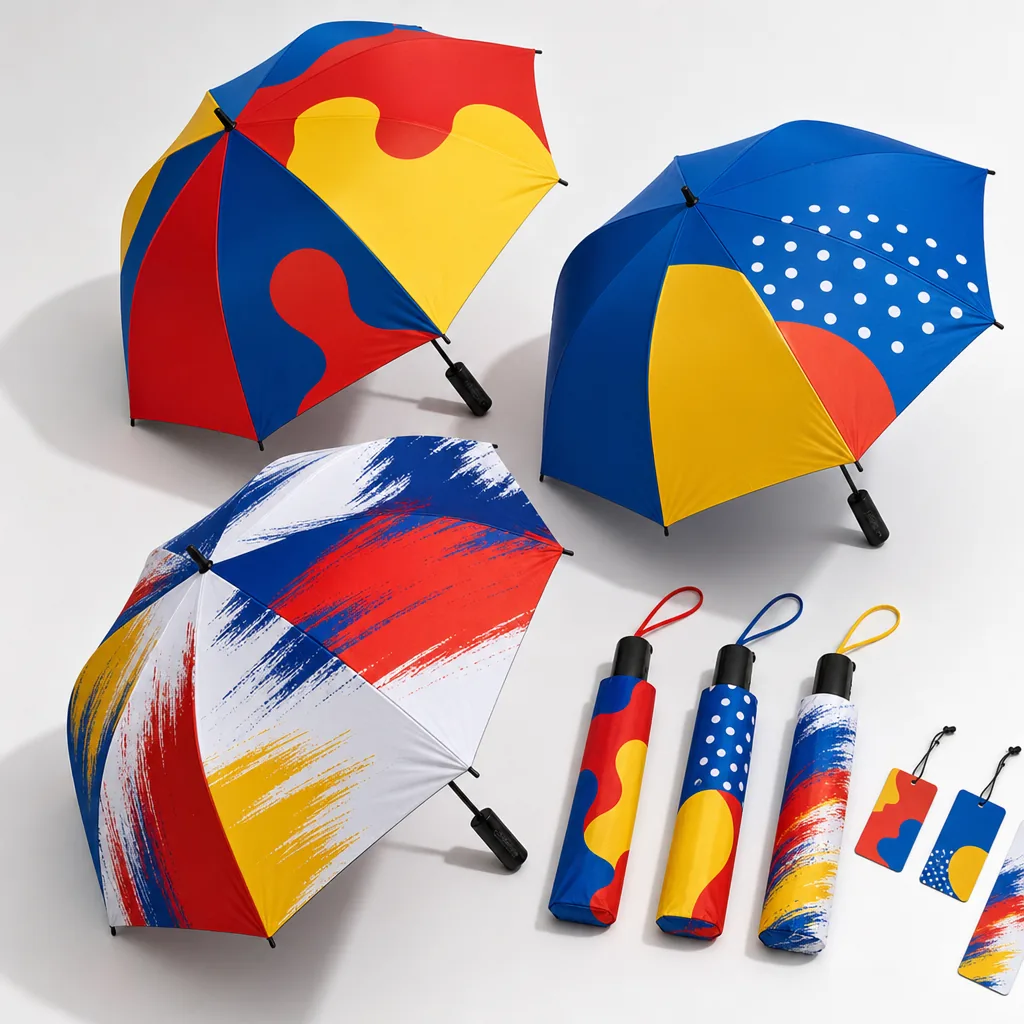
If you are sourcing a square umbrella, the real issue is not just shape but how that shape behaves in cutting, sewing, frame alignment, and wind testing on the production line. Square, pagoda, and other novelty canopies can deliver strong branding, but only if the pattern, ribs, and reinforcement are engineered to keep panels flat, tension even, and margins consistent at scale. The difference shows up fast in sample approval, yield, and field performance.
Why shape is a branding lever
Shape is the first thing a buyer sees from 20 feet away, which is why a square umbrella can outperform a round one in retail display, event photo ops, and branded giveaways. The silhouette creates a hard edge against the crowd, so the logo area reads faster and the product looks intentionally designed instead of generic. That matters when the canopy is printed with dense artwork, because straight panels and corners create a different visual rhythm than a standard 8K or 16K frame. In practice, unusual outlines also help the umbrella stand out on a table, in a rack, or in a social post where most umbrellas blend together. For sourcing, that attention is not cosmetic. It changes how the canopy is cut, how the ribs carry load, and how the seam tension behaves under wind and repeated opening cycles.
A pagoda umbrella is useful when the brand wants a more premium, architectural look without moving into fully experimental construction. The curved profile gives the canopy a taller presence, which makes the product photograph better and gives more room for edge binding, trim color, or contrast piping. By comparison, novelty umbrella shapes are more about recognition than utility: hearts, petals, hex forms, and other custom shaped umbrella concepts can make a product instantly identifiable, but they usually require more development time and tighter pattern control. From the factory side, the main issue is not whether the shape looks good in a render. It is whether the panel geometry can be sewn consistently, whether the canopy tension stays even, and whether the frame still survives real use instead of only looking good in a sample photo.
Buyers should treat shape as a branding lever, but also as a tooling decision with cost and lead-time consequences. A square umbrella or other custom shaped umbrella usually needs dedicated patterns, adjusted rib lengths, and more careful AQL 2.5 inspection because small sewing errors become obvious at the corners and edges. Standard materials still apply: pongee 190T or 210T, fiberglass ribs for wind resistance, and optional UV or Teflon coatings when the brief needs extra performance. Our standard practice is to confirm the frame type, panel count, and print method before quoting, because a shape change can affect MOQ, sample time, and FOB or DDP pricing more than the decoration itself. If the goal is retail differentiation, the silhouette has to be engineered as part of the product, not added as an afterthought.
Square and rectangular canopies
A square umbrella is easier to control on the press than a round dome because the panel edges give you straight registration lines. On a 21" or 23" folding frame, the square geometry usually means four main corners plus intermediate ribs that have to be set to a true right angle, so the runner, stretcher, and top spring need tighter tolerances than a standard 8K stick umbrella. If the frame is sloppy, the canopy bags out at the corners and the print looks crooked even when the artwork is correct. Our standard practice is to check symmetry at the open position and again under light wind load, because square and rectangular canopies expose any imbalance immediately.
Flat edges are where the print value comes from. A rectangular umbrella gives you long uninterrupted logo bands, cleaner repeat patterns, and fewer distortions around the seam than a pagoda umbrella or a deeply curved fashion shape. That matters for retail branding, sports sponsorship, and event use, where a logo must read from 10 to 20 meters away. Screen print works well on 190T or 210T pongee, while heat-transfer and sublimation are better when the artwork wraps across multiple panels. If the edge break is sharp and consistent, you can place text, borders, or QR codes without fighting the taper that you get on a conventional round canopy.
The tradeoff is build complexity. A custom shaped umbrella with a square or near-square canopy needs better fabric cutting, more careful seam control, and usually reinforced corner patches because the stress concentrates there first. Fiberglass ribs handle flex better than steel on larger 27" or 30" frames, especially if you want a double-canopy vented windproof structure with UPF 50+ coating and Teflon water repellency. For buyers, the real question is not whether the shape looks different, but whether the factory can hold panel alignment across the full lot at AQL 2.5. When the geometry is right, the shape is not just decorative; it becomes a better billboard and a more predictable product in production.
Pagoda and scalloped styles
Pagoda and scalloped profiles are chosen for presentation, not maximum storm performance. The tight, angular roofline of a pagoda umbrella and the softer dipped edge of a scalloped canopy both read well in photos, on stage, and at formal events where a standard dome looks too ordinary. In factory terms, these are usually built from pongee 190T or 210T with a shaped panel layout, and the cutting pattern matters more than people expect: if the hem allowance is off by even a few millimeters, the silhouette looks lazy when opened. Our standard practice at ZheBrella is to pair these styles with fiberglass ribs for cleaner spring-back, since decorative canopies still need to open evenly and hold their outline.
A square umbrella is the most common request when buyers want something that feels architectural without going fully experimental. The square outline gives better visual spacing for prints, table setups, and branded event shots, while a pagoda umbrella pushes the same idea into a more formal, fashion-forward shape. For retail or promotional use, I would treat these as custom shaped umbrella projects, not stock items: the rib geometry, stretcher length, and canopy panel count all need to be matched from the start. If the frame is too light, the corners collapse and the edge sags; if it is too heavy, the piece stops feeling decorative and becomes awkward to carry.
For fashion collections and weddings, novelty umbrella shapes work best when the buyer is clear about the use case. A scalloped edge with a UV-coated pongee canopy can look refined in daylight, while a double-canopy vented version is better if the event is outdoors and wind exposure matters. Typical production choices include 21-inch or 23-inch frames for handheld styling, manual or auto-open mechanisms for cleaner packaging, and AQL 2.5 inspection on final goods. Lead time is usually 25 to 35 days after sample approval, depending on printing and frame complexity. If the order is for export, FOB and DDP terms need to be defined early because decorative shapes often have more packing waste and higher carton volume than a standard round umbrella.
Engineering challenges of odd shapes
The real problem with a square umbrella is not cutting the canopy, it is holding tension evenly after the first few openings. Round canopies naturally distribute stress around a center point; a square or pagoda umbrella pushes load into corners, seams, and tip points that see more movement every time the frame flexes. If you use standard pongee 190T with straight panel cuts, the corners bag out fast unless you add corner reinforcement patches, tighter seam allowance control, and a frame with matched arm geometry. On a custom shaped umbrella, the pattern has to be engineered around the rib layout first, not drawn as a graphics exercise and forced onto a normal frame later. Our standard practice is to prototype the panel set before print approval, because a 23-inch square umbrella that looks correct on a flat table can still twist at the ferrule once the canopy is tensioned.
Wind behavior gets worse as the silhouette gets more unconventional. A pagoda umbrella and other novelty umbrella shapes create sharp edges that catch gusts, and the load does not travel cleanly through the ribs the way it does on a vented round canopy. In testing, the weak points are usually the outer corner seams, the tip connectors, and the stretch direction of the fabric near the hem. If the buyer wants a windproof result, the frame needs fiberglass ribs, a double-canopy vented structure, or at least a reinforced runner and stretcher set; steel alone is too rigid in the wrong places and too unforgiving in a sudden gust. A square umbrella with no vent can still work for light promotional use, but once you move into outdoor retail or event use, you are paying for engineering rather than just print area.
Cost rises quickly because odd shapes break the economies of standard tooling, standard sewing, and standard packing. A regular 8K automatic-open umbrella can be built with familiar fixtures and predictable labor; a custom shaped umbrella often needs new cutting dies, special sewing templates, slower inspection, and more hand finishing at the corners. That means higher MOQ, longer lead time, and more scrap, especially when the canopy uses 210T pongee, UV coating, or a printed pattern that must match across non-standard panel geometry. In FOB terms, the frame cost is only part of the bill; packaging size, carton efficiency, and damage rate matter just as much because square umbrella boxes waste more space than round ones. For buyers, the practical question is whether the shape is part of the product identity or just decoration, because if the shape does not change the use case, it is usually expensive complexity without much return.
Choosing novelty shapes wisely
The fastest way to waste money on a novelty project is to treat every custom shaped umbrella the same. A square umbrella can work well for retail displays and brand activations because the flat edges print cleanly and stack efficiently, but the corners add load points that need better panel layout, stronger runner geometry, and usually fiberglass ribs instead of cheap steel if you want it to survive real wind. For most buyers, the right tradeoff is a 23" or 27" frame with 190T or 210T pongee, auto-open or manual-open depending on target price, and a canopy shape that uses standard sewing and cutting methods. If you push too far into novelty umbrella shapes, you start paying for special dies, longer sampling, and higher reject risk on AQL 2.5 checks, which matters more than the catalog photo once the shipment lands.
A pagoda umbrella is a good example of where form either adds value or becomes a liability. The curved edge looks premium, but it raises sewing complexity, slows canopy cutting, and can complicate packaging and carton cube, so the per-unit cost often climbs faster than people expect. Our standard practice is to separate visual impact from structural requirements: use a double-canopy vented windproof build, UV coating if the umbrella is outdoors, and only add POE, PVC, EVA, or specialty trims when the use case justifies it. If the brief is a promo giveaway, keep the frame simple and the decoration strong. If it is a retail item, budget for prototypes, lead time, and freight terms like FOB or DDP before approving the final square umbrella or any other novelty umbrella shapes, because the shape alone does not sell if the mechanism fails in use.
Frequently Asked Questions
Are square umbrellas practical?
Yes - a square canopy gives flat edges that suit bold rectangular graphics and can provide good coverage. They cost a bit more to engineer than round canopies and can behave differently in wind, so confirm samples before bulk.
What is a pagoda umbrella?
A pagoda umbrella has a tiered, scalloped, or peaked silhouette inspired by traditional parasols. It is mainly decorative - popular for weddings, events, and fashion - rather than a heavy-duty rain product.
What construction changes when an umbrella is made in a square or pagoda shape?
The canopy panel layout changes first, and the ribs, stretch points, and tension angles usually need to be adjusted to hold the shape cleanly. Compared with a standard round umbrella, these designs often require more sampling time and tighter sewing tolerances, especially around corners and peak points.
What MOQ is typical for custom shaped umbrella orders?
For OEM/ODM shaped umbrellas, MOQ often starts around 300 to 500 pieces per design, depending on fabric, handle, and printing complexity. If the order uses custom molds or specialty components, the MOQ can be higher.
Which buyer channels usually work best for novelty umbrella shapes?
Square and pagoda umbrellas tend to work well for premium retail, hotel, hospitality, and brand activation programs where presentation matters. Novelty shapes are usually better for short-run campaigns, gift programs, and display-driven retail because they stand out but may have narrower mass-market appeal.
Looking to Launch Your Custom Umbrella Line?
ZheBrella is a Zhejiang-based OEM/ODM umbrella manufacturer with 17 years of export experience. Free design, low MOQ from 100 pieces, windproof construction, full-color print.
Get Free Quote Now »People Also Search For
Related Articles

Best Stick Umbrella Specs for Retail and Corporate Buyers
Compare stick umbrella frames, canopies, handles, and QC checkpoints for retail, corporate gift, and uniformed service s...
Read More »
Retail Umbrella Collection Guide for Entry, Mid, and Premium
Build a retail umbrella line with clear entry, mid, and premium specs using frame materials, fabric grades, QC standards...
Read More »
Event Umbrella Buying Guide for Outdoor Promotions and VIPs
Choose the right umbrellas for festivals, sports days, and VIP kits with practical specs on windproof builds, print area...
Read More »