Store Display Packaging for Umbrellas: Specs Buyers Should Set
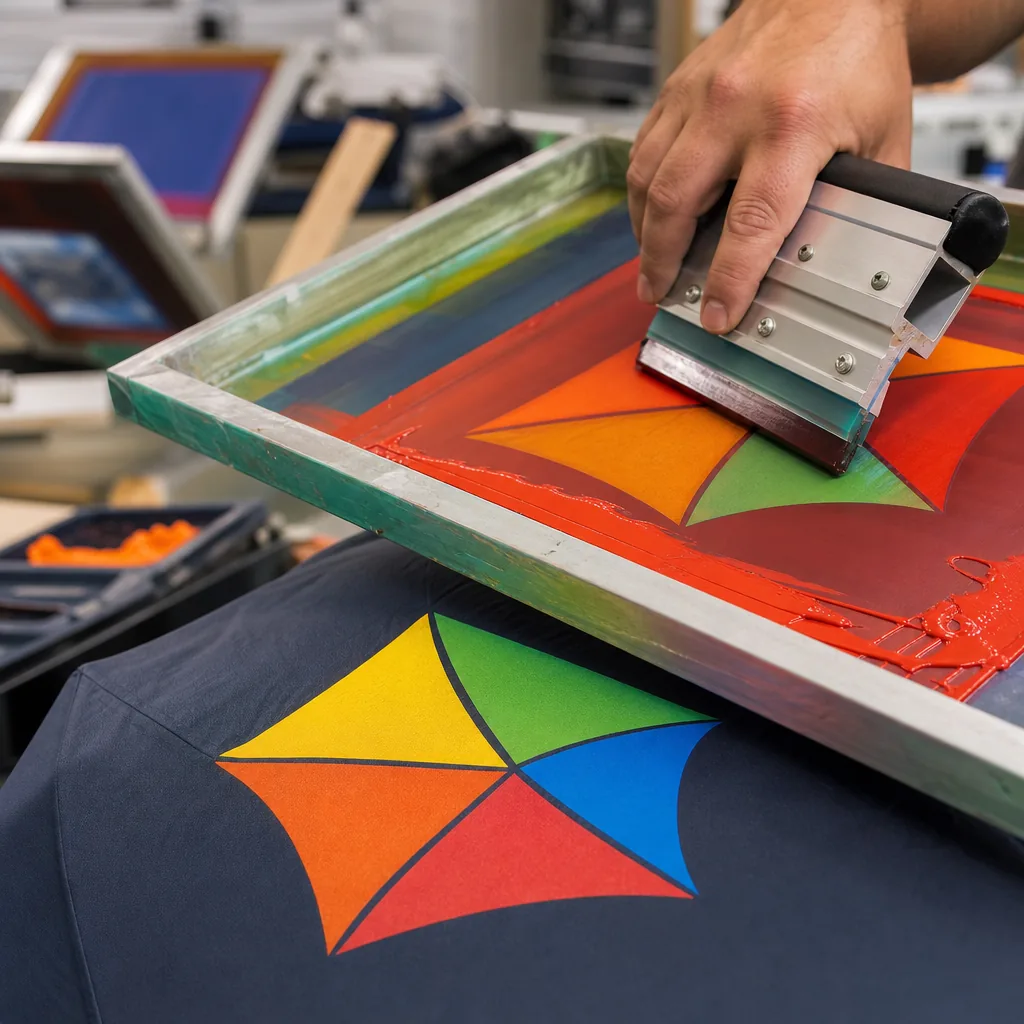
A retail umbrella launch can fail on the shelf long before customers judge the canopy, usually because the display pack was underspecified, hard to replenish, or too weak for mixed handling. On our factory floor in Shangyu, we see how small choices in tray depth, carton stacking, barcode placement, and inner counts affect damage rates and store setup time. Clear specs for umbrella store display packaging give buyers tighter control from packing line to retail aisle.
- 1. Define the Display Type by Store Format and Umbrella Size
- 2. Write Structural Specs That Support Weight and Refill Cycles
- 3. Set Pack-Out, Labeling, and Replenishment Rules Upfront
- 4. Protect Retail Presentation With Practical QC Standards
- 5. Plan Sampling, Production, and Shipping for Display Programs
Define the Display Type by Store Format and Umbrella Size
Select umbrella store display packaging from the packed product and the store fixture, not from a 3D rendering. A 21" or 23" 3-fold compact umbrella usually closes to 11–13" long and 1.5–2" in diameter, which fits a retail PDQ umbrella display, a branded counter display, or a shallow bin when each unit has a sleeve, hang tag, and front-facing UPC. A 27" or 30" stick umbrella closes at roughly 34–39" and needs a vertical floor shipper or deep bin that keeps tips down, handles separated, and canopies from leaning into the aisle. Before dielines, confirm whether the retailer will place the unit on a pallet position, endcap, power wing, counter, checkout lane, or standard shelf. The same display that works in a mass-merchant seasonal aisle can fail pharmacy or convenience chain store packaging requirements because of shelf height, aisle width, or barcode presentation limits.
Umbrella floor display specs should define structure and load path, not only printed panels. For stick umbrellas, call out cell height, divider count, bottom ballast or reinforcement, and ferrule protection so plastic or metal tips do not pierce the base during vibration and drop handling. A workable floor shipper uses a reinforced corrugated base, E-flute or B-flute display panels, a moisture-resistant bottom tray, and individual slots for 16–24 units, depending on canopy diameter, handle shape, and whether the umbrella uses fiberglass or steel ribs. Compact PDQ trays should keep handles visible and allow one-hand removal without dragging two units forward. Auto-open and auto-open-close models need button control: an elastic loop, paper belly band, or molded PET guard reduces accidental shaft release in the aisle. Set validation early: ISTA-style drop checks, AQL 2.5 visual inspection, scannable UPCs facing the shopper, and no loose exposed tips.
Match the format to how shoppers actually handle umbrellas. Clip strips work for ultra-light 5-fold or capsule umbrellas under about 250 g, but they are risky for heavier auto-open compacts because the hang hole can tear and the strip can bow. Bins suit low-cost manual compacts when the buyer accepts mixed colors and disorder; they are a poor choice for premium 210T pongee umbrellas with wood or rubberized handles because abrasion appears after repeated handling. Counter displays need tighter capacity control than floor units because checkout staff will not re-sort colors during traffic peaks. Prototype umbrella store display packaging with filled product, not empty cartons, then test hand access, push-button safety, barcode visibility, color blocking, and tip orientation. The right format reduces store labor and claim risk: it stands straight, protects the canopy and handle, and lets shoppers compare sizes without damaging the assortment.
Write Structural Specs That Support Weight and Refill Cycles
Set umbrella store display packaging by loaded weight first, then pocket count. A 21-inch steel-frame compact umbrella typically weighs 280–360 g; a 30-inch golf umbrella with fiberglass ribs, EVA handle, sleeve, and double canopy can run 650–900 g. On a 36-unit display, that shifts static load from about 12 kg to over 30 kg before shoppers pull units sideways or refill stock unevenly. Write separate umbrella floor display specs for compact, stick, and golf programs. A branded counter display may hold 6–12 compact units, or 12–18 on a larger counter PDQ, but a 27-inch or 30-inch golf umbrella floor display should usually stay at 12–24 pockets with wider spacing, deeper wells, and a lower center of gravity.
Convert chain store packaging requirements into measurable board and pocket specs. Light 190T pongee manual compacts can often use B-flute or E-flute when the display ships inside a master carton, but steel-shaft stick umbrellas and heavier golf models usually need BC-flute double-wall corrugate, reinforced side panels, and a die-cut base insert. Double-canopy vented umbrellas and 16K rib products create vertical load plus outward pressure, so reinforce pocket lips, side walls, and corner seams, not just printed faces. The drawing should state corrugate grade, ECT or burst value, pocket count, pocket width and depth, maximum loaded weight, and whether the retail PDQ umbrella display ships flat-packed or pre-assembled.
Specify assembly around refill cycles, not only first-fill presentation. Lock tabs reduce unit cost and setup time, but a 4–8 week refillable floor program may need interlocking trays, glued load-bearing seams, a heavier base tray, or a bottom ballast zone. Quote metal or plastic clips for premium golf umbrella displays where 10K or 16K fiberglass frames, large J-handles, or double canopies create uneven pull force. Validate the sample with full loading, side-to-side shake, and five refill cycles removing and replacing 20% of units; inspect torn pockets, leaning panels, and base spread. ZheBrella also lists packed display weight, refill-cycle assumption, and drop-test plan because POE dome umbrellas, PVC canopies, wet-look finishes, and oversized promotional golf models can fail an empty-display review.
Set Pack-Out, Labeling, and Replenishment Rules Upfront
Set pack-out rules before artwork or display dielines are approved. For umbrella store display packaging, define inner-pack count by SKU, color, size, and sleeve status—not just master-carton quantity. A workable chain-retail baseline is 6 or 12 pieces per inner carton for 21-inch compact auto-open-close umbrellas, and 4 to 6 pieces for 27-inch golf umbrellas with fiberglass ribs, where folded length, handle diameter, and canopy bulk increase carton cube. If the floor display holds 48 units, do not ship 50 to chase freight efficiency; one inner carton should refill one shelf tier, one color block, or one side of a four-way display. Assortment planning must follow the store task: an inner of 4 black, 4 navy, 2 red, and 2 print units supports clean replenishment, while random mixed-color cartons create uneven facings and slow-moving leftovers within two weeks.
Build barcode placement and carton marks into the umbrella floor display specs. On sleeved 21-inch compact umbrellas, place the UPC/EAN on the sleeve spine or hangtag face that remains visible when loaded into a retail PDQ umbrella display. For sleeveless umbrellas, use a belly band or durable wrist-strap hangtag; avoid canopy-applied labels because fabric flex and handling reduce scan reliability. Master cartons should carry chain store packaging requirements on two adjacent panels: item number, color ratio, PO number, inner quantity, total quantity, gross and net weight, carton size, country of origin, and display ID when the carton feeds a specific floor stand. Two-side marking reduces receiving errors because warehouse teams rarely stack cartons with the intended face exposed. If the retailer requires GS1-128, SSCC, or retailer-specific routing labels, lock the location before pre-shipment inspection so AQL 2.5 checks can verify both product and packaging execution.
Replenishment speed depends on folded size, sleeve fit, and display partitioning. A 21-inch three-fold umbrella in 190T pongee with a slim sleeve drops quickly into a counter tray; a 23-inch reverse-fold model or 30-inch golf umbrella with an EVA handle needs wider cells and more hand placement. Tight sleeves slow rainy-day restocks, while no sleeve lets the canopy flare and makes a branded counter display look shopped-out after light handling. Define the refill method in the vendor spec: stores either refill from overstock master cartons, receive pre-packed display refills, or open inners built to match one selling zone. The best umbrella store display packaging supports receiving, barcode scanning, shelf filling, and surge replenishment—not just the pre-production photo. Tie these rules to MOQ, FOB or DDP terms, and the approved lead time in days so the factory, forwarder, and retailer measure the same pack-out standard.
Protect Retail Presentation With Practical QC Standards
Treat umbrella store display packaging as a retail fixture, not a shipper. Inspect assembled PDQ trays, branded counter display units, and floor displays against the approved dieline: print registration, slot alignment, header position, and barcode placement. A 2 mm artwork shift may pass on an outer carton, but on a 24- or 36-slot display it makes the brand block look visibly misaligned. Check color under D65 light, barcode scan readability, varnish or film coverage, and cracking on fold lines after assembly. For corrugated displays, record edge crush as a structural defect, not a cosmetic note; crushed front lips, soft dividers, and bowed side panels lower shelf appeal and reduce product retention. Use AQL 2.5 for packed goods, with separate defect codes for visual print faults, structural failures, and labeling or barcode errors.
Fit should be verified with production umbrellas, not empty tubes. A retail PDQ umbrella display must hold sleeved or hang-tagged units straight without forcing staff to bend pockets or crush dividers during loading. Set tolerances for folded length, folded diameter, sleeve thickness, and slot width, especially for mixed assortments that combine 21-inch folding umbrellas, 23-inch stick umbrellas, auto-open frames, and auto-open-close handles. For scuff resistance, test the actual print finish: rub a dry cotton cloth across the logo panel, then rub again with a sleeve-wrapped umbrella handle, ferrule, or plastic crook handle. Gloss lamination, matte film, and aqueous coating wear differently when metal tips, woven polyester sleeves, and molded handles contact the display during replenishment.
Loaded stability is the critical pass/fail item in umbrella floor display specs for chain store packaging requirements. Test 36-piece and 48-piece displays at full load, half load, and uneven load because shoppers do not remove product symmetrically. The unit should not tip when the front row is empty, when one side holds heavier 27-inch golf umbrellas, or when a customer pulls one umbrella at an angle. Add a simple handling test to approval samples: assemble, load, move 5 meters, lift and set down 10 times, then remove and replace umbrellas for 50 cycles. This exposes weak locking tabs, loose headers, collapsing dividers, print scuffs, and pockets that loosen after repeated customer handling. Transport tests still matter, but display-use testing protects the selling floor.
Plan Sampling, Production, and Shipping for Display Programs
Lock the approval path into the PO before you commit a store date for umbrella store display packaging. The sequence should be non-negotiable: dieline approval, white sample, printed pre-production sample, loaded transit sample with actual umbrellas, and a final production sample pulled from the live line. Each gate removes a different risk. The white sample confirms footprint, cell pitch, divider geometry, and header-card fit before print money is spent. The printed sample checks artwork position, retail barcodes, color breaks, and scannability. The loaded transit sample is the real stress test: it proves the display survives full pack weight, handling, and master-carton compression with the exact umbrella count. That is where failures usually surface—23-inch straight umbrellas lean because cells are too wide, auto-open handles catch on divider cuts, or a retail PDQ umbrella display loses top-panel stiffness when packed with 12 to 24 units. If new corrugated tooling is required, allow 7 to 12 days for die-board production and first-cut verification; if the structure uses an existing carton style and only new print plates, sampling moves faster. Freeze artwork, umbrella count, unit weight, and replenishment method before the first white sample, because those four inputs drive fit, strength, and freight cost.
Run umbrella production in parallel with display development, not after outer-pack approval. Typical umbrella lead time is 35 to 50 days for repeat styles and 45 to 60 days for custom builds. A 190T pongee, auto-open, 8K straight umbrella with a 1-color screen print usually runs faster than a 210T pongee auto-open-close folding style with heat-transfer panels and custom hangtags. If your umbrella floor display specs call for mixed color assortments, unit-level retail barcodes, or a branded counter display with header cards, add 3 to 7 days for packing-line setup, scan checks, and packout verification. Approve the loaded transit sample 25 to 30 days before mass packing so there is still time to correct base strength, header retention, or master-carton fit without missing vessel cut-off. Under FOB Ningbo or Shanghai, build the calendar from factory lead time through consolidation, booking, port cut-off, ocean transit, customs clearance, and delivery to retailer DCs. Under DDP, the supplier or forwarder manages more of the move, but chain store packaging requirements still create schedule risk through carton audits, labeling checks, and delivery appointments. For rollout planning, backward-schedule 75 to 100 days for ocean moves and 30 to 45 days for air-supported launches, and book AQL 2.5 inspection before final payment and before the shipping window closes.
Frequently Asked Questions
What should buyers test before approving an umbrella display unit?
They should test loaded weight, stability, and transit durability with actual product inside. A display that looks fine empty can fail once heavier umbrellas or larger handles are packed.
Do compact and golf umbrellas need different display engineering?
Yes. Golf umbrellas typically need stronger corrugate, deeper pockets, and lower unit counts because of their length and frame weight, while compact umbrellas allow denser pack-out and smaller footprints.
What specs should buyers confirm before approving an umbrella floor display?
Confirm display footprint, loaded weight, umbrella count per tier, header size, carton packing method, pallet quantity, and retailer barcode placement. For chain stores, also check if the display must pass an ISTA transit test or a retailer-specific drop test.
How should umbrellas be packed to reduce damage in PDQ or floor displays?
Use individual polybags or fabric sleeves, divider inserts for metal tips and handles, and a reinforced outer shipper if the display ships pre-loaded. Long umbrellas often need bottom support or tip guards to prevent puncturing during ocean freight and store handling.
What is a practical MOQ for custom branded umbrella display packaging?
For custom printed PDQ trays or counter displays, MOQ is usually 500–1,000 units depending on size and print method. Floor displays often start around 300–500 units, but the umbrella order quantity must match the display pack-out, such as 12, 24, or 48 umbrellas per display.
Looking to Launch Your Custom Umbrella Line?
ZheBrella is a Zhejiang-based OEM/ODM umbrella manufacturer with 17 years of export experience. Free design, low MOQ from 100 pieces, windproof construction, full-color print.
Get Free Quote Now »People Also Search For
Related Articles

Retail-Ready Umbrella Programs for Chain Stores and Importers
Build retail-ready umbrella programs with the right packaging, labeling, compliance, and carton planning for chain store...
Read More »How to Spec Retail Gift-Set Cartons for Branded Umbrellas
Create retail gift-set carton specs for branded umbrellas with barcode, transit, MOQ, and freight details that help buye...
Read More »
How to Build Retail Multipacks for Branded Umbrella Lines
Plan umbrella multipacks for retail with the right pack count, assortment logic, carton specs, MOQ, and QC steps to supp...
Read More »