How to Build Retail Multipacks for Branded Umbrella Lines
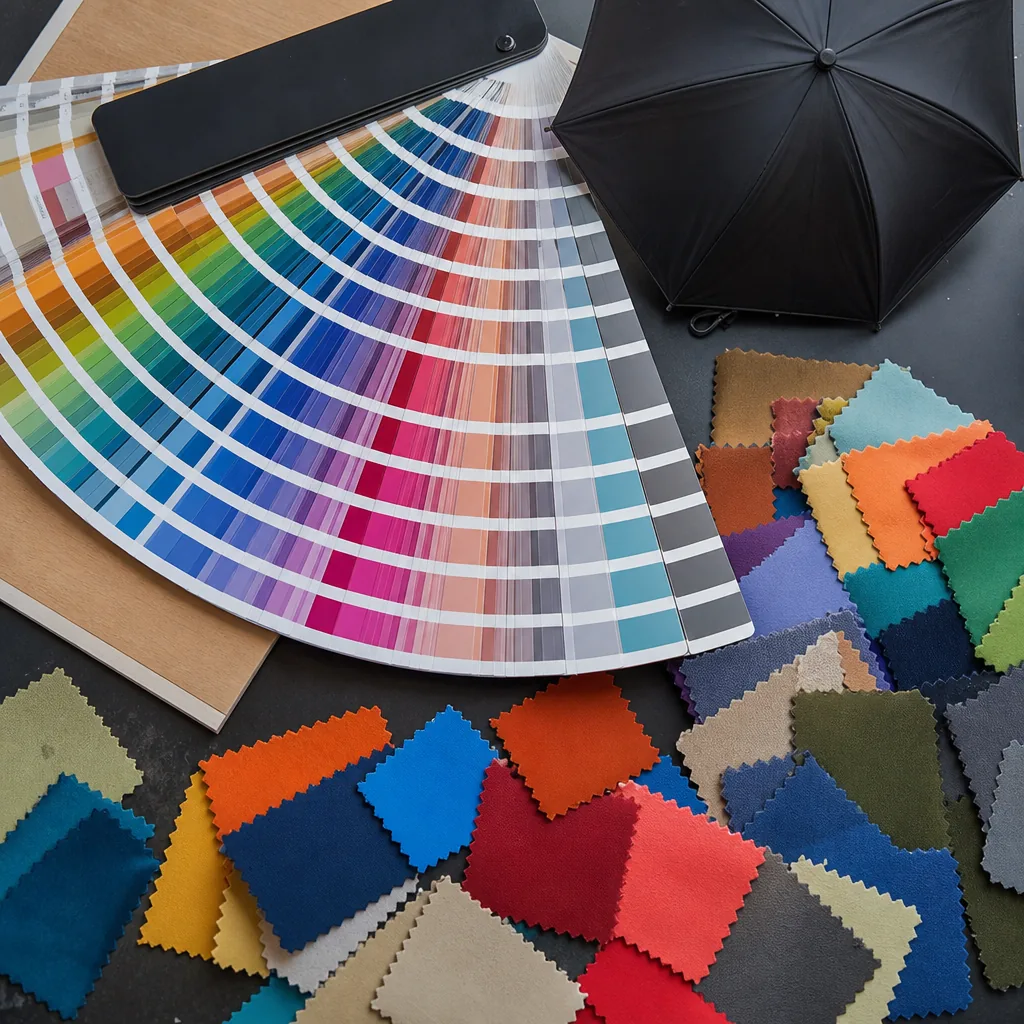
Retail buyers planning retail umbrella multipacks have to balance shelf presentation, carton efficiency, MOQ pressure, and assortment logic without creating stock imbalances or damage in transit. On our Songxia production lines, pack performance usually comes down to a few factory-floor details buyers can’t see in a sample—canopy fold consistency, handle orientation, inner pack counts, and how QC controls mixed-color cartons before sealing.
When Multipacks Make Sense for Umbrella Branding
Retail umbrella multipacks make the most sense in channels where shoppers expect a price-per-unit value cue and can grasp the bundle logic in seconds. Club retail is the cleanest example: a two-pack of 23-inch auto-open stick umbrellas or a three-pack of 21-inch folding umbrellas gives buyers an immediate cost comparison while leaving room for better construction, such as fiberglass ribs instead of all-steel frames. Travel retail can work too, but only when the set matches a defined trip scenario—for example, a 21-inch manual folding umbrella paired with a lightweight POE dome umbrella for arrival-day rain. If the use case is not obvious in about three seconds on shelf or in a marketplace thumbnail, the pack looks like leftover assortment packing rather than a planned line. The strongest branded umbrella sets group by function, size, or occasion; random model mixing usually raises piece count without improving sell-through or perceived value.
Seasonal promotions and online marketplaces are usually the next best fit, but the pack architecture should change by channel. For spring, back-to-school, or holiday campaigns, family sets work when the size ladder tells a clear story: one 27-inch golf umbrella with double-canopy venting rated above 50 mph plus two 21-inch compact umbrellas in matching prints is easier to merchandise than three identical units in different colors. Online, retail umbrella multipacks sell better when one listing shows coordinated colorways, matching handle details, and consistent print placement across 190T or 210T pongee canopies before checkout. Multipacks also give brands more room for storytelling than a single sleeve or hanger card. A boxed two-pack or three-pack can organize workday, school-run, and travel use cases while simplifying MOQ planning through shared frames, handle molds, and 8K rib structures. For chain store packaging, confirm pack-out, inner carton count, and barcode placement before sample approval; replenishment errors usually start with the outer carton configuration, not the umbrella.
Choose the Right Product Mix Inside the Pack
The product mix in retail umbrella multipacks should show a value ladder in one glance. The clearest pairing is a 21" or 23" compact for bag carry with a 27" or 30" stick umbrella for wider coverage and stronger shelf presence. Another practical combination is a rain-only model paired with a sun-rain version using UV-treated fabric rated UPF 50+, so the upgrade is functional, not just visual. If durability is the selling point, build the set around an entry model with a steel shaft and steel ribs versus an upgraded fiberglass-rib windproof model that holds shape in 50+ mph internal wind tests. That contrast gives each umbrella a distinct use case and helps the buyer raise ticket price without adding extra SKUs. It also makes branded umbrella sets easier for store staff to explain in one line, whether on shelf talkers or ecommerce bullets.
Specs need to support that story without overcomplicating production. An opening-price unit can use 190T pongee, manual open or standard auto-open, and an 8K frame to control cost and support high-volume MOQ planning. The upgrade should add one or two visible steps: 210T pongee, auto-open-close on the compact, a vented double canopy, or a 16K frame that reads more giftable and fashion-led. A workable good-better-best assortment packing structure is: good, 21" 8K compact with steel ribs and 190T pongee; better, 23" auto-open stick with 210T pongee and UV or Teflon finish; best, compact or stick with fiberglass ribs, a vented windproof canopy, and upgraded handle trim. For chain store packaging, keep the spec jump clean instead of changing fabric, frame, mechanism, and silhouette all at once. That simplifies carton planning, barcode setup, and damage control, and it helps protect stable FOB pricing when handles, frames, and canopy colors are shared back to MOQ planning.
Packaging Structure, Pack Count, and Shelf Footprint
Choose the structure for retail umbrella multipacks from the shelf backward, then validate it against freight and replenishment costs. Window cartons work best for 2-pack and 3-pack assortment packing when the buyer needs instant color visibility, but the film window needs a heavier paperboard grade once pack weight reaches roughly 1.2-1.8 kg; otherwise the front panel can bow in transit or on peg display. A typical 3-pack built around straight-handle 23-inch auto-open umbrellas measures about 86 x 18 x 6 cm, while a 2-pack closed gift-style carton for 21-inch folding umbrellas is closer to 34 x 24 x 7 cm. Closed gift cartons protect 190T or 210T pongee canopies better than window packs because printed panels and darker fabrics are not rubbing against acetate during inland transport. Shrink-bundled formats are usually the lowest-cost option for club and value channels, but they expose handle misalignment, provide limited protection against ferrule and tip scuffing, and create more variation in shelf presentation. Tell the writer to compare window cartons, closed cartons, and shrink bundles on unit cost, usable print area, transit protection, barcode placement, and shelf-readiness, not appearance alone.
Pack count should follow price point, pack weight, and handling geometry. For chain store packaging, branded umbrella sets in 2-pack and 3-pack formats are usually the safest choice because staff can lift, face, and replenish them with one hand; 4-pack formats fit compact telescopic models better than full-length 27-inch or 30-inch stick umbrellas. Handle placement drives cube efficiency: offset handles head-to-toe wherever possible, since stacking crook handles in one direction can add 25-40 mm of pack thickness and reduce master-carton yield from 12 retail units to 8 or 10. That loss directly affects MOQ planning by creating uneven inner-pack counts, more partial-carton labor, and higher FOB cost. Put the main UPC or EAN on the largest flat panel, clear of folds, end flaps, and window seams, and reserve a side panel for ITF-14 or retailer logistics labels. To protect shelf footprint, keep a 3-pack of stick umbrellas under about 200 mm deep where possible; oversized EVA grips, curved wood handles, 16K fashion frames, and 30-inch golf shafts can push carton length beyond 900 mm, reduce pallet stability, and waste cube. If the retail umbrella multipacks combine models, size the carton to the longest shaft and widest handle, and require AQL 2.5 drop and compression checks before artwork sign-off.
MOQ, Assortment Ratios, and Supply Chain Planning
For retail umbrella multipacks, MOQ is the combined minimum across the frame, canopy fabric, printing, and the final assortment ratio—not a single factory number. A supplier may quote 1,200 pcs for a 23-inch auto-open umbrella with 190T pongee and fiberglass ribs, but that MOQ changes once the order becomes a 3-pack split across four colors. The limiting factor is usually whether each color can still run efficiently through canopy cutting and sewing. In most cases, mixed-color assortment packing works best when each color holds at least 250 to 300 pcs per canopy panel set; below that level, fabric utilization falls, sewing changeovers increase, and unit cost climbs quickly. Mixed-style branded umbrella sets create a tighter production constraint. If one set combines a 21-inch manual umbrella with a 23-inch auto-open-close model, the frame parts, spring components, and assembly stations differ, so hourly output will not match across both lines. That imbalance matters because a shortage in one SKU can stop final kitting for the entire retail umbrella multipacks order, even when the other style is finished and packed.
Ratio planning should follow sell-through and replenishment risk, not an even color split. A 1:1:1:1 presentation may look clean, but stores often reorder black and navy ahead of red or pastel shades, so a 4:3:3:2 ratio usually replenishes more cleanly and reduces stranded slow colors. The same logic applies to style mixes: an 8K compact folding umbrella and a 16K straight umbrella should not be packed equally unless POS data supports equal demand, because carton cube, retail price, and replacement rates are different. Lock the pack-out before bulk production—for example, 12 multipacks per master carton, with each multipack holding 3 umbrellas in a fixed ratio—and approve barcode position, color ID labels, and carton marks at pre-production. For chain store packaging, FOB or DDP quotes should separate the added labor for banding 2-pack or 3-pack units, inserting color cards, applying suffocation warnings, scanning UPC or EAN labels, and sorting retailer-specific carton marks. On mixed-style packs, final assortment often happens after AQL 2.5 inspection, so keeping 2% to 3% buffer stock by color or style helps preserve the approved ratio after rejects. Buyers should also plan for lead times to move from a standard 35 to 45 days to roughly 40 to 55 days when manual kitting, labeling complexity, and destination sorting are included.
Inspection Standards for Multipack Accuracy
Most failures in retail umbrella multipacks start at collation, not at the frame line, so the packing station needs in-line QC instead of end-of-carton correction. If the approved assortment packing mix is 2 black, 2 navy, and 2 prints, inspectors should verify that exact ratio every 50-100 packs against the BOM and a sealed golden sample before the master carton is closed. Each audit should confirm SKU, umbrella size, handle style, canopy color, and pack count, because one wrong 21 inch unit in a 23 inch program can break a retailer planogram and lead to DC rejection. Barcode control should be treated the same way: the UPC on the insert card, the inner pack label, and the master carton shipping mark must match the PO and packing list with no exceptions. For branded umbrella sets sold through chain store packaging, that three-point barcode match is a release gate tied directly to chargeback risk, not a clerical check.
Apply AQL 2.5 at final random inspection, but sample against both umbrella performance and retail pack integrity. Inspectors should open selected retail umbrella multipacks to verify insert accuracy, country-of-origin marking, care text, promo copy placement, and color consistency under controlled lighting, especially on 190T or 210T pongee where black and deep navy dye lots can drift, and on POE, PVC, or EVA canopies where haze, scratches, and seam marks show easily under store lights. FRI should also include function checks for manual, auto-open, and auto-open-close units: open smoothly, lock positively, and close without rib distortion, tip damage, or packing-related stress. Finish with carton verification by confirming master carton quantity, carton-to-pack count, carton weight range, and outer carton barcode, then spot-check the insert set and assortment mix inside the case pack. That last gate confirms the shipment is shelf-ready: correct labeling, clean graphics, and no crushed headers, cracked windows, loose bands, or compression damage from stacking, strapping, or container loading.
Frequently Asked Questions
Are multipacks practical for premium umbrellas, or only value retail?
They can work for both, but the structure changes. Value multipacks often use simple carton or shrink formats, while premium sets usually need cleaner inserts, tighter color coordination, and stronger outer packaging to protect finish and presentation.
How do mixed umbrella styles inside one multipack affect lead time?
Lead time usually increases because each style may need separate material prep, printing approval, and balancing in final packing. The packaging stage also takes longer because workers must match the correct assortment ratio before sealing each retail unit.
What pack counts work best for chain-store umbrella programs?
For most chain retail programs, 2-pack and 3-pack consumer sets move best, while master case counts often stay at 24 or 36 sets for easier pallet planning. If the umbrellas are compact styles, some buyers also use 48-set master cartons to improve freight efficiency without making cartons too heavy.
How should MOQ be calculated when a multipack includes several colors?
MOQ should be split by canopy color, handle color, and packaging format, not just by total units. A common approach is one production MOQ per color, such as 300 to 500 units each, then combine those into a final 1,200 to 3,000 set order depending on the packing ratio.
What QC checkpoint matters most for assorted umbrella multipacks?
The most critical checkpoint is pre-carton assortment verification against the approved ratio, such as 2 black, 1 navy, and 1 red per inner case. Buyers should also require barcode scan checks and carton drop tests before shipment because assortment errors are expensive to fix after retail distribution.
Looking to Launch Your Custom Umbrella Line?
ZheBrella is a Zhejiang-based OEM/ODM umbrella manufacturer with 17 years of export experience. Free design, low MOQ from 100 pieces, windproof construction, full-color print.
Get Free Quote Now »People Also Search For
Related Articles
How to Build Retail Gift Packs Around Umbrella SKUs
Plan umbrella gift bundles with accessories, inserts, and pack-out rules that protect margins, simplify QC, and improve ...
Read More »
Umbrella Color Blocking Strategies for Private Label Lines
Build sharper private-label umbrella lines with practical color-blocking rules tied to panel layout, fabric specs, MOQ, ...
Read More »Store Display Packaging for Umbrellas: Specs Buyers Should Set
Define display specs, carton rules, and replenishment details for umbrella launches that need clean retail execution, lo...
Read More »