How to Build Retail Gift Packs Around Umbrella SKUs
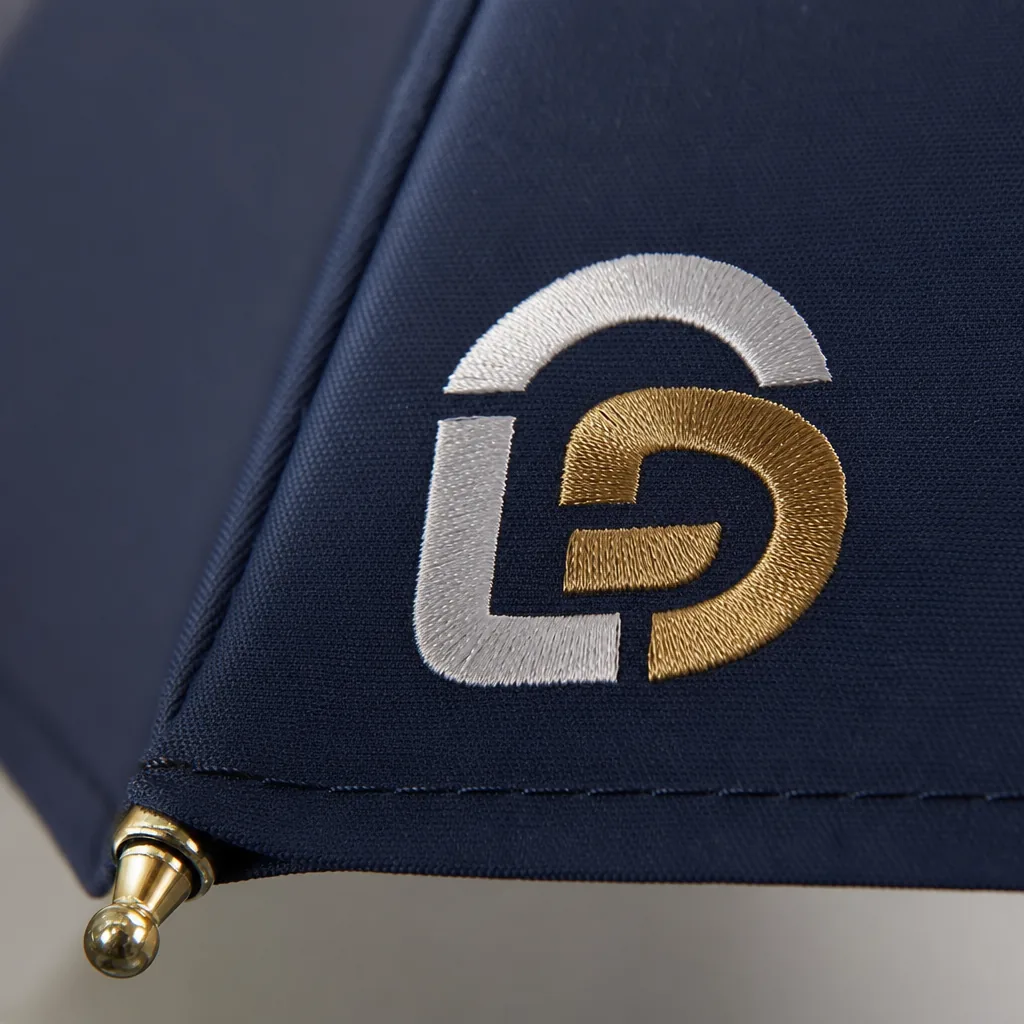
Retail gift packs can lift an umbrella SKU from a basic rain item to a higher-margin seasonal offer, but only if the bundle is engineered before production starts. On our factory floor in Shangyu, the problems usually appear in the pack-out: mismatched accessories, crushed inserts, slow QC, or cartons that waste space. Good umbrella gift pack assembly starts with clear component choices, margin controls, and packing rules that operators can repeat at line speed.
Choose Bundle Components That Fit the Umbrella Positioning
Match the add-on to the umbrella’s retail role, not to a generic “gift” idea. Compact 21" folding umbrellas work best with zip pouches, microfiber towels, card inserts, or small bottle sleeves because the pack must stay light enough for checkout aisles and e-commerce shipping. A 23" stick umbrella can support a shaped sleeve, hang tag, or rigid gift box because the longer profile already requires a dedicated carton. A 27" or 30" golf umbrella needs higher-value components—branded towel, divot tool card, drink bottle, or premium carry sleeve—because the freight cube and retail price are already higher. For UPF 50+ umbrellas, treat the item as sun protection: pair black UV coating, reflective heat-block fabric, or POE window panels with sunscreen reminder cards, neck gaiters, cooling towels, and care labels warning against sharp folds that can crack low-grade coatings. This keeps umbrella gift pack assembly tied to the product’s actual use case.
Separate retail umbrella gift sets from event merchandise before locking components. For a one-day sponsor giveaway, a 190T pongee canopy, one-color screen print, polybag, and basic sleeve may be enough; the buyer is paying for exposure, not long shelf life. Retail packs face scanning, shelf handling, returns, and customer comparison, so use barcode labels, English care cards, silica gel when moisture risk is high, and cartons that pass basic drop checks. Kitting umbrella accessories also affects umbrella MOQ planning: the umbrella body may start at 500 pcs per color, while custom towels, molded handles, printed boxes, or Pantone-matched sleeves can move the practical set MOQ to 1,000–3,000 pcs. Confirm the limiting component before quoting FOB or DDP, because the accessory often controls cost, lead time, and stock risk in branded retail bundles.
Engineer the Pack Around Size, Weight, and Protection
Design the tray from a tied production sample, not sleeve artwork or an early frame drawing. Measure folded length, maximum canopy girth, handle projection, and the highest point created by the strap, runner, ferrule, or coating build-up; then add handling clearance before tooling. A 21-inch 3-fold auto-open-close umbrella can vary sharply by frame: an 8K slim steel model may sit in a 55–65 mm tray channel, while a 10K fiberglass frame or double-canopy windproof build needs more diameter allowance because the roll springs back after compression. A 16K stick umbrella creates a rounder, denser rib stack and often needs an 85–100 mm cavity with side clearance so ribs do not press against the carton wall. For retail umbrella gift sets, these dimensions determine whether molded pulp, PET blister, E-flute corrugate, or a paperboard cradle with elastic bands will control movement without crushing the canopy. Do not approve the umbrella gift pack assembly until rib count, shaft material, folded length, and canopy fabric are locked.
Treat the handle as a load-bearing part of the pack, not decoration. Straight EVA grips and slim plastic crooks nest cleanly, but J-handles, rubberized golf grips, wooden crooks, and metallic premium handles create leverage when master cartons are stacked or dropped. If the insert restrains only the canopy roll, the handle can rotate, crack a tray, scuff printed board, or mark the sleeve during sea freight. Add a handle pocket, bridge support, or tie-down when the handle is around 80–100 g, especially on 27-inch and 30-inch golf umbrellas. Fiberglass shafts need protection even though they outperform steel ribs in wind resistance; a sharp insert edge can create scratches or hidden stress marks under point loading. Use a soft EVA pad, folded paper sleeve, or relieved notch around shaft and ferrule contact points. This small material cost lowers breakage risk in branded retail bundles and prevents premium handles from arriving with cosmetic defects.
Canopy bulk drives both shelf presentation and freight cost. A single-layer 190T pongee compact compresses tighter than a 210T pongee double-canopy vented windproof umbrella with Teflon water-repellent coating or UPF 50+ black glue backing. The second canopy, vent overlap, reinforced rib tips, and thick folds near the ferrule make the closed umbrella more oval than cylindrical, so the tray should support that shape instead of forcing it into a tight round cavity. When kitting umbrella accessories such as a sleeve, hangtag, microfiber towel, care card, or branded strap, place them in a shallow side pocket rather than wedging them beside the canopy. That keeps the fold clean after vibration and reduces pressure marks on coated fabric. For umbrella MOQ planning, freeze insert tooling only after the final frame and fabric are confirmed; a change from 8K to 16K or steel to fiberglass can shift packed volume, master carton count, FOB cost, and retail display fit.
Set Kitting SOPs for Accuracy and AQL 2.5 Inspection
Accuracy in umbrella gift pack assembly starts with a locked kitting map, not operator memory. The SOP should identify the saleable SKU by umbrella size and mechanism, such as 23-inch auto-open or 21-inch compact auto-open-close, plus canopy color, rib count, rib material, handle finish, sleeve type, hangtag, barcode label, instruction card, and each accessory: rain pouch, microfiber towel, tote bag, greeting card, or replacement tip. Count bundles twice: first during accessory pre-count, then at final pack-out before sealing the retail box. Use sealed accessory polybags with printed component codes for retail umbrella gift sets; loose items create most shortages. Barcode checks must match the retail unit, inner carton, and master carton, especially when similar 21-inch and 23-inch packs share box artwork. Set orientation standards by photo: logo facing up, handle aligned left or down per box die-line, hangtag visible, sleeve folded the same way, and accessory polybag placed in a fixed position.
AQL 2.5 inspection should treat the complete bundle as the inspection unit when multiple accessories ship with the umbrella. A passing umbrella with a missing branded pouch, backward gift card, unreadable barcode, or wrong insert still fails as a finished retail pack. Classify defects before production: critical defects include unsafe sharp rib ends, broken runner locks, wrong barcode, mold, or mixed customer branding. Major defects include missing accessories, incorrect canopy color, bent steel ribs, loose fiberglass tips, failed auto-open mechanism, smeared screen print, or carton assortment errors. Minor defects include light sleeve wrinkles, short thread ends, or slightly uneven sticker placement when shelf presentation remains acceptable. Packed-goods inspection should cover opening function, closing tension, canopy stitching, print position, accessory count, barcode readability, box condition, carton markings, gross weight tolerance, and photo records before goods move into export cartons for FOB or DDP release.
Carton assortment control needs a separate SOP line because mixed branded retail bundles can be packed correctly at unit level and still ship wrong by carton. If a master carton holds 12 units across black, navy, red, and yellow umbrellas, the packing sheet and outer label should state the exact ratio, such as 3/3/3/3, and inspectors should verify it by scan and physical count. For umbrella MOQ planning, reserve 1% to 3% extra accessories, printed inserts, barcode labels, and retail boxes; replacing a pouch during assembly is faster and cheaper than reopening sealed cartons. Replacement planning should also cover custom-print color variance, barcode relabeling, damaged gift boxes, and rework stock for shortages found under AQL 2.5. Final release should confirm carton count, assortment ratio, scan test, carton drop condition, and photo evidence so chain-store buyers receive the exact retail configuration ordered.
Model MOQ, Assembly Labor, and Lead-Time Tradeoffs
Model the MOQ from the tightest component, not from the umbrella alone. A 23-inch auto-open stick umbrella in 190T pongee may run efficiently at 600–1,200 pcs per color, while an EVA pouch, molded luggage tag, printed hang card, or color-matched gift box often needs 1,000–3,000 pcs to avoid a poor unit cost. For retail umbrella gift sets, build the MOQ table by frame, canopy fabric dye lot, logo print setup, accessory MOQ, inner carton count, master carton layout, and UPC or barcode version. A program with three canopy colors, two handle finishes, and four accessory mixes creates 24 control points for the factory, not one SKU. Each control point adds line changeovers, carton labels, packing instructions, and AQL 2.5 inspection pulls. Good umbrella MOQ planning starts with the final retail assortment matrix; cutting 12 variants to 4 can remove 5–10 days of sampling, label approval, and pre-production coordination before mass production starts.
Accessory sourcing usually drives the calendar after the umbrella spec is locked. A standard 21-inch folding auto-open-close umbrella may need 25–35 days after deposit and artwork approval; a 27-inch vented golf umbrella with fiberglass ribs and custom printing may need 35–45 days. Kitting umbrella accessories adds supplier timelines for microfiber towels, POE sleeves, retail boxes, carabiners, hang tags, QR inserts, or small gift items. OEM factories manage this by freezing the umbrella BOM first, then setting a latest-arrival date for all third-party components, typically 7–10 days before final packing. Inbound accessories should be checked for color match, logo position, odor, packing quantity, and carton damage before release to the assembly area. If a pouch or insert fails inspection, finished umbrellas sit in WIP cartons while vessel cutoffs, FOB booking windows, or DDP delivery dates keep moving.
Run mixed bundles at origin when the kit needs matched branding, custom inserts, retail-ready cartons, fixed UPCs, desiccants, or a final packed weight tied to a retailer routing guide. Origin umbrella gift pack assembly lets the factory combine the umbrella, sleeve, accessory, label, inner pack, and master carton under one packing spec and one AQL plan before loading FOB Ningbo or Shanghai. Destination kitting fits programs with domestic accessories, uncertain sell-through, or late regional allocation; it also avoids paying ocean freight on bulky gift boxes that may not sell evenly. The cost and risk shift to local labor, repacking damage, and carton relabeling. Hand assembly in China may add 0.15–0.60 USD per unit depending on steps, while U.S. or EU kitting can be several times higher. Use origin assembly for fixed branded retail bundles above 1,000–2,000 sets; use destination assembly for test launches, seasonal swaps, or retailer-specific assortments that change after umbrella production starts.
Compare Shipping Terms for Pre-Kitted vs Destination-Kitted Orders
Use pre-kitted retail umbrella gift sets only when the selling unit remains cube-efficient and the retailer requires shelf-ready cartons. A compact 21" auto-open-close umbrella with sleeve, hangtag, warranty card, and flat printed insert can often hold at 24 sets per export carton with limited cube penalty. FOB Ningbo or Shanghai gives the buyer control over ocean freight, destination charges, and carrier selection, while the factory remains responsible for inner packing, carton marks, and loading condition to port. DDP shifts freight, duty, customs clearance, and final-mile delivery risk to the supplier, so inaccurate carton dimensions or vague product descriptions can wipe out quoted margin. For umbrella gift pack assembly, lock CBM only after the approved retail box, insert, and accessory layout are final. Rigid window boxes, molded trays, and separate accessory compartments typically add 25–60% cube versus the umbrella alone, a bigger cost driver than weight for LCL, air freight, and courier DDP shipments.
Fully assembled branded retail bundles carry higher inspection risk because one crushed premium box can make the whole set unsellable. The 190T pongee canopy and fiberglass ribs may still pass function checks, but the strap card, microfiber towel, printed sleeve, and gift carton can fail retail standards if the box collapses in transit. Bulk umbrellas in polybags tolerate compression better than a 23" double-canopy vented umbrella packed in a rigid magnetic box. For pre-kitted orders, require 5-ply export cartons, corner protection, pallet height limits, and agreed carton drop-test expectations before mass packing. Customs paperwork also needs more detail than a plain umbrella shipment. The commercial invoice should describe the full set and list material components: umbrella frame, textile canopy, plastic handle, pouch, gift box, and any accessory such as a rain poncho or keychain. Under DDP to the U.S. or EU, unclear component descriptions can delay clearance or invite duty classification questions.
Choose destination kitting when premium packaging is bulky or umbrella MOQ planning spans multiple colorways, UPCs, retailer inserts, or seasonal stickers. Ship umbrellas in dense bulk cartons, move flat gift boxes and paper inserts separately, then complete kitting umbrella accessories at a destination warehouse or 3PL. A loose-packed 27" golf umbrella may fit 24–36 pcs per carton; the same umbrella in a rigid retail box may drop to 8–12 pcs, often doubling freight per saleable set before local delivery. Destination kitting also reduces packaging obsolescence when retailers revise price labels, seasonal messages, or barcode rules after umbrella production starts. The trade-off is tighter process control: issue a kitting instruction sheet, run AQL 2.5 incoming checks, lock barcode matching, and quote labor per set. For high-volume club packs, event packs, and bulky retail umbrella gift sets, local assembly can beat FOB or DDP pre-kitting even after 3PL labor is added.
Frequently Asked Questions
Is it better to kit umbrella gift packs in China or in the destination market?
Origin kitting is usually better when presentation consistency matters and labor-intensive inserts are involved. Destination kitting can make sense when bulky packs drive freight costs too high or when local-language materials must be added late.
Can one factory manage both umbrellas and third-party gift accessories?
Yes, if the factory offers OEM/ODM coordination and clear inbound receiving procedures. Buyers should confirm accessory inspection, storage, and final pack-out controls before approving the program.
What accessories are most practical to include in a retail umbrella gift pack without driving shipping costs too high?
The most common add-ons are matching sleeves, microfiber pouches, carabiners, luggage tags, and small travel bottles. For export programs, buyers usually target accessories under 150 to 250 grams total pack weight to avoid pushing the carton into a higher freight bracket.
Should umbrella gift packs be assembled at the factory or at a local 3PL?
Factory assembly is usually more efficient when the pack includes printed inserts, barcode labeling, and fixed pack-out rules because QC can be done in one line. A local 3PL makes more sense when the bundle changes by retailer, market, or language and you need late-stage customization after import.
How should MOQ be planned when one umbrella SKU is used across multiple gift bundle versions?
Buyers typically split the program into the base umbrella MOQ and separate MOQs for boxes, inserts, and accessories. A practical approach is to keep one umbrella colorway in a larger run, then create 2 to 4 bundle versions with accessory components that can be ordered in smaller lots such as 500 to 1000 sets per design.
Looking to Launch Your Custom Umbrella Line?
ZheBrella is a Zhejiang-based OEM/ODM umbrella manufacturer with 17 years of export experience. Free design, low MOQ from 100 pieces, windproof construction, full-color print.
Get Free Quote Now »People Also Search For
Related Articles
Retail Gift-With-Purchase Umbrellas: Pack Design and Fulfillment
Build gift-with-purchase umbrella programs with the right specs, pack formats, MOQ, and QC steps to support retail promo...
Read More »
How to Build Retail Multipacks for Branded Umbrella Lines
Plan umbrella multipacks for retail with the right pack count, assortment logic, carton specs, MOQ, and QC steps to supp...
Read More »How to Build Premium Umbrella Gift Bundles for Client Programs
Learn how to structure umbrella gift bundles with the right specs, kitting workflow, and shipping terms for premium clie...
Read More »