Retail Gift-With-Purchase Umbrellas: Pack Design and Fulfillment
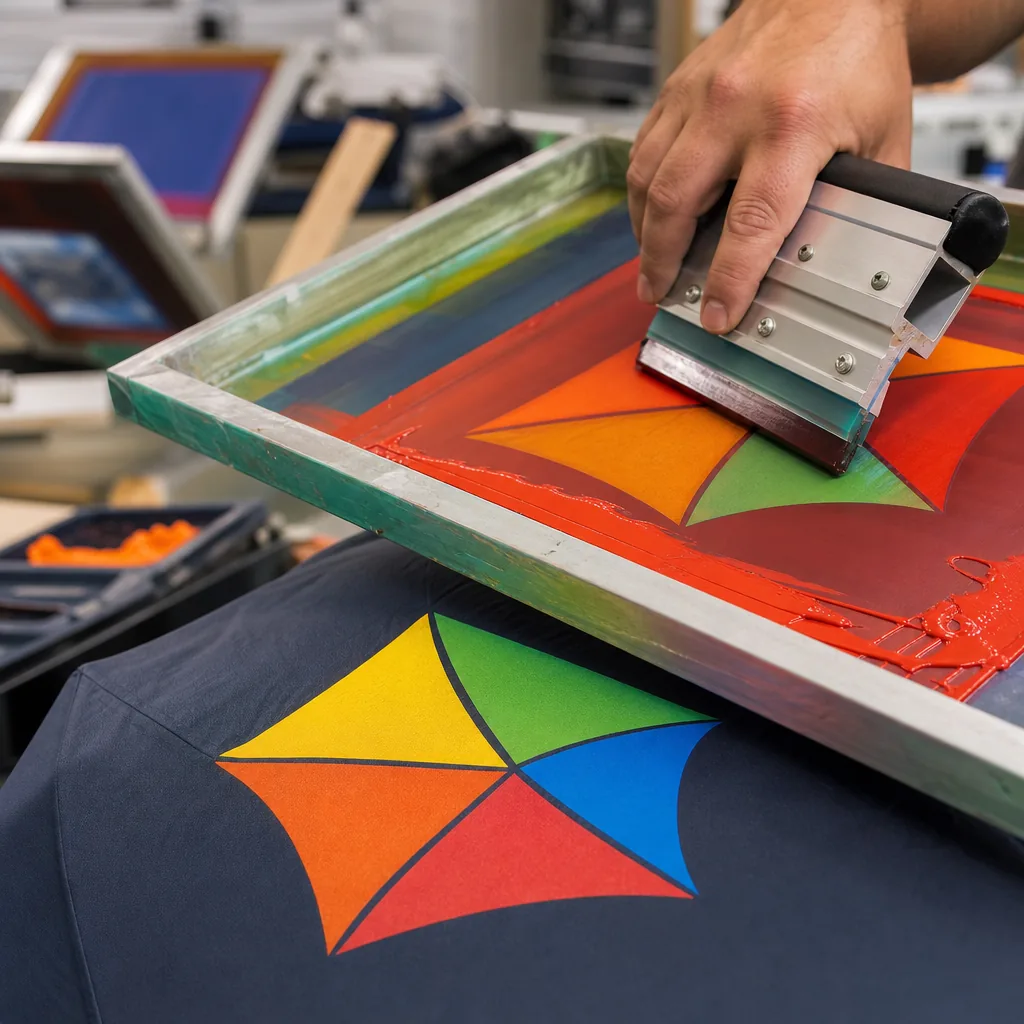
Retail promotions fail fast when the umbrella spec works on paper but breaks at pack-out, store allocation, or import delivery. For gift with purchase umbrellas, buyers usually need more than canopy color and logo placement; they need carton counts, inner-pack logic, handle protection, barcode control, and drop-test discipline matched to the promo timeline. On our Songxia factory floor, those details are what keep a GWP program moving from approval to export without costly repacks or short shipments.
Defining the Promotion Mechanics Before Production
Define the campaign mechanic before approving the frame, canopy, or print strike-off because that decision sets unit cost, pack format, and fulfillment risk. A threshold-gift program usually needs the broadest stock coverage at the lowest landed cost, so buyers often standardize on a 21-inch or 23-inch foldable with 8K ribs, auto-open, and 190T pongee. A seasonal bonus can justify a more visible format, such as a 27-inch straight umbrella or a clear POE dome, when in-store display matters more than unit volume. Loyalty rewards need a different plan: redemption windows run longer, forecasts should be more conservative, and carton labels should stay batch-clean for later replenishment. For gift with purchase umbrellas tied to a limited-edition purchase incentive, lock the qualifying SKU list and promo dates first. Late rule changes routinely create repacking, mixed-carton relabeling, or split shipments under FOB, and those same changes become materially more expensive if the program ships DDP.
Allocation usually breaks retail promotion umbrella packs before production quality does. Set the store count, channel split, and reserve-stock rule before booking capacity. If 300 stores need 24 units at launch, you already need 7,200 units before e-commerce allocation, influencer seeding, and a 3% to 5% reserve for damaged cartons, claims, or stronger-than-forecast stores. Then decide whether gift with purchase umbrellas should run as one SKU or a tiered assortment. One SKU is usually the lower-risk option for store-ready umbrella orders: better pick-pack accuracy, simpler carton markings, cleaner barcode mapping, and faster replenishment. Tiered assortments only make sense when the promotion rules require them, such as VIP members receiving a 10K fiberglass-and-steel vented model while standard threshold buyers receive an 8K steel-rib umbrella. Keep the promotional umbrella MOQ aligned to that choice. A custom foldable commonly starts at 500 to 1,000 pieces per colorway; each added canopy color or handle finish increases cutting loss, packing complexity, and assortment risk. For date-sensitive launches, a single master spec, fixed 12- or 24-unit cartons or single-piece sleeve packs for 3PL allocation, AQL 2.5 final inspection, and a 35- to 45-day lead time after sample approval remain the lowest-risk path.
Choosing Umbrella Specs for Perceived Value and Budget Control
Start with format, because it drives both unit economics and pack-out. A 21 inch or 23 inch 3-fold umbrella in 190T pongee usually lands below a 27 inch straight stick on FOB cost for simple reasons: shorter shaft, shorter ribs, less fabric, and a smaller export carton for branded umbrella fulfillment. That lower cube also matters after import. Folding styles move through DCs, back rooms, and parcel replenishment with less wasted space, which helps chain-wide programs stay lean. A 27 inch straight umbrella still wins on visual presence, especially with a hooked handle and full-length sleeve, but it takes more freight space and makes compact retail promotion umbrella packs harder to execute. For most gift with purchase umbrellas, the smarter spend is not a larger canopy; it is the details shoppers touch first. A smoother opening action, a cleaner handle finish, and fabric that does not feel thin will usually lift perceived value more than adding diameter that increases freight cost without a proportional gain in conversion.
Set the mechanism and frame to the promotion window and the claim on pack. Manual open is still the lowest-cost build, but a 27 inch straight or 23 inch folding umbrella with auto-open usually gives the best value lift per dollar in store-ready umbrella orders. Auto-open-close adds convenience, but it also adds springs, moving parts, and defect risk, especially when lead times are compressed. Frame material should follow expected use. Steel ribs are workable for short-term bonus-item programs; fiberglass ribs cost more but recover better in windy parking-lot use, and a steel shaft with fiberglass end ribs is often the best cost-performance balance. Fabric works the same way: 210T pongee feels denser and typically prints cleaner than 190T, while 190T remains a practical choice when artwork is simple and the FOB target is tight. Reserve UPF 50+ for outdoor, beauty, travel, golf, or summer-led offers where the benefit is stated on-pack. Use a double-canopy vented frame on 27 inch or 30 inch premium offers when windproof performance supports the retail story; for short checkout promos, both features can overbuild the item. Match the spec to the promise, then hold incoming and final inspection to AQL 2.5 so the promotional umbrella MOQ does not turn into avoidable returns.
Pack Formats That Work for In-Store and Backroom Handling
Pack format has more impact on damage rates than most buyers expect because the highest-risk stage starts after inbound receipt, when store teams move units from backroom cartons to POS or shelf. For gift with purchase umbrellas, the lowest-risk default is a sealed individual polybag with a scannable size and color label; it protects the canopy during store handling and also works for one-at-a-time handout at checkout or insertion into e-commerce parcels. Pack geometry is the next decision point. A 21-inch or 23-inch 8K folding umbrella with a straight plastic handle folds flatter and packs denser than a 16K model, so it uses less carton cube, takes less shelf frontage, and creates less backroom congestion in retail promotion umbrella packs. A 16K frame adds a thicker rib stack and a larger folded diameter, while a curved J-handle creates dead space in the master carton. That extra bulk increases rubbing at handle crowns and raises the risk of canopy scuffing, swing-tag damage, and shape deformation when reserve stock is pushed onto shallow shelving during replenishment.
Counter bundles work only when the umbrella is compact, clearly coded, and protected from abrasion during repeated handling. Elastic-tied bundles are a weak choice for auto-open-close styles because handling pressure can nick the canopy near the top notch and scratch matte handles before launch. A better pack-out is a sealed individual bag with a paper belly band or gift-enclosure band applied outside the bag, so branding stays visible while the canopy stays clean. That matters even more for POE, EVA, or PVC clear canopies, where surface marks show immediately under store lighting. For store-ready umbrella orders, use inner packs of 6 or 12 units inside a promo-coded carton printed with SKU, campaign code, store allocation, handle color, distribution region, carton count, gross weight, and opening direction. Those carton marks reduce sorting errors, speed cycle counts, and lower first-unit damage from staff cutting the wrong panel. If the buyer needs branded umbrella fulfillment with custom bands, printed polybags, and dedicated carton marks, a promotional umbrella MOQ of 1,000 to 3,000 pieces is usually the practical threshold; below that, plain protective bags with one-color carton labeling are typically the lower-cost, lower-risk option.
Quality Control Standards for Promotional Rollouts
Approve production before bulk cutting, not after. For gift with purchase umbrellas, bulk runs should start only when three controls match the signed pre-production sample: a print-position map with millimeter tolerances, a pack-out spec covering the insert, sleeve, hangtag, and master-carton assortment, and the approved frame and mechanism setup. On 21 in. and 23 in. straight umbrellas, a 5-8 mm logo shift is easy to see, especially on 190T pongee and clear POE canopies where registration errors read immediately at shelf level. Auto-open and auto-open-close samples also need repeated function testing before sign-off; a runner or spring that passes once can begin sticking after 20-30 open-close cycles. Lock the canopy fabric, coating, frame color, and packing materials at the same approval stage. Late substitutions are a direct cause of the retail-promo errors buyers reject most often: mixed labels, wrong assortments, and pack components that no longer match the approved sample.
Most failures in retail promotion umbrella packs happen during packing, not sewing, so carton control has to be exact. Store-ready umbrella orders typically require outer-carton marks to match the retailer file line by line: PO number, item code, color name, destination DC, country of origin, carton sequence, and barcode placement on the specified panel. Risk rises when similar SKUs run together, such as an 8K manual-open steel-rib style and a 10K fiberglass-rib auto-open style using the same canopy print. Count verification should happen twice: first at inner-pack level, then again at master-carton level against the packing list, with random carton rechecks before sealing. Before shipment, run a combined random inspection to AQL 2.5 across print, assembly, and packing. Focus on defects that disrupt branded umbrella fulfillment: uneven print placement, lifting heat-transfer edges, off-center sewn tips, mixed hangtags, and mechanisms that stick after repeated opening tests. For sleeved units or PDQ packs, confirm insertion direction, fold consistency, moisture protection, and final carton marks in the report. Promotional umbrella MOQ planning should also lock carton configuration early, because low MOQ with split assortments increases pack-error risk and relabeling cost under FOB or DDP terms.
Timeline, MOQ, and Logistics for Multi-Store Delivery
For a multi-store launch, the schedule starts with approvals, not sewing. Plan 3-5 days for digital mockups, 5-7 days for a blank fit sample if the pack format is new, and 7-10 more days for a branded pre-production sample with the approved canopy print, swing tag, belly band, or gift box. If gift with purchase umbrellas ship with cosmetics, apparel, or loyalty inserts, add 3-5 days for pack testing; live product loading often changes carton size and drop-test performance. To protect the retail floor date, freeze artwork, barcode files, and store-code data 35-45 days before launch. The biggest schedule risk is late logo or label edits, which compress inspection time and raise the odds of stitching defects, mixed assortments, and carton-marking errors that may not surface until stores begin receiving inventory.
Bulk timing is usually set by frame complexity and pack-out, not canopy color. A standard 21-inch or 23-inch 8K auto-open umbrella in 190T pongee, packed in a polybag with a paper wrap, typically runs 25-30 days after sample approval and deposit. Move to auto-open-close, fiberglass ribs, a vented double canopy, or retail promotion umbrella packs with insert cards and shelf-ready master cartons, and lead time usually extends to 35-45 days. MOQ also changes with decoration: about 300-500 pieces is often workable for a one-color screen print on stock fabric, while full-panel sublimation usually starts at 1,000 pieces per design because print registration and cutting setup are tighter. Freeze final pack-out 10-12 days before ex-factory so QA can inspect to AQL 2.5, including open-close function, carton marks, store codes, and destination counts.
Choose FOB when you already route freight through your own U.S. or EU distribution center and want control over consolidation, customs clearance, and regional allocation. Under FOB Ningbo or Shanghai, the factory delivers export-cleared cargo to port, and you can still rebalance inventory after sailing if demand shifts by region. DDP is the lower-risk option for branded umbrella fulfillment tied to a fixed launch date, especially when goods move direct to retail partners, 3PLs, or regional depots with compliant labels and booked delivery appointments. The tradeoff is earlier data lock: store-ready umbrella orders under DDP need accurate ship-to lists, receiving windows, pallet rules, and outer-carton specs about 12-15 days before vessel departure or air uplift. For campaigns covering 50-200 doors, pre-sorting cartons by store group at origin cuts chargeback risk and avoids destination rework that can derail a launch.
Frequently Asked Questions
What umbrella style usually works best for a gift-with-purchase program?
A 3-fold umbrella is often the easiest for retail because it packs smaller and lowers freight per unit. A straight auto-open umbrella can feel more premium, but it takes more shelf and carton space.
How far in advance should a retail promotion umbrella order be placed?
For custom production, many buyers should allow several weeks for samples plus bulk manufacturing and export booking. If custom packaging or store-specific carton assortments are required, add extra time for approval and final packing.
Can a gift-with-purchase umbrella order be packed by store or region before shipment?
Yes. Store-allocation packing is usually done from a final split list with SKU, quantity, and carton marks by destination. Most factories need the allocation file approved 5-7 days before packing starts, and there is usually an added kitting or sorting charge for mixed packouts.
What pack formats work best for retail umbrella promotions?
Common formats include one-piece polybag packs with barcode labels, printed sleeve packs, PDQ counter displays, and mixed master cartons for store distribution. For chain retail programs, buyers often standardize inner packs of 6-12 units and master cartons of 24-48 units to simplify replenishment and receiving.
What QC points matter most for store-ready umbrella orders?
The key checks are color and logo approval, barcode scan accuracy, pack count verification, drop-test carton integrity, and carton mark matching to the allocation sheet. For export promo programs, many buyers require an AQL inspection plus a final packing audit before container loading to catch assortment and labeling errors.
Looking to Launch Your Custom Umbrella Line?
ZheBrella is a Zhejiang-based OEM/ODM umbrella manufacturer with 17 years of export experience. Free design, low MOQ from 100 pieces, windproof construction, full-color print.
Get Free Quote Now »People Also Search For
Related Articles
Umbrella Gift-with-Purchase Packaging for Retail Campaigns
Design umbrella gift-with-purchase packaging that supports retail campaigns, protects units in transit, and keeps brandi...
Read More »
How to Build Retail Gift Packs Around Umbrella SKUs
Plan umbrella gift bundles with accessories, inserts, and pack-out rules that protect margins, simplify QC, and improve ...
Read More »Branded Umbrella Belly Bands for Retail and Gift Orders
Plan belly bands for branded umbrellas with sizing, paper stocks, print zones, barcode space, and factory checks for ret...
Read More »