Wedding Umbrellas for Event Planners: OEM Product Guide
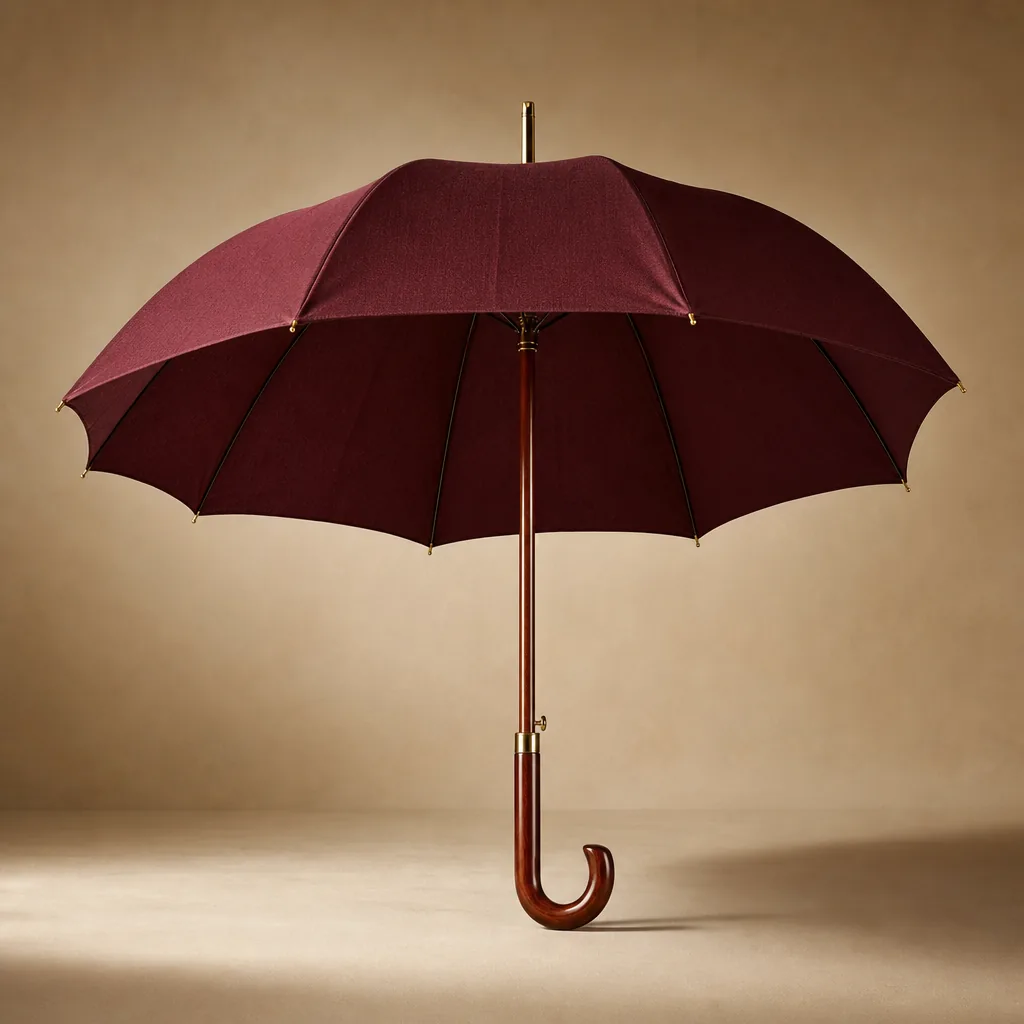
For event planners, a wedding umbrella is only successful if every piece looks clean in photos, opens smoothly on schedule, and survives wind across the venue. When buyers source wedding umbrellas wholesale, the real risks sit in fabric shade consistency, canopy diameter, rib strength, print registration, packing, MOQ, and lead time. On our Songxia factory floor, these details are checked before cutting and assembly because a late color mismatch or weak frame is expensive to fix after shipment.
Define the Wedding Use Case Before Selecting a Frame
The frame choice should start with who is holding the umbrella and how long it must look good on camera. Bridal photo umbrellas are not the same product as guest rain cover. For bridal portraits, I usually steer planners toward 25" or 27" straight umbrellas with 8K fiberglass ribs, a smooth manual-open runner, and a clean white 190T or 210T pongee canopy because the silhouette matters more than pocket size. Lace trim, pearlescent J-handle, transparent POE panels, or a soft ivory canopy can work, but the ribs must stay straight under side wind or the photo looks cheap. For custom bridal umbrellas, avoid ultra-light 21" folding frames unless the bride specifically wants a compact prop; the shaft flex and small arc make them less flattering beside a gown.
Guest coverage is a different calculation: quantity, handout speed, and carton volume matter more than premium finishing. For wedding umbrellas wholesale orders, the common sweet spot is a 21" or 23" 3-fold auto-open frame with 8K steel or fiberglass ribs, 190T pongee canopy, and a simple EVA or plastic handle. A 23" canopy gives noticeably better shoulder coverage for guests walking from parking to ceremony seating, but carton size and DDP freight rise fast when you move from 21" to 23" across 500–2,000 pieces. For bulk umbrellas for events, I would rather see a reliable auto-open mechanism with AQL 2.5 inspection than a decorative handle that cracks after two uses. White event umbrellas also need tighter fabric control; cheap white polyester can show rib shadows, oil marks, or color variation under venue lighting.
Outdoor ceremony shade pushes the specification closer to premium rain umbrellas, especially for beach, vineyard, or garden weddings where wind is the real enemy. A 25" or 27" straight umbrella with 10K fiberglass ribs, double-canopy venting, and UV coating rated UPF 50+ is more stable than a compact folding model, and it looks better in seating rows or beside ushers. If the umbrella is a giveaway after the event, simplify the build: 23" auto-open, one-color logo print, 190T pongee, and neutral handle color will control MOQ and lead time. OEM wedding umbrellas usually need 25–35 days after artwork approval for cut-and-sew plus screen printing, while rush programs only work if the planner accepts stock fabric, standard ribs, and limited imprint positions.
Choose Canopy Fabric, Color, and UV Protection
For white event umbrellas, I usually push planners toward 210T pongee when the budget allows, because the tighter yarn density gives a smoother, less grainy surface under daylight photography. 190T pongee is still serviceable for short-use bulk umbrellas for events, especially 23" auto-open or 27" golf styles, but on white and ivory panels it can show more texture and slight shade variation after cutting and sewing. 210T also takes screen printing and heat-transfer logos with cleaner edges, which matters when monograms, venue crests, or sponsor marks sit on a pale canopy. For wedding umbrellas wholesale programs, specify fabric weight, yarn quality, and water-repellent finish together; a cheap 210T with weak coating can bead worse than a properly finished 190T. Our standard practice at ZheBrella is to run a spray test after sewing, not just on flat fabric, because needle holes along the rib seams are where low-grade coatings fail first.
Silver coating, black coating, and UPF 50+ should be chosen by use case, not added blindly. Silver-coated undersides are practical for outdoor ceremonies, vineyard walkways, beach weddings, and summer queues because they reflect heat and help reach UPF 50+, but they can look slightly gray at the edges when the umbrella is photographed from below. Black coating gives stronger light blocking and a cleaner UPF story, but it changes the visual mood; I would not use it on custom bridal umbrellas unless the planner wants a fashion contrast or the canopy exterior stays pure white. For OEM wedding umbrellas in ivory, cream, blush, champagne, and pale blue, ask the factory to submit coated and uncoated lab dips under D65 daylight and warm indoor light. Pastels shift more than buyers expect once a UV or Teflon-style water-repellent finish is applied.
Colorfastness checks are non-negotiable on white, ivory, and pastel panels because wedding inventory often sits in cartons, then gets handled with wet hands, flowers, makeup, and black suits. I recommend testing rubbing fastness dry and wet, water spotting, and migration from binding tape, hook-and-loop straps, printed logos, and dark handles. On white event umbrellas, even a small dye bleed from black piping or a navy logo transfer can turn into a visible claim after rain. For wedding umbrellas wholesale orders, request a pre-production sample using the exact canopy lot, coating, print method, rib count, and packing method, then inspect under AQL 2.5 before shipment. If the order includes mixed shades—white, ivory, blush, and sage—pack colors separately with polybags and tissue barriers, especially for FOB export where cartons may sit in humid conditions for 30+ days.
Match Rib Count and Materials to Event Durability
For wedding umbrellas wholesale, rib count is not just a strength number; it changes the look in photos. An 8K frame has eight ribs, so the canopy panels are wider and the dome looks cleaner from a distance, which is why many planners choose 23" or 27" white event umbrellas for ceremony aisles, guest seating, and venue entrances. It is also lighter in hand, especially with 190T or 210T pongee, so staff can distribute 200–500 pieces quickly without guests feeling they are holding a golf umbrella. A 16K frame uses sixteen ribs, giving a rounder, more architectural canopy with tighter fabric tension. That looks premium for custom bridal umbrellas, but it adds parts, sewing points, assembly time, and weight. For calm garden weddings, 8K is usually enough; for exposed lawns, coastal venues, or rooftop events, 16K earns its higher FOB cost.
Fiberglass ribs are the safer choice for outdoor events because they flex instead of bending permanently when wind hits the canopy. Steel ribs can pass basic open-close testing, but after one gust they often kink near the runner or tip, and the umbrella may still look damaged even if it technically functions. For OEM wedding umbrellas, I usually recommend fiberglass ribs with a steel shaft when the buyer needs cost control: the shaft keeps the frame rigid, the ribs absorb wind load, and the unit price stays practical for bulk umbrellas for events. A well-built 8K fiberglass rib umbrella with a steel shaft can survive normal venue use and moderate gusts around 30–40 mph, assuming the canopy is cut accurately and the rib tips are stitched evenly. Poor sewing will twist any frame, even an expensive one.
For higher-end windproof programs, especially 27" or 30" umbrellas used by hotels, resorts, and luxury planners, fiberglass shafts are worth considering. A fiberglass shaft reduces total weight, resists corrosion better than painted steel, and works well with double-canopy vented construction where wind pressure needs a controlled release path. On a 16K frame, the difference is noticeable: a steel shaft can make the umbrella feel front-heavy, while fiberglass keeps the handle balance more comfortable for long photo sessions. Our standard practice at ZheBrella is to match frame choice with the event risk profile before quoting: 8K fiberglass ribs for most indoor-outdoor weddings, 16K fiberglass ribs for premium appearance and higher wind resistance, and fiberglass shaft upgrades only when the buyer is building a reusable rental, resort, or branded VIP program rather than a one-day giveaway.
Plan Branding, Packaging, and Guest Distribution
For weddings, restraint sells better than full-panel advertising. I usually steer planners away from heavy all-panel printing unless it is a sponsor activation; on white event umbrellas, ink opacity, seam distortion, and photo glare can make a beautiful setup look like a trade show. Better options are a 35–60 mm logo on one lower panel, a woven sleeve tag, a small metal handle charm, or a printed belly band around the closed canopy. For OEM wedding umbrellas, we normally test logo placement on 190T or 210T pongee because the fabric holds a cleaner edge than cheaper polyester, especially on white, ivory, blush, or champagne canopies. If the umbrella is meant for ceremony photos, keep branding below eye level and use tone-on-tone gray, metallic foil, or debossed PU handle details. Custom bridal umbrellas can still carry names, dates, or monograms, but the execution should feel like stationery, not promotional merchandise.
Packaging needs to be planned as part of the event flow, not as an afterthought at the loading dock. Individual polybags keep ivory canopies clean during hotel storage, but for premium weddings I prefer a printed sleeve or kraft belly band over a noisy retail-style bag. Cartons should be labeled by venue, date, zone, and umbrella type: for example, “Garden Ceremony – 23 inch auto-open – 48 pcs” or “Valet Exit – 27 inch golf umbrella – 24 pcs.” When shipping wedding umbrellas wholesale, mixed-size packing is common: 21 inch compact umbrellas for guest chairs, 23 inch stick umbrellas for ushers, and 27 inch or 30 inch golf umbrellas for couple portraits, musicians, and valet teams. Our standard practice at ZheBrella is to confirm carton marks before mass packing, because relabeling 80 cartons after AQL 2.5 inspection wastes time and risks wrong-site delivery.
Guest distribution also affects the product specification. A 23 inch auto-open with fiberglass ribs is easier for ushers to hand out quickly than a manual model, while a 21 inch auto-open-close compact fits better inside welcome bags but costs more and has tighter mechanism tolerances. For bulk umbrellas for events, I recommend separating cartons by function: ceremony seating, photo team, transportation, emergency rain reserve, and VIP bridal party stock. If the order includes custom bridal umbrellas plus general guest umbrellas, pack the bridal units in an inner carton with a different label and do not bury them under standard stock. For FOB orders, planners should allow 25–35 days after artwork approval for printing, sewing, assembly, inspection, and export packing; DDP air or sea timelines depend on destination and wedding date pressure. A 3–5% overage is sensible because umbrellas get misplaced during setup, and rain plans fail when the count is exact.
Confirm MOQ, Sampling, Lead Time, and QC Terms
MOQ is not one number; it changes with frame type, canopy fabric, and color control. For wedding umbrellas wholesale orders, I would confirm MOQ separately for 23-inch straight umbrellas, 27-inch golf umbrellas, 21-inch folding umbrellas, and any lace or clear POE/PVC styles because the frame and fabric supply chains are different. Stock white 190T pongee on a steel shaft may start around 300–500 pcs, while OEM wedding umbrellas with fiberglass ribs, custom handles, plated tips, or dyed-to-match ivory fabric often need 1,000 pcs or more. White event umbrellas are unforgiving: different fabric lots can look warm, blue, or gray under banquet lighting, so ask the factory to lock the fabric lot after sample approval and note whether the color standard is Pantone, physical swatch, or approved pre-production sample.
Sampling should be treated as a production checkpoint, not a decoration preview. A plain stock sample can usually ship in 3–5 days, but custom bridal umbrellas with logo printing, heat-transfer artwork, lace trim, curved EVA handle, or double-canopy windproof construction typically need 7–12 days before courier pickup. Approve the sample against a written spec sheet: size such as 23-inch or 27-inch, rib count such as 8K or 16K, fabric weight such as 190T or 210T pongee, handle material, opening mechanism, print size, and print position from panel seam or canopy edge. For bulk umbrellas for events, I prefer a signed sample plus photos of the first 20 pcs from the line before mass sewing continues; it catches tilted logos and off-center bridal monograms early.
Bulk lead time is normally 25–35 days after deposit and sample approval for standard white or ivory canopies, and 40–55 days if the order includes custom fabric dyeing, sublimation panels, nonstandard ribs, or boxed gift packaging. Confirm whether the quote is FOB Ningbo/Shanghai or DDP to the event warehouse, because DDP timing must include export customs, ocean or air freight, duties, and last-mile delivery. QC terms should state AQL 2.5 for major defects, with checks for white fabric stains, oil marks near the top notch, smooth manual or auto-open action, rib alignment, cap tightness, loose stitching, and correct print position. Our standard practice at ZheBrella is to inspect open umbrellas under bright neutral light, because small gray stains on white fabric are easy to miss when canopies are stacked closed.
Frequently Asked Questions
What umbrella size works best for wedding guests?
A 21–23 inch folding umbrella is easy to distribute and carry, while 25–27 inch straight umbrellas look more premium for bridal parties or outdoor ceremony coverage.
Can white wedding umbrellas be printed without looking cheap?
Yes, but use restrained one-panel logos, sleeve labels, or handle tags. 210T pongee usually gives a cleaner white surface and better print definition than lower-density fabrics.
What canopy size is best for wedding guest umbrellas versus bridal umbrellas?
For guest seating or ceremony handouts, 21-23 inch compact or straight umbrellas are common because they are easy to distribute in cartons. For bridal portraits or couple coverage, 27-30 inch golf-style umbrellas provide better coverage for dresses and photography.
Can white wedding umbrellas be produced without color differences between batches?
Yes, but buyers should request a fabric swatch or pre-production sample and define the white tone, such as pure white or ivory. For repeat event programs, using the same polyester pongee lot or approving a lab dip helps reduce batch variation.
What is a realistic MOQ and lead time for OEM wedding umbrellas?
Typical OEM MOQ starts around 500-1,000 pieces per style, depending on frame, fabric, and print requirements. Standard production usually takes 25-40 days after sample approval, with additional time for custom molds, special handles, or large multi-location orders.
Looking to Launch Your Custom Umbrella Line?
ZheBrella is a Zhejiang-based OEM/ODM umbrella manufacturer with 17 years of export experience. Free design, low MOQ from 100 pieces, windproof construction, full-color print.
Get Free Quote Now »People Also Search For
Related Articles
Wedding Umbrellas: Product Guide for Event and Retail Buyers
Source wedding umbrellas with the right canopy color, frame, print method, packaging, MOQ, and lead time for venues, pla...
Read More »
Wedding and Event Umbrellas: Product Guide for Planners
Plan wedding and event umbrella orders with canopy size, white fabric options, frame strength, print choices, MOQ, AQL 2...
Read More »
Wedding Umbrellas for Venues, Planners, and Retail Brands
Compare wedding umbrella fabrics, frame options, colors, and packaging so planners and retailers can source elegant umbr...
Read More »