Choosing a Windproof Umbrella for Coastal and Windy Cities
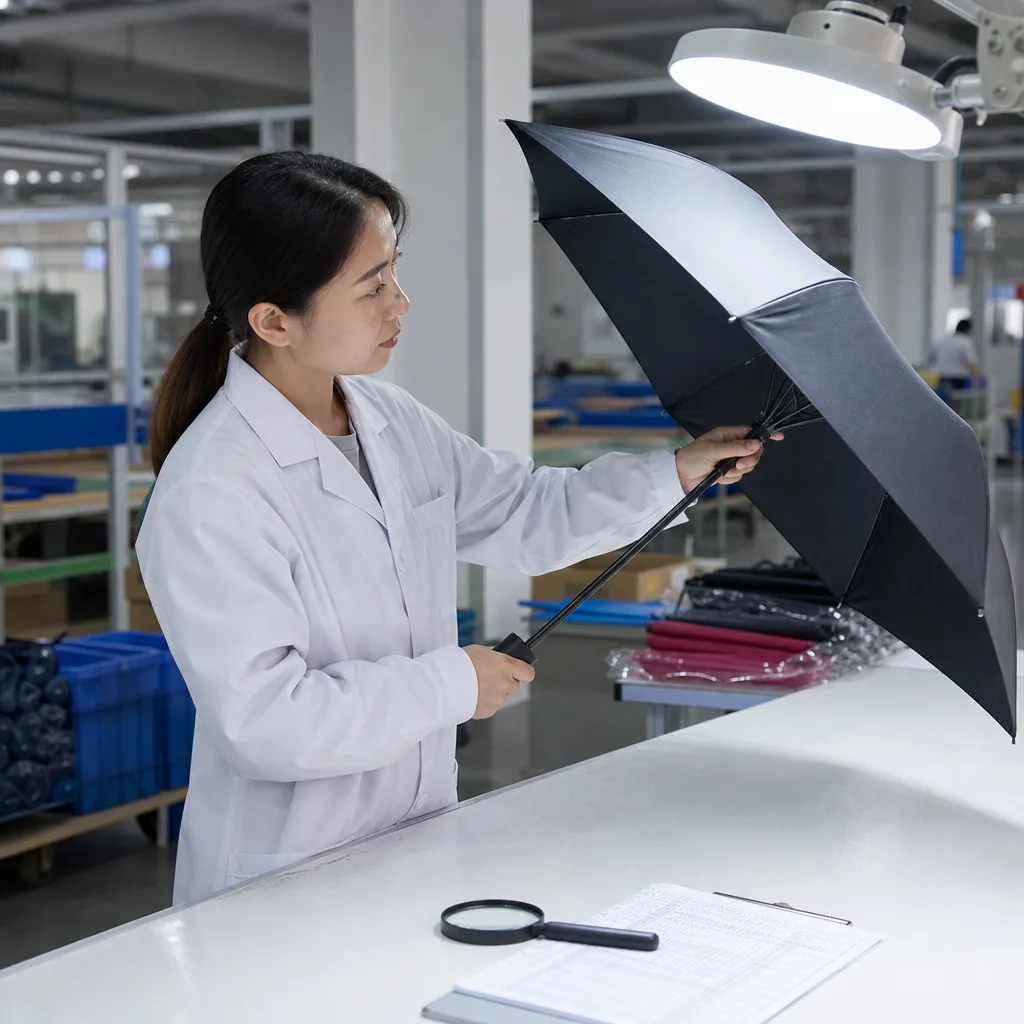
Buying for coastal or windy cities is not about adding a heavier frame and calling it durable. The real challenge is keeping a canopy stable in gusts, preventing rib failure, and matching materials and stitching to the way the umbrella will actually be used in the field. This windproof umbrella buyers guide comes from factory-floor experience, where small design choices decide whether a product survives a season or comes back in pieces.
What windy markets actually need
In coastal and high-wind downtown markets, the failure mode is predictable: a cheap canopy inverts first, then the ribs twist, then the runner binds and the umbrella becomes scrap. That is the real problem this windproof umbrella buyers guide has to address. Buyers usually focus on canopy color or handle style, but for an umbrella for windy city use, the first questions should be frame geometry, rib material, and how the stretcher joints handle repeated gust loading. A storm umbrella that only survives one hard gust is not windproof in any meaningful commercial sense. What matters is whether it can take repeated inversion cycles without permanent deformation, because that is what causes returns, complaints, and replacement cost in retail and promotional programs.
On the factory floor, the difference is obvious. Steel ribs can feel stiff at the sample table, but under sideways wind they tend to stay bent after a bad hit; fiberglass flexes, springs back, and usually keeps the canopy aligned better over time. For best umbrella for wind applications, 8K or 10K frame counts on 21-inch or 23-inch travel models are common, while 16K or larger canopies need tighter control on rib tension and venting or they behave like a sail. Double-canopy vented construction is not decoration; it gives air a path out before the umbrella flips. If the canopy fabric is thin 170T polyester with poor coating, the frame is doing all the work. Pongee 190T or 210T with a proper water-repellent finish and reinforced tips is a more sensible baseline for recurring coastal use.
The buyers who get this wrong usually under-spec the umbrella for the actual wind profile of the market. A storm umbrella for a harbor city, an open pedestrian plaza, or a commuter corridor needs a frame that can survive repeated gusts, not just pass a short lab demo. In practice, that means testing for inversion recovery, spoke alignment, and runner durability after abuse, then matching the product to the channel: manual models for low-cost volume, auto-open for convenience, and auto-open-close only when the mechanism is robust enough to avoid extra failure points. A credible windproof umbrella buyers guide should also call out the limits honestly: no handheld umbrella is indestructible, but a well-built one can survive 50+ mph gust events without losing shape if the venting, rib material, and stitching are correct. That is the line between a return-prone novelty and a sellable umbrella for windy city markets.
The feature checklist for wind resistance
For a real windproof umbrella, start with the canopy construction, not the handle gimmicks. A double-canopy vented top is the first feature I look for because it gives air a path to escape instead of turning the panel into a sail. On a coastal job, that vent matters more than glossy fabric claims. In a proper windproof umbrella buyers guide, I would treat double canopy as mandatory for any umbrella for windy city use, especially if the product is going to face gusts from buses, harbor fronts, or open intersections. Pair that with 190T or 210T pongee, not thin polyester, because the tighter weave holds shape better under load and accepts water-repellent or UV coatings without feeling flimsy.
Next, check the frame. Fiberglass ribs are the standard for best umbrella for wind applications because they flex and return instead of snapping like cheap steel. For compact models, 8K or 10K rib counts are common; for larger storm umbrella builds, 16K or reinforced 12-rib structures can stabilize the canopy better in sustained gusts. I also look at the stretcher geometry and ferrules, because a rib with poor angles will fail even if the material grade is acceptable. A solid shaft can still be useful, but the ribs do the real work when the wind loads shift direction. If a supplier cannot tell you whether the ribs are full fiberglass, fiberglass-reinforced, or mixed metal, you are probably looking at a weak frame disguised as a premium one.
Reinforced joints are where most umbrellas fail first, so the checklist has to include crown, runner, and tip connections. The stitching or bonding at the canopy corners should be tight, and the rib-end pockets need extra bar-tack or rivet reinforcement so the fabric does not tear when the canopy inverts and snaps back. On production lines, we also watch the joint tolerances closely, because loose socket fit creates wobble long before a visible break appears. For buyers comparing a windproof umbrella buyers guide across vendors, ask for wind-test data, opening cycle counts, and AQL 2.5 inspection records, plus the exact closure type, since auto-open-close mechanisms add stress to the frame if the joints are weak.
Size vs stability tradeoff
Bigger is not automatically better in wind. A 30-inch canopy gives more coverage, but it also puts more fabric farther from the shaft, which increases torque when a gust hits. That is why a wide compact frame can fold inside-out faster than a slightly smaller but better-built umbrella. In a windproof umbrella buyers guide, I would rather see a 23-inch or 27-inch canopy with fiberglass ribs, reinforced stretch points, and a proper vented double canopy than a loose oversized shell on thin steel wire. For an umbrella for windy city use, coverage matters, but only after the frame can hold shape under repeated side load. The best umbrella for wind is usually the one that controls flex instead of trying to brute-force it with size.
Size still matters for the user’s body and the way the load transfers into the hand. A 21-inch travel umbrella is easier to carry and usually less prone to violent inversion because there is less surface area, but it may leave a shoulder exposed in driving rain. A 27-inch or 30-inch storm umbrella covers more, yet it also catches more lateral pressure, so the shaft, tip, runner, and rib joints need to be engineered for it. We test this differently on the factory floor: rib count alone does not solve the problem, because an 8K or 10K frame with poor geometry can fail sooner than a tighter 16K layout with correct tension and fiberglass placement. For coastal cities, the goal is not the largest diameter; it is the smallest canopy that still gives usable coverage without becoming a sail.
Our standard practice at ZheBrella is to match canopy size to frame architecture, not the other way around. A 23-inch auto-open-close umbrella with fiberglass ribs and a Teflon-coated pongee 190T canopy can outperform a larger but softer frame in real gusts, especially if the design is vented and the panel shape is cut to shed pressure. If the buyer wants a true storm umbrella, I would look for a double-canopy construction, reinforced ribs, and a stated wind rating around 50+ mph, not just a bigger diameter on the spec sheet. The practical rule is simple: choose enough size for coverage, then spend the budget on frame strength, seam reinforcement, and fabric quality. That balance is what makes a real windproof umbrella buyers guide useful instead of decorative.
Separating real claims from marketing
A real wind rating is only useful if the buyer can see the test behind it. For a windproof umbrella buyers guide, the first question is not “What speed does it survive?” but “Who tested it, how, and on what sample size?” A credible supplier should be able to name the lab, the test method, the canopy size, the frame material, and the failure criterion. If a storm umbrella is claimed to handle 50+ mph, ask whether that was measured in a wind tunnel, a field simulation, or just repeated flexing by hand. A 10K fiberglass frame with a double-canopy vented build behaves very differently from a steel-rib model with the same marketing claim. In practice, the best umbrella for wind is the one that has documentation for rib deflection, shaft recovery, and inversion resistance, not just a nice product page.
For an umbrella for windy city conditions, ask for the test report before you talk about color, handle shape, or printing. The report should show the test standard, the wind speed increments, how many open-close cycles were run, and whether the sample failed by rib breakage, shaft bending, or canopy tearing. ZheBrella’s standard practice is to match the claimed performance to the actual construction, because a 23-inch POE canopy with fiberglass ribs and Teflon coating will not behave like a cheap 190T polyester frame built to a lower cost target. In a proper windproof umbrella buyers guide, I would also want photos or video from the test, plus an AQL 2.5 inspection record for production consistency. If the seller cannot produce that, treat the rating as marketing, not engineering.
Recommended specs by use case
For commuters, the best umbrella for wind is usually not the biggest one, but the one that closes cleanly in traffic and survives repeated gusts at street level. A 21" or 23" auto-open-close model with a fiberglass shaft and 6K or 8K ribs is the practical spec, especially with a double-canopy vented top and 190T or 210T pongee. That build keeps the umbrella light enough for a backpack or briefcase, while still flexing instead of snapping when subway exits or curbside wind hits sideways. If you are writing a windproof umbrella buyers guide for urban retail, this is the format I would start with: compact, one-handed, and fitted with a comfortable EVA handle so people actually carry it every day. For commuter programs, I would avoid heavy steel frames unless the customer specifically wants a low-cost promotion piece, because the failure mode in daily use is usually hinge fatigue, not canopy fabric.
For golf, the storm umbrella needs a different priority stack: coverage first, then frame integrity, then comfort. A 30" or oversized 54" to 68" double-canopy model with 8K to 16K fiberglass ribs is the normal answer if the buyer wants a true umbrella for windy city conditions on open sidewalks, parking lots, or courses. The larger canopy catches more load, so the shaft and runner need to be built for repeated flex, not just a pretty sample on a display rack. A Teflon coating helps with quick shake-off after rain, and UPF 50+ matters when the same umbrella is used for sun as well as wind. Auto-open is fine for most golfers; auto-open-close is less important than a reinforced canopy edge and a stable ferrule. In this category, I would not spec thin steel ribs unless price is the only target, because the weight climbs fast and the frame tends to deform after hard gusts.
For coastal retail, the right buy is the one that balances corrosion resistance, shelf appeal, and a frame that will not come back in bulk after the first nor'easter. Salt air punishes cheap metal, so fiberglass ribs, stainless or plated hardware, and a vented double canopy are the safer baseline for a storm umbrella assortment. If the customer is targeting tourists or resort shops, 23" and 27" models cover most needs, while larger promotional sizes can be reserved for higher-price gift sets. The windproof umbrella buyers guide should also call out construction details that buyers often miss: stitched stress points, rib tips that do not cut through the canopy, and a handle shape that feels secure with wet hands. Our standard practice is to validate these builds with sample cycling and AQL 2.5 inspection before mass production, because coastal buyers care less about theory and more about whether the product still opens, locks, and closes after months of exposure.
Frequently Asked Questions
What features make an umbrella windproof?
A vented double canopy that lets gusts escape, fiberglass ribs that flex and spring back instead of snapping, and reinforced runner and rib joints. Together these let the umbrella survive and recover from inversion rather than breaking.
Are bigger umbrellas better in wind?
Not necessarily - a larger canopy catches more wind, so stability depends on venting and frame strength more than size. A well-vented, fiberglass-framed mid-size umbrella often handles wind better than a large, poorly built one.
What frame materials work best for coastal and windy markets?
Fiberglass ribs and shaft are usually the safest choice because they flex without bending permanently. For coastal programs, pair them with corrosion-resistant hardware and a vented canopy; many buyers specify 190T or 210T pongee with a double-canopy design.
What wind resistance should I ask for in a buyer spec sheet?
For mainstream retail, a realistic target is around 30 to 45 mph wind resistance, depending on size and canopy type. If you need a higher claim, ask for test method details, sample reports, and whether the umbrella was tested open, closed, or under simulated gusts.
What are typical MOQ and lead times for customized windproof umbrellas?
For OEM/ODM orders, MOQ is often 500 to 1,000 pieces per color or design, depending on the factory and print method. Sample lead time is usually 5 to 10 days, and bulk production commonly takes 30 to 45 days after artwork and materials are approved.
Looking to Launch Your Custom Umbrella Line?
ZheBrella is a Zhejiang-based OEM/ODM umbrella manufacturer with 17 years of export experience. Free design, low MOQ from 100 pieces, windproof construction, full-color print.
Get Free Quote Now »People Also Search For
Related Articles
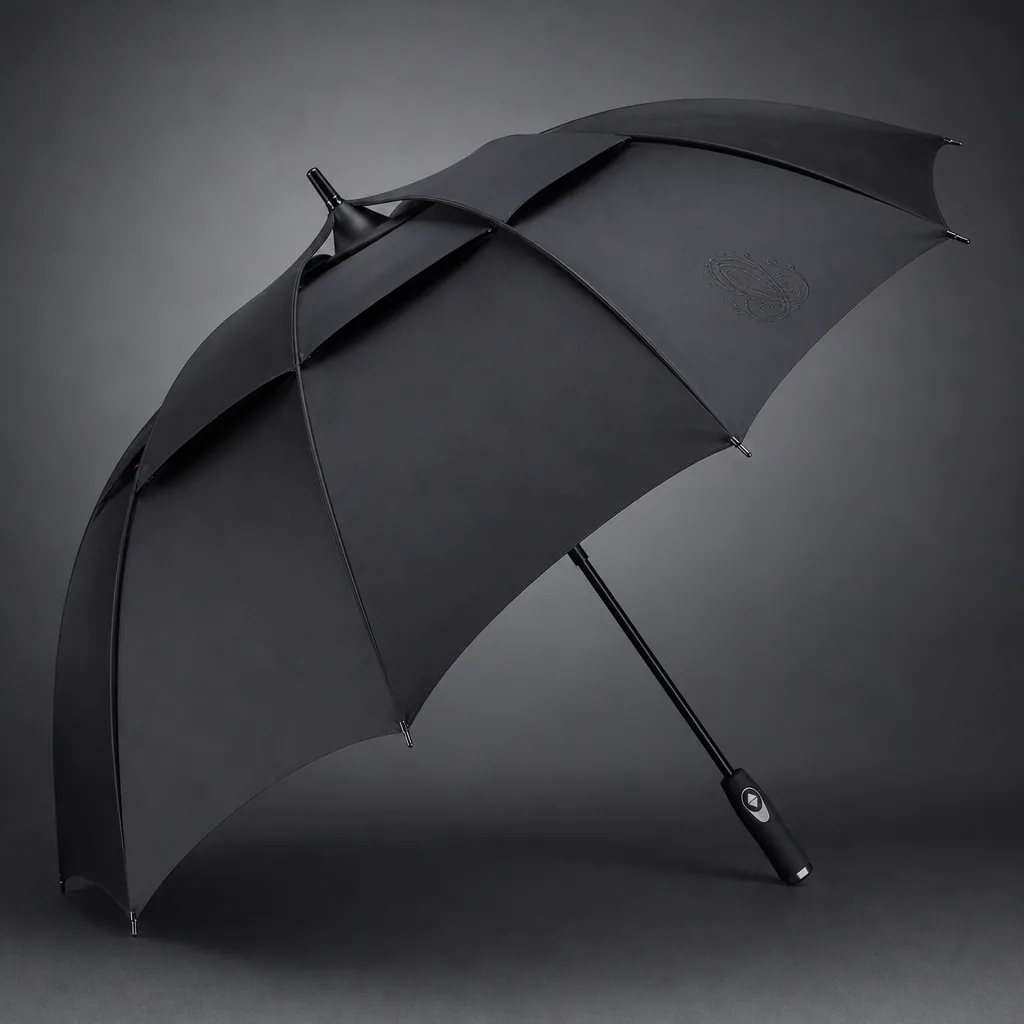
Choosing Umbrella Ribs for Coastal Wind and Daily Use
Learn how rib material, rib count, and canopy style affect wind resistance, durability, and cost for custom umbrella pro...
Read More »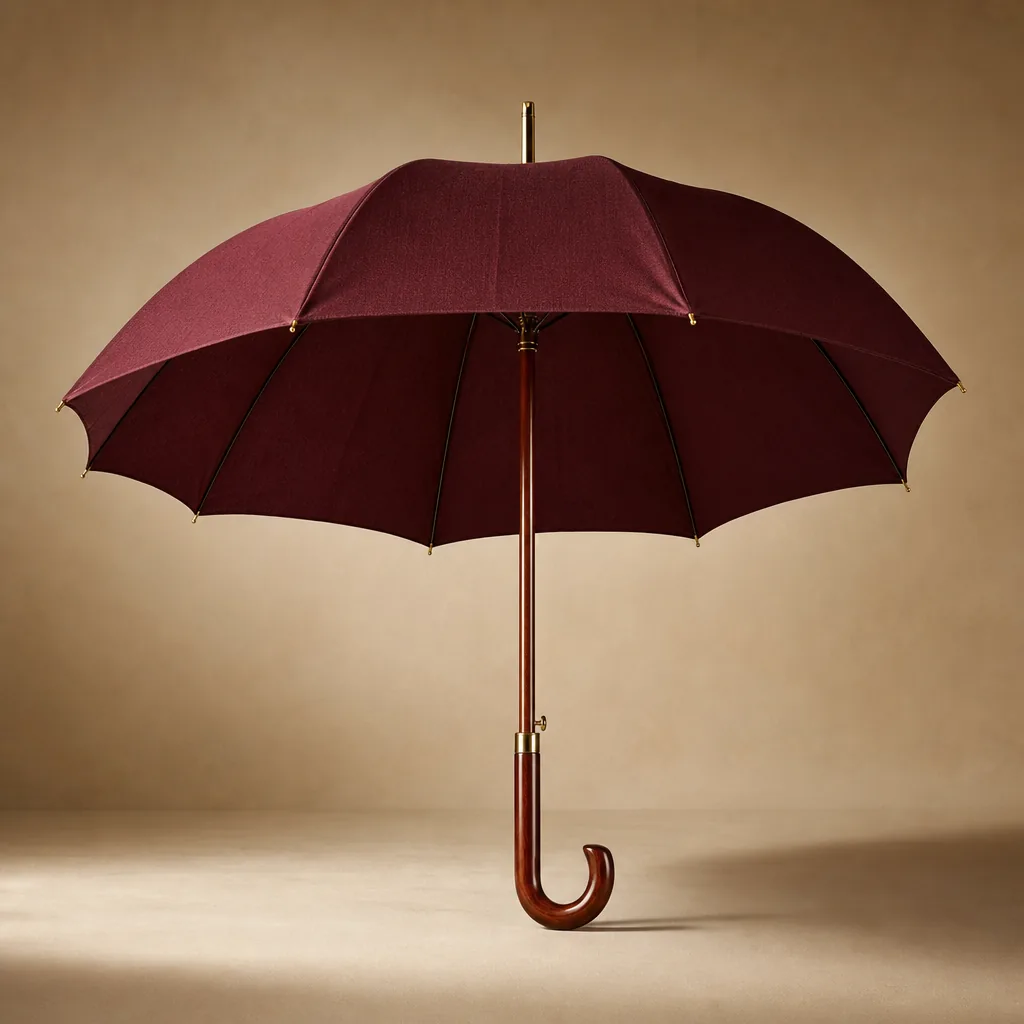
Double-Canopy Windproof Umbrella Builds for Retail Buyers
Learn how double-canopy vents, rib choice, and frame layout improve wind resistance, and what specs retailers should req...
Read More »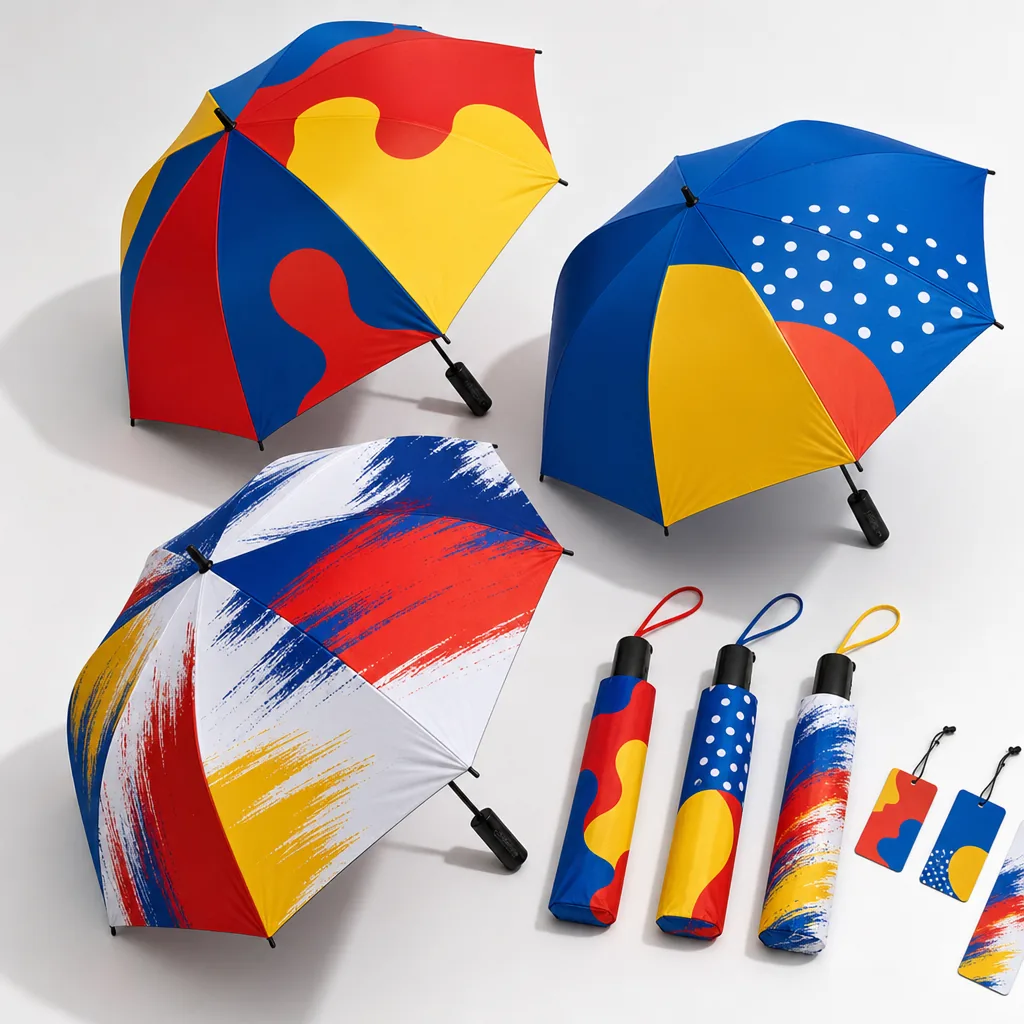
Choosing Umbrella Venting, Ribs, and Frame Specs for Brands
Compare vented canopies, rib counts, and frame materials so buyers can match wind performance, cost, and branding to eac...
Read More »