Choosing Umbrella Ribs for Coastal Wind and Daily Use
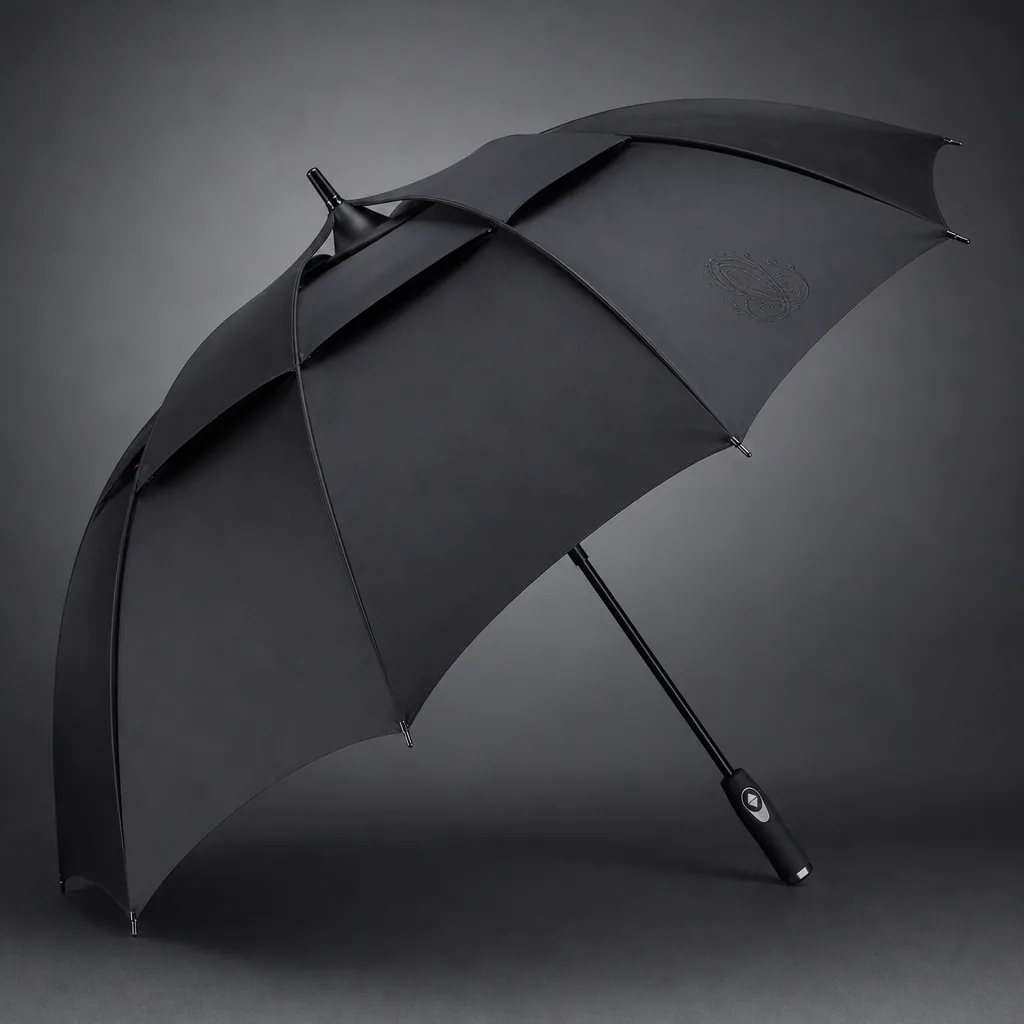
When a buyer asks for an umbrella that can handle coastal gusts and still hold up to daily use, the rib system is usually where the real tradeoffs begin. Rib material, rib count, and canopy style all influence how a frame flexes, survives repeated opening cycles, and stays inside target cost, so the right umbrella rib specification has to match both the weather and the program, not just the catalog photo.
How rib material changes real-world durability
For a coastal program, the first thing I look at is how the ribs fail, not how they look in a catalog. In an `umbrella rib specification`, fiberglass ribs are the better choice when salt air, repeated wet-dry cycles, and gusty sidewalks are part of the use case. Fiberglass bends and springs back instead of taking a permanent set, so a frame can survive a bad gust without turning into a crooked mess. Steel ribs are stiffer at the same diameter, but once they yield or start rusting at the joints, they usually fail in a more permanent way and the canopy never sits right again.
Corrosion is where `fiberglass ribs vs steel` gets decided fast. In a coastal retail line, steel needs plating, paint, or extra coating discipline, and even then scratches at the rivet holes or tips can turn into rust points after a season. Fiberglass does not corrode, which makes it the safer default for beach towns, ferry terminals, and anything stored in damp cars. For a commuter umbrella, I still prefer fiberglass because it handles repeated open-close cycles better under real abuse, especially in a `windproof umbrella build` with venting and a flexible frame path that can dump wind pressure instead of locking up.
Steel still has a place when the brief is low cost and short service life, especially for promotional gifting where the umbrella is more of a carry item than a daily tool. But if the buyer expects fewer breakages and fewer complaints, fiberglass is the cleaner answer for most daily-use programs, including compact travel models and a `double-canopy umbrella` where the structure is already working harder in wind. At a `custom umbrella factory`, the practical rule is simple: use fiberglass for coastal retail and commuter sell-through, and reserve steel for the cheapest giveaways where corrosion risk and long-term flex performance are not priority concerns.
8K, 12K, and 16K rib counts explained
Rib count is one of the first things I check in an umbrella rib specification because it changes both the silhouette and the abuse tolerance. An 8K frame usually gives a simpler canopy profile with more visible panel facets, while 12K and 16K frames pull the fabric tighter and make the dome look smoother and more finished. On a retail table, that tighter shape reads as higher quality even before the buyer notices the handle, but it only works if the cutting and stitching are accurate; sloppy panel geometry will show up fast on a higher-rib frame.
For wind handling, rib count matters less than the whole windproof umbrella build: fiberglass ribs vs steel, the stretch of the canopy cloth, the runner, and whether the frame has a vented structure. A 12K or 16K frame can distribute load more evenly across more points, which helps the canopy recover better in gusts and reduces the “one big buckle” failure you see on cheap low-rib umbrellas. That said, more ribs do not automatically mean better wind performance if the joints are weak or the tip ends are poorly reinforced.
The tradeoff is cost and assembly complexity. More ribs mean more tips, more ferrules, more stitching points, and more inspection time, so the unit price rises even before you specify thicker fiberglass or plated steel components. In a custom umbrella factory, we normally match rib count to use case: 8K for low-cost daily carry, 12K for a better retail feel, and 16K when the buyer wants a premium look or a double-canopy umbrella with tighter tension and a more stable profile in coastal wind.
Why double-canopy designs improve wind resistance
A double-canopy umbrella is not just a styling choice; it is the simplest way to cut the lift that flips umbrellas inside out. The gap between the upper and lower layers lets gusts bleed through instead of loading the frame like a sail, so the canopy can shed pressure instead of trapping it. In practice, a well-made double-canopy umbrella build with fiberglass ribs handles sudden coastal gusts better than a basic single-canopy frame because the load is distributed, not concentrated at the runner and rib tips.
If a buyer is writing an umbrella rib specification for seaside promotions, golf use, or commuter models that will see repeated wind exposure, I usually specify a vented top layer first and then choose the rib material around that target. Fiberglass ribs vs steel is not a brand debate; steel can feel stiff but bends permanently after repeated overload, while fiberglass flexes and springs back, which matters when the wind keeps cycling the frame. For a windproof umbrella build, the vented top layer is the safer choice whenever users may face crosswinds, open streets, or unstable weather.
A single-canopy build still makes sense when the brief prioritizes lower cost, lighter weight, or a cleaner print surface, such as short-run giveaways, indoor event use, or markets where wind exposure is modest. In those cases, a custom umbrella factory should be asked to keep the umbrella rib specification conservative: fewer stress points, shorter panels, and no oversized canopy that catches more air than the ribs can manage. If the buyer wants daily carry plus coastal performance, I would not skip the vent; the extra layer costs less than the returns caused by inverted frames and broken tips.
Specifying a build that matches the market
For city commuting, the safe default is a 21" or 23" folding frame with 6K to 8K ribs, fiberglass tip sections, and a pongee 190T or 210T canopy. That combination keeps weight down, resists rust from wet transit, and still folds small enough for bags and train carry. If the buyer wants an easier sell to end users, specify an auto-open or auto-open-close mechanism and a Teflon coating for quicker shake-dry performance; that matters more in daily rain than adding extra rib count. In our umbrella rib specification work, we usually treat commuter umbrellas as a balance problem: low mass, fast drying, and enough flex to survive careless handling, not a storm-rated frame.
For beach and coastal retail, fiberglass ribs vs steel is not a theoretical debate: fiberglass wins because salt air and sudden gusts punish plated steel fasteners and thin steel ribs. A windproof umbrella build for these markets should start with 10K to 16K fiberglass ribs, reinforced stretcher joints, and a double-canopy umbrella vent to bleed pressure during gusts. If the retail buyer is targeting seaside resorts or boardwalk shops, I would pair that with a 23" or 27" size, UPF 50+ coating, and a PVC or POE option only if transparency or price is the selling point. The build has to tolerate sand, corrosion, and people grabbing the shaft sideways; if it cannot survive that abuse, it is the wrong specification.
For golf promo and premium gifting, the frame can justify more structure because the product is carrying brand value, not just weather protection. A 27" or 30" shaft with 8K to 16K ribs, fiberglass main ribs, and a steel center pole gives the best blend of canopy stability and branding surface, especially for screen print or sublimation on a 190T or 210T pongee canopy. Golf accounts often ask for a double-canopy umbrella with venting, but they still want a clean exterior panel layout and a comfortable straight or EVA handle. A custom umbrella factory should push buyers to define wind rating, open style, canopy fabric, and target AQL 2.5 up front, because the difference between a nice sample and a production-safe umbrella is usually in those details, not in the logo size.
Testing, sampling, and order controls
The umbrella rib specification should be locked before anyone talks about artwork or packaging, because sampling exposes problems that drawings hide. On a pre-production sample, I check rib length, wire gauge, joint play, runner travel, spring force, and whether the canopy actually clears the tips without rubbing. For a coastal program, I also look at flex recovery after repeated opening cycles, because a rib that stays bent after 20 to 30 hand cycles is a bad sign even if it looks fine out of the carton. At a custom umbrella factory, the sample is where you confirm the real build: fiberglass ribs vs steel, hub reinforcement, stitch tension, and whether the frame matches the intended windproof umbrella build rather than a generic promotional frame.
Wind simulation should not be treated like a marketing claim; it needs a clear pass/fail target. For a double-canopy umbrella, I expect controlled airflow testing that checks vent opening stability, crown flutter, shaft wobble, and rib tip retention, not just whether the umbrella survives one dramatic gust. A practical benchmark is repeated exposure that approximates 35 to 50 mph equivalent loading, with the canopy returning to shape and no cracks at the stretcher joints. Fiberglass ribs usually tolerate flex better and recover cleaner after repeated gust cycling, while steel can feel stiffer but tends to deform permanently once the load peaks exceed its margin, especially in thinner sections.
Inspection at AQL 2.5 is where the order either stays on schedule or gets expensive. We normally sample for broken tips, skewed runners, loose rivets, missed stitches, coating defects, and inconsistent rib symmetry; for rib-heavy failures, the reject rate often clusters around assembly consistency rather than raw material alone. MOQ matters because low volumes increase setup waste and make it harder to absorb sample rework, and lead times usually stretch by 7 to 15 days if the frame needs a tooling adjustment or a second approval round. As a rule, fiberglass ribs vs steel will show different defect patterns: fiberglass more often fails on resin finish, splintering, or uneven cut ends, while steel more often shows corrosion risk, plating scratches, and bent members from handling.
Frequently Asked Questions
Is fiberglass always better than steel for umbrella ribs?
Not always. Fiberglass is usually preferred for flexibility and rust resistance, while steel can be a better fit for some cost-sensitive builds or where stiffness is valued more than flex.
What rib count should a buyer ask for in a windproof umbrella?
For many adult umbrellas, 8K to 16K is a practical range depending on canopy size and target price. Higher rib counts can improve shape retention, but the full windproof result also depends on venting, shaft quality, and rib material.
For coastal promotions, should we choose fiberglass ribs or steel ribs?
Fiberglass ribs are usually better for coastal wind because they flex without bending permanently and resist rust better than standard steel. Steel can reduce unit cost, but it is more suitable for daily-use umbrellas in lower-wind markets unless upgraded with anti-rust treatment.
Does a 10-rib umbrella always perform better than an 8-rib umbrella?
Not always. A 10-rib frame can improve canopy support and perceived quality, but material, shaft strength, runner design, and canopy tension matter just as much. For many retail programs, 8 fiberglass ribs with a vented canopy offer a strong balance of cost and wind performance.
What specifications should buyers confirm before ordering windproof umbrellas?
Confirm rib material and diameter, rib count, shaft material, canopy fabric weight, whether the canopy is single or double vented, and the target wind test requirement. For OEM orders, samples are typically needed to verify opening force, frame recovery, and logo placement before mass production.
Looking to Launch Your Custom Umbrella Line?
ZheBrella is a Zhejiang-based OEM/ODM umbrella manufacturer with 17 years of export experience. Free design, low MOQ from 100 pieces, windproof construction, full-color print.
Get Free Quote Now »People Also Search For
Related Articles
How to Specify a Windproof Double-Canopy Umbrella Build
Learn how double-canopy umbrellas are built, what rib and vent details matter, and which specs buyers should request for...
Read More »
Choosing Umbrella Venting, Ribs, and Frame Specs for Brands
Compare vented canopies, rib counts, and frame materials so buyers can match wind performance, cost, and branding to eac...
Read More »
Double-Canopy Golf Umbrella Build Guide for Buyers
Learn how double-canopy golf umbrellas are built, which rib specs improve wind resistance, and what buyers should ask fo...
Read More »