Umbrella MOQ and Lead Time Planning for Seasonal Orders
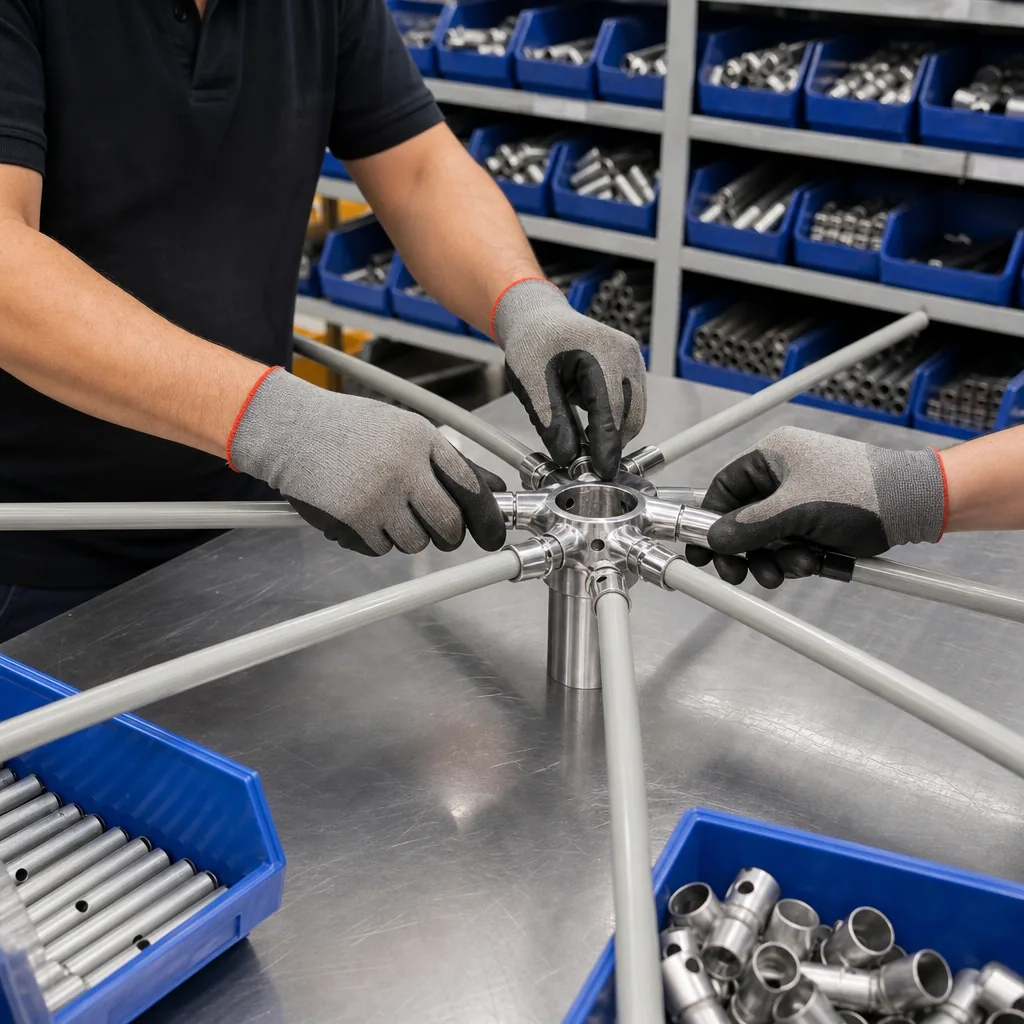
Seasonal umbrella buying looks simple on paper until MOQ, fabric allocation, and production capacity collide with a fixed launch window. Effective umbrella MOQ planning means matching canopy materials, printing complexity, and carton requirements to a factory schedule that can actually hold, while still leaving room for freight booking and customs timing. From the shop floor, the real risk is not just price, but missing the sell-in date and carrying expensive inventory into the wrong season.
Estimate MOQ by Construction Complexity
For umbrella MOQ planning, the first variable is not decoration, it is construction. A basic 21" manual umbrella with a steel shaft, 8K or 10K ribs, a straight EVA handle, and one-color screen print can usually be built at a lower MOQ because the frame and handle tooling are standard. Once you move to auto-open, the MOQ tends to rise because the spring mechanism, runner tolerances, and assembly checks add cost and scrap risk. In seasonal umbrella sourcing, buyers often underestimate how much a small spec change affects the line setup. Even switching from a plain plastic handle to a molded grip with a logo insert can force a separate tooling run and a larger material commitment.
Rib count and canopy build drive the next jump. A 16K frame, fiberglass ribs, or a double-canopy vented windproof design needs tighter parts control, more assembly time, and usually higher inspection pressure at AQL 2.5. That pushes lead times up and narrows the room for short runs. If the order also uses 190T pongee with sublimation instead of simple screen print, the factory has to reserve printing capacity, color matching, and drying space, which affects FOB umbrella pricing immediately. In practice, a buyer comparing landed cost should separate the base umbrella from the print and packing costs, because the same canopy can look inexpensive until the decoration method doubles the setup burden.
Handle tooling and print method are where many seasonal programs get expensive fast. A custom molded ABS handle, soft-touch coating, or metal accent ring can require dedicated molds or secondary finishing, and those costs do not scale well on small orders. The same is true for full-panel sublimation, heat transfer, or multi-location branding, which adds prepress work and tighter QC than a single-logo screen print. For seasonal umbrella sourcing, the cleanest approach is to quote the frame, canopy, decoration, and carton spec separately, then test how MOQ moves when you change one variable at a time. That gives a realistic landed cost model and avoids overbuying inventory just to reach a factory minimum.
Break Lead Time Into Real Factory Steps
For umbrella MOQ planning, the first mistake is treating the schedule like a single lead time. In the factory, the clock starts with pattern confirmation and technical sign-off. If the artwork, panel count, canopy size, handle style, and frame spec are not locked, you can lose 2 to 4 days before production even starts. For seasonal umbrella sourcing, sample approval matters just as much as the purchase order. A pre-production sample that needs one revision can add another 3 to 5 days, and if the buyer changes fabric from pongee 190T to 210T, or switches from manual to auto-open-close, the BOM has to be rechecked before cutting. At ZheBrella, that is where most late orders begin: not on the line, but in incomplete approval loops.
After approval, fabric cutting and frame assembly run in parallel, but they are not independent. Canopy cutting for 5,000 to 20,000 pieces usually takes 1 to 2 days once marker files and fabric rolls are ready, but a missing colorway or late printed panel can stall the batch. Frame assembly depends on rib count and material, so an 8K fiberglass frame moves differently from a 16K steel or fiberglass hybrid, and a vented double-canopy build adds extra checks on stitching and top cap fit. Sewing, edge binding, and finishing typically take another 2 to 4 days for a normal seasonal order. If you are comparing FOB umbrella pricing, remember that these steps affect labor, rework, and scrap, which feed directly into landed cost, not just factory unit price.
Packing and carton booking are where small delays become missed vessel dates. Bulk folding, OPP bagging, label application, carton count verification, and palletization usually take 1 to 2 days, but missing hangtags, barcode stickers, or export marks can hold finished goods in the packing area even when the umbrellas are done. Carton booking should happen before the last production week, because ship space for Q2 and Q3 seasonal umbrella sourcing tightens fast, especially on FOB shipments out of Ningbo or Shanghai. A realistic plan for umbrella MOQ planning is to treat sample approval, cutting, assembly, finishing, and packing as separate gates, then add 3 to 7 buffer days for component gaps, rework, or inspection findings. That is the difference between a usable lead time and a paper schedule.
Match Fabric and Frame Choices to Seasonal Demand
For seasonal umbrella sourcing, the fastest way to miss a selling window is to treat fabric and frame as interchangeable. In umbrella MOQ planning, 190T pongee is usually the safer choice when you need broader mill availability, quicker color matching, and fewer surprises on FOB umbrella pricing. It is lighter on cost and easier to replenish because mills keep more of it in regular production. By contrast, 210T pongee gives a denser hand feel and better print definition, but it often tightens lead times because the mill may need to schedule more carefully for the exact yarn count, finish, and dye lot. If you are buying for a spring promotion or back-to-school retail drop, that difference matters more than people admit. A small delay in greige fabric allocation can push the whole order past the shelf date and turn a planned replenishment into a markdown problem.
Frame choice affects both sourcing speed and landed cost more than most buyers expect. Fiberglass ribs usually cost more upfront than steel, but they are easier to position when you need windproof performance without adding too much weight, especially in 8K or 10K folding umbrellas and 23-inch golf styles. Steel ribs can be cheaper on paper, but for seasonal runs they tend to create more variability in corrosion protection, plating quality, and carton weight, which feeds directly into freight and landed cost. If you are comparing lead times, fiberglass components often come from a smaller pool of qualified suppliers, so the schedule is more sensitive to raw-material gaps. That is why a low initial quote can become expensive if replacement stock is needed after peak season and the frame spec is no longer available at the same price.
UPF 50+ coatings should be treated as a sourcing decision, not just a marketing line. The coating itself adds process steps, and that can stretch lead times if the factory has to wait for the right chemistry, curing window, or compliance paperwork. Standard practice at ZheBrella is to lock the canopy spec early when the order depends on a seasonal launch, because a delayed coating approval can hold up cutting, sewing, and final inspection even when the fabric is already in house. The practical tradeoff is simple: 190T pongee with a standard finish is easier to replenish quickly, while 210T with UPF 50+ and a stronger frame package gives you a better product but less pricing flexibility if you need a second production run. For buyers doing seasonal umbrella sourcing, the safest path is to reserve capacity early, confirm the exact fabric finish, and leave room for a backup spec if reorders become necessary.
Plan Reorders Around Sales Windows
For seasonal umbrella sourcing, start with the sales date and work backward from the shelf date, not the purchase order date. Spring rain campaigns, monsoon replenishment, and Q4 holiday promos all need different buffers, because a 23" auto-open fiberglass frame with a printed 190T pongee canopy is not something you can order on Monday and land in retail distribution on Friday. In practice, umbrella MOQ planning should begin 90 to 120 days before the sales window if you need custom color, logo placement, or packaging. That gives room for sampling, stitch correction, and any change to panel layout before production is locked. ZheBrella’s standard practice is to treat the approved sample date as the real start of the clock, because that is when the factory can actually hold materials and schedule the sewing line.
The biggest planning mistake is ignoring the administrative time outside the factory. Artwork changes alone can add 3 to 7 days if the buyer is still deciding between screen print, heat transfer, or sublimation, and freight booking can consume another week when space is tight before rainy season or year-end. For FOB umbrella pricing, ask for the cost split early: canopy spec, rib material, handle type, packing method, and carton count all affect both unit price and landed cost. A 10K windproof vented model with Teflon coating and EVA handle will price differently from a basic steel-rib manual umbrella, and the freight cube can change the math more than the factory quote does. If the shipment needs customs clearance documents corrected after booking, that delay usually falls on the buyer, not the forwarder.
Build a buffer around the bottlenecks you cannot control: export booking, vessel rollover, customs inspection, and last-mile delivery to the warehouse. For most seasonal umbrella orders, I would keep at least 10 to 14 days of slack beyond the factory lead time, and more if you are shipping peak-season FOB Asia to the U.S. or EU. That buffer matters more when the order is split across sizes like 21", 23", and 30" golf umbrellas, because mixed cartons usually create more packing and label errors than a single SKU. Good umbrella MOQ planning is not just about hitting the minimum quantity; it is about protecting the sales window so the inventory arrives before the weather changes or the holiday promo starts. If the date is fixed, place the order earlier and simplify the spec rather than betting on a late rush shipment to save the season.
Choose FOB or DDP With the Full Timeline in View
For umbrella MOQ planning, the first mistake buyers make is treating FOB and DDP as if they only change the invoice. They change who owns the clock. Under FOB, we hand the cartons to your forwarder at the port, and from that point the buyer controls ocean freight, destination charges, duty, customs clearance, and final delivery. That gives more control over routing and carrier selection, but it also means any delay in booking space, vessel rollover, or import paperwork sits on the buyer’s side of the table. Under DDP, the supplier controls the full lane to your door, including ocean freight, duty, brokerage, and last-mile handoff, so the buyer gets one delivered number and less operational work. The tradeoff is that the supplier has to build more buffer into the quote, so the landed cost may look higher at first even when the all-in result is cleaner.
For seasonal umbrella sourcing, FOB umbrella pricing is usually easier to compare at the factory level because it isolates the manufacturing cost from logistics noise. That matters when you are evaluating 8K manual umbrellas versus 10K or 16K auto-open-close models, or comparing pongee 190T, 210T, and UV-coated canopies with different rib structures. But a low FOB quote can be misleading if you have not locked freight and duty assumptions. A weak freight market can make FOB look attractive; a tight peak-season market can erase the savings fast. DDP compresses those variables into one landed cost, which is useful when you need to budget promotions or retail drops months ahead. The practical point is simple: FOB gives you more leverage on transport, DDP gives you more certainty on delivered cost.
Lead times are where the risk split becomes obvious. With FOB, the factory lead time covers production, packing, and port handoff, but your schedule still depends on the forwarder’s booking window, sailing frequency, and destination clearance. A six-week production plan can easily become nine or ten weeks if the vessel misses cutoff or the importer’s broker stalls on documents. With DDP, the supplier owns that integration work, so the buyer carries less schedule risk and fewer moving parts, but only if the supplier has real export experience and does not hide slack inside the promise date. In our standard practice, we quote the production lead time separately from the transit estimate so buyers can see where the critical path sits. For umbrella MOQ planning, that transparency matters more than saving a few cents on freight, because a missed seasonal window costs more than a slightly higher landed cost.
Frequently Asked Questions
What is a realistic MOQ for a private-label umbrella order?
Simple manual umbrellas may start in the low hundreds, while auto-open, double-canopy, or heavily customized builds often need 500-3,000 pieces. The exact MOQ depends on frame tooling, fabric color availability, and print setup.
Why does FOB usually differ from DDP in schedule planning?
Under FOB, the buyer controls freight and import steps after export clearance, so timing depends on the forwarder and destination port. DDP gives a single delivered quote, but it requires the factory or broker to manage duty, brokerage, and last-mile risk.
How does fabric choice change umbrella MOQ?
Standard pongee or polyester fabrics usually have the lowest MOQ because mills stock them in common widths and colors. Specialty coatings, recycled fabric, or custom-dyed panels often require a higher MOQ, sometimes 500 to 1,000 pieces per color, depending on the factory.
What lead time should I plan for a seasonal umbrella launch?
For a typical OEM order, production lead time is often 30 to 45 days after sample approval and deposit. If you add custom printing, special handles, or export peak-season congestion, plan for 45 to 60 days before freight.
How early should a distributor place a seasonal umbrella order?
For spring or rainy-season demand, many buyers place orders 90 to 120 days before the sales window. That gives enough time for sampling, production, ocean freight, customs clearance, and warehouse receiving without paying premium air freight.
Looking to Launch Your Custom Umbrella Line?
ZheBrella is a Zhejiang-based OEM/ODM umbrella manufacturer with 17 years of export experience. Free design, low MOQ from 100 pieces, windproof construction, full-color print.
Get Free Quote Now »People Also Search For
Related Articles
Private Label Umbrella MOQ and Cost Planning for Buyers
Learn how MOQ, unit cost, and lead times interact when sourcing private label umbrellas, with practical numbers for bett...
Read More »
Mixed-SKU Umbrella Production Lines for OEM Programs
Plan mixed umbrella runs by balancing manual and auto-open assemblies, fabric specs, MOQs, and inspections to reduce del...
Read More »
FOB vs DDP Umbrella Production: Cost Drivers at the Factory
Compare FOB and DDP umbrella buying terms, then trace the factory cost drivers behind materials, labor, freight, duty, a...
Read More »