Branded Umbrellas for Insurance Claims and CAT Response
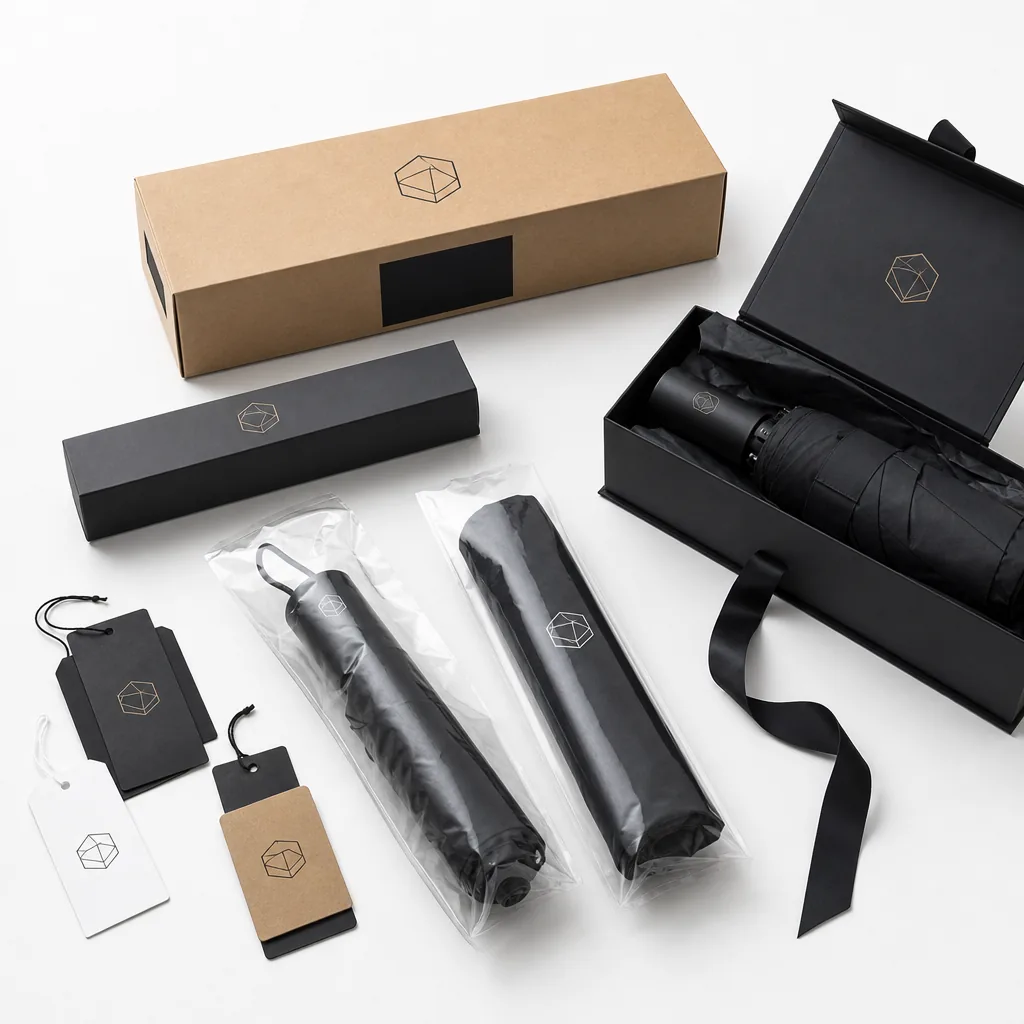
When a catastrophe hits, claims teams need branded umbrellas that reach the field before the adjusters do, not weeks later. Most suppliers can’t match the deployment speed and structural durability required for emergency response, leaving adjusters handing out flimsy sticks that fail in the first storm. At ZheBrella, we build insurance claims umbrellas with reinforced fiberglass frames and 1,500-cycle open-close testing, backed by QC protocols that let us ship certified units within 72 hours of a declared event.
- 1. Understand Umbrella Demand in Claims and CAT Operations
- 2. Prioritize Frame Strength and Fast Deployment in the Field
- 3. Choose Fabric and Coverage Specs for Harsh Weather Conditions
- 4. Set QC, Inventory, and Reorder Rules Before Storm Season
- 5. Use the Right MOQ and Shipping Model for Urgent Deployment
Understand Umbrella Demand in Claims and CAT Operations
After a storm, insurance claims umbrellas stop being promo items and become field tools. Adjusters, restoration crews, and roadside response teams use them while walking damaged lots, photographing roofs, and carrying clipboards or tablets in rain and wind. The spec has to be simple and dependable: a 27-inch frame, fiberglass ribs instead of steel for lower breakage risk, a double-canopy vented build, and a 210T pongee canopy with a Teflon coating for fast runoff. A windproof auto-open umbrella matters here because the first deployment has to work with one hand, often from a wet truck seat. Simple branding also wins. One-color logo placement on the canopy or shaft keeps setup fast, lowers print risk, and avoids delays when the order needs to move with the claim schedule.
At temporary claim sites and customer assistance centers, the buying logic shifts from durability alone to volume, speed, and reorder control. CAT response teams often need bulk emergency umbrella supply in the 2,000 to 10,000 unit range, with delivery in 10 to 14 days and repeat replenishment inside 7 days when weather patterns stay active. That favors standard black, navy, or royal blue canopies, manual-open or auto-open options depending on user training, and packaging that is easy to warehouse and hand out, such as polybags with header cards. AQL 2.5 gives buyers a workable inspection target without slowing release. In practice, catastrophe response umbrellas matter because they arrive ready to use, carry the insurer’s name clearly, and can be reordered without redesign or requalification when the next storm hits.
For insurers and restoration partners, the main question is not whether the umbrella looks premium. It is whether the product can survive wet storage, open in bad weather, and stay consistent across repeat programs. That is why insurance claims umbrellas usually avoid complex graphics, multiple decoration zones, or special components that raise cost and failure risk. A single PMS-matched imprint is enough for recognition at a claim site, while the core build does the real work. Standardizing on one or two approved sizes, one canopy color family, and one print method also shortens sourcing time and reduces variance across branches, adjuster kits, and regional disaster staging. When response teams need umbrellas for field adjusters and customer assistance centers, immediate usability and reorder speed matter more than styling detail.
Prioritize Frame Strength and Fast Deployment in the Field
For insurance claims umbrellas, the frame spec matters more than the logo or panel count because these units live in vehicle trunks, truck beds, and repeated in-and-out handling. Fiberglass ribs and stretchers are the stronger default for field adjuster umbrellas: they flex in gusts, recover after opening cycles, and handle side load better when adjusters are moving between parked cars, roof edges, and open lots. Steel ribs usually cost less, but they deform faster at the ferrule, runner, and stretcher after compression in an SUV or after a wet umbrella is stacked with tools. For a practical program, start with an 8K full-size umbrella and an auto-open mechanism. If the claims team works in exposed lots or near building corners where wind funnels through, a double-canopy windproof design can lower blowout risk and reduce failure rates under side gusts.
Auto-open is not a convenience feature; it is a field-speed requirement. Catastrophe response umbrellas are often opened with one hand while the other holds a clipboard, phone, or inspection kit, so a windproof auto-open umbrella in a 21" or 23" format works for mobile users, while a 27" full-size size is better when the same umbrella is carried all day and loaded back into a vehicle repeatedly. Keep the handle non-slip and the close action manual so the mechanism stays simple under dirt, rain, and vibration. A standard canopy layout also helps the umbrella survive door seals, seat tracks, and tight storage. Those details matter more than decorative changes when the product is expected to move quickly through a bulk emergency umbrella supply order.
Material choice should stay conservative: pongee 190T or 210T canopy cloth, fiberglass ribs and stretchers for durability, and a water-shedding finish such as Teflon. Steel can still make sense when the buyer is optimizing for lowest unit cost, but it is the weaker option for repeated rough handling and wind exposure. Avoid unusual canopy shapes or nonstandard sizes because replacement inventory gets harder to manage and reorder lead times stretch out. The procurement risk is usually mechanical, not visual: once the frame spec changes after approval, field performance and replenishment both become less predictable. Lock the rib material, rib count, opening style, and canopy fabric first, then keep color and logo changes limited so the umbrella stays usable when the next storm hits.
Choose Fabric and Coverage Specs for Harsh Weather Conditions
For insurance claims umbrellas, fabric choice comes down to dry-off speed, print durability, and stock cost before hurricane season or freeze response. Pongee 190T is the lower-cost option for bulk emergency umbrella supply: it sheds water quickly, folds back cleanly after repeated auto-open cycles, and is usually enough for short-run logo work when the goal is to build reserve inventory fast. Pongee 210T uses a tighter weave and a firmer hand, which improves screen print and heat-transfer definition, reduces pinholing at stress points, and holds up better when the umbrellas stay in field kits for months instead of days. That matters for field adjuster umbrellas, where weak print adhesion or early fabric wear turns a cheaper spec into a replacement problem.
Canopy size should match the job. A 21" or 23" canopy works for solo adjusters moving through damaged properties, stepping in and out of vehicles, and carrying tablets, clipboards, and tape measures. For two-person customer escorts or mitigation teams, 27" is the practical minimum, while 30" gives better coverage when a client and claims rep need to stay dry without crowding each other. For prolonged outdoor claim work, specify UPF 50+ so crews get sun protection during roof inspections, debris checks, and parking-lot interviews, not just rain cover. For branded insurance claims umbrellas, that balance of size and UV protection keeps the unit in rotation instead of getting left in the truck.
For catastrophe response umbrellas, keep the build spec controlled: pongee 210T, UPF 50+, and a windproof auto-open umbrella frame with fiberglass ribs when the deployment area sees gusts, construction dust, or frequent vehicle loading. Fiberglass flexes better than steel ribs in rough handling, so it breaks less often during fast issue-and-return use. Standardizing one canopy size and one print placement also helps control MOQ, reduces cutting waste, and keeps replacement units consistent when claims teams pull from reserve stock weeks later. For a fixed emergency kit, confirm the lead time in days and inspect to AQL 2.5 so the shipment lands ready for field use instead of creating another procurement delay.
Set QC, Inventory, and Reorder Rules Before Storm Season
Lock the forecast before the first weather advisory and split insurance claims umbrellas by geography, not by guesswork. Keep one pool of field adjuster umbrellas in national distribution and a separate safety stock for catastrophe response umbrellas staged near coastal and other high-risk regions. Base reorder points on actual replacement rate by program, then add a controlled reserve of 15% to 25% for wind loss, vehicle carry-off, broken runners, and post-deployment shrinkage. Tie the buy to MOQ, lead time in days, and lane-specific delivery windows so you are not forced into air freight when demand spikes. A program that serves both national and regional deployment also needs clear ownership: who controls central stock, who controls forward stock, and when one bucket can be drawn down to protect the other.
QC has to be set before the first pallet ships. Require AQL 2.5 inspection on incoming production and check frame alignment, stitching, canopy tension, open-and-close function, and print registration on every lot. For bulk emergency umbrella supply, carton performance matters as much as product performance: specify fiberboard strength, inner packing, and top-load limits, then verify the pack-out with drop testing from normal warehouse handling height plus compression checks. That prevents crushed tips, bent shafts, and damaged openers when pallets move through county warehouses and relief hubs. Put the carton spec on the same approval sheet as the umbrella spec so packaging failures do not become deployment failures.
Track replacement rate by SKU and by deployment window, not just annual sales. A windproof auto-open umbrella with fiberglass ribs and a vented canopy will usually outlast a steel-rib manual model in vehicle kits and field adjuster use, but repeated disaster cycles still wear out mechanisms fast. Measure units lost per 100 deployments at 30, 60, and 90 days, then compare 21-inch, 23-inch, and 27-inch builds across national and regional stock. Use those results to reset safety stock, rebalance inventory between central DCs and forward warehouses, and keep reorder triggers tied to what actually fails in the field. That is what keeps insurance claims umbrellas available when the next storm season hits.
Use the Right MOQ and Shipping Model for Urgent Deployment
MOQ is the fastest way to tell whether insurance claims umbrellas will ship from finished stock or require a new production run. A blank 23" or 27" windproof auto-open umbrella can often clear a lower MOQ when the factory already has frames, pongee 190T canopy panels, and assembled stock on hand. Once you add printed panels, custom handles, or special colors, the order usually moves to 500 to 1,000 units per style. For bulk emergency umbrella supply, ask what is actually available: frames only, cut canopy panels, or fully assembled umbrellas. That difference affects lead time by 7 to 10 days, because stocked parts can skip material prep, new rib sets, and fresh print screens. Repeat orders stay on schedule only when canopy material, rib count, logo placement, and frame type stay unchanged.
For planned annual sourcing, FOB usually fits better because it gives the buyer control over the freight forwarder, consolidation, and landed cost across recurring replenishment cycles. That matters when you are buying field adjuster umbrellas on a standing program and need stable pricing on a 21" compact model or a 30" straight-shaft umbrella. Under FOB, an approved repeat order is often 20 to 30 days for production, then add ocean or air transit based on the route. The tradeoff is simple: FOB stops at the port, so the buyer still handles customs clearance, duty, and final delivery. If the spec changes, expect the clock to reset.
DDP is the stronger choice when speed and handoff matter more than freight control. For urgent catastrophe response umbrellas, DDP can move mixed cartons of windproof auto-open umbrellas and manual 8K fiberglass units directly into a regional warehouse or third-party response partner without the buyer managing customs, duties, or last-mile delivery. That reduces risk when multiple cities need stock at once and the receiving team cannot absorb import work. Quote DDP only after the destination, consignee name, and tax status are confirmed, because bad documents can erase the time saved. DDP usually costs more than FOB, but in a CAT response window it can be the cheaper option if it prevents a missed deployment day.
Frequently Asked Questions
What is the most practical umbrella spec for field adjusters?
A common starting point is a 23 to 27 inch straight umbrella with fiberglass ribs, auto-open, and double-canopy windproof construction. That spec is durable enough for repeated field use without becoming too bulky in fleet vehicles.
How should insurance buyers handle urgent reorders during storm season?
The most reliable approach is to preapprove artwork and core specs before peak season, then hold buffer stock or reserve material capacity with the factory. That shortens repeat-order lead times and makes DDP deployment to regional hubs more predictable.
What umbrella specs should insurance carriers request for CAT response teams?
For field adjusters, request auto-open operation, a fiberglass or reinforced frame, a vented canopy, and a comfortable handle that works with gloves. As quote assumptions to verify with the supplier, many buyers start with 23-inch to 27-inch canopy sizes, 190T pongee fabric, and a wind-resistant frame sample before bulk approval.
How should urgent umbrella orders be structured for catastrophe season?
Split the PO into approved core SKUs, reserve stock, and replenishment lots so the supplier can prioritize production and packing. As example planning assumptions to verify in the supplier quote, buyers may request 500 pieces per color for an initial lot, 7 to 10 calendar days for pre-production sample approval after artwork confirmation, and 30 to 45 calendar days for bulk production after deposit.
What QC checks matter most for claims-team umbrellas?
Specify auto-open function testing, rib and shaft inspection, canopy seam checks, logo placement tolerance, carton drop resistance, and random open-close checks before shipment. If using AQL inspection, write the inspection level and defect classifications into the purchase order instead of relying on a factory default.
Looking to Launch Your Custom Umbrella Line?
ZheBrella is a Zhejiang-based OEM/ODM umbrella manufacturer with 17 years of export experience. Free design, low MOQ from 100 pieces, windproof construction, full-color print.
Get Free Quote Now »People Also Search For
Related Articles
Custom Umbrellas for Insurance Claims and Field Adjusters
Source umbrellas for claims adjusters and CAT teams with durable specs, fast deployment, QC standards, and logistics pla...
Read More »
Umbrella Programs for Insurance Adjusters and CAT Response
Source umbrellas for adjusters and CAT teams with practical specs for field use, fast replenishment, durable frames, and...
Read More »
Umbrella Sourcing for Insurance Claims and Catastrophe Teams
Source durable umbrellas for insurance adjusters and CAT teams with windproof frames, fast deployment, QC standards, and...
Read More »