Umbrella Programs for Insurance Adjusters and CAT Response

When a hailstorm or hurricane hits, adjusters do not need promo-grade gear—they need insurance adjuster umbrellas that open fast, hold up in crosswinds, and can be replenished quickly when deployment numbers change overnight. On the factory floor, that means matching canopy size, fiberglass frame strength, auto-open reliability, and carton planning to field conditions and surge-order timelines before the first shipment leaves China.
- 1. Why Insurance Field Teams Need a Dedicated Umbrella Program
- 2. Best Umbrella Specs for Mobile Claims and Site Inspections
- 3. Frame, Fabric, and Windproof Choices for Repeated Field Use
- 4. Procurement Planning for Storm Season and Surge Reorders
- 5. QC, Packaging, and Deployment Controls for Multi-Branch Rollout
Why Insurance Field Teams Need a Dedicated Umbrella Program
Insurance field teams stress umbrellas far harder than office users. Adjusters, inspectors, and CAT crews may stand 20 to 40 minutes at a roofline, cross wet lots, photograph hail damage, and cycle the canopy dozens of times per shift. For that workload, a dedicated spec matters more than chasing the lowest unit price. A practical baseline for insurance adjuster umbrellas is a 23-inch or 27-inch auto-open model with 8K fiberglass ribs and 190T or 210T pongee with a water-repellent finish. Use a steel shaft only when budget pressure outweighs lower carry weight and better corrosion resistance. In hurricane and severe-thunderstorm regions, a vented double-canopy frame rated to hold shape above 50 mph is the safer choice; otherwise, teams should expect inverted ribs, cracked stretchers, and handle pull-outs early in deployment. Summer claim volume also supports UPF 50+ treatment because field staff work in full sun as often as they work in rain.
Post-storm local buying feels fast, but it adds cost, inconsistency, and failure risk. Retail inventory is usually a mix of 21-inch compacts, 23-inch auto-open umbrella bulk styles, and 30-inch golf umbrellas, often built with inconsistent fabrics such as low-denier polyester, POE, PVC, or thin EVA. Those materials may look acceptable on the shelf yet perform poorly in wind-driven rain. A field claims umbrella program reduces that risk by locking one or two SKUs by role: for example, a 23-inch auto-open model for daily adjusters and a 30-inch vented model for supervisors or paired inspections. Standardization makes vehicle storage, replacement ordering, and user handoff simpler, and it gives finance a cleaner landed-cost model under FOB or DDP instead of scattered local receipts. It also allows pre-production sample approval, AQL 2.5 inspection, and planned 30- to 45-day production windows with safety stock, so catastrophe response umbrellas arrive with consistent opening force, rib symmetry, canopy tension, and carton condition when surge demand hits.
Best Umbrella Specs for Mobile Claims and Site Inspections
Choose umbrella size by travel pattern first, then by weather exposure. A 21" or 23" folding model fits a door pocket, backpack, or claims bag and is easier to carry across apartment complexes, dense urban sites, and long inspection routes. Most compact units use an 8K frame to keep weight down, but that lighter build gives up coverage and some stability in open lots and gusty corridors. A 27" straight umbrella protects shoulders and a tablet better during routine inspections, while a 30" golf-style canopy is the better fit when staff also need to cover a policyholder, camera bag, or paperwork. For insurance adjuster umbrellas, the most practical setup is a two-tier program: issue 21" or 23" compact units for daily use, then keep a 27" or 30" windproof umbrella in vehicles for CAT deployments and exposed-terrain work.
Auto-open is not a convenience feature for field teams; it reduces handling risk. Adjusters often exit a vehicle holding a tablet, clipboard, moisture meter, or phone, and a manual runner adds delay and increases the chance of dropping equipment in rain. An auto-open umbrella bulk specification with a reliable spring mechanism and steel shaft opens one-handed and is usually worth the small cost increase. In severe-weather territories, skip the cheapest 3-fold frames and specify fiberglass ribs, a vented double canopy, and 190T or 210T pongee to improve shape retention in gusts above 50 mph. UPF 50+ coatings also earn their place in mixed sun-and-rain conditions, especially around wet concrete, white siding, and damaged roofing where glare and heat build quickly. A silver or black UV coating improves shade and screen visibility, and 190T pongee with Teflon water repellency holds up better than basic polyester over repeated opening cycles. To reduce program failures, require AQL 2.5 inspection with added checks for opening force, ferrule security, rib alignment, and tip stitching, since those are common failure points during 30- to 60-day catastrophe response umbrella deployments.
Frame, Fabric, and Windproof Choices for Repeated Field Use
For repeated roadside and roofline work, frame spec drives service life more than imprint size. For insurance adjuster umbrellas, fiberglass ribs and stretchers are the safer default because they flex under roughly 30-50 mph gusts instead of taking a permanent bend. On a 23-inch auto-open 8K frame, fiberglass also reduces carry weight versus all-steel construction, which matters when adjusters are already carrying ladders, tablets, and claim files. Steel still has a role: it gives a crisper opening action and can lower unit cost. The tradeoff is corrosion. When the black coating chips at rib joints or along the runner track, rust can show quickly in wet truck beds and humid summer conditions. For most field programs, a hybrid build with fiberglass ribs and a steel shaft is the practical balance: lower rust exposure at the flex points, better recovery after inversion, and solid central rigidity without the full weight and fatigue risk of an all-steel frame.
Double-canopy construction is the upgrade that pays back fastest on larger catastrophe response umbrellas. On 27-inch and 30-inch golf-size models, the canopy presents more surface area beside damaged vehicles and in open lots, so a vented upper and lower canopy helps release pressure rather than letting the full panel balloon in crosswinds. For an auto-open umbrella bulk order, the most durable setup is usually an 8K or 10K fiberglass frame with reinforced rib tips and a stable runner, paired with auto-open rather than auto-open-close; the simpler mechanism generally holds up better to grit, rain, and repeated one-handed deployment. Fabric choice should follow program goals. Use 190T pongee for standard fleet issue when cost, fast dry time, and print consistency matter most across large runs. Step up to 210T pongee when the field claims umbrella program needs a better hand feel, a cleaner appearance after repeated open-close cycles, and longer wear at fold lines. Final QC should verify canopy tension, rib symmetry, and open-close function under AQL 2.5 inspection.
Procurement Planning for Storm Season and Surge Reorders
Storm-season buying breaks down when insurance adjuster umbrellas are sourced like generic promo stock instead of field gear with finite factory capacity. Set MOQ first, because it controls whether a supplier can absorb a July or August surge reorder. For most 23" or 27" auto-open umbrella bulk programs, MOQ is typically 500-1,000 units per colorway and print layout; expect higher minimums for vented double-canopy construction, molded handle tooling, inside-and-out printing, reflective trim, or mixed assortments. Lock sample approval before storm season. A digital mockup usually takes 5-7 days, and a sealed physical sample another 7-12 days. That lead time matters when matching Pantone on 190T or 210T pongee, checking logo registration across alternating panels, or confirming fiberglass rib color against a black steel shaft. Fixing artwork at sample stage is far cheaper than reworking 2,000 cut-and-sewn canopies.
Plan from actual production windows, not off-season assumptions. A standard field claims umbrella program built on a 23" 8K auto-open frame with a black steel shaft and fiberglass ribs usually runs 25-35 days after sample approval and deposit. A heavier catastrophe response umbrellas build—27" or 30", vented double canopy, full fiberglass ribs, higher-density pongee, and a custom sleeve—typically needs 35-45 days because frame assembly, canopy sewing, and packing add labor steps. Require AQL 2.5 inspection on appearance, opening function, and carton count before loading to catch bent runners, misaligned prints, and short-packed cartons. For inventory, stage two layers: preseason stock plus reserved surge capacity. In practice, many buyers book 60%-70% of annual volume before hurricane season and hold enough stock for the first 30-45 days of claims activity in high-risk regions. Import-savvy teams often buy FOB Ningbo or Shanghai for freight control, while urgent replenishment is easier under DDP when landed cost, duty, customs clearance, and final-mile delivery need to stay predictable.
QC, Packaging, and Deployment Controls for Multi-Branch Rollout
For a multi-branch rollout, the main failure point is usually packing accuracy and frame consistency, not canopy print quality. Set final inspection for insurance adjuster umbrellas at AQL 2.5, with separate checkpoints for canopy fabric, frame assembly, logo placement, and packed quantity by branch or region. A mislabeled carton sent to the wrong warehouse can disrupt field deployment more than a minor cosmetic defect, so carton verification should be part of final QC, not only outbound logistics. For auto-open umbrella bulk orders, mechanism approval should go beyond a one-time bench check. Sample units should run repeated open-close cycles, with inspectors recording spring force, runner travel, lock engagement, and ferrule alignment after dozens of activations. On 21-inch and 23-inch telescopic frames used in vehicle kits, those checks matter because trunk loading and daily issue quickly expose weak shafts, loose runners, and inconsistent lock tolerances. If the program uses auto-open-close frames rather than manual or auto-open only, button rebound and shaft retraction tolerance need tighter review before shipment.
Logo control and deployment packing need the same discipline as frame QC. Match approved Pantone targets on 190T or 210T pongee before bulk sewing, then recheck finished canopy panels after heat setting or waterproof coating; dark navy can shift toward purple, and red often loses coverage on black fabric if the underbase is too thin. Keep signed first-article print swatches for inline inspection and final comparison so repeat orders stay consistent across branches and reorder dates. For a field claims umbrella program, pack by actual deployment method: branch storage cartons of 12, 24, or 36 units labeled on two sides with branch code, region, SKU, canopy color, handle type, and carton count; vehicle-kit inner packs of 5 or 10 for fast issue from cars or trucks; or direct distribution sorted by office, team lead, or catastrophe zone. For catastrophe response umbrellas shipping to multiple states, DDP reduces handoff risk only if the factory packing list, carton labels, and client branch list are reconciled before goods leave the line.
Frequently Asked Questions
What umbrella size works best for insurance adjusters in the field?
A compact or mid-size auto-open model is often best because adjusters need one-handed operation while carrying devices and documents. Full-size straight umbrellas are better for teams spending long periods stationary on site.
How should insurers plan reorders for catastrophe response seasons?
Build a base stock before peak weather months and reserve reorder capacity with the factory for surge demand. That reduces the risk of stockouts when regional claims volumes jump suddenly.
What umbrella specifications hold up best for CAT adjusters working in high-wind parking lots and open neighborhoods?
For field adjuster use, buyers typically choose a 27-30 inch auto-open stick umbrella with a fiberglass shaft or ribs, reinforced runner, and polyester pongee canopy. A vented canopy can improve wind stability, but many programs prefer a non-vented design for simpler branding and lower replacement cost.
How should a buyer plan inventory for surge events when umbrella demand is unpredictable?
A practical approach is to split purchasing into a base order plus a surge reserve, with standard colors or stock panels held for faster replenishment. Many importers plan around 30-45 day production for new orders and 7-15 day dispatch for pre-positioned stock, depending on printing and packaging.
What QC points matter most when ordering umbrellas for claims teams under an AQL 2.5 inspection standard?
Beyond canopy appearance, buyers should define open-close function testing, rib alignment, tip and handle attachment, stitching consistency, and carton drop resistance in the inspection checklist. For field-use programs, it is also useful to specify a sample-based wind or cycle test so defective auto-open mechanisms are caught before shipment.
Looking to Launch Your Custom Umbrella Line?
ZheBrella is a Zhejiang-based OEM/ODM umbrella manufacturer with 17 years of export experience. Free design, low MOQ from 100 pieces, windproof construction, full-color print.
Get Free Quote Now »People Also Search For
Related Articles

Custom Umbrellas for Insurance Adjusters and CAT Teams
Source umbrellas for adjusters and CAT teams with fast deployment, durable frames, and bulk logistics that support field...
Read More »
Umbrella Programs for Insurance Adjusters and Claims Teams
Build umbrella programs for insurance adjusters with field-ready specs, sun and rain protection, branding options, and d...
Read More »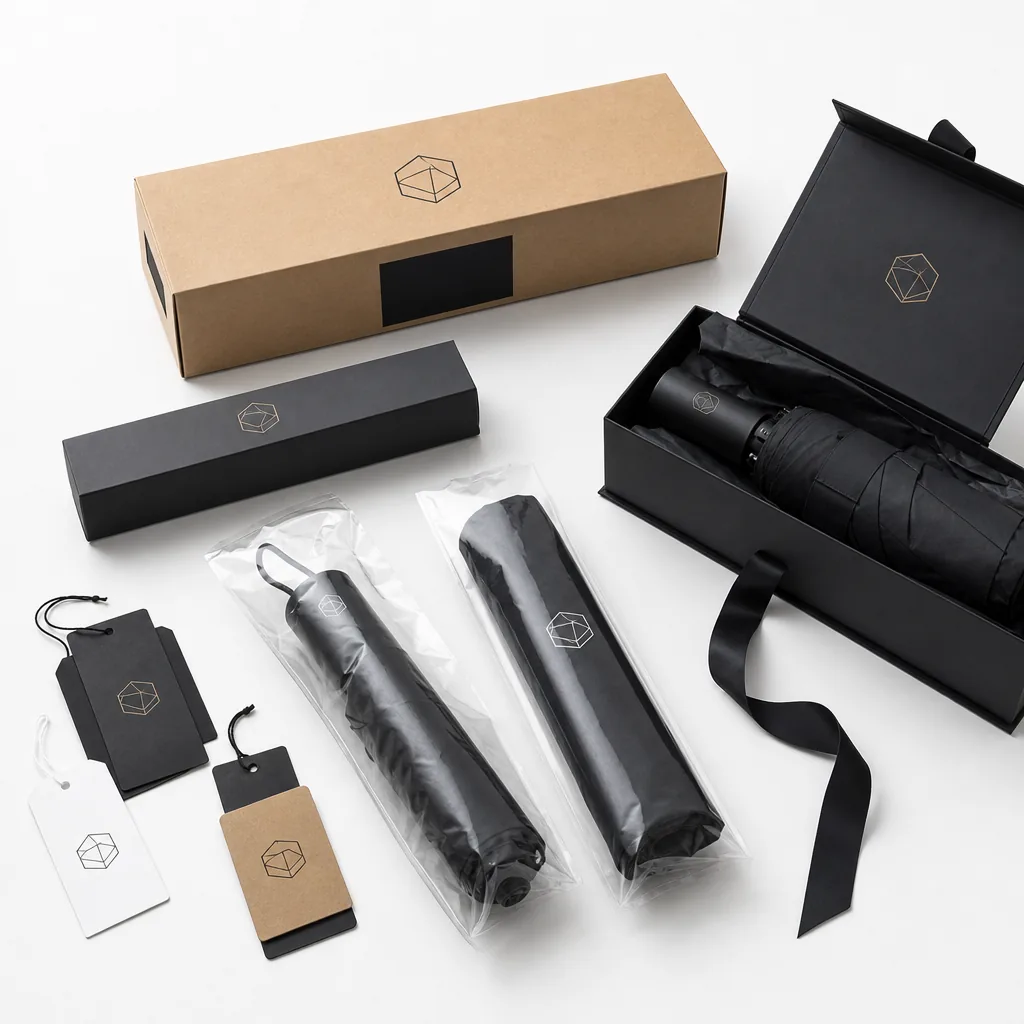
Branded Umbrellas for Insurance Claims and CAT Response
Source umbrellas for claims teams and catastrophe response with durable frames, fast deployment specs, QC controls, and ...
Read More »