Branded Umbrellas for Insurance Claims and Adjuster Teams
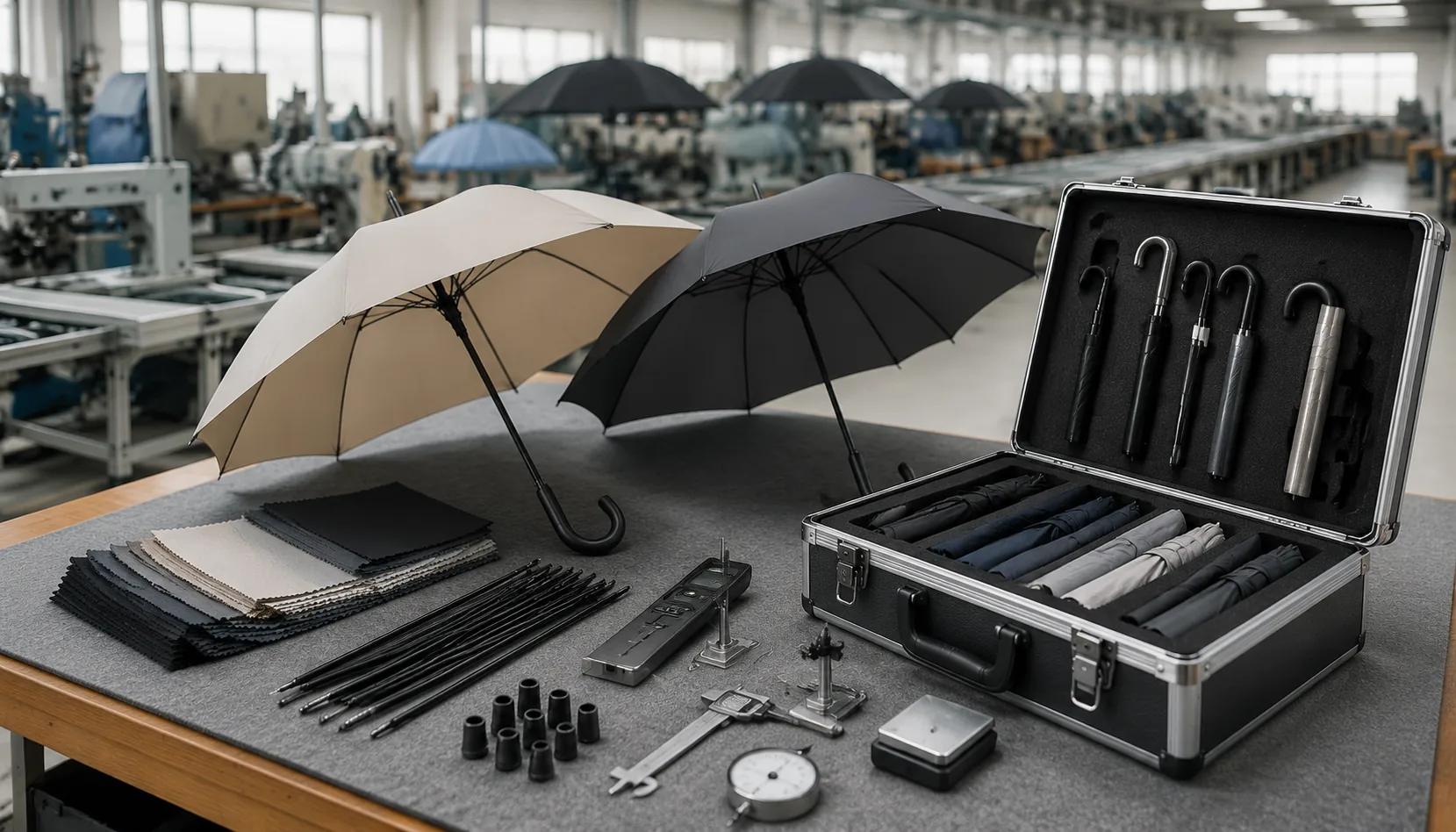
When adjusters are walking roofs, documenting storm damage, or meeting policyholders in heavy rain, a weak promo umbrella becomes a field failure fast. For insurance adjuster umbrellas, we build around 8K fiberglass ribs, 190T pongee, reliable auto-open shafts, and pre-shipment AQL checks because the problems usually show up at the runner, tip stitching, and shaft lock—not in the catalog photo. Ordering also needs to fit deployment, whether FOB bulk cartons or DDP delivery to regional teams.
Why Claims Teams Need a Different Umbrella Spec
Claims work after a storm is not a golf outing with a logo printed on top. Adjusters are walking roofs, driveways, flooded curbs, and parking lots while keeping claim forms, tablets, thermal printers, and photo sheets dry enough to use. A cheap 8K steel-frame umbrella usually fails in the first real gust because the ribs bend, the runner jams, or the canopy stitches pull out near the tips. For insurance adjuster umbrellas, I would start with fiberglass rib umbrellas in 8K or 10K, a 23" or 27" canopy, 190T or 210T pongee, and a vented double-canopy structure if the team works coastal or tornado-prone regions. That spec is still portable, but it handles wind better than basic promotional stock and can survive repeated field use at 40–50+ mph when the frame geometry and spring tension are correct.
Vehicle storage changes the spec more than many buyers expect. Adjusters often keep gear in the trunk, rear seat, or door pocket beside tape measures, chalk, PPE, ladders, and damp boots, so the umbrella needs a sleeve that drains, a handle that does not crack under heat, and a shaft finish that resists corrosion after being stored wet. Auto-open is useful when someone is carrying a clipboard or phone, but auto-open-close compact models need better springs and shaft locks because claims teams may cycle them 30–60 times per day during a storm surge. For branded claims team umbrellas, I usually avoid delicate wood handles and thin electroplated shafts; rubberized EVA handles, black fiberglass shafts, and reinforced tip pockets are more forgiving in rough service.
These umbrellas sit close to PPE-adjacent gear because they protect documents, electronics, visibility, and the worker’s ability to inspect safely. They are not hard hats or fall protection, but storm response umbrellas should be treated as operational equipment with AQL 2.5 inspection, wind testing, colorfast print checks, and carton packing that crews can distribute fast from a branch office or CAT response trailer. A bulk umbrella OEM order can also standardize panel color, carrier logo, adjuster ID print, and reflective edge piping without making the item look like a consumer giveaway. Our standard practice at ZheBrella is to confirm rib count, canopy coating, open-close cycle testing, sleeve design, and FOB/DDP packing plan before sampling, because the wrong umbrella spec creates failures exactly when a claims team is most visible to policyholders.
Frame, Rib, and Canopy Choices for Field Durability
For insurance adjuster umbrellas, the frame decision should start with corrosion and flex, not just unit price. Steel ribs are cheaper and feel rigid on a calm day, but after repeated wet trunk storage, salt exposure, and muddy jobsite handling, painted steel can show rust at rivets and rib tips. Fiberglass rib umbrellas cost more, yet they bend under gust load instead of taking a permanent set, which is why I prefer them for storm response umbrellas used after hurricanes, hail events, and flood inspections. An 8K frame is the practical baseline for claims teams: eight ribs are easy to source, fast to assemble, and stable enough for 23 inch or 27 inch straight umbrellas. For coastal or high-wind regions, a 16K fiberglass frame spreads canopy tension more evenly and reduces panel flutter, especially when paired with a double-canopy vented windproof construction rated around 50+ mph in controlled wind-tunnel checks.
Canopy fabric should match how the adjuster actually works in the field. For standard branded claims team umbrellas, 190T pongee is the right balance: tighter and smoother than polyester taffeta, quick drying, and clean enough for one-color or two-color screen printing on alternating panels. It holds a Teflon water-repellent finish well and gives better hand-feel than low-grade polyester without pushing the program into retail pricing. For premium adjuster kits, I would move to 210T pongee because the denser weave improves drape, color depth, and print definition for logos, claim hotline numbers, or catastrophe response branding. If the umbrella will be issued with reflective vests, clipboards, and tablets, the extra fabric cost is small compared with the perceived kit value. UV coating can be added when adjusters spend long hours on roof, auto, or property inspections; specify UPF 50+ rather than vague “UV protection” language.
Our standard practice at ZheBrella is to confirm rib count, shaft material, canopy weight, and opening mechanism before quoting bulk umbrella OEM programs, because mixing one premium part with weak supporting parts creates failure points. A 16K fiberglass rib set is wasted if the runner, stretcher joints, or ferrule are thin, and a 210T canopy will not save a loose manual-open frame. For most insurance carriers, I would quote two tiers: an 8K fiberglass, 190T pongee, manual or auto-open 23 inch model for broad field distribution, and a 16K fiberglass, 210T pongee, double-canopy 27 inch model for catastrophe teams and senior adjuster kits. Add AQL 2.5 inspection with open-close cycling, rib alignment checks, seam pull checks, and carton drop review before shipment. Typical custom production runs start around 500 to 1,000 pieces per SKU, with 25 to 35 days lead time after artwork approval depending on printing method and season.
Branding That Stays Professional at Claim Sites
At claim sites, the umbrella should identify the carrier or adjusting firm without looking like a trade-show giveaway. For insurance adjuster umbrellas, I recommend navy, black, or charcoal 190T/210T pongee because these colors hide dirt from wet roofs, driveways, and storm debris while keeping the logo legible. Keep the main logo on one or two opposite panels, usually 180–220 mm wide on a 23" or 27" canopy, and avoid wrapping artwork across seams where the print can distort after sewing tension. If the team needs a phone number, QR code, or “Claims Response” line, put it on one panel only, preferably opposite the logo, so the canopy still reads clean from 10–15 feet away.
Reflective piping is useful for storm response umbrellas when adjusters are working near roads, parking lots, or CAT staging areas before sunrise. A 3–5 mm silver reflective edge or alternating reflective tabs can improve visibility without turning the umbrella into safety gear. On fiberglass rib umbrellas, especially 8K or 10K frames, we normally pair reflective trim with a matte dark canopy and a soft-touch EVA or rubberized handle so the product still feels professional in front of homeowners. For branded claims team umbrellas, screen printing is the safest choice for solid white, gray, or light-blue marks; heat transfer works for gradients but needs careful press temperature control to avoid shine marks on dark pongee.
Double-canopy windproof construction changes the branding plan because the upper vent panel interrupts the printable surface. On a 27" double-canopy golf umbrella, the lower canopy panels carry the main artwork better, while the top vent should usually stay blank or carry only a small icon. If buyers ask for large logos on every panel, I push back because the vent seam, overlap shadow, and airflow gap can make the umbrella look crowded. For bulk umbrella OEM orders, our standard practice is to approve a print layout on an open-frame sample before mass production, checking panel alignment, vent balance, and AQL 2.5 cosmetic limits before FOB or DDP shipment.
Procurement Model for Regional Storm Response
Regional storm programs should be bought by branch usage, not by one national average. A coastal claims office that deploys 40 adjusters after hurricanes will burn through umbrellas very differently than an inland auto-property branch handling hail inspections. For insurance adjuster umbrellas, I usually model MOQ in three layers: daily-issue stock for active field staff, event stock for surge teams, and replacement stock for lost or damaged units. A practical starting point is 300–500 pcs per high-volume branch, 100–200 pcs for smaller offices, with a national buffer of 10–15%. If the brand wants 23" auto-open stick umbrellas for adjusters and 21" folding umbrellas for desk staff, treat them as separate SKUs because frame, sleeve, carton size, and inspection points differ. Fiberglass rib umbrellas with 8K or 10K frames are better for field work than cheap steel ribs, especially when adjusters are standing beside open roofs, damaged siding, or wet driveways in 30–50 mph gusts.
Mixed carton allocation is where many branded claims team umbrellas go wrong. If every carton contains only one branch’s order, the warehouse can cross-dock cleanly, but you lose flexibility when a storm path changes. If every carton is nationally mixed, the receiving team wastes time sorting during the exact week they need speed. A better model is branch-labeled master cartons with a small number of mixed emergency cartons assigned to regional hubs. For example, pack 24 pcs per carton for 23" pongee 190T auto-open models, mark carton labels by branch code, and reserve 5–8% of production as unassigned storm response umbrellas. Our standard practice at ZheBrella is to lock carton marks and allocation sheets before mass packing, because changing ship-to splits after final AQL 2.5 inspection creates errors faster than it saves time. For hurricane or hail season, place replenishment POs before the forecast turns urgent; normal production is 30–45 days after artwork approval, not after the first storm warning.
FOB and DDP are not just freight terms; they decide who owns the headache when umbrellas need to reach 12 states before the next weather system. FOB Ningbo or Shanghai gives the buyer control over consolidation, insurance, customs broker choice, and domestic routing, which works well for insurers with established import programs or a 3PL already serving branch offices. It is usually cheaper at scale, especially for bulk umbrella OEM orders filling multiple pallets or a shared container. DDP is cleaner for procurement teams that want landed pricing by destination: factory, forwarder, customs, duties, and final delivery are bundled into one quote. The tradeoff is less visibility and less flexibility if branch quantities change after sailing. For multi-state delivery, I prefer FOB for annual programs above 5,000 pcs and DDP for smaller urgent buys, pilot programs, or event-driven claims deployments where the buyer values predictable landed cost more than squeezing every dollar from freight.
Quality Controls Before Deployment
Quality control for insurance adjuster umbrellas has to start with function, not appearance, because a stuck runner or twisted rib usually fails in the field during a roof inspection, not in the office. For auto-open models, our inspectors cycle the mechanism repeatedly from closed to fully deployed, checking spring response, shaft lock engagement, button rebound, and runner travel. On 23" and 27" storm response umbrellas, I want the canopy to open cleanly without rib chatter, especially on 8K and 10K frames where one mis-set stretcher can pull the whole canopy off-center. Fiberglass rib umbrellas get extra attention at the rib-tip joint and ferrule because they flex better than steel in wind, but poor riveting still creates early failures.
Canopy inspection is just as important as frame inspection. We check rib alignment against the seam lines, seam tension at each panel junction, top cap sealing, and stitch density around the tie wrap and runner notch. For 190T or 210T pongee with Teflon or standard water-repellent coating, inspectors run a surface wetting check to confirm beading instead of dark soak-through. Branded claims team umbrellas also need print checks: logo position, Pantone tolerance, ink adhesion, and heat-transfer edge lift after opening cycles. If the order uses reflective trim, UV coating, or UPF 50+ fabric, those specs must be verified against the approved sample before packing.
Before shipment, bulk umbrella OEM orders should pass AQL 2.5 inspection with carton quantity, barcode, polybag warning, handle finish, and master-carton marks all checked against the PO. We also run carton drop checks on export packaging, usually focusing on corner and edge impact because long umbrellas are easy to crush at the tips during DDP delivery. ZheBrella retains production samples, printed panels, fabric swatches, and frame records by season so insurance adjuster umbrellas can be reordered after the next hurricane, hail, or flood cycle without drifting in color, handle shape, rib count, or logo placement. That retained-sample discipline is what keeps multi-branch claim teams looking consistent year after year.
Frequently Asked Questions
Should insurance adjuster umbrellas use steel or fiberglass ribs?
Fiberglass ribs are usually better for adjusters because they flex in gusts and resist corrosion after repeated wet use. Steel can lower unit cost but is heavier and more prone to bending.
What MOQ is realistic for a regional claims team order?
Many OEM programs start around 500-1,000 pieces per style, depending on canopy size, frame, and printing method. Branch-level carton marking can be added so one production run ships to multiple offices.
What umbrella specifications work best for insurance adjusters working after storms?
A practical specification is an 8K fiberglass rib frame, 190T pongee canopy, auto-open shaft, and a 23-inch or 27-inch arc depending on coverage needs. Fiberglass ribs help reduce breakage in gusty conditions during roof, vehicle, and property inspections.
Can claims team umbrellas be packed by branch, region, or adjuster group?
Yes. Bulk OEM orders can be carton-packed by branch, region, or team list, with outer carton labels showing destination codes or department names. This is useful for distributors shipping to multiple claims offices or storm-response hubs.
What quality checks should be requested for branded claims team umbrellas?
Buyers should request AQL inspection covering frame opening, rib strength, canopy stitching, print placement, color matching, and carton drop checks. For field-use umbrellas, testing should include repeated auto-open function checks and visual inspection for canopy leakage or loose tips.
Looking to Launch Your Custom Umbrella Line?
ZheBrella is a Zhejiang-based OEM/ODM umbrella manufacturer with 17 years of export experience. Free design, low MOQ from 100 pieces, windproof construction, full-color print.
Get Free Quote Now »People Also Search For
Related Articles
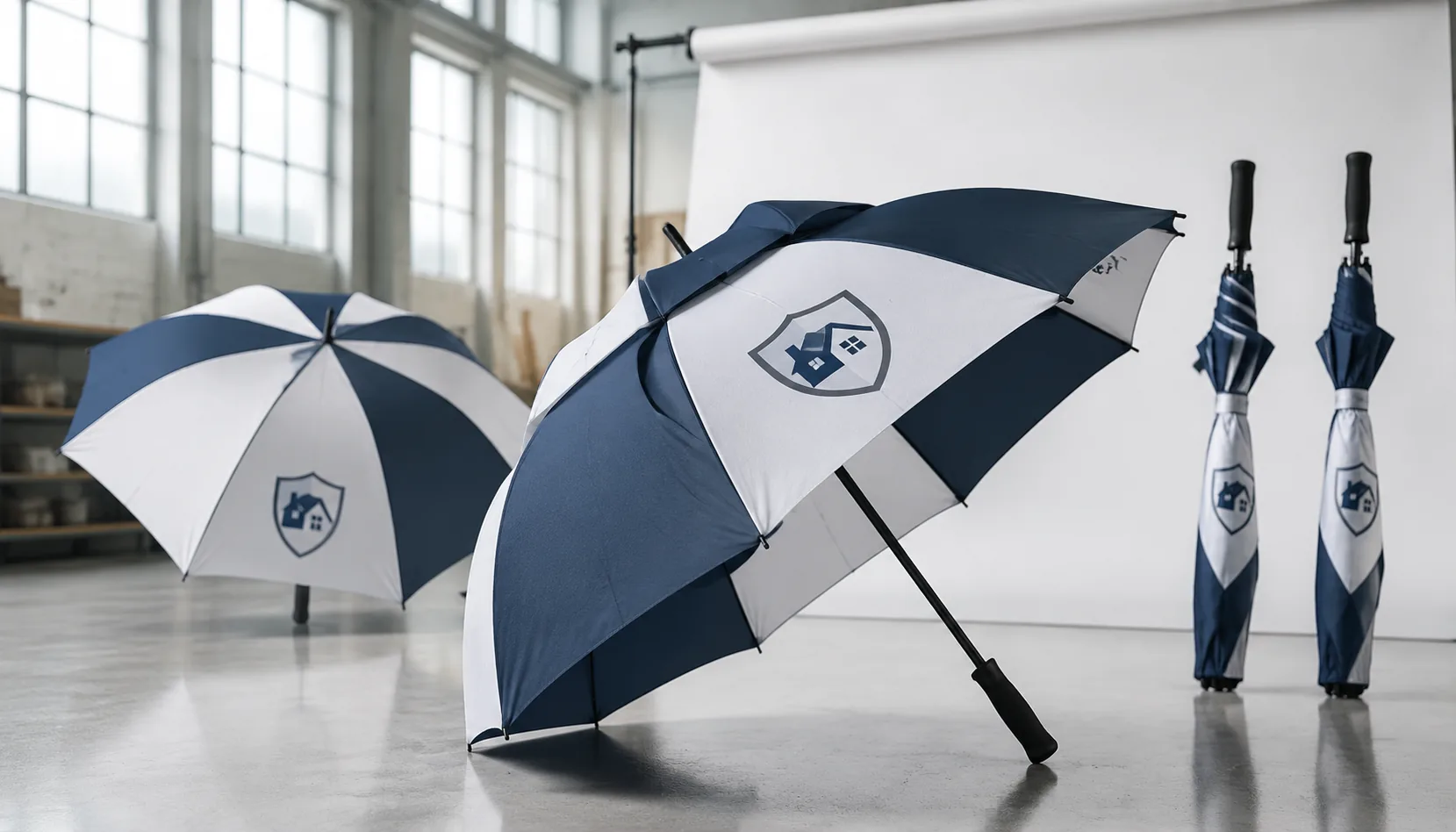
Custom Umbrellas for Insurance Claims and Adjuster Teams
Plan durable branded umbrellas for insurance adjusters, with windproof frames, fast deployment, logo visibility, MOQ, le...
Read More »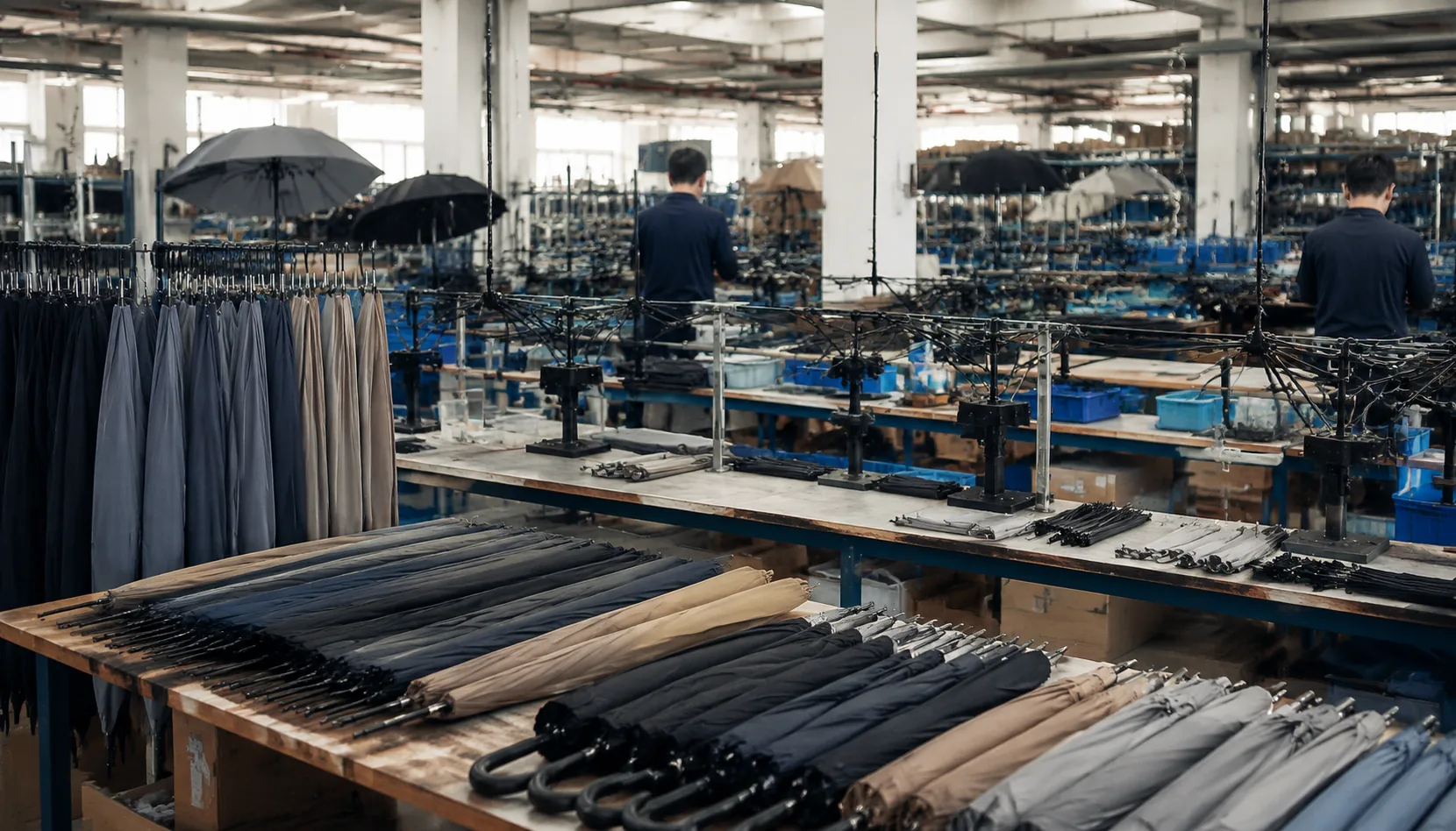
Custom Umbrellas for Insurance Agencies and Claims Teams
Source insurance-agency umbrellas for storm claims, branch giveaways, and adjuster kits with durable specs, AQL checks, ...
Read More »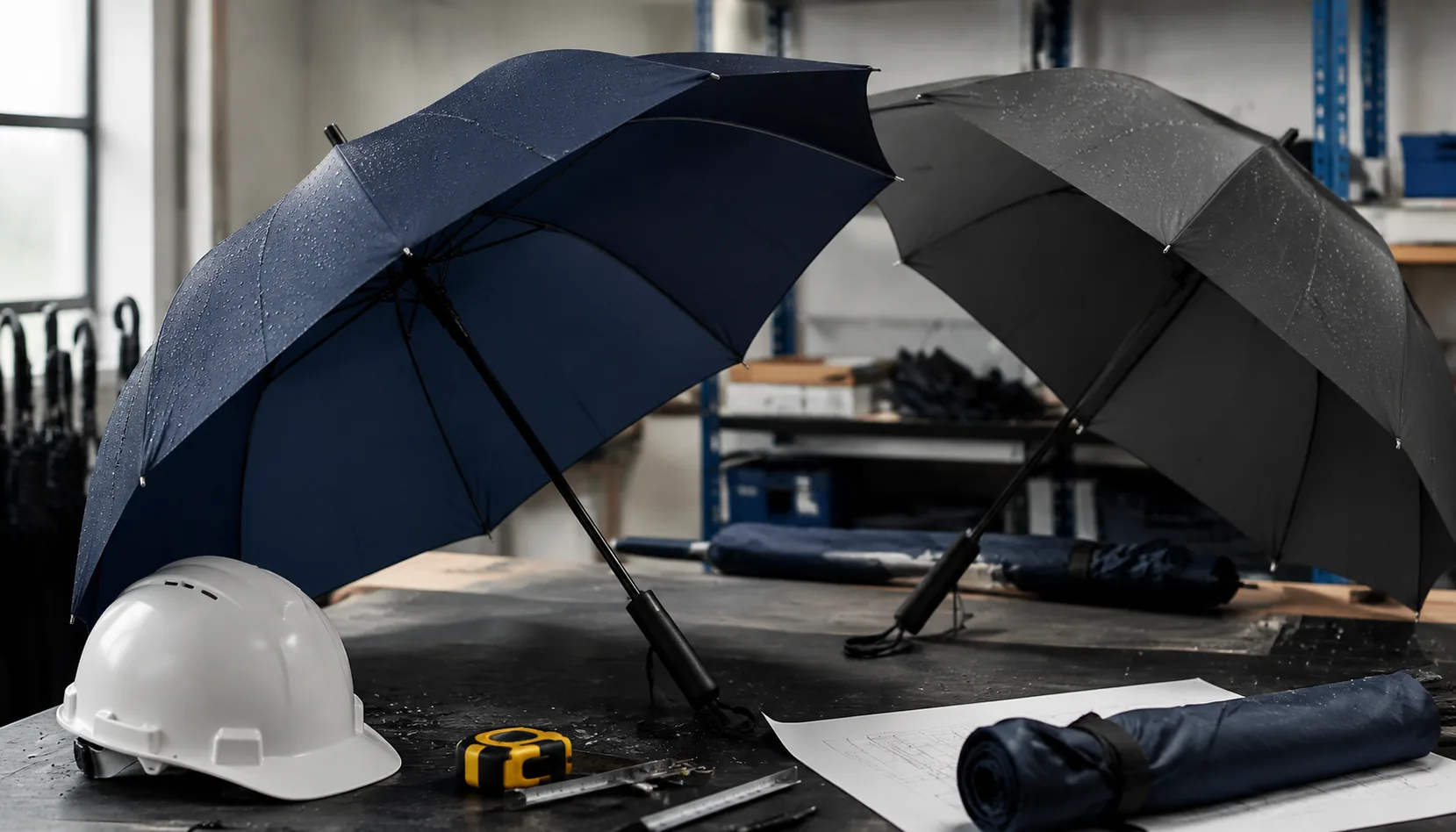
Branded Umbrellas for Insurance Claims Field Teams
Specify umbrellas for insurance adjusters with durable frames, fast deployment, professional branding, QC standards, and...
Read More »