Custom Umbrellas for Insurance Claims and Adjuster Teams
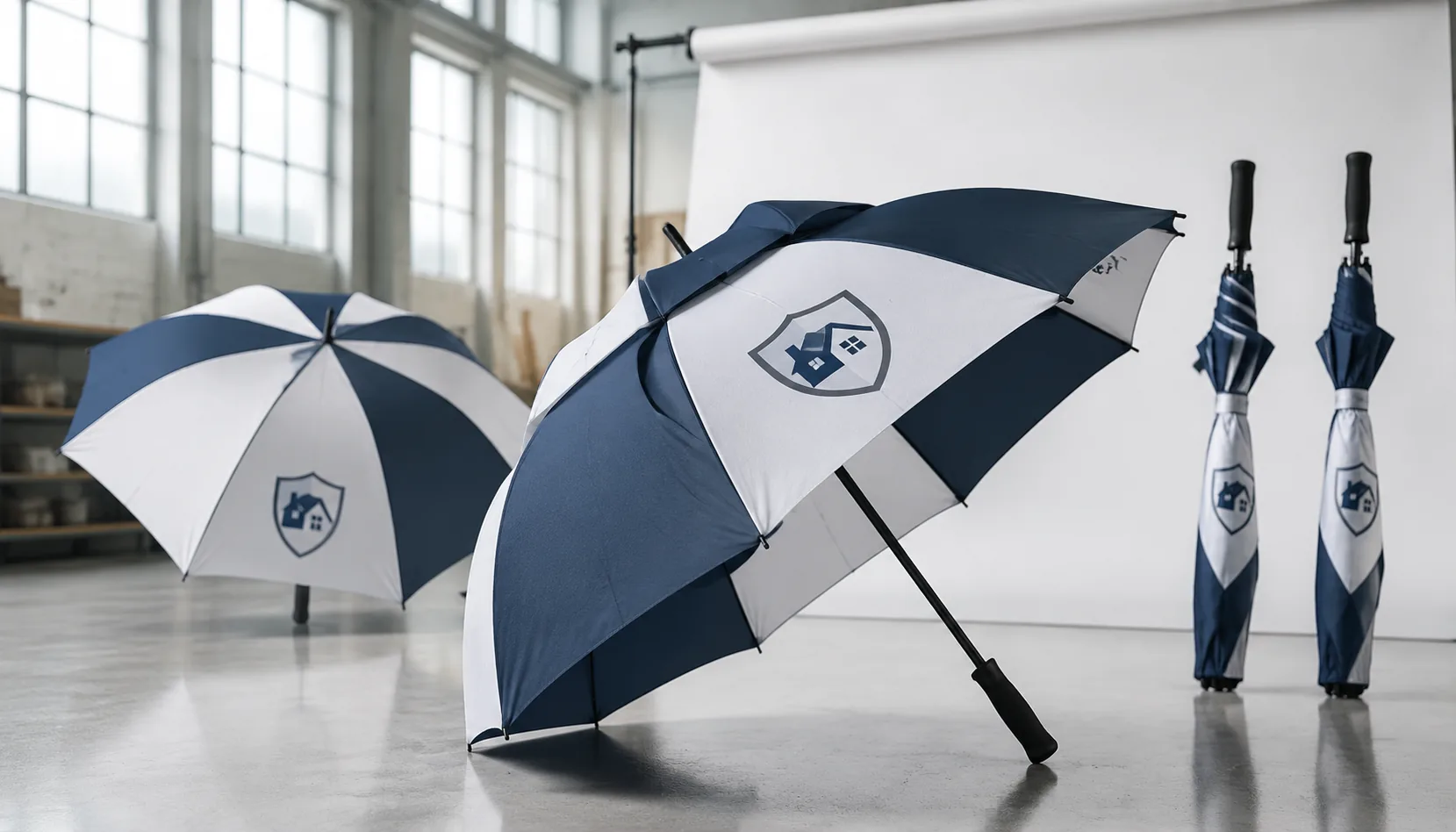
When adjusters step out after a storm, a weak umbrella can fail before the inspection even starts, taking your brand visibility with it. For insurance adjuster umbrellas, we look first at frame strength, one-hand deployment, canopy size, and print placement because those choices affect field use, MOQ planning, lead time, and QC checks on the production line. The right spec keeps teams dry, logos readable, and repeat orders consistent.
Field Conditions That Drive Umbrella Specifications
For post-storm property inspections, the umbrella has to stay out of the adjuster’s way more than it has to look impressive. A 42-48 inch arc is usually the practical range for insurance adjuster umbrellas because it covers one person, a clipboard or tablet, and a phone without hitting siding, gutters, fences, tree branches, or parked vehicles during a walkaround. I would avoid oversized golf umbrellas for most claims work unless the team is mainly inspecting open commercial roofs or parking lots. A compact 21" folding model with a 42" arc fits inside a vehicle door pocket or claims bag, while a 23" folding or short straight umbrella with a 46-48" arc gives better coverage when the adjuster is photographing hail dents, window flashing, or roof-edge damage in steady rain.
Auto-open handles matter because adjusters often step out of a truck holding a camera, moisture meter, ladder stabilizer, or file folder. A clean push-button open mechanism is faster than a manual runner, but it needs a stronger spring and reliable shaft lock; cheap auto-open units fail after repeated wet grit exposure. For claims team rain gear, I normally specify fiberglass ribs over painted steel ribs because fiberglass flexes when wind rolls around a house corner or through a damaged fence line. Steel ribs are cheaper and acceptable for light promotional use, but they bend permanently after one bad gust. On a 42-48 inch arc umbrella, 8K fiberglass is the baseline, while 10K gives noticeably better canopy tension for field teams working in coastal, plains, or storm-chasing regions.
Wet, windy sites are where double-canopy windproof designs earn their cost. A vented canopy lets pressure escape instead of turning the umbrella inside out when an adjuster crosses an exposed driveway, roof access point, or open lot after a thunderstorm. For branded field umbrellas, 190T or 210T pongee with a water-repellent coating dries faster than low-grade polyester and prints cleanly for carrier, TPA, or restoration-network logos. If a buyer asks for windproof umbrellas bulk, I push for fiberglass ribs, reinforced tips, and a vented canopy tested around 50+ mph rather than just accepting the word “windproof” on a quote sheet. As an OEM umbrella supplier, ZheBrella would also confirm handle grip size, logo placement, sleeve labeling, and carton packing before sampling, because adjusters judge the product in mud, wind, and rain—not in a catalog photo.
Materials and Frame Choices for Daily Claims Work
For daily claims routes, I usually steer buyers away from the cheapest all-steel frame and toward a steel shaft with fiberglass ribs as the practical baseline. The steel center shaft keeps cost controlled and gives a firm feel when the canopy is opened one-handed beside a vehicle, while fiberglass ribs flex instead of taking a permanent bend in gusts. The weak point is corrosion: if adjusters leave wet umbrellas in trunks, exposed steel ribs and stretchers can show red rust after one season, especially in coastal markets. A full fiberglass frame solves most of that problem and trims weight, but it costs more and feels slightly less rigid in the hand. For insurance adjuster umbrellas ordered as claims team rain gear, the better spec is a powder-coated or zinc-plated steel shaft, fiberglass ribs, stainless rivets where possible, and a simple manual or auto-open runner that can tolerate mud, grit, and repeated wet storage.
Canopy fabric matters as much as frame material because adjusters are not carrying these for a 10-minute walk from a parking lot. 190T pongee is acceptable for promotional giveaways, but 210T pongee has a tighter weave, better hand feel, cleaner logo printing, and less sag after repeated drying cycles. For branded field umbrellas, I prefer 210T pongee with a water-repellent finish, colorfastness testing, and reinforced tips; Teflon coating is useful when teams need fast shake-off between site visits. Rubberized straight handles or EVA foam grips are better than glossy plastic because they stay secure with wet gloves, while wrist straps reduce drops when an adjuster is holding a tablet, clipboard, or phone. Our standard practice at ZheBrella is to specify strap stitching as part of inspection, because that small seam fails early when factories treat it as decoration instead of load-bearing trim.
Rib count is a real tradeoff, not a simple upgrade. An 8K umbrella is lighter, opens faster, packs cleaner in fleet vehicles, and is usually enough for 23 inch or 27 inch insurance adjuster umbrellas used in normal rain. A 16K frame spreads canopy tension more evenly and looks more premium, but it adds weight, more joints, and more inspection points; if the rib wire, rivets, or runner are underspecified, 16 ribs can actually create more failure opportunities. For windproof umbrellas bulk orders, a 16K double-canopy vented model with fiberglass ribs can survive stronger gusts, but it should be tested, not assumed. I would ask any OEM umbrella supplier for wind-tunnel data around 45–50 mph, AQL 2.5 inspection photos, and pre-production samples showing grip texture, strap attachment, rib flexibility, and logo placement before approving production.
Branding Placement for Professional Field Visibility
For claims work, branding has to identify the person from 30–50 feet away without turning the umbrella into a billboard. A clean one-panel logo is the safest choice for insurance adjuster umbrellas because it keeps the canopy professional during roof inspections, driveway estimates, and carrier meetings. On a 23" or 27" stick umbrella, we usually place the logo on the panel opposite the tie strap so it faces outward when held naturally. For 8K and 10K frames, the printable triangle changes slightly by rib angle, so artwork should be checked against the actual panel template before sampling. Claims team rain gear often uses navy, charcoal, forest green, or black 190T/210T pongee because darker canopies hide mud splash, shingle dust, and trunk storage marks better than white or yellow.
Alternating-panel prints work when a carrier, TPA, or restoration partner needs stronger field visibility at CAT sites, but I would limit it to two logo panels on an 8K umbrella or four on a 16K golf umbrella. Too many printed panels make the umbrella look promotional instead of operational. PMS color matching should be confirmed on the final canopy fabric, not only on paper; sublimation on white pongee, screen print on dark pongee, and heat transfer film all shift color differently after drying or heat pressing. For branded field umbrellas, reflective piping is a practical upgrade along the canopy edge because it helps crews stand out near roads, parking lots, and storm-damaged properties. It adds cost, but less than changing to a full reflective panel layout.
Sleeve printing is underrated for team control because umbrellas spend more time packed in vans than open in the rain. A printed sleeve can carry the claim unit name, branch code, phone number, or QR asset tag, making bulk distribution easier after storms. For windproof umbrellas bulk orders, I prefer fiberglass ribs, a steel shaft, double-canopy venting, and an auto-open mechanism on 27" or 30" models; compact auto-open-close units are convenient but less stable in 50+ mph gust testing. As an OEM umbrella supplier, ZheBrella’s standard practice is to approve PMS chips, logo size, sleeve layout, and a pre-production sample before mass cutting, then inspect print registration, coating marks, and frame function under AQL 2.5 before FOB or DDP shipment.
Procurement Specs, MOQ, and Lead Time Planning
Lead time planning is where many insurance procurement teams lose two weeks. For insurance adjuster umbrellas, count production from final artwork approval and sample sign-off, not from the first inquiry. Typical mass production is 25–45 days depending on season, rib material, print method, and whether the order uses stock 190T pongee or dyed-to-order fabric. Add 3–5 days for final inspection, carton relabeling, and export documents if the shipment is divided by office location. FOB Ningbo or FOB Shanghai is the cleanest choice when your forwarder already consolidates other promotional products; Ningbo is usually faster for umbrella factories in Shangyu because the inland trucking leg is shorter. DDP is practical for U.S. or EU buyers that want landed cost control, but confirm duties, Section 301 exposure, Amazon or warehouse pallet rules, and whether the supplier is quoting air, sea, or Matson-type expedited service. For storm-season programs, place replenishment orders at least 60 days before hurricane or monsoon demand peaks.
Quality Control for Storm-Response Programs
Storm-response programs fail when the umbrella looks fine in a carton but jams on the first wet parking lot assignment. For insurance adjuster umbrellas, I want the mechanism checked before we talk about logo color. On auto-open and auto-open-close models, our line inspectors cycle sample units through open-close testing, normally 20 to 30 cycles during in-process inspection and more on pre-production samples. The spring should release cleanly, the runner should lock without thumb pressure, and the shaft should not twist under load. For 23 inch and 27 inch field sizes, we also check handle pull strength, button alignment, and ferrule seating because adjusters often open the umbrella one-handed while holding a tablet, ladder, or claim file.
Rib flex testing is where cheap claims team rain gear usually exposes itself. Steel ribs can be strong but will permanently bend after side gusts; fiberglass ribs cost more but recover better, especially in 8K and 10K frames built for field use. For windproof umbrellas bulk orders, we test rib joints, stretchers, tips, and canopy tension after repeated inversion and recovery. Double-canopy vented designs are reviewed for airflow balance, not just appearance, because an oversized vent can leak and an undersized vent will not dump wind pressure. Seam leakage review includes water spray testing around panel joins, top notch areas, and tie-wrap stitching. On 190T or 210T pongee, poor needle control or loose thread tension creates capillary leakage even when the fabric coating is acceptable.
Branding inspection matters because branded field umbrellas are handled roughly, photographed on job sites, and seen by policyholders during stressful claims visits. Screen print, heat-transfer, and sublimation artwork should be checked for registration, color tolerance, edge cracking, and adhesion after wet rub and fold testing. Our standard practice at ZheBrella is to run final inspection to AQL 2.5 for major defects, with critical defects such as sharp rib ends, failed locks, misprinted carrier logos, and leaking seams rejected before shipment. A practical OEM umbrella supplier should also discuss spare stock: catastrophe-response surges after hurricanes, hailstorms, or regional flooding can consume inventory fast. For recurring programs, holding 3% to 8% buffer stock or pre-approved greige canopies and frames cuts replenishment from normal 30 to 45 day production to much faster emergency dispatch.
Frequently Asked Questions
What umbrella size works best for insurance adjusters?
Most teams choose 42-48 inch arc auto-open umbrellas because they balance coverage with portability. For severe-weather regions, a 48 inch double-canopy model with fiberglass ribs offers better wind resistance.
Can each regional claims team have different branding?
Yes. Buyers can keep the same frame and canopy spec while changing panel logos, sleeve artwork, or handle tags by region, subject to MOQ per artwork version.
What umbrella size works best for insurance adjusters inspecting property damage?
Most claims teams choose 58-62 inch golf umbrellas because they cover the adjuster, clipboard, tablet, or camera during inspections. A straight handle or ergonomic EVA handle is usually easier to manage with gloves or field equipment.
What MOQ should buyers expect for branded adjuster umbrellas?
A typical MOQ is 500-1,000 pieces for custom logo umbrellas, depending on fabric color, frame type, and printing method. Lower quantities may be possible for stock-color umbrellas with one-position logo printing.
Which QC specs matter most for windproof umbrellas used by claims teams?
Key specs include fiberglass ribs, reinforced tips, wind-vented canopy construction, auto-open testing, fabric water-repellency testing, and logo adhesion checks. Buyers should also request carton drop testing and AQL inspection before shipment.
Looking to Launch Your Custom Umbrella Line?
ZheBrella is a Zhejiang-based OEM/ODM umbrella manufacturer with 17 years of export experience. Free design, low MOQ from 100 pieces, windproof construction, full-color print.
Get Free Quote Now »People Also Search For
Related Articles
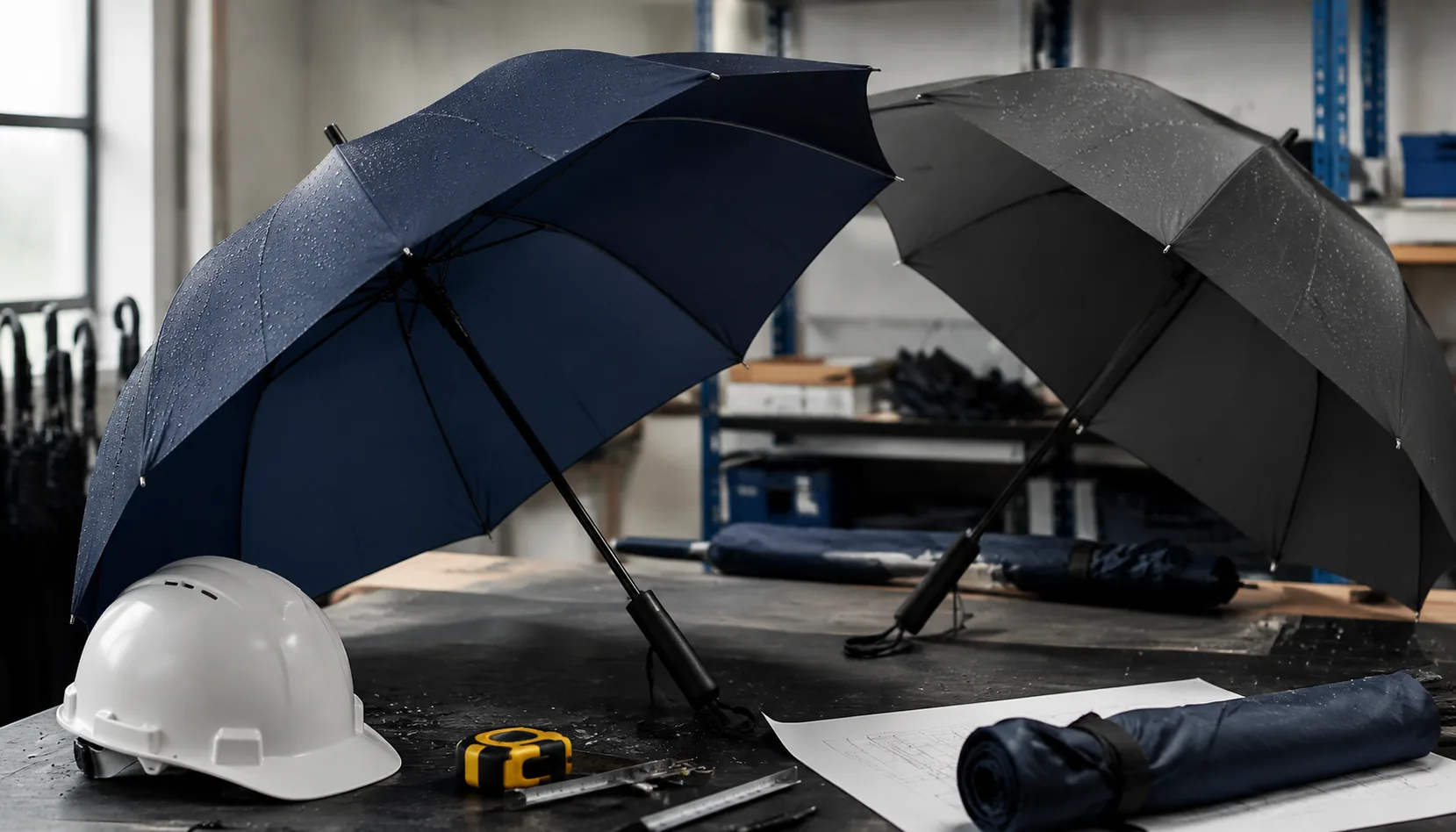
Branded Umbrellas for Insurance Claims Field Teams
Specify umbrellas for insurance adjusters with durable frames, fast deployment, professional branding, QC standards, and...
Read More »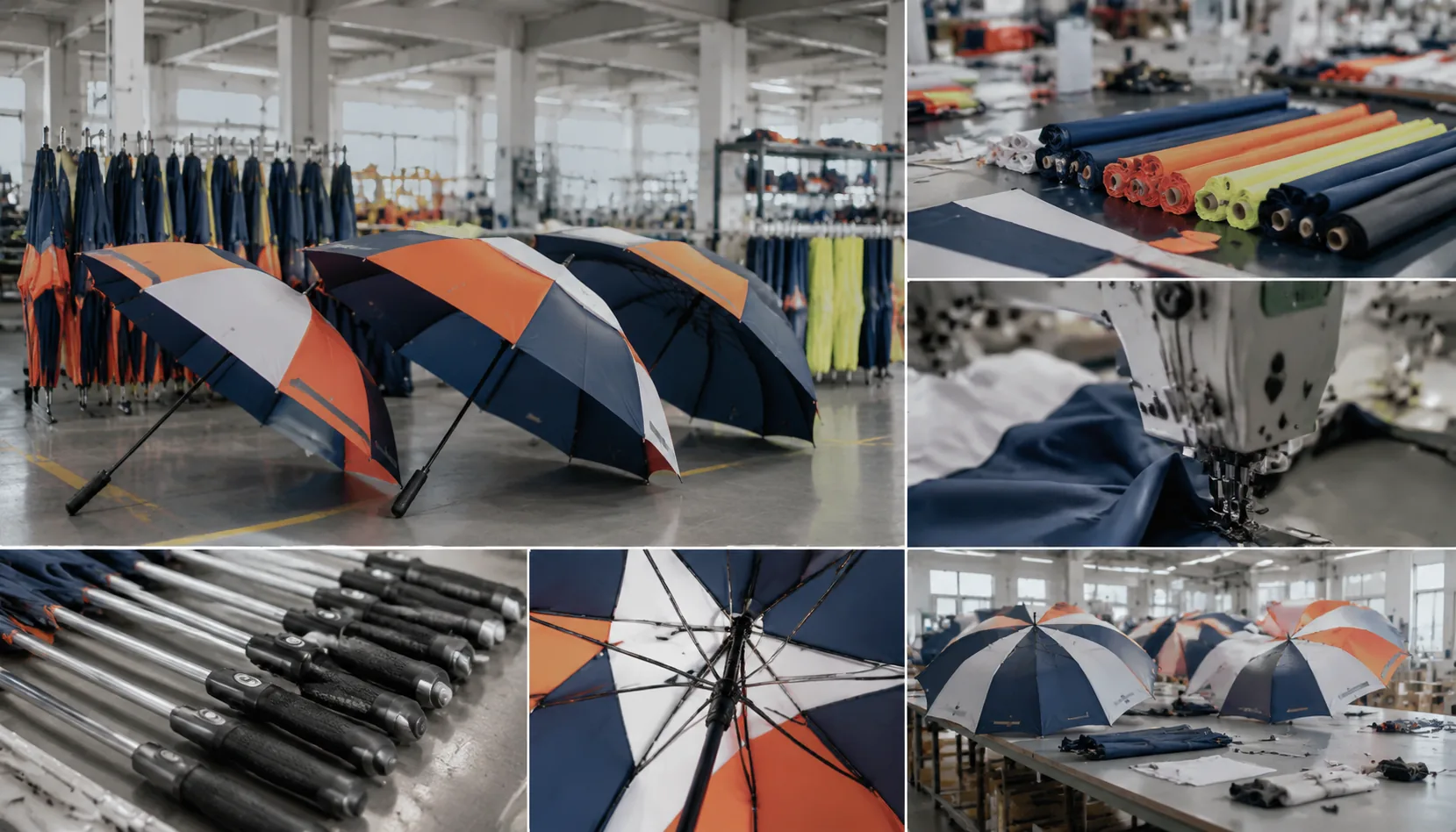
Branded Umbrellas for Insurance Claims and Roadside Teams
Plan umbrellas for insurance adjusters and roadside crews with windproof frames, fast reorders, compliant logos, and rea...
Read More »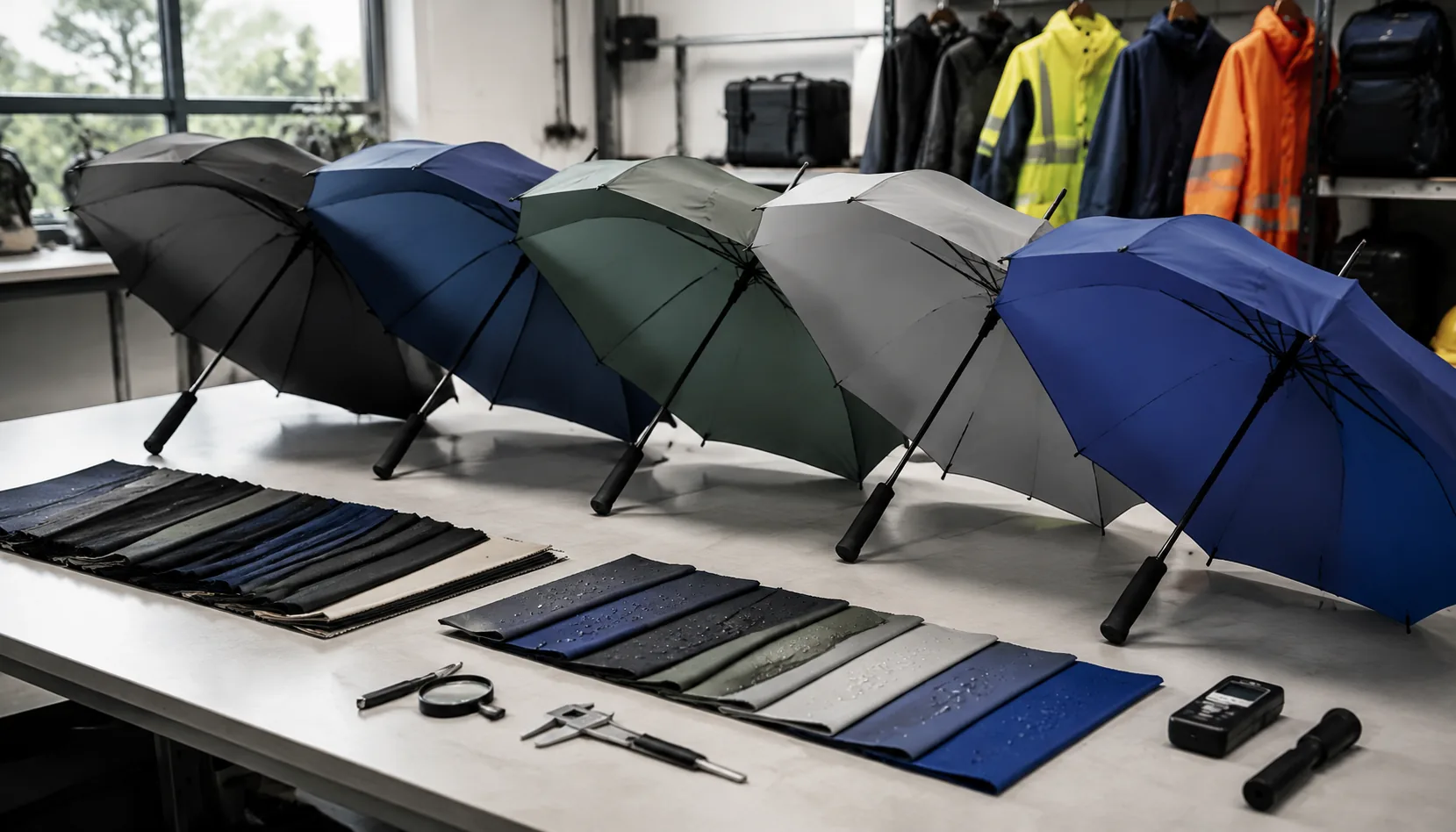
Branded Umbrellas for Insurance Adjusters and Claims Teams
Plan branded umbrellas for claims adjusters with windproof frames, safety colors, AQL 2.5 checks, MOQ guidance, and FOB/...
Read More »