Umbrella Programs for Insurance Adjusters and Claims Teams
When claims teams are working roadside, on roofs, or through CAT deployments, a standard promo umbrella usually fails where it matters most: coverage, wind stability, and repeatable lead times. From our factory floor in Songxia, we see buyers balancing field performance, logo consistency, and multi-branch delivery, so the right insurance adjuster umbrellas program starts with frame strength, canopy size, UV and rain protection, and packing methods that hold up at rollout scale.
How Claims and Adjuster Teams Use Umbrellas in the Field
Insurance adjuster umbrellas fail in the field, not in the office, so teams should spec for repeated vehicle-to-site use rather than promotional giveaway looks. During property inspections, adjusters photograph rooflines, inspect siding, and enter notes on tablets while standing on wet driveways or exposed lots where gusts shift quickly. In catastrophe response after hail, hurricanes, or severe thunderstorms, a crew may handle 8 to 12 visits in a day, so a 23-inch or 27-inch auto-open frame is the practical standard for one-handed deployment while the other hand carries a ladder bag, moisture meter, or claim file. For these conditions, a vented double-canopy with fiberglass ribs umbrella construction is a better choice than basic steel ribs because it resists inversion in gusty neighborhoods; well-tooled frames are commonly tested to 50+ mph in internal wind simulations. For insurance adjuster umbrellas, that translates into fewer field failures, lower replacement cost, and less risk of issuing gear that inverts within the first few days of deployment.
Vehicle assessments need a tighter footprint than property work because adjusters move through body-shop lanes, salvage yards, dealership lots, and roadside pull-offs where oversized golf frames slow them down. A 21-inch or compact 23-inch auto-open umbrella bulk program is usually the better fit for teams getting in and out of cars all day. Where territories combine rain with strong sun, a black-coated 190T or 210T pongee canopy with UPF 50+ umbrella performance cuts glare during photo capture and adds sun protection during long exterior inspections. During customer walk-throughs after a leak, fallen tree, or fender-bender, field claims team umbrellas also shape brand presentation: a clean printed polyester canopy keeps both parties drier and looks more professional at the exact moment the policyholder is judging service quality. Polyester generally prints more cleanly and wears better than POE, which is more prone to scratching and creasing. To reduce quality risk at scale, buyers should require AQL 2.5 inspection covering opening force, runner travel, stitch consistency, panel alignment, and logo registration before shipment.
Choosing Practical Specs for Daily Deployment
Choose format by daily use, not logo area. For most insurance adjuster umbrellas, a 23-inch auto-open stick is the safest standard issue because adjusters often need one-handed opening while carrying a tablet, claim file, or inspection notes around damaged property. A 27-inch stick gives broader coverage and suits supervisors or catastrophe crews spending longer shifts outdoors. A 21-inch 3-fold compact works when programs mail kits to branch offices or need easier storage in sedans and fleet vehicles, but it brings more joints, a shorter shaft, and lower wind tolerance than a straight stick frame. For field claims team umbrellas, the lowest-risk default is usually an 8K stick frame with fiberglass ribs: fewer failure points, faster deployment getting in and out of vehicles, and fewer replacements over a storm season.
Mechanism and frame spec determine service life. For auto-open umbrella bulk orders, auto-open with manual close is usually the best commercial choice because it delivers one-press deployment without the extra springs and linkages used in auto-open-close compacts, which fatigue faster under repeated daily cycles. In field use, a fiberglass ribs umbrella consistently outlasts all-steel frames because steel ribs take a set after gusts, while fiberglass flexes and returns to shape. A common upgrade for higher durability is an 8K vented frame with fiberglass ribs and a fiberglass or mixed fiberglass-metal shaft, typically specified when buyers want wind resistance in the 50+ mph range. For canopy fabric, 190T pongee is the standard cost-controlled option with reliable printability and water shedding; 210T pongee is the better pick when buyers want a denser weave and more premium hand feel. Add a black or silver undercoating for a UPF 50+ umbrella when teams work extended hours in sun-exposed lots or catastrophe zones. For larger runs, require pre-shipment checks on rib material, fabric weight, auto-open function, and finish consistency under AQL 2.5 inspection to cut field failures and replacement cost.
Rain, Sun, and Wind Protection Standards
For insurance adjuster umbrellas, specify wind performance before cosmetic upgrades. In storm-prone regions, the baseline should be a double-canopy vented design on a 27-inch 8K frame with fiberglass ribs and either a full fiberglass shaft or a steel shaft/fiberglass rib combination. That construction releases pressure through the upper canopy, lowers inversion risk during roadside inspections, roof-loss assessments, and CAT deployments, and generally recovers better from gusts than all-steel frames. For procurement, the decision rule should be explicit: if the program covers hail, hurricane, or severe thunderstorm claims, a fiberglass ribs umbrella with vented canopy construction is the core risk-control spec. Auto-open umbrella bulk programs also fit field reality better than low-cost auto-open-close models, because adjusters often need one-handed deployment while carrying a tablet, camera, or ladder bag. A practical target is factory wind testing above 50 mph, since durability in service matters more to claims teams than upgraded handles, sleeves, or gift-box packaging.
Sun protection should be specified as a functional requirement, not a marketing extra, in high-exposure markets such as Texas, Arizona, inland California, and similar export climates. A credible UPF 50+ umbrella typically uses 190T or 210T pongee with a black UV undercoating or silver UV treatment, paired with a water-repellent finish so one canopy can handle both sun and rain without shortening service life. Keep quality control measurable: an AQL 2.5 inspection should verify canopy diameter, coating adhesion, stitch density, and opening smoothness, because a UV claim has little value if the runner binds or the canopy puckers after weeks in a truck. For size selection, a 27-inch 8K frame is usually enough for solo adjusters moving between vehicle and property, taking quick photos, or handling clipboard work, where lower weight and better carton efficiency help control FOB and freight cost. Move up to a 30-inch frame, or a 30-inch golf-style 8K or 16K build, when field claims team umbrellas need to cover an adjuster plus a tablet, camera bag, or policyholder in sustained rain; the added FOB cost and shipping volume are easier to justify when broader coverage reduces frustration and replacement risk.
Deployment Models, Reorders, and Budget Control
Centralized purchasing works best when one insurer controls brand, budget, and replenishment across 20 to 200 branches. For insurance adjuster umbrellas, the lowest-risk model is to lock one approved seasonal SKU—frame, canopy fabric, colorway, and imprint position—then release shipments by branch or month instead of rebuilding specs on each PO. A practical standard is a 23-inch auto-open umbrella bulk model with 8K fiberglass ribs, a black steel shaft, and a 190T or 210T pongee canopy; it handles daily trunk use better than entry-level all-steel frames without jumping to 27-inch golf umbrella cost. Normal MOQ is 300 to 500 units per colorway for standard production. If the program adds custom handle molds, woven labels, or double-canopy vented construction, the efficient MOQ usually rises to about 1,000 units because tooling and setup have to be spread across more pieces. If branches operate in high-UV states, specify the UPF 50+ umbrella treatment on the first master PO; splitting UV and non-UV versions later adds SKU complexity, weakens reorder control, and makes branch budgeting harder.
Regional stocking is the better fit for catastrophe deployment because hurricane, hail, and wildfire demand rarely hits every territory at the same time. Hold field claims team umbrellas in 2 to 4 regional inventory pools, carry 10 to 15 percent spare stock above planned headcount, and keep at least one undecorated emergency buffer for rush redeployment when speed matters more than branch-specific branding. Cat teams are harder on equipment, so a fiberglass ribs umbrella is the safer durability choice versus an all-steel economy frame, especially in 40 to 50 mph gusts or when units are packed into fleet vehicles. For coastal hurricane response, a 27-inch or 30-inch vented model usually earns the added cost; hail regions often stay with 23-inch auto-open units that store better in sedans and adjuster SUVs. For budget control, forecast preseason demand 60 to 90 days before peak events, place one master PO, and schedule staggered releases. Repeat orders usually run 25 to 35 days after sample approval; new custom programs with Pantone matching, molded parts, or special packaging typically need 35 to 50 days. Use AQL 2.5 inspection on opening action, print registration, stitching, and carton counts, then choose FOB by release for tighter cash flow control or DDP for simpler landed-cost planning across multiple depots.
QC, Packaging, and Shipping for Multi-Branch Distribution
For multi-branch programs, carton labeling is a shipping control, not a back-office detail. If 500 insurance adjuster umbrellas are allocated across headquarters, a CAT warehouse, and six field offices, each master carton should show the branch code, city, PO number, style or color ID, and carton sequence such as 1/48, 2/48, and 3/48, then match a destination-level packing list before loading. That prevents the most common distribution failures: misrouted cartons, short receipts, and relabeling costs at the buyer’s dock. Inner packing should match how the goods will be issued. Individual polybags are the lowest-cost option for clean packed shipments; non-woven or RPET sleeves make more sense when units go straight to adjusters and need better presentation and abrasion protection. On auto-open umbrella bulk orders, especially 21-inch and 23-inch straight-stick models, pack-out discipline matters. A fiberglass ribs umbrella frame should not be over-compressed to cut carton cube, because that is when bent tips, ferrule distortion, canopy creasing, and handle scuffs show up after transit. For field claims team umbrellas, tighter carton specs usually cost less than the claims, replacements, and branch-level rework caused by damaged arrivals.
Release should happen only after packed-goods inspection confirms both product quality and shipping accuracy. An AQL 2.5 inspection on finished cartons should check canopy appearance, logo position, open-close action, rib alignment, stitching, handle finish, branch-label accuracy, and carton counts, because shipped condition is what the buyer actually receives. The most expensive misses on insurance adjuster umbrellas are usually operational defects rather than obvious cosmetic ones: mixed handle colors, wrong branch stickers, short-packed cartons, or stiff runners that show up only after repeated cycling. If the specification calls for a UPF 50+ umbrella canopy, vented construction, 210T pongee instead of 190T, or another defined frame build, QC should verify the correct fabric lot and components so performance is not downgraded by substitution. Terms should match the delivery model. FOB is usually the cleaner option when all cartons move to one U.S. or EU DC and the buyer wants control over freight, customs, and domestic routing. DDP is often better for direct delivery to multiple field offices, since one supplier-managed shipment can cover duty, customs clearance, and last-mile delivery; the trade-off is higher landed cost and a stronger need for exact consignee data before dispatch. Typical lead time remains 25 to 35 days after sample approval, with transit at roughly 7 to 10 days by air or 25 to 40 days by ocean, depending on destination and season.
Frequently Asked Questions
Are compact umbrellas suitable for insurance adjusters?
Compacts work for car-based adjusters who need easy storage, but stick umbrellas are usually more durable for heavy daily use. If brand visibility matters during site visits, stick models also give larger print area.
Do claims teams need UPF 50+ umbrellas or standard rain umbrellas?
UPF 50+ is valuable for adjusters working long hours outdoors in warm or high-UV regions. For mixed climates, some buyers standardize on one coated canopy to cover both sun and rain without creating multiple SKUs.
What umbrella size works best for insurance adjusters moving between vehicles and inspection sites?
A 27 to 30 inch auto-open stick umbrella is usually the best balance for field use. It gives enough coverage for tablets, clipboards, and shoulder bags without being as bulky as a full oversize golf model.
How should a regional claims team split colors or logos across multiple branch rollouts?
Most buyers keep one frame and canopy specification, then vary 1 to 3 panel print layouts or handle badges by region. This simplifies replacement ordering and keeps MOQ manageable, often starting around 300 to 500 units per colorway.
What lead time should buyers expect for a custom umbrella program before storm season?
For OEM production, plan about 7 to 10 days for sample approval and 35 to 50 days for bulk production after deposit. If you need pre-shipment inspection to AQL 2.5 and split packing by branch, add a few extra days to the shipment window.
Looking to Launch Your Custom Umbrella Line?
ZheBrella is a Zhejiang-based OEM/ODM umbrella manufacturer with 17 years of export experience. Free design, low MOQ from 100 pieces, windproof construction, full-color print.
Get Free Quote Now »People Also Search For
Related Articles

Umbrella Programs for Insurance Adjusters and Claim Teams
Build durable umbrella programs for adjusters and field claim teams with practical specs, branding rules, MOQs, QC stand...
Read More »
Custom Umbrellas for Insurance Adjusters and CAT Teams
Source umbrellas for adjusters and CAT teams with fast deployment, durable frames, and bulk logistics that support field...
Read More »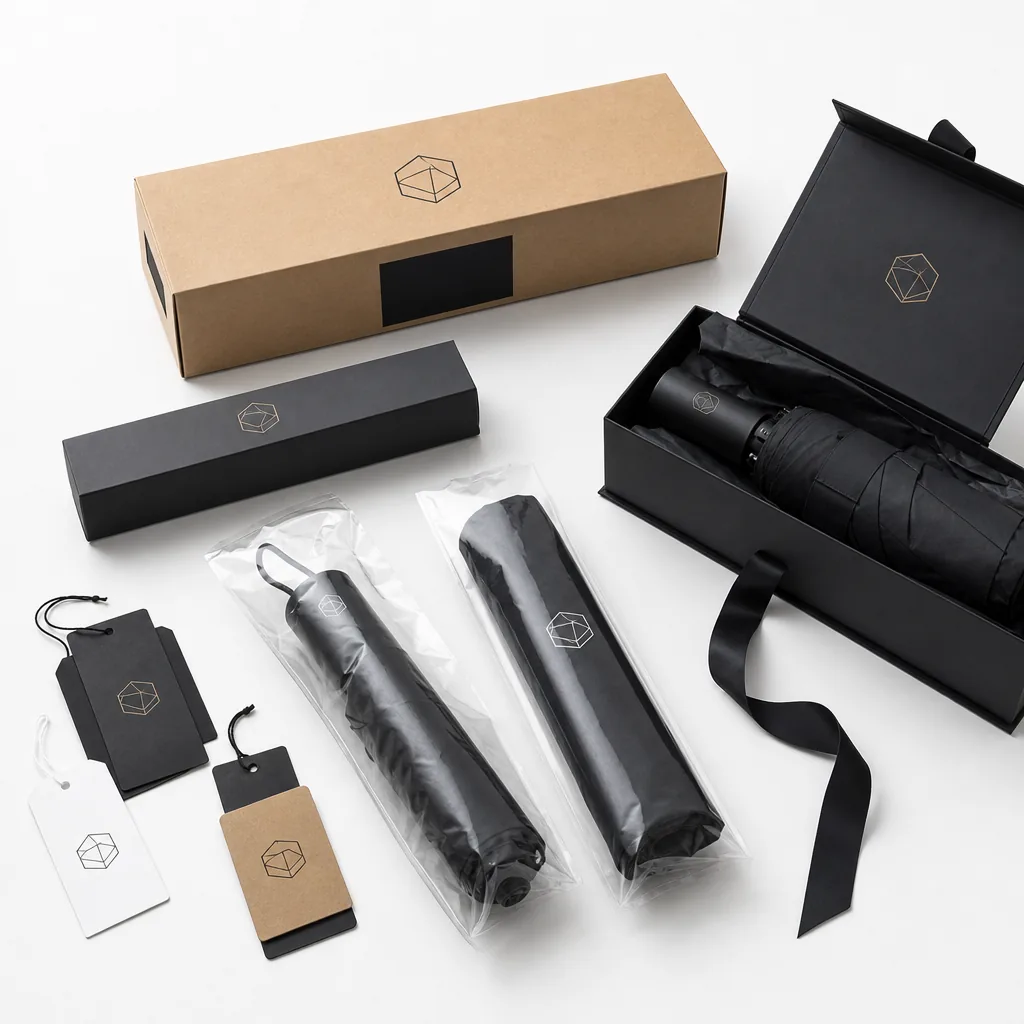
Custom Umbrellas for Insurance Adjusters and Claim Teams
Source durable umbrellas for adjusters and field claim teams with fast-open specs, weather-ready fabrics, QC standards, ...
Read More »