Custom Umbrellas for Insurance Adjusters and Claim Teams
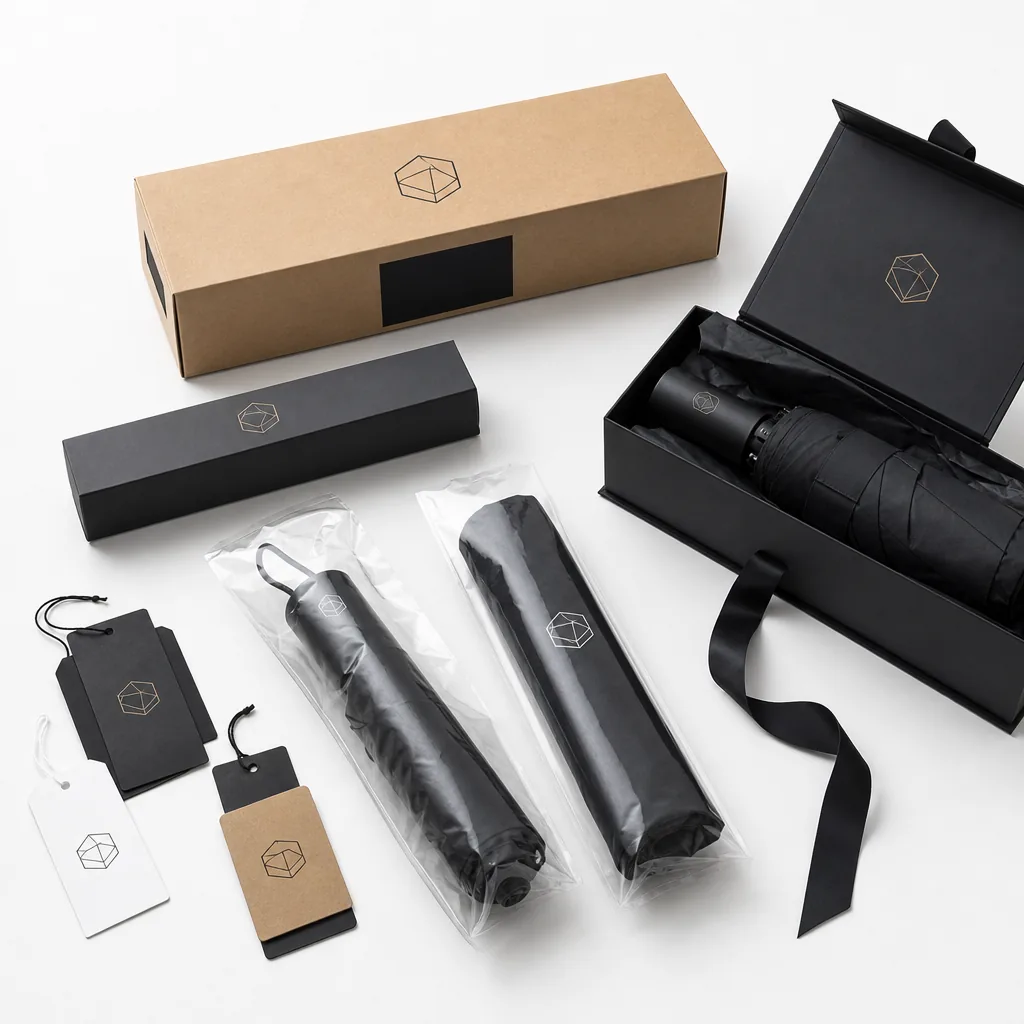
When claim teams step into wind, rain, and roadside inspections, a failed umbrella slows reports, frustrates staff, and reflects poorly on the brand issuing it. From our production floor in Songxia, the key is matching insurance adjuster umbrellas to real field conditions: fast-open frames, canopy fabrics that shed hard rain, and batch QC that catches weak ribs and inconsistent auto-open action before shipment.
How Insurance Teams Use Umbrellas in the Field
For field claims work, umbrella selection comes down to deployment speed, coverage, and failure rate under real weather exposure. Most insurance adjuster umbrellas used in catastrophe response and routine home inspections need one-handed opening, fast water shedding, and a frame that can survive repeated trips through trucks, staging tents, and partially damaged structures. For solo adjusters, a 21-inch or 23-inch foldable is usually the most practical format because it fits a backpack, door pocket, or laptop bag. An auto-open work umbrella saves time when the other hand is occupied with a tablet, phone, ladder, or file case. Frame spec matters more than cosmetics: an 8K or 10K fiberglass frame is a stronger field choice than basic steel in coastal territories or storm season. A fiberglass rib umbrella flexes and recovers after a hard gust; low-cost steel ribs are more likely to take a permanent bend, which shortens service life and increases replacement cost.
Auto claims, roof checks, and siding inspections usually need more canopy area than a commuter foldable can provide. When an adjuster is photographing vehicle damage, verifying VIN details, or writing notes along an exposed property line, a 27-inch or 30-inch straight umbrella gives better coverage for the user, clipboard, and electronics. For that use, 190T or 210T pongee is a better canopy spec than low-grade polyester because it dries faster and prints branch or regional logos more cleanly. If teams regularly work in 40 to 50 mph conditions, a vented double-canopy is usually worth the added cost. Team deployment should be purchased separately from individual issue: field claims team umbrellas typically combine compact foldables for mobile adjusters with full-coverage straight models stored in vehicles, pop-up stations, or supervisor kits. For bulk branded safety umbrellas used at catastrophe sites and agent community events, simple one- or two-color logos, high-visibility panels, and reflective edge trim are usually more effective than complex artwork. Typical custom MOQ runs 300 to 500 pieces per style with 25 to 35 day production, and buyers should require AQL 2.5 inspection for open-close function, rib alignment, stitching, and handle fit before FOB or DDP release.
Choosing Practical Specs for Daily Field Work
For adjusters exiting a vehicle with a tablet, clipboard, or camera bag, the opening mechanism affects cycle time on every stop. A manual runner usually needs two hands; an auto-open work umbrella in a 23-inch or 27-inch size opens with one button, so the second hand stays on equipment. That makes auto-open the practical baseline for insurance adjuster umbrellas used on hail, roof, and property inspections with frequent in-and-out vehicle use. Auto-open/close earns its higher unit cost when teams are car-based and collapse the umbrella dozens of times per shift. It shortens the time needed to clear the canopy before getting back into a sedan, SUV, or pickup and reduces snags on doors, seats, and center consoles. For buyers, the decision is straightforward: pay for mechanism speed where route density is high, and judge the frame by replacement rate and total landed cost, not just the lowest FOB piece price. Compact fashion frames may look cheaper on paper, but they usually trade away shaft strength and mechanism durability that field use quickly exposes.
Frame choice determines whether field claims team umbrellas survive routine wind exposure or become a replacement line item. Steel ribs work for low-cost promotional use, but they add weight and are more likely to stay bent after inversion. A fiberglass rib umbrella costs more upfront and generally recovers better from gust loads in parking lots, roadside shoulders, and exposed neighborhoods after storms. For standard-duty daily use, an 8K frame is the most practical spec: enough support for repeated deployment without the extra bulk of heavier builds. Match it with 190T or 210T pongee rather than thin promo polyester to improve tear resistance and keep printed branding sharper over time. In storm-prone regions, move to a 27-inch double-canopy vented design on an auto-open or auto-open/close frame; the vented canopy releases pressure instead of acting like a sail in the first hard gust. For bulk branded safety umbrellas, that combination lowers replacement frequency and downtime, especially with fiberglass ribs and high-visibility canopy colors for roadside visibility.
Fabric, Visibility, and Brand Presentation
For teams that open and close umbrellas dozens of times a day, canopy fabric is a cost and service-life decision, not a cosmetic one. For insurance adjuster umbrellas, 190T pongee is the practical entry spec: it keeps weight down, sheds water quickly after repeated rain exposure, and supports clean 1-color or 2-color spot printing on simple logos. 210T pongee uses a tighter weave, so it resists abrasion better at fold lines, shows less premature wear when umbrellas are packed damp between stops, and gives a smoother print surface for fine logo details or dark corporate colors. If the frame is already set as an auto-open work umbrella with fiberglass ribs, upgrading from 190T to 210T is usually the most efficient durability step because it improves hand feel and perceived quality without the larger cost increase tied to double-canopy construction or specialty finishes. In buying terms, 190T fits short-cycle promotional programs; 210T is the safer specification for repeated field deployment through a full storm season.
Visibility should help adjusters be seen during roadside and property inspections without making the umbrella look like giveaway merchandise. For field claims team umbrellas, the most controlled approach is high-visibility yellow, orange, or lime on limited canopy sections—typically 2 alternating panels on an 8K canopy or 4 panels on a 16K golf umbrella—so crews gain visibility in traffic and low light while the umbrella still reads as professional equipment. Reflective trim can add useful low-light visibility, but only when tape placement and seam stitching are consistent; poor application leads to edge puckering, early peeling, and higher QC rejects. For sunny inspections, a silver or black UV undercoating rated UPF 50+ is a practical add-on, especially on 27-inch or 30-inch canopies used for long exterior assessments. Branding should stay restrained on bulk branded safety umbrellas: a 1-color or 2-color mark on 1 or 2 opposite panels, plus optional small team text on the closing strap, looks like asset identification rather than advertising. Large all-over graphics increase print registration risk, especially on dark 190T fabric, and undermine the professional presentation most claim teams want.
Program Economics: MOQ, Reorders, and Lead Times
Regional claim programs usually save more by limiting variation than by negotiating each office separately. For insurance adjuster umbrellas, the simplest replenishment model is two fixed SKUs: a 21-inch or 23-inch auto-open work umbrella that fits daily vehicle use, and a 27-inch vented straight umbrella for CAT deployment in open lots, roadside inspections, and temporary staging areas. Lock the core build across regions—8K fiberglass ribs instead of mixed steel frames, 190T or 210T pongee canopy, black shaft, and one approved Pantone logo file—so cartons pack consistently and repeat orders do not drift in color or construction. That lowers dead-stock risk when local preferences change and gives procurement cleaner reorder pricing. If regional offices need flexibility, limit it to handle style or logo position; changing canopy size, frame type, or fabric creates separate purchasing streams and complicates replenishment.
Program economics usually break on MOQ and timing. A practical starting MOQ is 300 to 500 pieces per color per style for a standard screen-printed umbrella; custom handles, reflective trim, or nonstandard canopy panels push the true economic minimum higher and add setup time. For field claims team umbrellas and bulk branded safety umbrellas, keep one stock frame, one or two canopy colors, and one approved print file on record for repeat runs. Typical timing is 1 to 2 days for a digital mockup, 5 to 7 days for a pre-production sample, 35 to 45 days for first orders after deposit and art confirmation, and about 25 to 35 days for approved-SKU reorders. For hurricane, hail, or wildfire claim seasons, plan buys 60 to 90 days ahead and reserve production capacity early; once demand spikes, black or navy canopies, print lines, and frame assembly tighten first. If lead time matters more than novelty, stay with proven specs such as a fiberglass rib umbrella frame, 190T pongee, and an established auto-open mechanism instead of introducing special materials during CAT season.
Inspection Standards and Delivered Cost Control
For insurance adjuster umbrellas, set inspection at AQL 2.5 and write the checkpoints into the QC sheet before production starts. Sampled units should be checked for opening action, stitching, print alignment, and handle fit on every frame type—manual, auto-open, and auto-open-close. Inspectors should cycle each umbrella several times to confirm smooth runner travel, full top-notch lock, and no spring hesitation; on any auto-open work umbrella, sticking at the top notch is a reject because adjusters often open it one-handed while carrying a tablet or claim file. Stitching checks should cover panel seams, top-cap reinforcement, and strap attachment on 190T or 210T pongee canopies, where skipped stitches can spread under wind load. Print inspection should compare logo placement to approved artwork tolerances and reject registration drift, color shadowing, or upside-down panels before stock is packed for branch distribution.
Handle fit needs the same AQL 2.5 discipline as canopy and frame performance. Sampling should include pull and torque checks on straight and crook handles, plus visual review for glue squeeze-out, ferrule gaps, and misaligned push buttons on auto shafts. That still matters on a fiberglass rib umbrella rated around 50+ mph in wind testing, because field users notice grip security, opening feel, and canopy symmetry first. For bulk branded safety umbrellas, add checks for straight reflective tape application and consistent high-visibility panel color across the lot; mixed shades in one branch shipment read as a sourcing mistake. Delivered cost depends on shipping terms: FOB works better for insurers or distributors using their own forwarder and consolidating suppliers, while DDP simplifies multi-branch delivery by rolling duty, customs clearance, and final-mile freight into one landed-cost figure. To support branch-level allocation, master cartons should be labeled with PO, SKU, color, branch code, carton count, and destination city so receiving teams can sort without reopening cases.
Frequently Asked Questions
What umbrella style works best for insurance adjusters who move between vehicles all day?
A compact auto-open or auto-open/close folding umbrella usually fits best because it stores easily in cars and deploys quickly at inspection stops. For catastrophe teams stationed outdoors longer, a larger straight umbrella may provide better coverage.
Is double-canopy construction necessary for insurance field teams?
It is not mandatory for every program, but it is valuable in storm-prone territories where umbrellas face stronger gusts. For daily all-region use, it can reduce failure rates and improve service life versus basic single-canopy models.
What umbrella diameter works best for insurance adjusters carrying tablets or clipboards during site visits?
A 27 to 30 inch single-canopy frame typically gives one-person coverage without feeling oversized around vehicles or damaged property. If teams need to shield a tablet bag or inspection folder as well, many buyers move up to a 30 to 32 inch canopy.
Which QC checks matter most for umbrellas used by field claim teams in repeated vehicle entry and exit?
Focus on open-close cycle testing, shaft wobble tolerance, rib joint reinforcement, and fabric water-spray performance. For B2B orders, a practical benchmark is pre-shipment sampling plus cycle testing in the 500 to 1,000 open-close range on approved production samples.
How should buyers plan mixed-size bulk orders for regional claim teams with different weather conditions?
A common approach is to split the PO by use case, such as 70% standard windproof units for daily vehicle work and 30% larger coverage units for coastal or storm-prone regions. Many factories can support color or imprint consistency across mixed assortments if total volume still meets the MOQ, often starting around 500 to 1,000 pieces per style.
Looking to Launch Your Custom Umbrella Line?
ZheBrella is a Zhejiang-based OEM/ODM umbrella manufacturer with 17 years of export experience. Free design, low MOQ from 100 pieces, windproof construction, full-color print.
Get Free Quote Now »People Also Search For
Related Articles
Custom Umbrellas for Insurance Adjusters and Claims Teams
Source practical umbrellas for insurance field teams with durable frames, fast deployment, QC standards, and reorder pla...
Read More »Umbrella Programs for Insurance Adjusters and Claim Teams
Build durable umbrella programs for adjusters and field claim teams with practical specs, branding rules, MOQs, QC stand...
Read More »
Umbrella Programs for Insurance Adjusters and Claims Teams
Build umbrella programs for insurance adjusters with field-ready specs, sun and rain protection, branding options, and d...
Read More »