Branded Umbrellas for Theme Parks and Visitor Attractions
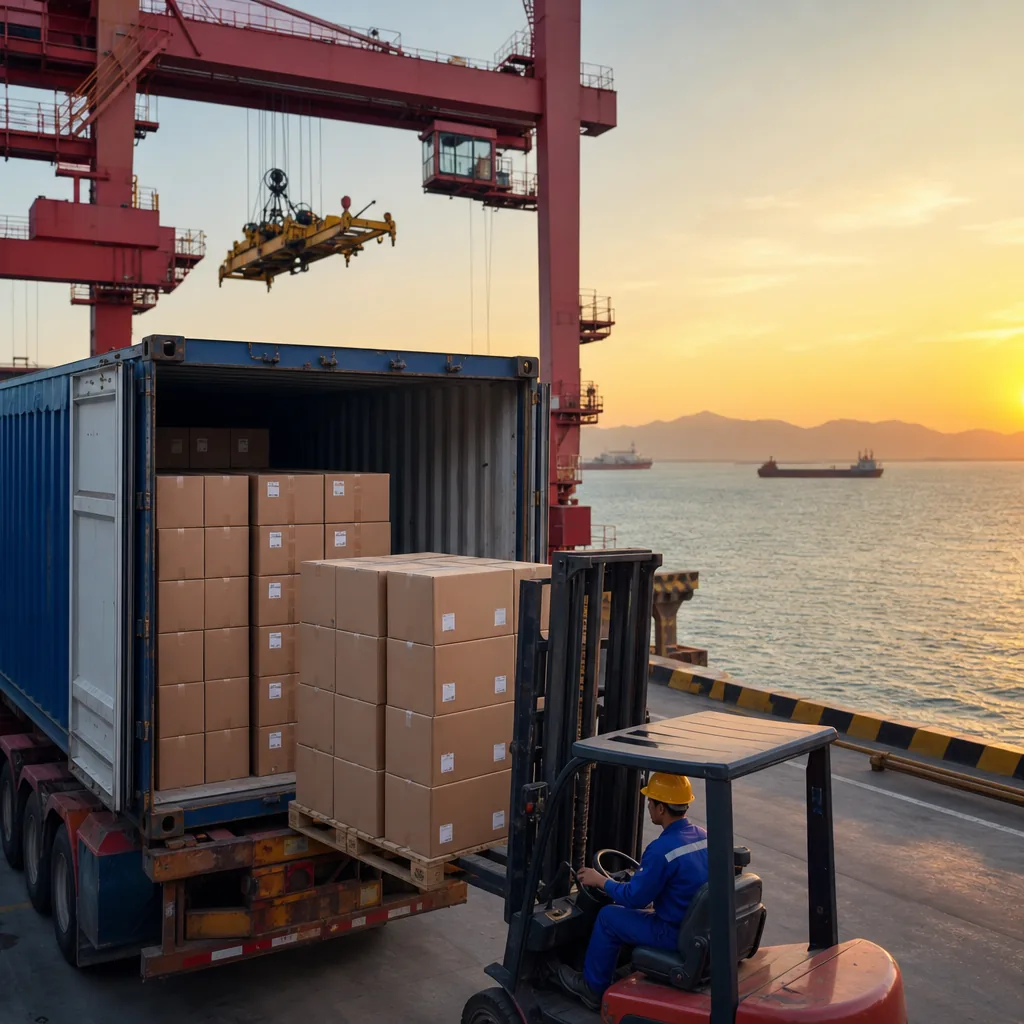
Buying theme park branded umbrellas is not just a print decision; it is a durability, safety, and supply-chain decision. At the factory floor, we see the failure points first: ribs that bend in gusts, coatings that fade under UV, and packaging that slows replenishment across multiple attractions. The right spec balances windproof structure, UPF 50+ fabric, consistent AQL checks, and clear FOB or DDP terms so the operator gets reliable guest-facing product without avoidable rework.
Where umbrellas add value in parks and attractions
Theme park branded umbrellas do real work before they ever become merchandise. In guest-service operations, a compact umbrella is the practical answer for sudden rain, stroller coverage, and walking between parking, gates, and shuttle stops. The better parks usually keep a mixed program: 21" or 23" auto-open umbrellas for convenience, and larger 27" or 30" models for families, VIP arrivals, and premium retail. For queue protection, double canopy windproof construction matters because a cheap single-layer umbrella flips inside out when wind runs through an open plaza or parade route. If the attraction is selling theme park branded umbrellas as part of the brand experience, the canopy, handle feel, and opening speed matter as much as the logo placement. The guest does not care about factory jargon, but they do notice if the umbrella is hard to deploy with one hand while holding a ticket, drink, or child.
Retail shops and rainy-day impulse sales are where visitor attraction umbrellas usually pay back fastest. A wet day creates immediate demand at the gate, in souvenir stores, and near ride exits, and the conversion rate is highest when the product is visible and easy to grab. Bulk retail umbrellas for this channel should be priced and packaged for quick turnover, with clear size splits: compact units for tourists who need something they can carry all day, and golf umbrellas for families who want more coverage and are willing to pay a higher margin. The golf format also works for park logos because the larger print area gives the brand more visibility in crowds and parking lots. In my experience, a 190T or 210T pongee canopy with decent ribs and clean stitching sells far better than a flimsy promotional piece that fails after the first storm.
For sourcing, attractions should treat DDP umbrella sourcing as a logistics decision, not just a purchase price comparison. If the buyer wants fewer surprises, DDP can simplify landed cost for seasonal stock, but the factory still needs a clear spec on mechanism, rib count, and canopy material. Auto-open umbrellas are the sweet spot for most retail and guest-service use because they are fast enough for rain entry and simple enough for broad customer acceptance. For premium packages, some parks upgrade to vented double-canopy structures with fiberglass ribs so the umbrella survives gusty weather near water rides, rooftops, and open promenades. ZheBrella’s standard practice is to separate the assortment by use case: compact units for convenience, larger family umbrellas for retail, and stronger windproof builds for premium bundles. That mix reduces complaints, protects margin, and avoids forcing one umbrella to do three different jobs badly.
Specs that survive heavy daily handling
For theme park branded umbrellas, the rib package matters more than the print. Fiberglass ribs flex under repeated opening, gate crowding, and gusty queue lines, so they recover instead of staying bent; steel ribs are stiffer and usually cheaper, but once they kink they stay deformed and start tearing the canopy at the tips. On a 21" or 23" promotional frame, I prefer fiberglass for guest-facing visitor attraction umbrellas because it survives rough handling better, while steel only makes sense on low-cost bulk retail umbrellas where the buyer accepts a shorter service life. An 8K frame is fine for light duty and low wind exposure, but 16K gives better load distribution at the runner and stretch points, which reduces tip breakage when people force the canopy open in a crowd. ZheBrella’s standard practice is to match the rib material to the expected usage, not to overspec everything.
Auto-open mechanisms are useful in turnstiles, entrance plazas, and shuttle stops because one-handed deployment is faster than manual frames when people are carrying bags or holding children. For theme park branded umbrellas, auto-open umbrellas should have a reinforced spring and a clean locking action; cheap triggers fail early if the user half-pulls and releases them repeatedly. If the canopy is used daily in exposed walkways, a double canopy windproof design reduces breakage by letting air escape before the ribs overload, especially on 23" to 27" sizes that catch more gust pressure. That said, double-canopy adds sewing cost and a little weight, so I only recommend it where wind is a real factor, not for sheltered queues or indoor-to-outdoor merchandising. For DDP umbrella sourcing, that tradeoff matters because the freight and replacement cost of broken stock usually exceeds the upgrade price.
On fabric, 190T pongee is acceptable for short-life giveaways and basic bulk retail umbrellas, but 210T is worth the upgrade when the print needs cleaner color, better hand feel, and less pinholing at the seams. The denser 210T cloth also holds up better under repeated wet-dry cycles and abrasive storage in lockers, carts, or back-of-house bins, which is common for visitor attraction umbrellas. If the program includes UV positioning or premium resale, I would pair 210T with a Teflon or similar water-repellent finish and specify AQL 2.5 on production inspection so panel defects do not slip through. For higher-margin theme park branded umbrellas, that combination gives you a frame that opens fast, a canopy that sheds water cleanly, and a lower return rate than trying to save a few cents on fabric.
Merchandising umbrellas as branded souvenirs
For theme park branded umbrellas, logo size is not just a branding choice; it changes perceived value at the register. A small chest logo on a clean panel reads like a premium souvenir, while a full-panel print works better when the park wants high visibility from a distance and accepts a lower retail margin. Strong color blocking matters more than people admit: a two-tone canopy in park colors sells better than a crowded print because it photographs well for online ticket add-ons and feels easier to wear in public. On the factory side, we usually separate visitor attraction umbrellas into souvenir-grade and utility-grade lines, because the SKU that looks good in a gift shop often needs a better panel layout, cleaner edge trimming, and tighter print registration than bulk retail umbrellas sold only by volume.
Packaging has a direct effect on sell-through. A clear PVC sleeve with a printed belly band is enough for lower-priced stock, but if the umbrella is going into a premium shop or pre-arrival add-on flow, an illustrated carton or hang tag that explains size, canopy type, and weather performance usually lifts conversion. Auto-open umbrellas are the best fit for impulse purchases because shoppers understand the value immediately, while a double canopy windproof model supports a higher ticket price when the park is in a windy coastal or mountain location. If the assortment is also offered through DDP umbrella sourcing, the packaging has to survive cross-border handling without crushing the frame or scuffing the print, or the landed cost advantage disappears in returns and replacements.
Premium pricing is easiest to defend when the product has a real technical story. A 190T or 210T pongee canopy with UPF 50+ coating gives the buyer a usable claim, not just decoration, and that matters when the same umbrella is sold next to coordinated rain jackets, ponchos, or hats. Matching color blocks across the umbrella and rainwear assortment creates a stronger retail set than a random logo placement, especially for parks that want the merchandise to feel like part of the guest experience rather than generic souvenir stock. In our standard practice at ZheBrella, the higher-margin versions are usually 23-inch or 27-inch auto-open umbrellas with fiberglass ribs, because they balance size, display impact, and wind performance without moving into the weight and freight penalty of oversized promotional formats.
Forecasting quantity, seasonality, and replenishment
Theme park branded umbrellas do not sell in a straight line. A wet Saturday, a heat wave with sudden showers, or one storm front during a holiday weekend can move demand by 3x to 5x in a single day, and that spike usually hits the wrong size or color first. Buyers who treat this as a one-time buy usually run out of the exact SKUs guests want at the gate and in retail shops, then lose margin to emergency replenishment. For visitor attraction umbrellas, I would forecast on expected foot traffic plus weather risk, not just last year’s unit sales. Build a buffer stock position around the top 20% of designs that usually carry 80% of the volume, especially if you are mixing auto-open umbrellas with double canopy windproof models for premium resale.
MOQ has to be part of the forecast, not an afterthought. If a factory MOQ is 500 to 1,000 pieces per print or colorway, that changes how many variants you should launch at once, and it affects whether you can test one resort, one park zone, or one season first. For bulk retail umbrellas, I prefer a phased release: initial order sized to cover the first 4 to 6 weeks of peak exposure, then a reorder trigger when inventory drops to 30% to 40% of that lot. ZheBrella’s standard practice is to separate production planning from shipping planning, because a design with pongee 190T canopy and fiberglass ribs may be quick to make, but not quick to replace if you miss the print slot or coating window.
Lead time is what usually breaks the calendar. If you need umbrellas on site before spring break, summer festivals, or Golden Week, the artwork approval, sample signoff, production, inspection, and freight booking need to run backward from the launch date, not forward from the PO date. In practical terms, allow 25 to 35 days for production on standard auto-open umbrellas, then another 7 to 20 days depending on whether you are using FOB or DDP umbrella sourcing and whether the shipment is air, sea, or mixed. For theme park branded umbrellas, I tell buyers to lock the first buy early, hold 10% to 15% buffer stock, and plan at least one reorder cycle so a weather-driven sales surge does not become a stockout at the entrance gate.
Supplier controls, inspection, and landed cost
For theme park branded umbrellas, the QC failures that hurt most are not cosmetic first; they are mechanical. On a high-return program, I inspect every sample for 50 to 100 open/close cycles, spring force on auto-open umbrellas, lock engagement, and whether the shaft still seats cleanly after repeated use. Rib resilience matters more than a buyer usually expects: fiberglass ribs tolerate wind flex better than thin steel, but they still need correct ferrule fit and rivet tension or the umbrella develops wobble. For double canopy windproof models, I check vent alignment and canopy tension together, because a vent that looks good in photos can still whistle, invert, or rub the print after a few outings in rain and wind.
Print placement is the next problem because attraction graphics are usually large, high-contrast, and unforgiving. We verify panel registration, logo centering, seam-to-artwork offsets, and color density before packing, especially on visitor attraction umbrellas where the logo must read correctly from distance and after wetting. AQL 2.5 is the right production standard for this category, but only if the inspection plan includes both appearance and function: print smears, panel puckering, broken tips, bent runners, and handle fit all need to be checked. ZheBrella’s standard practice is to tie first-article approval to a full sample signoff, then hold random carton pulls at final packing so bulk retail umbrellas do not leave the line with mixed artwork or weak closures.
Carton durability and shipping mode drive the landed cost as much as the umbrella itself. FOB gives you a cleaner unit price, but the buyer still carries origin handling, ocean or air freight, destination fees, duty, and local delivery; DDP umbrella sourcing rolls those costs into one number, which is easier to compare but usually higher on paper. For slow-turn theme park branded umbrellas, ocean freight on a 20-ft or 40-ft container will usually beat air by a wide margin, but air can make sense for urgent promotions or small replenishment runs. The real comparison is final cost per unit landed, not factory price: a cheaper umbrella packed in weak cartons can destroy savings through crush damage, so carton board strength, drop resistance, and pallet stacking need to be part of the quote before you sign off.
Frequently Asked Questions
Are double-canopy umbrellas worth it for theme parks?
Usually yes for exposed, windy locations because the vented top reduces inversion and lowers breakage risk. That matters when umbrellas are used by guests who may not handle them carefully.
What lead time should an attraction allow for a custom umbrella order?
Plan on a longer window if the order includes custom colors, molded handles, or retail packaging changes. A realistic schedule is often tied to production plus transit, so buyers should lock specs before the peak season starts.
What specs should I prioritize for umbrellas sold in theme parks with strong wind exposure?
Start with a double-canopy or vented canopy, fiberglass ribs, and a reinforced shaft. For exposed walkways and queue areas, many buyers request 8 to 10 ribs, 190T or 210T pongee, and wind testing around 25 to 35 mph.
What is a realistic MOQ for branded umbrellas for attractions and retail shops?
For OEM umbrellas with custom canopy printing, a common MOQ is 500 to 1,000 pieces per design or colorway. If you need custom handle molding, special packaging, or multiple SKUs, the MOQ is often higher.
How should I compare FOB and DDP when importing umbrellas for a park retail program?
FOB works if your team or freight forwarder can manage ocean or air shipping, customs, and inland delivery. DDP is simpler for buyers who want landed cost visibility; it usually includes freight, duties, and delivery, but you should confirm the destination country, tax treatment, and any service exclusions in writing.
Looking to Launch Your Custom Umbrella Line?
ZheBrella is a Zhejiang-based OEM/ODM umbrella manufacturer with 17 years of export experience. Free design, low MOQ from 100 pieces, windproof construction, full-color print.
Get Free Quote Now »People Also Search For
Related Articles
Custom Umbrellas for Food Delivery Fleets and Couriers
Learn how to spec branded umbrellas for delivery fleets, including windproof frames, auto-open options, MOQ, and lead ti...
Read More »
Custom Umbrellas for Retail Mall Operations and Tenant Programs
Build umbrella programs for malls, valet teams, and tenant campaigns with durable specs, practical SKU tiers, QC control...
Read More »
Branded Umbrellas for Stadiums and Fan Retail Programs
Build stadium umbrella assortments that handle crowd use and weather. Learn the specs, decoration limits, and buying ter...
Read More »