Custom Umbrellas for Food Delivery Fleets and Couriers
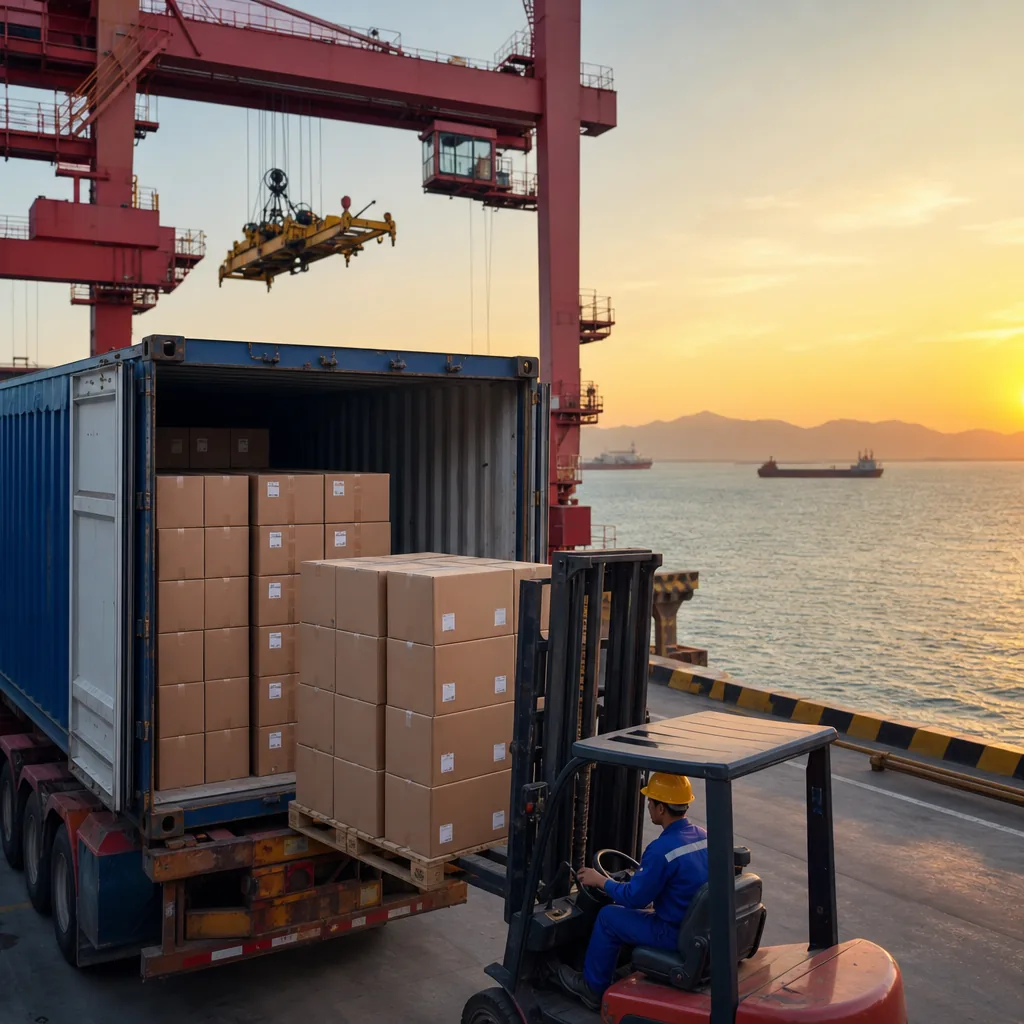
For food delivery fleets, umbrellas are not a giveaway item; they are a working tool that has to survive curbside loading, repeated opens and closes, and bad weather during every shift. As a food delivery umbrella supplier, we see the same failures on the factory floor: weak ribs that twist in wind, handles that slip with wet gloves, and branding that looks sharp on day one but fades after a few weeks on the road. The right spec balances durability, speed, and rollout control so dispatch teams can equip couriers without creating avoidable replacement costs.
Why delivery fleets need umbrella specs built for quick stops
Delivery riders need umbrellas built for one-handed use, not desk-side convenience. A food delivery umbrella supplier should start with 21" or 23" auto-open umbrellas that deploy while the driver is holding a phone, insulated carrier, or dispatch bag, then fold short enough for a scooter trunk or backpack pocket. That matters on routes with repeated curbside handoffs: couriers may open and close the canopy dozens of times in one shift, so speed and compact storage affect on-time delivery as much as the canopy itself. Manual-open frames cost less upfront, but they slow stops and raise drop risk in rain. For fleet buyers, the spec should favor fast deployment, low snag risk, and a folded size that fits the way riders actually move through traffic.
Frame choice determines whether courier fleet umbrellas survive daily street abuse or fail after a few weeks. An 8K frame is a workable baseline for urban delivery, but 16K ribs with fiberglass reinforcement handle repeated opening, tight door clearances, and sideways wind better than thin steel ribs that bend or stay warped. A windproof double canopy helps reduce inversion on exposed routes because the vented top releases pressure before the frame flips. For branded rain gear that also works as sun protection, 190T or 210T pongee with Teflon or UPF 50+ coating is a practical spec. Buyers should also require AQL 2.5 inspection on rib joints and open-close function before shipment, since lower return rates and fewer replacements usually matter more than a small unit-price savings.
Best material and frame choices for daily courier use
For daily courier use, fiberglass ribs should be the default. An 8K or 10K fiberglass frame flexes in gusts instead of taking a permanent bend, which matters when auto-open umbrellas are cycled dozens of times per shift. Steel ribs still fit low-cost promotional runs, but once stretchers or tips deform, the true cost shows up in faster breakage and more replacements. For a 23" auto-open umbrella, keep finished weight around 450-650 grams so riders can carry it in a backpack or on a scooter without adding fatigue. A food delivery umbrella supplier should prioritize carry comfort and repair cost together, because courier fleet umbrellas spend more time being handled than being opened once and stored.
For the canopy, pongee 190T is acceptable for budget programs, while 210T is the better choice when the umbrellas stay in service through heavy rain, repeated drying, and vehicle storage. The tighter 210T weave gives better tear resistance, cleaner print registration for branded rain gear, and less seam leakage when paired with sealed stitching. POE works when visibility and lower cost matter more than hand feel; PVC is best reserved for fully non-porous needs. A practical durability target is 3,000-5,000 open-close cycles before normal wear appears at the runner, tips, or stitching, with AQL 2.5 inspection on bulk orders to control field failures.
Use a windproof double canopy when riders face exposed routes, bridge corridors, or sustained gusts above 30 mph. The vented top lets air pass through instead of loading the frame, which reduces inversion better than simply upgrading to thicker steel ribs. That said, double-canopy builds add a little weight, so they make sense only when breakage costs more than the extra carry load. For most courier fleets, the strongest value is fiberglass ribs, reinforced joints, and 190T or 210T pongee; move to a windproof double canopy when wind exposure is a routine operating risk, not an occasional event. Buyers should also confirm MOQ, lead time, and whether pricing is FOB or DDP before comparing samples, since frame choice affects freight cost as much as durability.
Branding methods that survive high-frequency handling
For courier fleet umbrellas, put the logo where riders see it at arm’s length and from traffic: one or two opposite panels on an 8K or 10K frame, centered in the upper-middle canopy, with at least 15–20 mm clear of seams, vents, and the runner path. On 23" and 27" stick umbrellas, a 18–25 cm mark usually gives the best street visibility without running into the tip curve or panel edges; on compact auto-open umbrellas, keep the artwork above the fold line and away from the tie strap zone so repeated opening and closing do not crack the print. If the canopy is a windproof double canopy, print on the outer layer only. Crossing the vent edge looks untidy and adds flex at the weakest point.
Screen print is the most cost-effective choice for pongee 190T or 210T when the artwork is one to three solid colors and the order needs consistent repeat output. It works well for branded rain gear and courier fleet umbrellas because the ink sits cleanly on woven polyester and keeps unit cost down at larger MOQ. Heat transfer fits gradients, small text, and full-color app logos, but it adds cost and needs tighter heat control on POE, PVC, or PU-backed fabric to avoid coating distortion. For a food delivery umbrella supplier, the practical layout is one large canopy logo for street recognition plus a smaller mark on the sleeve or handle for inventory control; that keeps branding visible without interfering with folding, opening, or bag storage.
Ordering, QC, and replenishment for multi-city fleets
For multi-city fleets, set MOQ by hub demand and replacement rate, not by national volume. A practical first order is usually 1,000 to 3,000 units per print run, split between 23" auto-open umbrellas for daily rider use and 27" windproof double canopy models for higher-exposure routes. A food delivery umbrella supplier should lock artwork before production, then release the order in staggered lots so procurement can control cash flow and avoid dead stock in slower cities. If different hubs need different platform logos or city marks, finalize each SKU at sampling stage; every extra variant adds cutting waste, more carton labels, and slower pack-out.
Put QC terms in the PO, including AQL 2.5 for appearance and function. For courier fleet umbrellas, inspect open-close cycling, rib alignment, seam consistency, canopy tension, print registration, and carton count. For double-canopy frames, add checks for ferrule fit and runner lock engagement, since those parts fail first in scooter boxes and crowded building entrances. Carton packing should stay simple: one SKU, one color, one hub label format per carton, typically 12 or 24 pieces depending on model and carton strength. That keeps receiving faster at each depot and reduces mis-shipments when branded rain gear is sent to multiple cities at once.
Lead times are usually 25 to 35 days for a first order after sample approval, artwork confirmation, and deposit; reorders can drop to 15 to 20 days if canopy fabric and frame parts are already reserved. Procurement teams managing several hubs should compare FOB and DDP before issuing the PO. FOB works best when your freight forwarder can consolidate loads at port; DDP is cleaner when each city needs landed pricing with customs clearance and inland delivery included. For replenishment, hold about 30 days of safety stock per hub and trigger reorders at 45 to 60 days on hand, since wear rates rise during typhoon season and app-promotion peaks.
How to evaluate suppliers for fleet programs at scale
For a fleet rollout, qualify a food delivery umbrella supplier on documented performance, not catalog photos. Start with sample turnaround in days and lock the prototype spec before you pay for tooling: frame type, canopy fabric, print method, handle style, carton marking, and the exact finished size, whether 21", 23", 27", or 30". For courier fleet umbrellas, the ribs matter more than the artwork, so request model-specific test data for 8K, 10K, or 16K construction; fiberglass versus steel ribs; open-close cycle counts; and wind results in mph, not a generic “windproof” claim. If the design uses a windproof double canopy, ask for the test method and measured result, plus evidence from repeated stress testing rather than a one-time blow test.
Export experience is the next filter. A supplier that handles FOB and DDP shipments should be able to show carton dimensions, pallet loading plans, HS code paperwork, and export records from previous branded rain gear orders. Before approving production, request the pro forma invoice, commercial invoice template, packing list format, product photos from prior export jobs, and any market-specific compliance documents you need, such as REACH, CPSIA, or phthalate declarations for POE, PVC, or EVA canopies. For repeat orders, require a written color control process: Pantone target, approved strike-off or lab dip, dye-lot tracking, and a retained master sample so black stays black and corporate red does not shift on the second replenishment.
Do not release bulk production until you have a signed pre-production sample, BOM, workmanship standard, and an AQL 2.5 inspection plan with defect definitions for ribs, stitching, printing, and the opening mechanism. Confirm the canopy material, such as 190T or 210T pongee, and the coating, such as Teflon or UV, plus the mechanism type: manual, auto-open, or auto-open-close. For scale programs, ask for a factory audit pack with line photos, monthly capacity, and a spare-parts policy for ferrules, tips, runners, and handles. The point is simple: the real cost in a fleet program is not the first PO, but inconsistent quality on the second and third order from the same food delivery umbrella supplier.
Frequently Asked Questions
What umbrella type works best for food delivery couriers?
A compact auto-open umbrella with fiberglass ribs and a windproof double-canopy is usually the safest choice. It opens fast, carries easily, and holds up better in stop-and-go street conditions.
How many umbrellas should a fleet order at first?
Many buyers start at the supplier MOQ for one pilot city, then scale after field testing. This helps validate logo visibility, hand feel, and breakage rate before a larger rollout.
What umbrella size works best for food delivery riders carrying insulated bags?
Most B2B buyers choose a 23 to 27 inch canopy because it balances shoulder coverage with easier handling on sidewalks and at pickup points. If riders carry larger backpack-style delivery bags, a 27 inch windproof model usually provides better rain protection without becoming overly bulky.
Should a delivery fleet choose fiberglass or metal frames for heavy daily use?
Fiberglass frames are typically the better choice for courier fleets because they flex in gusty conditions and reduce breakage rates. For daily urban use, buyers often spec fiberglass ribs with a reinforced shaft to improve durability over repeated open-close cycles.
What rollout timeline should distributors expect for a custom umbrella program for courier fleets?
A common timeline is 7 to 10 days for artwork and sample confirmation, then about 35 to 50 days for bulk production depending on quantity and canopy print complexity. If you need packaging inserts, barcode labeling, or mixed color assortments, add roughly 5 to 10 more days.
Looking to Launch Your Custom Umbrella Line?
ZheBrella is a Zhejiang-based OEM/ODM umbrella manufacturer with 17 years of export experience. Free design, low MOQ from 100 pieces, windproof construction, full-color print.
Get Free Quote Now »People Also Search For
Related Articles
Branded Umbrellas for Transportation and Delivery Operations
See how transit and delivery teams use branded umbrellas for staff comfort, passenger support, and low-friction procurem...
Read More »Branded Umbrellas for Food Delivery and Courier Fleets
Specify durable umbrellas for delivery riders and couriers, with auto-open speed, windproof ribs, logo visibility, and s...
Read More »Custom Umbrellas for Corporate Events and VIP Hospitality
See how custom umbrellas support executive events, VIP arrivals, and hospitality programs with durable specs, logo place...
Read More »