Bubble Umbrella Buying Guide for Retail and Event Programs
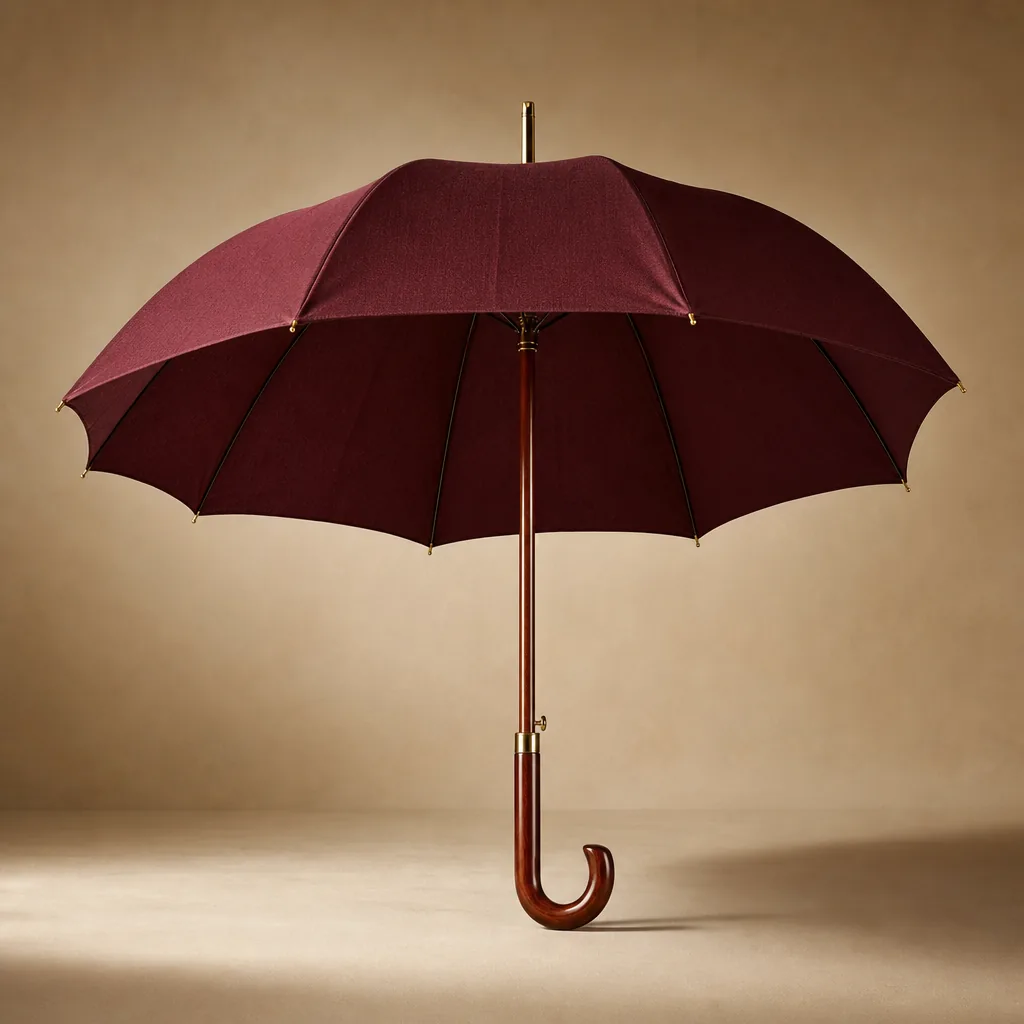
Buying for retail shelves or event programs gets expensive when a bubble umbrella looks good in a sample room but arrives with shallow domes, brittle ribs, scuffed panels, or cartons that crush in transit. At our Songxia factory in Shangyu, we see those failures at the bending jig, sewing line, and drop-test table, which is why a practical bubble umbrella buying guide starts with dome geometry, frame stress points, packing method, and QC terms that hold up after shipment.
Decide whether the program needs fashion, event, or commuter use
Start with use case, because the spec that works for a fashion SKU is usually wrong for hotel, wedding, or queue use. In a bubble umbrella buying guide, retail fashion programs usually fit a 21-inch or 23-inch bubble umbrella with a deeper dome, high-clarity POE canopy, and full-face visibility so the item reads as an accessory, not site equipment. Buyers can usually accept a higher unit cost here if trim quality, handle finish, edge binding, and retail packaging support margin, especially at lower MOQs around 300 to 500 pieces per color. Wedding, hospitality, and queue-management programs buy coverage and control first. A 23-inch or 27-inch frame gives better shoulder coverage, reduces runoff onto guests in line, and creates more printable area for venue logos or sponsor marks. Dome depth still matters, but the target is protection without excessive curvature that distorts branding or cuts side awareness for staff moving guests.
Transparency is an operating spec, not just a style choice. For weddings, porte-cochere arrivals, and crowded sidewalks, a full-clear POE bubble umbrella usually carries less risk than tinted, frosted, or heavily printed panels because guests and staff need clean sightlines for photos, traffic flow, and collision avoidance. Commuter use shifts the balance: enough dome depth to block wind-driven rain, but not so much that peripheral vision drops at crosswalks. Lock canopy diameter, dome depth, and panel clarity before artwork in any dome umbrella wholesale or event umbrella sourcing program. Unit cost then becomes easier to control. Fashion retail can absorb a higher piece price when presentation drives sell-through; event and hospitality programs are usually more cost-sensitive because orders often run 1,000 to 5,000 units and the umbrellas may be shared, lost, or stored wet. For retail umbrella OEM, larger domes also raise carton volume and landed cost under FOB or DDP terms, so set the acceptable unit-cost ceiling before choosing POE versus PVC, manual versus auto-open, or custom handles.
Specify canopy shape, coverage, and visibility requirements
Start with canopy geometry, not the quoted diameter. In a bubble umbrella buying guide, buyers should lock three measurements together: arc size, straight-open diameter, and dome drop from the runner to the canopy edge. A 46-inch canopy can fit very differently depending on how aggressively the POE dome is pulled over a 23-inch or 25-inch, 8K adult frame. Put all three dimensions in the tech pack, then convert them into use requirements: how far the canopy should wrap past the shoulders, whether it should cover the cheeks, and how much face opening must remain when fully open. For event umbrella sourcing, catalog dimensions are not enough because dome depth changes real wear more than headline size suggests. Approve samples on at least two user heights, such as 5'2" and 6'0", and record where the edge sits relative to the shoulder line and eye line. That step reduces fit mistakes before dome umbrella wholesale or retail umbrella OEM production, where a shape that protects hair, makeup, and jacket shoulders on one user can sit uncomfortably low on another.
Dome depth is a protection-versus-visibility decision. A deeper POE bubble umbrella usually improves rain coverage in crosswind because the skirt drops lower around the face and upper torso, but that same profile narrows side sightlines and can feel hotter or more enclosed during long wear. That trade-off matters by use case. For guest arrivals, ceremony photos, and short outdoor transfers, a deeper canopy often wins because buyers want stronger weather shielding and the enclosed silhouette that photographs well. For commuting, queueing, stadium access, or all-day carry, a slightly shallower shape usually improves comfort and situational awareness, even if face coverage is reduced. Material choice still matters: POE is commonly preferred over PVC or EVA for clear dome construction because it maintains good clarity, stays more flexible in cooler weather, and gives cleaner seam behavior. Before approving bulk production, sign off on a sample from the final mold and frame set. Even a 5 to 10 mm shift in canopy drop can change shoulder coverage, face opening, and buyer acceptance enough to affect returns.
Choose frame strength, rib count, and opening style
Start with rib count because it changes both appearance and unit cost faster than most buyers expect. For a clear dome, 8K is the standard commercial build in 23 inch and 27 inch sizes: eight wider POE panels are simpler to cut, weld or sew, and replace, so replenishment is usually faster and FOB pricing stays tighter. A 16K dome uses 16 narrower panels and a denser rib layout, which gives a rounder silhouette and finer panel lines under store lighting. That matters for wedding, hospitality, gifting, and fashion-led retail umbrella OEM programs where shelf presentation drives sell-through. It is not a small cosmetic upgrade. On a 23 inch or 27 inch POE bubble umbrella, the extra panels, added rib joints, and tighter assembly control create a real cost increase, not a token upcharge. For dome umbrella wholesale aimed at souvenir retail, school programs, or large event umbrella sourcing, 8K usually protects margin better. For higher-ticket assortments, 16K can justify the added FOB when the dome shape is part of the product value.
Frame choice matters more than headline rib count because a deep dome catches wind differently than a flat 190T or 210T pongee umbrella. POE, EVA, and PVC canopies hold shape well, but they need a frame that can flex and recover after inversion. An all-steel frame keeps the dome profile crisp, but once bent hard it is more likely to take a permanent set. For most 23 inch to 30 inch bubble programs, the stronger working spec is a steel shaft with fiberglass ribs, or at least fiberglass end ribs: steel keeps the shaft and runner stable, while fiberglass improves flex recovery in gusts. If a supplier claims the umbrella is windproof, ask how the frame performs after inversion and repeated opening cycles in roughly 35 to 40 mph gusts; a vented golf-umbrella claim is not relevant here. Opening style should follow operations. Manual open is adequate for retail programs and cost-sensitive runs where AQL 2.5 consistency and lower unit cost matter. Auto-open earns its surcharge when venue staff need to deploy dozens or hundreds quickly at hotels, school pickup, or branded activations. In a practical bubble umbrella buying guide, manual open fits retail; auto-open fits event speed.
Plan decoration, accessories, and retail-ready packing
A practical bubble umbrella buying guide starts with print physics, not artwork alone. A clear POE bubble umbrella does not print like flat 190T or 210T pongee: once the 23 inch or 25 inch dome is tensioned over the frame, centered artwork reads visually higher than it appears on a flat proof. On these dome sizes, most buyers get better retail visibility by dropping the logo lower and repeating it on 2 opposite panels or 4 balanced panels, since the umbrella is usually viewed from chest height rather than directly overhead. For decoration, 1-color screen printing is still the lowest-risk and lowest-cost option for bold marks, but clear POE shows registration error immediately, especially on small text and tight outlines. If the design includes gradients, fine copy, or QR detail, heat transfer usually produces a cleaner result at a higher unit cost. For dome umbrella wholesale and event umbrella sourcing, sleeve printing is often the better allocation of budget: a PE or EVA sleeve gives a flat, stable surface for legal copy, campaign details, barcodes, and multi-line messaging, while the canopy carries only the primary brand mark.
Handle and packing decisions affect both sell-through and claim rate. Hook handles usually perform better for retail display because they hang cleanly on peg fixtures and match the expected dome silhouette; straight handles suit hospitality, venue distribution, and modern branded programs because they pack tighter and reduce wasted carton volume. On bubble styles, a plastic J handle is the standard cost baseline, while ABS or acrylic-look hook handles with a matte finish lift perceived value without changing the frame set. Manual open is still the lowest-risk mechanism for this category; auto-open can work on stronger frames, but auto-open-close adds weight and more failure points than most retail umbrella OEM programs need. Clear canopies also demand stricter transit protection: each umbrella should ship with the strap closed inside an individual sleeve, and 23 inch bubble umbrellas generally travel more safely in 10-12 piece master cartons than in overpacked 24-piece cartons that drive handle pressure, scuffing, and dome deformation. Before production, lock down hangtag content, hole position, string length, carton marks, and whether tags ship attached or loose. AQL 2.5 inspection should specifically check canopy clarity, print adhesion, visible scratch count under normal light, and dome shape after carton compression, especially on FOB shipments with 25-35 days of sea transit.
Confirm factory standards, MOQ, and delivery terms
Separate a stock clear program from a true custom build before you compare quotes. That choice drives MOQ, setup cost, and delivery risk more than almost any other line item. For a standard POE bubble umbrella using an existing 23-inch or 25-inch dome mold, a manual-open frame, and stock black, white, or navy trims, many factories can start at 500-1,000 pieces per color. If you require color-matched binding, ferrules, tips, handle plating, woven labels, or custom printed packaging, MOQ typically rises to 1,500-3,000 pieces because the factory must purchase dyed plastic parts, customized packing, and sometimes dedicated tooling in one run. In a practical bubble umbrella buying guide, the fastest way to explain a price gap between two dome umbrella wholesale offers is to ask whether the ferrule, tips, handle, and binding are all stock parts or whether any component must be matched to a Pantone or custom trim spec. That answer usually tells you whether the program is a low-risk replenishment order or a retail umbrella OEM build with higher setup cost and slower repeat lead times.
Require a pre-production sample that confirms construction, not just logo placement. For event umbrella sourcing, lock the canopy material, POE gauge, panel count, arc size, frame spec, and opening force before bulk production starts. On clear domes, POE generally performs better than PVC or EVA for clarity, odor, and cold-weather flexibility, which matters if cartons sit in transit or warehouse storage. Approval samples usually take 5-7 days on stock materials and 10-14 days when custom-color accessories are involved; bulk production is commonly 30-45 days, stretching to 50-60 days before spring rain season and major holiday promotions. Put both the ex-factory date and the port cut-off date on the PO. Specify AQL 2.5 final inspection and list the actual checkpoints: canopy clarity, seam-weld consistency, binding attachment, scratches on the dome, plated steel shaft rust, and smooth manual-open cycling. Also confirm whether the frame uses fiberglass ribs or steel stretchers, since mixed-material frames change durability and claim rates. For shipment terms, FOB Ningbo or Shanghai suits buyers with a working customs process; DDP is often better for smaller programs that want a single landed-cost quote and do not want to manage duty, tax, and final delivery separately.
Frequently Asked Questions
Are bubble umbrellas suitable for high-wind use?
They can perform well in light to moderate wind, but the deep dome shape also creates drag. Buyers should ask for fiberglass rib components or reinforced joints if the umbrellas are intended for outdoor event use.
What causes clear dome umbrellas to arrive scratched or misshapen?
Poor inner packing, tight carton compression, and insufficient protective sleeves are common causes. Buyers should confirm individual protection, carton drop resistance, and sample-tested pack-out before mass production.
What dome depth works best for retail versus event programs?
For retail, a deeper dome around 23-25 inches usually performs better because the silhouette is more distinctive and gives better shoulder coverage. For event programs, buyers often choose a slightly shallower dome around 21-23 inches to reduce carton size, lower freight cost, and make distribution easier at scale.
What QC points matter most on POE bubble umbrellas before shipment?
Ask for checks on POE film clarity, stitch alignment at panel joins, tip and cap attachment, runner movement, and frame symmetry after opening. For export orders, many buyers also require an opening/closing test on sampled units plus a carton drop test from about 80-100 cm to catch breakage risks before loading.
How should bubble umbrellas be packed to limit transit damage and store returns?
A common B2B setup is 12 pieces per inner carton and 24-36 pieces per master carton, depending on dome depth and handle style. To reduce scuffing and deformation, specify polybag protection per unit, divider support if needed, and a master carton strong enough to hold its shape during stacked container loading.
Looking to Launch Your Custom Umbrella Line?
ZheBrella is a Zhejiang-based OEM/ODM umbrella manufacturer with 17 years of export experience. Free design, low MOQ from 100 pieces, windproof construction, full-color print.
Get Free Quote Now »People Also Search For
Related Articles
Promotional Umbrella Buying Guide for Large Volume Orders
A practical guide to choosing promotional umbrellas in bulk, balancing budget, durability, print area, MOQ, AQL 2.5, and...
Read More »
Wedding Umbrellas: Product Guide for Event and Retail Buyers
Source wedding umbrellas with the right canopy color, frame, print method, packaging, MOQ, and lead time for venues, pla...
Read More »
Flat Mini Umbrellas: Retail Buyer Spec and Sourcing Guide
Source flat mini umbrellas for retail with clear specs for folding structure, rib strength, pongee fabric, coating, pack...
Read More »