The Carbon Footprint of an Umbrella: Measuring and Reducing It
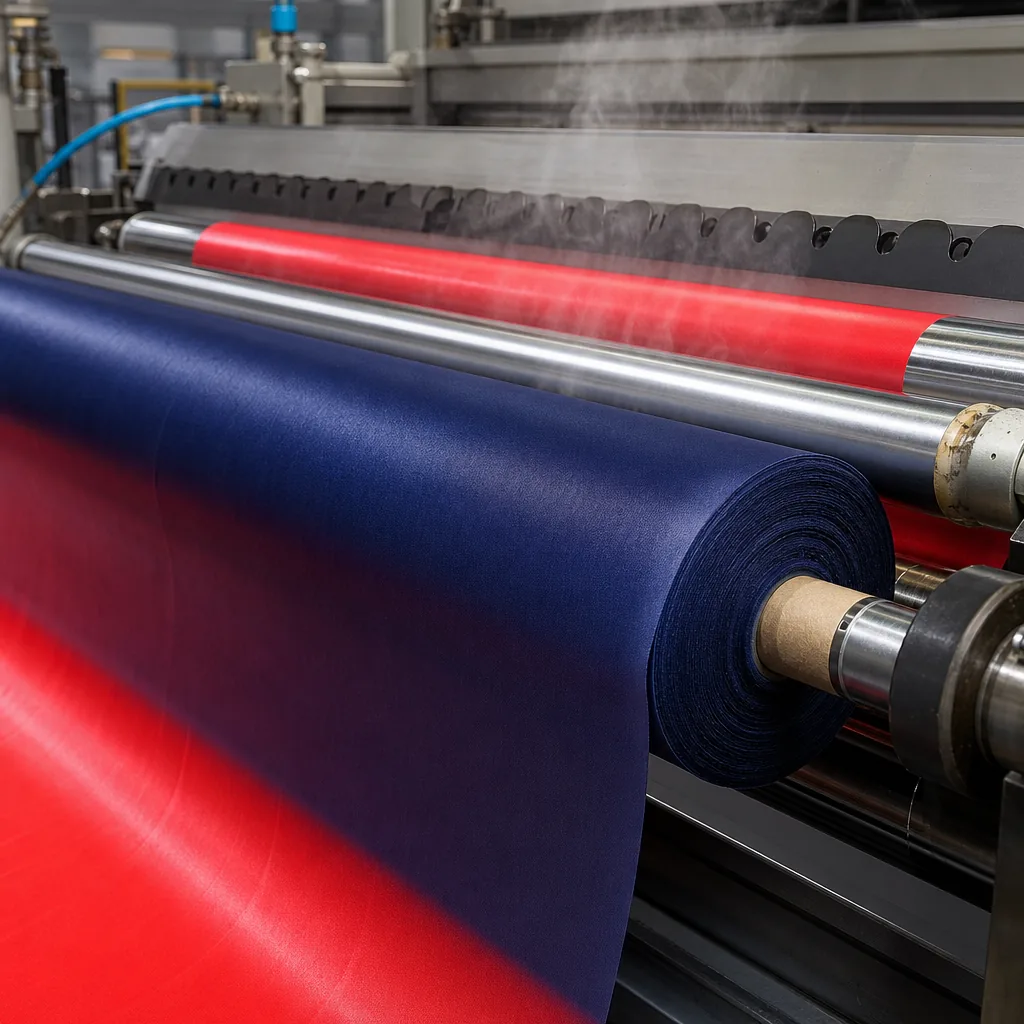
For umbrella brands, the umbrella carbon footprint is rarely driven by one big decision; it is usually the sum of resin in the canopy, steel in the frame, energy at the factory, packaging, and the distance between production and the customer. On the shop floor, those details show up as material yield, coating losses, curing time, scrap rates, and container utilization, which means credible reduction starts with measurement, not slogans. Buyers who want lower emissions need suppliers that can trace the real drivers and change them without compromising durability or opening performance.
Where umbrella emissions come from
The largest share of an umbrella carbon footprint usually starts with the bill of materials, not the sewing machine. A standard 23-inch stick umbrella uses a steel shaft and ribs, a polyester pongee canopy, plastic runner and tips, and a molded handle; each of those carries embodied emissions from mining, smelting, polymerization, and injection molding. Steel is the heavy hitter on mass, while aluminum can cut weight but still brings a meaningful upstream footprint if it is not recycled content. The canopy fabric is often underestimated: recycled or virgin polyester, PU or Teflon coatings, and screen-printed logos all add material and process emissions. If you are comparing products, the cleanest umbrella sustainability data will separate canopy, frame, handle, and decoration instead of treating the finished umbrella as one lump sum. That is the only practical way to identify which material choice actually lowers umbrella lifecycle emissions.
Manufacturing energy is the next major block, and it is more than just assembly labor. Cutting tables, sewing machines, heat-transfer presses, curing ovens for coatings, ultrasonic welding for some components, and compressed air all draw electricity or gas. A low carbon umbrella is usually built by reducing process steps, shortening rework, and avoiding heavy finishing that needs heat or long curing time. Factory-level controls matter: efficient motors, LED lighting, roof solar, scheduled machine loads, and tighter scrap management can reduce umbrella emissions without changing the product design. In practice, waste is often more important than people expect. Offcuts from canopy cutting, rejected frames, misprinted panels, and damaged cartons all carry hidden carbon because the energy spent on them has already been wasted. If the factory is running AQL 2.5 with stable first-pass yield, the carbon per acceptable unit falls because fewer parts and less energy are thrown away before shipment.
Freight can swing the umbrella carbon footprint more than buyers assume, especially when a small product is shipped inefficiently. Air freight is the worst option by a wide margin; ocean freight is usually far lower per unit, and dense carton packing reduces emissions further by using fewer cubic meters per finished umbrella. A 21-inch compact umbrella packed in high-density export cartons can ship much cleaner than a bulky 30-inch golf model with oversized master cartons and void space. Distribution also matters: shipping finished goods from South China to a U.S. warehouse by sea and then truck is very different from splitting orders across multiple urgent air shipments. For buyers trying to reduce umbrella emissions, the practical levers are simple: specify recycled or lower-impact materials where performance allows, simplify decoration, choose efficient carton counts, and lock forecasted volumes early so production can move by sea instead of by air. That is where the real savings usually sit, not in vague claims about being green.
Materials as the biggest lever
The biggest driver of an umbrella carbon footprint is not the shipping carton; it is the material stack in the canopy and frame. Virgin polyester pongee 190T or 210T starts as fossil feedstock, so every meter of fabric carries upstream emissions from polymerization, spinning, weaving, and dyeing. Switching to RPET fabric lowers that embodied carbon because the resin starts as recovered bottle flake instead of new PET. In practice, the cut is strongest when the canopy is the dominant mass item, which is why a low carbon umbrella usually starts with recycled fabric before anyone talks about packaging. If you want umbrella sustainability data that is actually useful, ask for the gram weight of the canopy, the recycled content percentage, and whether the dyehouse uses solution-dyed or piece-dyed fabric, because wet processing can erase some of the gain.
Frames matter just as much. A recycled aluminum shaft and rib set typically beats virgin steel on embodied carbon per finished umbrella because aluminum can be remelted with far less energy than primary smelting, and the part weight is usually lower once the design is optimized. That said, aluminum only helps if the tube gauge, runner, and rib profile are engineered correctly; an overbuilt frame wastes metal and cancels part of the carbon benefit. On the factory floor, the best results come from using recycled aluminum for the shaft and main ribs, then keeping small hardware, springs, and tips minimal instead of mixing in extra steel. For a standard 23-inch auto-open style, that material choice can reduce umbrella lifecycle emissions more than changing print methods or a few grams of ink.
The practical way to reduce umbrella emissions is to compare designs at the bill-of-materials level, not by slogan. A recycled canopy plus recycled aluminum frame is usually the cleanest combination for a mass-market low carbon umbrella, but the real answer depends on durability, because a product that fails early creates more emissions per year of use. That is why umbrella lifecycle emissions should be measured across the expected service life, not just at factory exit. If a stronger 8K or 10K windproof frame keeps the umbrella in service through a second season, the carbon cost per use drops even if the initial build is slightly heavier. Good procurement asks for material declarations, recycled content certificates, and a simple cradle-to-gate comparison before placing a PO, because without that umbrella sustainability data, any claim about reduce umbrella emissions is just marketing noise.
Shipping mode and its impact
Shipping mode is one of the fastest ways to move the umbrella carbon footprint up or down, and air freight is the worst offender by a wide margin. For a typical 23" automatic umbrella packed in a corrugated master carton, ocean freight can be an order of magnitude lower in CO2e per kilogram than air, especially when the factory loads full pallets and full containers. If a buyer is comparing umbrella lifecycle emissions honestly, the transport leg cannot be treated as a rounding error. A low carbon umbrella is not just about recycled fabric or a bamboo handle; if you fly 5,000 cartons because the launch date was tight, you erase most of the gains from material choices. That is why umbrella sustainability data needs to separate manufacturing emissions from logistics emissions instead of lumping everything together.
Sea freight becomes materially better when shipments are consolidated. Partial loads create dead space, and dead space is emissions you pay for without moving product. In practice, I care about carton dimensions, pallet pattern, and how many SKUs can share a consolidation without wrecking the loading plan. One mixed 40HQ with dense packing is far cleaner than three rushed air shipments plus a later sea top-up. For buyers trying to reduce umbrella emissions, the discipline is simple: lock the forecast early, keep artwork and color approvals from slipping, and combine replenishment orders into one export cycle. At ZheBrella, the biggest waste we see is not material; it is last-minute expediting that forces premium freight and destroys the umbrella carbon footprint before the goods even reach port.
Sea shipping also gives procurement teams better control over umbrella lifecycle emissions because it supports planned production, not firefighting. When you can run a stable 20 to 35 day lead time and ship on a fixed sail date, you avoid the hidden emissions from split lots, rebooking, and urgent trucking to catch a vessel. Air freight still has a place for true emergencies, but it should be an exception, not the default for a low carbon umbrella program. The practical move is to ask suppliers for umbrella sustainability data that includes the freight assumption, then compare sea-to-door and air-to-door cases separately. Otherwise the numbers are misleading. If the goal is to reduce umbrella emissions in a way that survives audit, the shipping mode must be part of the spec, not an afterthought.
Measuring credibly
A credible umbrella carbon footprint starts with a product carbon footprint, not a vague “eco” claim. If you want real umbrella lifecycle emissions, define the boundary first: cradle-to-gate if you only care about factory output, or cradle-to-grave if you want materials, production, freight, use, and end-of-life. For umbrellas, the biggest contributors are usually the canopy textile, frame metals, handle material, packaging, and transport. A 210T pongee canopy, fiberglass ribs, steel shaft, and molded EVA handle do not carry the same footprint, so the bill of materials has to be measured by weight and material type, not by SKU name. The useful unit is usually 1 umbrella, then normalized to a functional unit such as 1,000 pieces or 1,000 uses if you are comparing a low carbon umbrella program against a standard product.
Ask suppliers for primary data, not just a certificate. At minimum, request material weights for canopy, ribs, shaft, runner, tip, handle, and packaging; resin or metal source; recycled content; electricity and fuel use by workshop or line; scrap rate; and inbound freight mode. For umbrella sustainability data, you also need process yield: cutting loss from the canopy, sewing rejects, plating or powder-coating waste, and the percentage of umbrellas reworked before packing. If the supplier cannot give kWh per batch, ask for monthly utility bills and production volumes so the numbers can be allocated. A serious supplier should also state whether the frame is fiberglass or steel, because that changes both mass and emissions. ZheBrella’s standard practice is to separate material, assembly, and carton data so the numbers can be audited instead of guessed.
The weak point in many reports is the assumption set. A lot of umbrella carbon footprint claims collapse because the author uses generic emission factors, ignores packaging, or assumes ocean freight when the shipment actually moved by air. For a distributor trying to reduce umbrella emissions, that matters more than the last decimal place in the canopy factor. You should ask for the LCA method, database version, geographic electricity grid, and whether the study follows ISO 14040/14044 or the GHG Protocol product standard. If the supplier offers recycled PET, confirm the chain of custody and the actual recycled content percentage, because 30% PCR is not the same as 100% recycled resin. The result you want is a transparent model that shows where the hotspots are, so you can compare 8K and 10K frames, change packaging, shorten freight lanes, or select materials that cut emissions without pretending performance does not matter.
Durability as sustainability
The fastest way to cut an umbrella carbon footprint is not a clever material swap, it is making the product last long enough that people stop replacing it every season. A windproof frame with fiberglass ribs, reinforced stretcher joints, and a proper double-canopy vent can survive repeated gust loading that would fold a cheap steel-rib umbrella on the first bad storm. If one 23-inch auto-open-close umbrella stays in service for 3 to 5 years instead of 6 months, the umbrella lifecycle emissions per year drop sharply because the canopy fabric, metal, resin, sewing, packaging, and freight are amortized over far more uses. That is the basic math behind a low carbon umbrella: durability is carbon reduction, not just a comfort feature. In practice, a canopy made from 190T or 210T pongee with decent seam tape and a corrosion-resistant shaft will outlast bargain PVC or thin polyester that tears, frays, or delaminates early.
This is where umbrella sustainability data matters more than slogans. If you compare two products on unit weight alone, you miss the main driver: replacement rate. A flimsy 8K umbrella that fails after one wet season can generate more total emissions than a heavier 16K windproof model because it gets remade, repacked, and shipped multiple times. Our standard practice is to look at failure points the way the factory floor does: rib fatigue, runner wear, tip pull-out, thread breakage, and handle cracking. The right test is not whether the sample opens once in the office; it is whether it still functions after repeated open-close cycles, water exposure, and wind loading. A realistic durability spec, combined with AQL 2.5 inspection and predictable lead times, reduces scrap, returns, and replacement shipments, which all show up in the umbrella carbon footprint even if they are easy to ignore in a sales sheet.
Reducing emissions on umbrellas is usually about resisting the urge to over-design for cheapness. A frame that survives 50+ mph gusts may use more fiberglass and better hardware up front, but it avoids the hidden emissions from warranty claims, customer replacements, and landfill disposal. The same logic applies to canopy choice: 210T pongee with a UV coating and clean stitching generally outperforms thin laminated material because it holds shape, sheds water, and keeps looking usable longer. If the product stays in circulation, it becomes a better candidate for repair, re-covering, or secondary use instead of immediate disposal. That is why the best umbrella sustainability data should report failure rates, service life, and replacement intervals, not just recycled content claims. For buyers trying to reduce umbrella emissions, the practical target is simple: specify the longest-lasting construction the use case can justify, then measure whether it actually reduces replacements over time.
Frequently Asked Questions
What has the biggest impact on an umbrella's carbon footprint?
Materials and freight dominate. Switching the canopy to RPET and the frame to recycled or aluminium content cuts embodied carbon, while choosing sea over air freight dramatically lowers transport emissions. Energy at the factory matters too but is usually smaller than materials and shipping.
Isn't a durable umbrella better for the planet than a recycled disposable one?
Often yes. A windproof umbrella that survives years of use spreads its manufacturing footprint over a long life, whereas a cheap umbrella that fails in one storm and gets binned has a high per-use impact. Durability and recyclability together beat either alone.
What parts of an umbrella usually create the most emissions?
For most OEM umbrellas, the biggest contributors are the frame metals, canopy fabric, and overseas shipping. If the umbrella uses heavier steel parts or long-distance air freight, the footprint rises quickly. A basic product carbon footprint study usually breaks emissions into raw materials, factory energy, packaging, and transport.
What supplier data do we need to calculate umbrella emissions accurately?
Buyers should request bill of materials weights, fabric type, frame material, factory electricity use, packaging specs, and shipping mode. With those inputs, an LCA provider can estimate kg CO2e per umbrella and compare options like recycled polyester, aluminum, or sea freight.
How much can the footprint change if we switch to recycled materials?
The reduction depends on the material mix, but recycled polyester can lower canopy-related emissions versus virgin polyester, and recycled aluminum can reduce frame emissions versus primary metal. In practice, brands often see the largest gains when they combine recycled inputs with optimized packaging and ocean freight instead of air freight.
Looking to Launch Your Custom Umbrella Line?
ZheBrella is a Zhejiang-based OEM/ODM umbrella manufacturer with 17 years of export experience. Free design, low MOQ from 100 pieces, windproof construction, full-color print.
Get Free Quote Now »People Also Search For
Related Articles
Umbrella Carton Packing: Reducing Damage in Ocean Freight
Reduce freight damage with stronger umbrella cartons, correct inner packing, moisture control, drop-test checks, and cle...
Read More »
Umbrella Frame Assembly Tolerances That Reduce Field Failures
Learn which umbrella frame tolerances matter most in production, from rivet play to runner alignment, to cut defects, cl...
Read More »Umbrella Stitching Specs That Reduce Canopy Failures
Learn which stitching specs, seam tests, and fabric pairings reduce panel distortion, leakage, and rework on OEM umbrell...
Read More »