Umbrella Stitching Specs That Reduce Canopy Failures
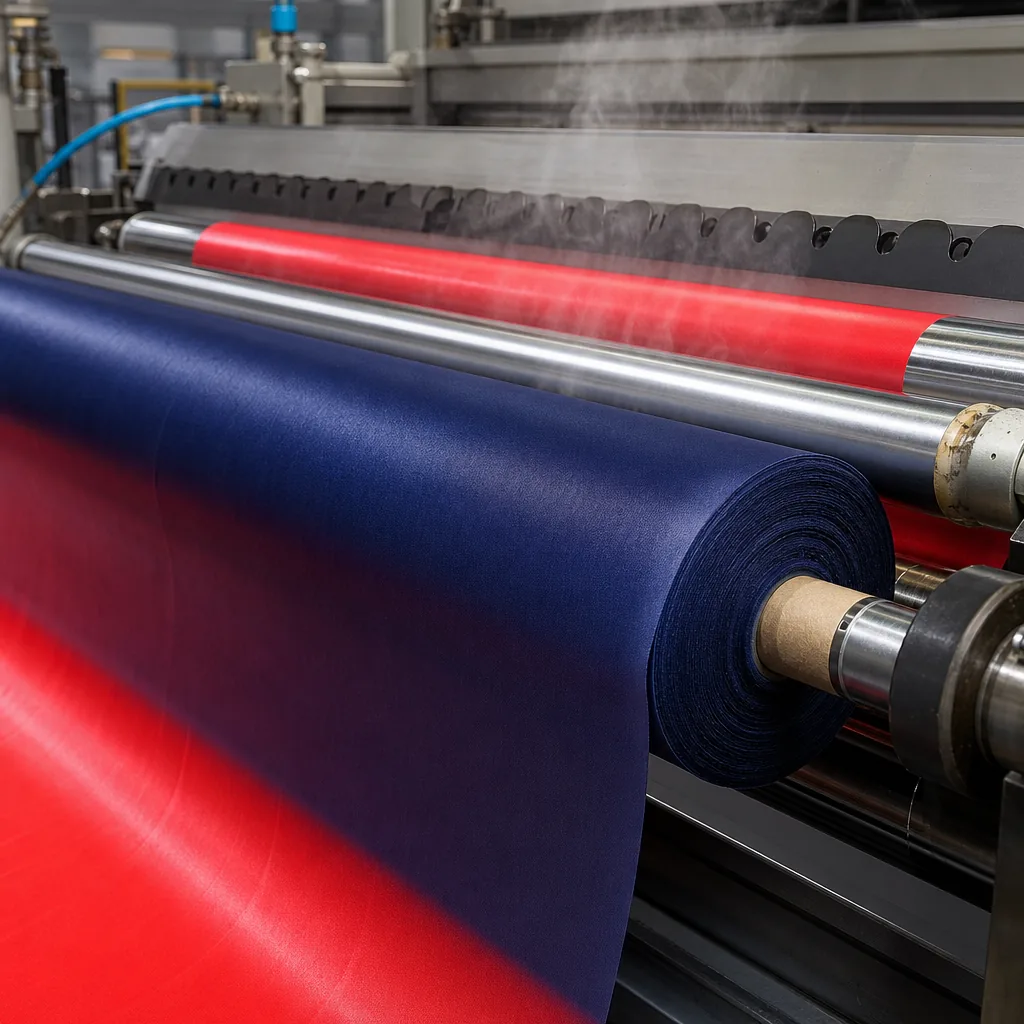
OEM umbrella buyers usually see canopy failures show up late, as seam leakage, panel skew, loose thread lines, or rework that breaks delivery schedules. In our factory, the difference usually comes down to umbrella stitching specifications matched to the fabric, panel shape, needle choice, and seam load, not just a nominal stitch count. The practical goal is simple: hold alignment through sewing, cutting, and rain testing so the canopy stays flat, sealed, and repeatable at scale.
Why Stitching Specs Matter in Umbrella Manufacturing
Umbrella stitching specifications are what keep a canopy from turning into a leak point or a twisted shape after a few weeks of use. Stitch density matters because too few stitches leaves the seam open under wind load, while excessive density can perforate lightweight fabric and create a tear line. Seam allowance is just as important: on pongee 190T, a narrower allowance can look clean but gives less margin for needle damage and operator drift; on 210T, the denser weave tolerates stitching better, but it also reacts differently to tension and heat setting, so the seam can pucker if the thread is too tight. In practice, canopy seam strength depends on balancing needle size, thread ticket, stitch length, and the fabric finish, not just making the seam look straight.
Thread selection is where many factories cut corners and pay for it later. Polyester thread is usually the safer choice for outdoor umbrellas because it holds strength in humidity and UV exposure better than cheap cotton blends, and it shrinks less during heat setting. If the thread is too heavy, it can distort the panel edge and pull the canopy off-grain; if it is too light, the seam opens first at the rib tips and center overlap, which shows up as leakage before the fabric itself fails. Panel alignment tolerance also matters here: a panel that is off by even a few millimeters compounds across 8K, 10K, or 16K layouts, so the crown looks clean but the hem starts to spiral. That is why umbrella stitching specifications have to be tied to cutting accuracy and not treated as a sewing-only issue.
For QC, the right target is not just visual smoothness but repeatable seam integrity under inspection. Our standard practice is to define stitch length, seam allowance, and pull-test thresholds together, then verify them against AQL 2.5 defects so sewing defects do not hide until final packing. The failure modes are predictable: skipped stitches create leakage paths, uneven seam tension creates skewed panels, and inconsistent heat setting changes the final canopy shape after the umbrella has been opened and closed several times. Pongee 190T is more forgiving on appearance because it drapes softly, but 210T usually gives better dimensional stability when stitched correctly. If the buyer wants fewer canopy returns, the real control points are needle penetration, operator consistency, and panel-to-panel matching, not just fabric spec alone.
Core Stitching Variables Buyers Should Put on the Spec Sheet
Umbrella stitching specifications should start with stitch density, because SPI changes seam behavior more than buyers usually expect. For canopy panels, I normally see 7 to 9 SPI on standard promo umbrellas and 9 to 11 SPI where the customer wants higher canopy seam strength or a lighter 190T cloth that is more prone to needle cutting. Use a seam allowance of about 4 to 6 mm on most panels; narrower than that invites edge fray, wider than that adds bulk at the rib tips and makes closing harder on compact auto-open styles. Thread choice matters too: bonded polyester is the safer default for UV exposure and wet use, while nylon can lose confidence faster under repeated flexing. On the shop floor, ZheBrella treats SPI, allowance, and thread as a matched set, not separate cosmetic details.
Bartack points should be specified, not implied. The usual failure spots are the top cap, runner connection, tie points, and any panel junction that takes load when the frame snaps open. A solid spec should call for bartacks at high-stress ends of the seams and reinforced locking stitches near the top crown, especially on double-canopy vented windproof models. If you are comparing pongee 190T vs 210T, the thicker 210T tolerates a slightly tighter stitch density and holds bartacks better, but only if the needle size and thread tension are controlled; otherwise you get puckering instead of strength. For buyers writing umbrella stitching specifications, this is where AQL 2.5 defects should be tied to clear reject criteria: broken stitches, skipped stitches, loose threads, and seam creep around the crown should all be treated as functional failures, not minor trim issues.
Panel alignment tolerance should be called out separately for the tips and the top cap, because appearance defects there usually signal deeper cutting or sewing drift. A practical tolerance is roughly 2 to 3 mm at the panel tips on premium goods, with the cap alignment held tighter when the canopy has printed graphics or a stripe match. Compact auto-open umbrellas are less forgiving because shorter panels and tighter folds expose any misalignment immediately at the tip; large golf umbrellas hide a little more error, but they also see higher wind load, so the stitching has to stay straighter under stress. On 27-inch and 30-inch frames, I expect more emphasis on seam straightness and reinforcement at the ribs, while 21-inch travel styles need cleaner tip control and less bulk. If the spec sheet does not separate those use cases, the factory will guess, and the result is usually uneven canopies and unstable seam quality.
How Fabric and Frame Choices Change Sewing Risk
190T pongee is the easiest to sew, but it is also the fabric that exposes sloppy settings fastest. On a standard lockstitch line, too much needle heat or top-thread tension will show up as tunnel puckering along the panel edge, especially after heat from continuous runs softens the resin finish. 210T pongee has a tighter weave and usually holds seam shape better, but it asks for cleaner needle penetration and better thread balance because the denser cloth will magnify skipped stitches and needle holes if the operator pushes speed too hard. When we write umbrella stitching specifications, we define needle size, thread count, and seam allowance together, because canopy seam strength depends on the full stack, not just the fabric spec. Coated UPF 50+ fabrics are even less forgiving: the coating can crack at the stitch line if the needle is blunt or the presser foot pressure is set too high.
Frame layout changes sewing risk as much as fabric choice. An 8K umbrella has wider panels and fewer seams, so panel alignment tolerance is easier to hold, but a 16K layout multiplies the number of seam starts, corner intersections, and match points, which increases the chance of cumulative drift by the time the canopy is closed. Double-canopy windproof construction adds another layer of complexity because the upper and lower canopies must track each other without twisting, and the vent openings need consistent spacing or the finished umbrella will look uneven under tension. On the floor, the best operators check panel match before every few pieces, not just at the first article stage, because a 1-2 mm shift per panel becomes a visible arc error by the last seam. That is why umbrella stitching specifications should call out alignment checkpoints, not just stitch length.
From an inspection standpoint, the real test is whether the sewing process can stay inside AQL 2.5 defects after a full production run, not whether one sample looks clean on the table. Puckering at the hem, skipped stitches at the top cap, loose thread tails at panel intersections, and coating damage at needle holes are the failures that usually drive canopy returns, especially on retail and promotional orders with mixed fabric lots. 190T to 210T changes how much forgiveness the line has, but the final result still depends on matching thread tension to fabric weight, keeping needle temperature down, and holding seam allowance consistent across all stations. For coated UPF 50+ canopies and vented double-canopy models, we usually tighten in-process checks on the first 10-20 pieces per size change, because once the seam pattern drifts, every later panel inherits the same error. That is the practical side of umbrella stitching specifications: they control sewing risk before it becomes scrap.
Factory Checks That Catch Canopy Defects Before Packing
The checks that prevent canopy failures are not cosmetic. The first gate is seam control on the sewing line: operators should watch for seam slippage, skipped stitches, loose thread tails, and inconsistent stitch density at the panel edges where the canopy takes the most load. On pongee 190T vs 210T, the heavier 210T cloth usually tolerates abuse better, but only if the seam allowance is held consistently and the thread tension is set correctly. For umbrella stitching specifications, I care more about repeatable seam construction than about a fancy fabric claim. A panel that looks fine from two meters away can still fail after the first wet-open cycle if the seam has weak lock formation or the needle holes are too stretched. That is why in-line checks should include seam seam strength pull checks on sample panels, plus a quick audit of panel alignment tolerance so the pattern lines meet cleanly at every rib pocket and seam intersection.
Symmetry checks happen before packing, not after complaint handling. Each open frame should be inspected for canopy symmetry, tip-to-tip balance, and whether the panel alignment tolerance stays within a practical factory limit, because a skewed canopy creates uneven tension and accelerates edge tearing. Tip attachment deserves its own check: the fabric must be locked cleanly into the tip pocket or bonded point without exposed raw edges, and the stitching at the tip must not pucker the cloth. A broken or mispositioned tip is a defect even if the umbrella opens normally, because it often turns into canopy flutter or seam creep after a few uses. At the same time, the inspector should confirm that the ribs sit evenly under load and that the canopy does not twist when opened and closed twice in a row. Those are the failures that show up as returns, not the minor cosmetic issues buyers sometimes overlook.
Final inspection should include a water-spray leakage review, because stitching defects often only show under wet conditions. We use a controlled spray pass across the crown and panel seams, then check inside for bead-through, drip points, or wicking along needle perforations. Under AQL 2.5, major defects include open seams, skipped stitches that break the seam line, missing or loose tip attachment, visible holes, and any leak that compromises use. Minor defects cover small thread ends, slight unevenness in topstitch appearance, and limited cosmetic panel mismatch that does not affect performance. A buyer writing umbrella stitching specifications should make that distinction explicit, otherwise the factory and the inspector will argue over what fails. The practical rule is simple: anything that reduces canopy seam strength, leaks under spray, or shifts panel symmetry is a major defect; anything only visible on close visual review is minor, but still countable under AQL 2.5 defects if the lot drifts.
What to Confirm Before PO Approval and Bulk Production
The preproduction sample should lock down the umbrella stitching specifications, not just the canopy shape. State the approved fabric code, because pongee 190T and 210T behave differently at the needle hole and the seam line, and the buyer should know which one was signed off. Add the exact thread color, thread type if it matters, and the SPI target for each seam. On a normal stick umbrella, I would not leave this vague; specify a panel seam target, a reinforcement target at the tips and runner areas, and any backtack requirement. If the sample is approved on 210T but production switches to 190T, the canopy seam strength and appearance can change enough to create claims later, even when the umbrella still opens and closes normally.
Also define seam tolerance and panel alignment tolerance on the PPS, because most canopy failures start with small offsets that compound across multiple panels. A practical spec should say how much edge mismatch is allowed at the panel join, how close the stitch line must stay to the cut edge, and whether puckering, skipped stitches, or needle marks are acceptable. Photo standards matter just as much: require front, back, inside, hem close-up, tip close-up, and a ruler shot that shows stitch density and seam width. That gives both sides one visual reference for the accepted finish, which is far better than arguing later over a sample that nobody measured the same way.
Clearer umbrella stitching specifications reduce rework because the factory can inspect against measurable limits instead of guessing what the buyer meant. They also protect lead times, since unclear stitch rules usually trigger sample loops, panel recuts, and line stoppages that push delivery by days or weeks. For shipments on FOB or DDP terms, that clarity matters even more: if the buyer later rejects goods for cosmetic seam issues that were never written into the approved sample, the dispute can turn into a freight and customs problem, not just a quality issue. Build the PPS around AQL 2.5 defects, and tie the stitch rules to the inspection plan so the QC team knows exactly what fails and what passes before bulk production starts.
Frequently Asked Questions
Does 210T pongee always sew better than 190T pongee?
Not automatically. 210T pongee usually feels denser and more stable, but stitch quality still depends on coating, thread tension, and seam allowance. A factory should test for puckering and seam slippage on the approved fabric lot.
What stitching defects should be classified as major under AQL 2.5?
Typical major issues include open seams, severe panel misalignment that affects appearance, skipped stitches at stress points, and leakage caused by poor seam construction. Minor issues are usually small loose threads or slight cosmetic irregularities that do not affect use.
What stitch length is typically used for OEM umbrella canopy seams?
For 190T and 210T pongee, many factories target 2.5 to 3.0 mm stitch length, with tighter control at the panel tip and edge transitions. That range usually balances seam strength and reduced puckering, but the final setting should match fabric coating and needle size.
Does 210T fabric automatically solve seam leakage issues?
No. 210T can improve tear resistance, but leakage often comes from stitch holes, thread quality, and poor seam allowance control. A well-controlled 190T canopy with correct stitch density and sealing can outperform a poorly sewn 210T canopy.
What defect rate should buyers expect under AQL 2.5 for umbrella stitching?
Under AQL 2.5, buyers usually accept a limited number of major defects such as skipped stitches, open seams, or panel misalignment depending on lot size. For OEM umbrella orders, it is common to define separate limits for cosmetic defects and functional seam failures before production starts.
Looking to Launch Your Custom Umbrella Line?
ZheBrella is a Zhejiang-based OEM/ODM umbrella manufacturer with 17 years of export experience. Free design, low MOQ from 100 pieces, windproof construction, full-color print.
Get Free Quote Now »People Also Search For
Related Articles
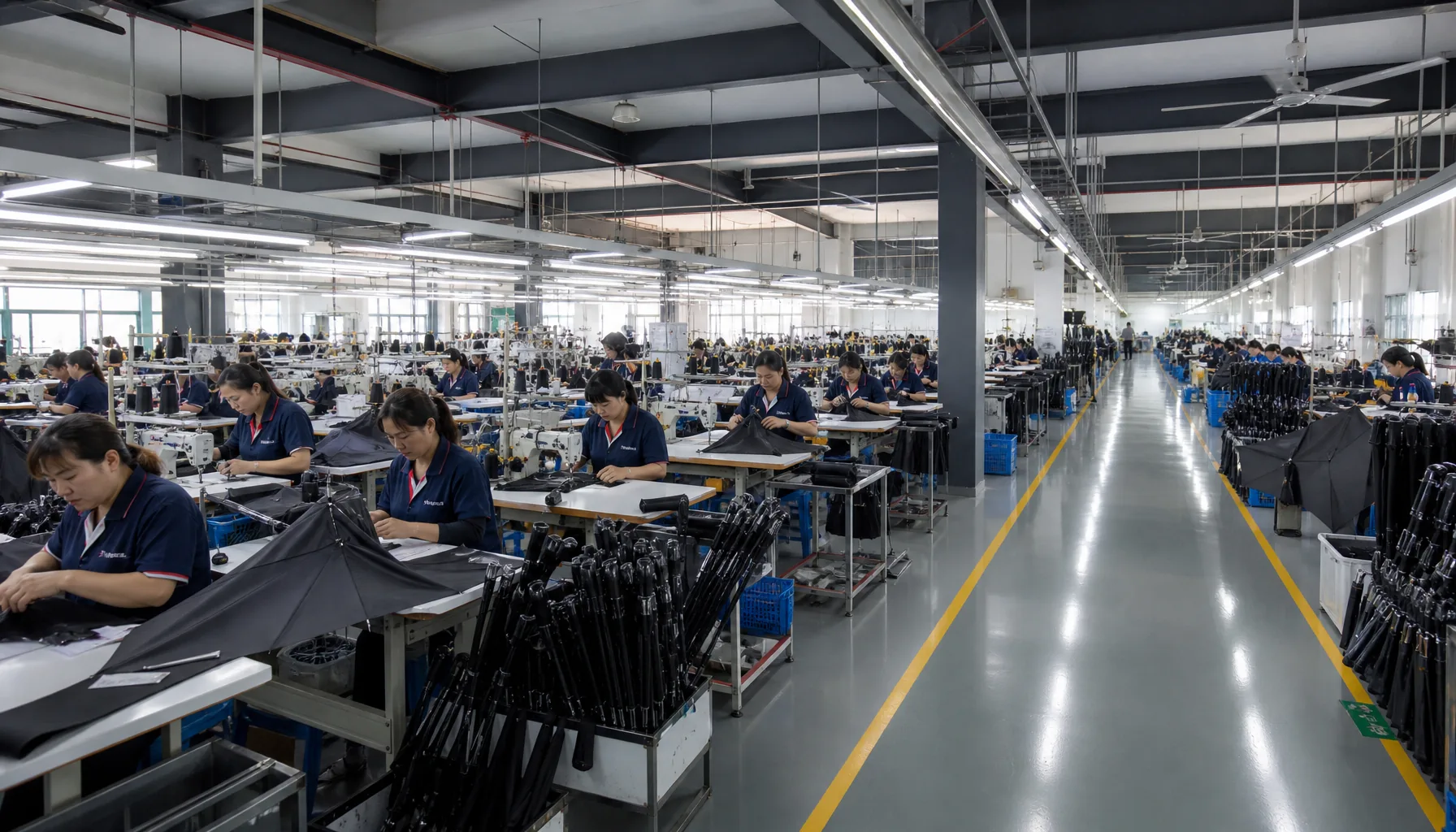
Umbrella Panel Seams and Stitching: Build Quality Factors
Learn how seam placement, stitch density, and reinforcement affect umbrella durability, water leakage, and buyer inspect...
Read More »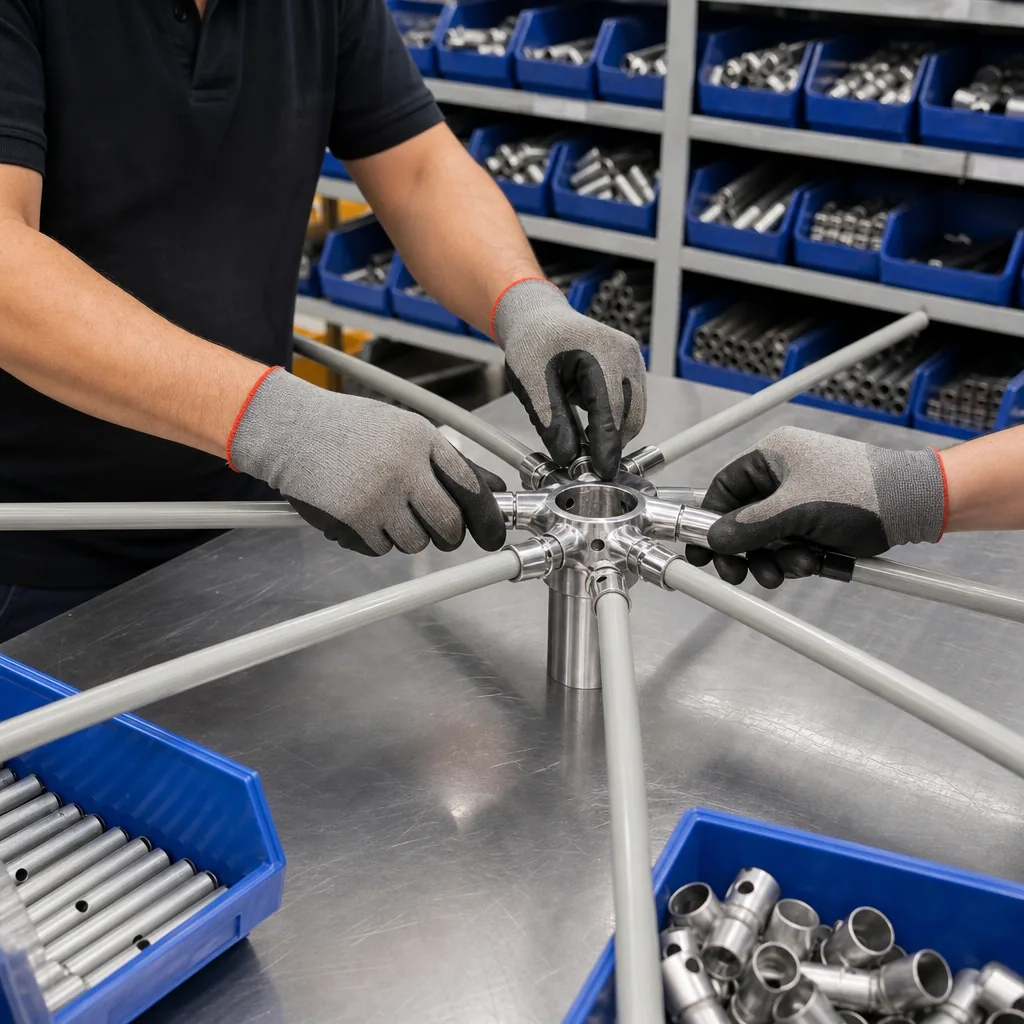
Umbrella Canopy Panel Engineering: Seams, Darts, and Tension
See how panel shape, seam allowance, and stitching affect canopy tension, leak resistance, and print quality in factory ...
Read More »Umbrella Canopy Panel Cutting and Seam Alignment Controls
Understand how panel cutting, seam alignment, and stitch control shape canopy appearance, waterproofing, and rejection r...
Read More »