Choosing the Right Umbrella Frame for Retail and Promotions
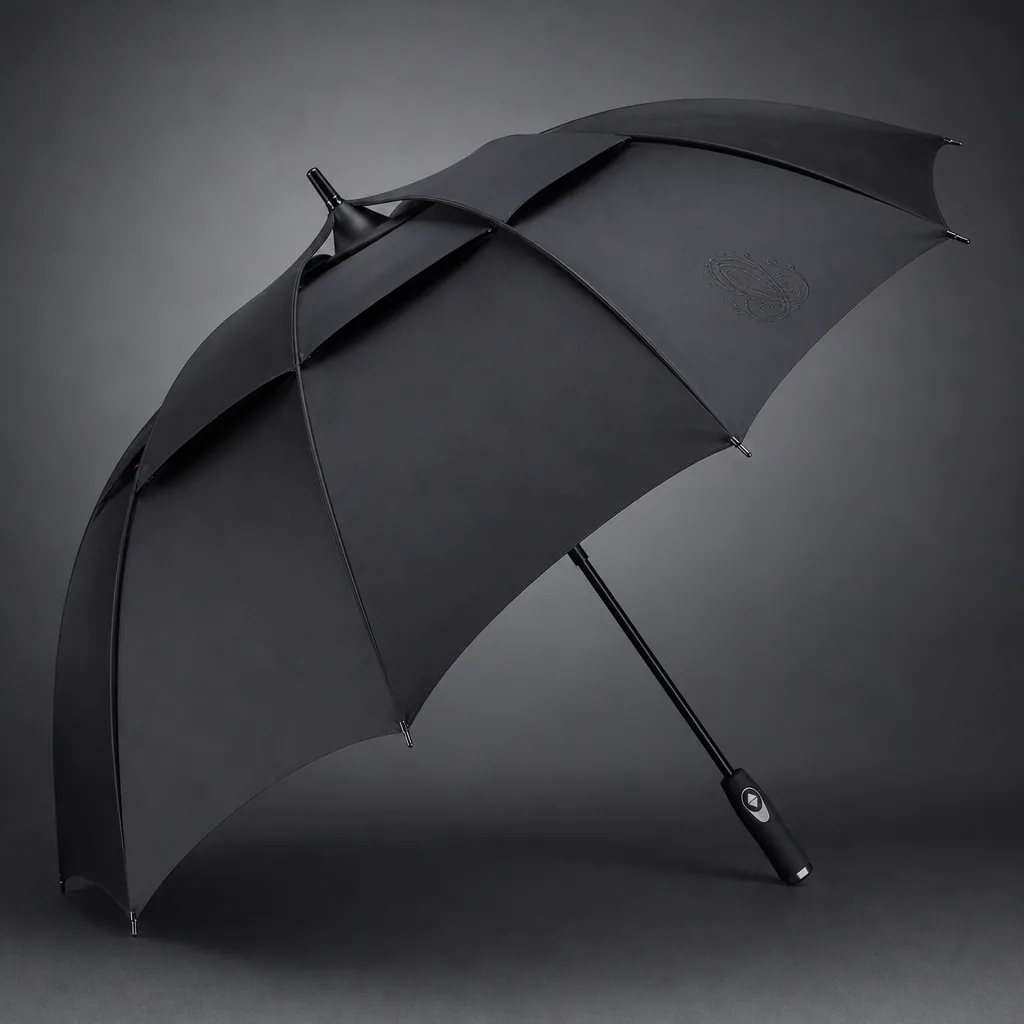
For retail and promotional programs, the frame is where cost, perceived quality, and failure risk meet. A canopy print can look perfect, but if the ribs twist, the runner sticks, or the shaft feels weak after a few openings, the buyer owns the complaint. On our factory floor in Songxia, umbrella frame selection starts with how the umbrella will be used, then works back through rib count, material, shaft construction, and opening system.
Frame materials and where each one fits
Start umbrella frame selection with four buying constraints: target FOB/DDP price, wind exposure, hand feel, and corrosion risk in storage. Steel ribs are still the cost baseline for 21" and 23" promotional stick umbrellas because they rivet cleanly, hold a smooth dome with 190T pongee, and work reliably in manual and auto-open umbrellas. The risk is also clear: steel bends before it rebounds, and scratched plating can show rust after salt exposure, wet cartons, or long warehouse dwell time. Use steel for event giveaways, short retail campaigns, and indoor merchandising where the umbrella is not sold as windproof. Specify black electrophoretic coating or nickel plating, then inspect to AQL 2.5 for rust spots, loose rivets, uneven rib spacing, runner drag, and canopy symmetry.
Fiberglass ribs cost more but solve two common return triggers: snapped outer ribs after gusts and visible corrosion at the canopy edge. Fiberglass flexes under load and returns closer to shape, especially on 8K or 10K frames with a steel or aluminum shaft. On 27" and 30" vented golf umbrellas, 16K ribs can support practical wind-tunnel performance around 50+ mph only when runner strength, stretchers, rib tips, and canopy tension are engineered as one system. Fiberglass also removes weight from the canopy perimeter, so premium retail and corporate gift models feel less nose-heavy. The tradeoff is bulkier rib geometry, higher component cost, and MOQ sensitivity; for a basic logo giveaway, buyers may not recover the upgrade unless durability is part of the brief.
Mixed-frame construction is the practical middle option when the buyer needs controlled cost without a fragile outer edge. A common build uses a steel center shaft and steel stretchers for stiffness, with fiberglass ribs at the canopy edge to recover after inversion. This structure fits auto-open umbrellas because the spring mechanism needs a stable shaft, while the rib tips take most gust impact. For humid markets, seaside resorts, or long storage cycles, avoid bare low-grade steel on outer ribs; specify fiberglass ribs or coated steel and verify plating coverage, rivet tightness, runner smoothness, and rib alignment under AQL 2.5. ZheBrella positions steel frames for price-driven promotions, mixed frames for mid-range branded campaigns, and full fiberglass builds for retail windproof lines where one return can exceed the frame upgrade cost.
How rib count changes performance and cost
Rib count sets both canopy behavior and frame cost, so treat it as a core umbrella frame selection variable. An 8K frame has eight ribs and remains the standard for 21 inch folding umbrellas, 23 inch stick umbrellas, and most promotional auto-open umbrellas because it keeps parts count, weight, and assembly time low. On 190T pongee or polyester, 8K gives adequate canopy tension for giveaways and everyday retail use. A 10K frame adds two ribs, creating narrower fabric panels that sit flatter under load; this reduces flutter in gusts and helps logos look cleaner when artwork crosses panel seams. A 16K frame uses sixteen ribs, more common on premium retail and golf umbrellas, to produce a rounder canopy and spread wind pressure across more support points. The gain is better shape and load distribution; the cost is more rib material, more joints, more sewing points, and a heavier hand feel.
Material often matters more than rib count in actual use. Steel ribs are the lowest-cost option for 8K promotional programs and hold shape well under normal handling, but once steel bends past its limit, it usually stays bent. That is why low-cost 8K steel frames can fail AQL 2.5 visual checks after wind testing. Fiberglass ribs flex and recover better, especially in double-canopy vented windproof designs rated around 50+ mph, but they raise unit price and require tighter riveting control to prevent loose joints. A 10K fiberglass frame can outperform 16K ribs made from steel because flexibility protects the stretchers, tips, and runner under gust load. For mid-tier retail, a steel shaft with fiberglass ribs is often the best balance of price, weight, and durability.
Each added rib increases tooling, sewing, assembly, and inspection work. A 16K umbrella needs twice as many rib tips and canopy attachment points as an 8K model, plus more precise panel cutting so the canopy does not pull unevenly after sewing. Factories also need separate rib lengths, stretchers, notches, jigs, and QC checks, which can affect MOQ, lead time, and unit price. For promotions, 8K is usually the strongest cost-to-performance choice unless the brief requires a premium feel or a larger 27 inch or 30 inch canopy. For retail, 10K is the practical upgrade when buyers want better wind behavior without the weight and cost of 16K. Good umbrella frame selection starts with the buying use case: giveaway, commuter, golf, resort, and shelf-ready retail programs each justify a different rib count.
Opening mechanisms buyers should specify
Opening mechanism should be specified early in umbrella frame selection because it affects unit cost, perceived value, and warranty exposure. Manual umbrellas use a hand-pushed runner that locks on a spring button, then pulls down to close. With fewer moving parts, they remain the lowest-risk choice for 21" and 23" promotional giveaways where logo area matters more than one-hand operation. The common failures are not the lack of automation; they are rough runner edges, weak spring buttons, loose top-notch riveting, and poor runner-to-shaft tolerance. On low-cost steel ribs, a stiff runner can bend a stretcher when users force the frame open. Fiberglass ribs absorb flex better, but the notch, runner, and rivets still need clean assembly control.
Auto-open umbrellas are the usual bulk-program upgrade when buyers want a more retail-ready feel without moving into complex mechanics. A button releases the runner and main spring, so the canopy opens quickly at a car door, hotel entrance, or event venue. This mechanism is common on 23" stick umbrellas, 27" golf umbrellas, and mid-range promotional models using 8K 16K ribs, depending on the strength target and price point. Buyers should check button spring strength, main spring tempering, runner-slot alignment, and handle cracking around the button housing after drop tests. For large orders, a proven auto-open design with AQL 2.5 inspection is usually safer than adding novelty features that pass a sample review but fail after repeated cycling.
Auto-open-close mechanisms fit compact folding umbrellas, where users expect one-hand operation in commuting, taxi, and travel use. Press once to open; press again to collapse the canopy; then compress the shaft manually until it locks. The convenience is real, but the load moves through more failure points: telescopic shaft, spring, cord, pulley, button assembly, and latch. Cheap versions create most complaints because one weak component can disable the whole frame. For retail, auto-open-close can support a higher specification, such as pongee 190T or 210T canopy fabric, fiberglass rib tips, and a stronger shaft. For mass promotions, it only belongs in the program when MOQ and budget allow cycle testing and consistent spare parts; otherwise, manual or auto-open umbrellas offer a cleaner risk profile for umbrella frame selection.
Fabric and coating choices that support the frame
Canopy fabric changes the load path, so umbrella frame selection should start before the buyer approves price or hand feel. For most retail and promotional umbrellas, 190T pongee is the practical baseline: it is lighter, stable in sewing, dries quickly with a standard PA or PU water-repellent finish, and keeps opening force manageable on 21-inch and 23-inch auto-open umbrellas. 210T pongee has a tighter weave and smoother hand, which suits higher-end retail programs, but it adds canopy weight and can increase tension at the runner, stretcher, rib tips, and top notch. On a 23-inch auto-open model, that extra resistance matters because the spring opens fast and the frame absorbs the snap load immediately. Steel ribs handle steady canopy tension at a lower cost, but side gusts can leave permanent bends; fiberglass ribs recover better when the canopy flexes. Rib count also changes the fit requirement: 8K 16K ribs create different seam spacing, tip-pocket loads, and uneven-pull risks, so the canopy pattern must match the frame, not just the umbrella size.
Coating choice can raise or reduce breakage risk as much as fabric weight. A basic PA or PU finish helps water bead, but a heavy application can make pongee stiff and push more force into the rib tips during opening and gust recovery. For better retail umbrellas, a lighter durable water-repellent finish, Teflon treatment, or UPF 50+ UV coating can improve performance without turning the canopy into a hard shell. Printing also changes stretch: dark sublimation, full-panel heat-transfer logos, and film-backed artwork can reduce give, especially on 210T panels. Large artwork should be tested on the final frame, not only on a fabric swatch, because blank fabric and printed fabric may open differently. This is where umbrella frame selection becomes risk control: low-cost promotional frames may pass a quick open-close check with blank 190T pongee, then fail at the tip pocket or rib joint once coating, printing, and spring force are combined.
Fit tolerance is the quiet failure point. If gores are cut short by 3 to 5 mm per panel, a manual 21-inch umbrella may still look acceptable in sampling, but a 27-inch golf umbrella or double-canopy windproof model will expose the tension error during wind testing. Fiberglass ribs tolerate movement, but uneven fabric pull still concentrates load on one or two ribs; steel ribs usually show the problem as permanent bending at the weakest rib or stretcher. The safer factory control is to check canopy tension after sewing, after coating or printing, and again during final AQL 2.5 inspection, because humidity, coating cure, seam allowance, and print coverage all move the final fit. For FOB orders, this prevents carton-level surprises before shipment. For DDP retail programs, it reduces returns that look like frame defects but actually started with fabric, coating, or pattern mistakes.
Spec sheet decisions for MOQ, lead time, and QA
Treat umbrella frame selection as a cost, lead-time, and defect-risk decision before artwork approval. Freeze the spec sheet around canopy size, rib count, rib material, shaft material, runner type, handle, and opening mechanism. A 21" compact with steel ribs does not carry the same MOQ or failure profile as a 27" golf umbrella with fiberglass ribs, a fiberglass shaft, and a vented double canopy. For retail and promotional programs, MOQ usually follows component availability: stock 8K steel ribs or mixed steel-fiberglass frames often start at 500-1,000 pcs per color, while custom frame colors, special handles, 10K or 16K ribs, and private-mold auto-open umbrellas commonly require 1,200-3,000 pcs because ribs, shafts, runners, springs, or handles must be sprayed, tooled, or purchased in batch. If the buyer needs 50+ mph wind testing, put that requirement on the PO because it changes rib thickness, joint hardware, canopy tension, and unit cost more than a logo revision.
Approve one physical pre-production sample before bulk cutting, then use that signed sample as the production-line standard. The sample must include the actual frame, canopy fabric, handle, print method, retail packaging, and carton mark. A manual 23" straight umbrella built from available components may need 5-7 days for sample development. Auto-open umbrellas, auto-open-close compacts, vented double-canopy models, and 16K decorative frames often need 10-15 days because spring force, runner travel, rib tension, and canopy fit must be tuned together. Do not approve a new frame from photos alone. Open and close the sample at least 30 times, check rib alignment, shake the shaft, inspect the tips, and confirm the canopy is not stretched enough to distort the print. At ZheBrella, the approved sample stays on the line as the build reference for operators and QC.
Write AQL 2.5 checkpoints into the purchase order before production starts, with the inspection list matched to frame complexity. For basic 8K steel ribs, check rust, loose rivets, bent ribs, uneven stretchers, runner locking, and canopy symmetry. For fiberglass ribs, add splintering, exposed fiber, weak rib-tip bonding, and inconsistent rebound after inversion. For auto-open umbrellas, test the release button, spring strength, latch engagement, and accidental opening risk across cartons, not only from top-layer samples. Use umbrella frame selection to set a realistic shipment calendar: 20-25 days after sample approval for standard stock frames, 30-35 days for custom-color frames or mixed-material builds, and 40-50 days for new tooling, 16K ribs, or complex windproof structures. Tie final payment or shipment release to a passed AQL 2.5 report, carton drop check, and open-close function test, especially on FOB orders where repairs after loading are not practical.
Frequently Asked Questions
When does a fiberglass frame make more sense than steel?
Fiberglass is the better choice when wind performance, corrosion resistance, and lighter weight matter more than the lowest possible cost. Steel is usually reserved for lower-cost builds or when a buyer needs a very rigid frame at a tight budget.
Does a higher rib count always mean a better umbrella?
No. 16K ribs can improve support, but only if the shaft, stretcher geometry, and canopy fabric are specified to match. For some promotional programs, 8K or 10K is a better balance of cost, weight, and durability.
How does rib count affect umbrella cost and retail positioning?
An 8-rib frame is the standard for promotional and entry-level retail umbrellas because it balances cost and performance. A 16-rib frame usually raises unit cost due to extra materials and assembly time, but it gives a denser canopy shape and a more premium look for gift, hotel, or boutique retail programs.
When should a buyer choose fiberglass ribs instead of steel ribs for a custom order?
Fiberglass ribs are a better fit when the umbrella will be used outdoors frequently or sold in windy markets, since they flex more and are less likely to stay bent after inversion. Steel ribs are often chosen for lower-cost campaigns where price matters more than long-term durability.
Does adding an auto-open system change MOQ or production lead time?
In most OEM orders, auto-open does not dramatically change MOQ, which commonly starts around 500 to 1,000 pieces depending on size and handle mold. It can add a few days to production and requires extra function testing, especially for straight umbrellas with custom shafts or handles.
Looking to Launch Your Custom Umbrella Line?
ZheBrella is a Zhejiang-based OEM/ODM umbrella manufacturer with 17 years of export experience. Free design, low MOQ from 100 pieces, windproof construction, full-color print.
Get Free Quote Now »People Also Search For
Related Articles
Choosing Umbrella Venting, Ribs, and Frame Specs for Brands
Compare vented canopies, rib counts, and frame materials so buyers can match wind performance, cost, and branding to eac...
Read More »Choosing a Folding Umbrella for Retail and Promo Buyers
Compare folding umbrella sizes, frames, and mechanisms so buyers can match retail or promo programs to target price, win...
Read More »
Double-Canopy Windproof Umbrellas: Buyer Selection Guide
Compare double-canopy builds, vent vents, rib materials, and MOQ so buyers can source windproof umbrellas that match ret...
Read More »