Double-Canopy Windproof Umbrellas: Buyer Selection Guide
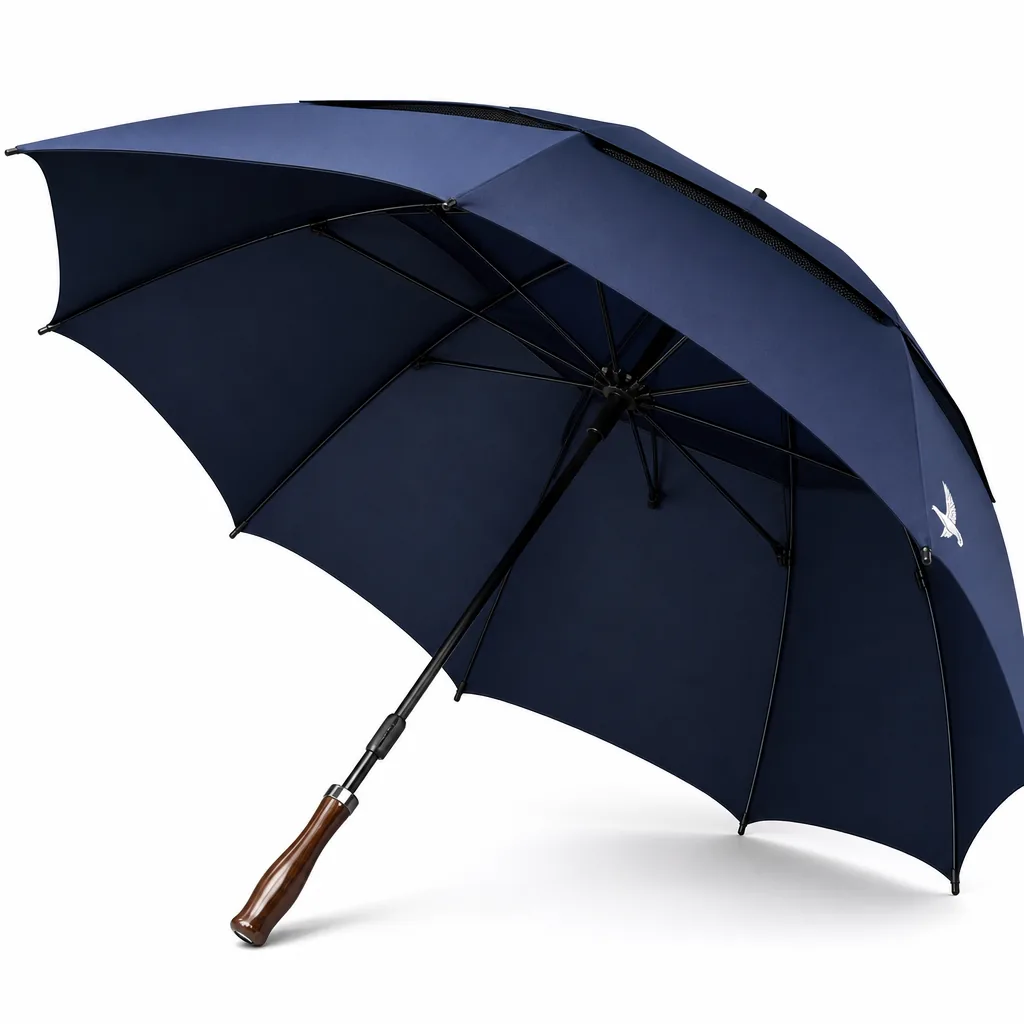
Sourcing double-canopy windproof umbrellas is less about finding the lowest unit price and more about matching structure to real use: retail customers expect cleaner opening and finishing, while promo and event buyers care about delivery consistency, logo area, and failure rates in gusty conditions. On the factory floor, the details that matter are usually the ones hidden in the sample card—vent geometry, rib material, frame tension, and whether the minimum order can still hold quality across the full run.
When a double-canopy build is worth it
A double-canopy windproof structure is worth paying for when the umbrella has to survive real gusts, not just light commuter rain. In practice, I’d look at it for coastal retail, golf, outdoor events, stadium promotions, delivery fleets, and airport/tourist channels where sudden wind spikes are normal. Once you are regularly dealing with winds around 25 to 35 mph, a vented canopy design starts to earn its keep; at 40 mph and above, the difference between a standard single-canopy frame and a properly built double-canopy windproof umbrella becomes obvious on the factory floor and in the field.
The reason is simple: the upper vent lets air escape instead of loading the canopy like a sail. That reduces uplift and torque on the shaft, rib tips, and stretch points, so the frame is less likely to flip inside out. A single-canopy build can work fine in calm markets, but if the buyer wants fewer returns and fewer broken ribs, fiberglass ribs paired with a vented canopy design are the better specification. On auto-open umbrella models, that matters even more because users tend to deploy them quickly in bad weather, which means the frame gets hit with wind before they have time to adjust position.
For OEM umbrella sourcing, I usually separate “nice to have” from “must have” by channel and liability. If the umbrella is for urban commuting, premium gift programs, or retail in windy regions, the double-canopy windproof umbrellas spec is justified because inversion risk directly affects customer satisfaction and replacement cost. If it is for indoor-to-outdoor transition use, or a low-cost promotional item in calmer markets, a single canopy may be acceptable, but only if the buyer is honest about performance limits. The key is matching the build to the actual wind exposure, not to the marketing copy on the carton.
Frame and rib specs that affect wind performance
For double-canopy windproof umbrellas, the rib package matters more than the canopy fabric. Fiberglass ribs flex and spring back instead of staying bent after a gust; steel ribs are stiffer and cheaper, but once they deform, the frame usually stays out of true. In practice, a vented canopy design works best with fiberglass ribs on the top layer and a reinforced steel or fiberglass-composite stretcher set below it, because the vent relieves pressure while the frame absorbs the shock. If you are doing OEM umbrella sourcing, the usual tradeoff is simple: fiberglass raises material cost and improves break resistance, while steel lowers unit cost but increases return risk in windy markets.
Rib count changes how the umbrella distributes load. An 8K frame is lighter, opens faster, and is fine for promotional or everyday retail use, especially on a standard auto-open umbrella with a 21" to 23" canopy. A 16K frame gives a rounder canopy shape, more support points, and better panel tension, but it adds parts, assembly time, and weight, so it only makes sense when you want a premium hand feel or a stronger wind profile. For most buyers, 8K with fiberglass ribs is the best cost-to-performance point; 10K or 16K is justified when the umbrella needs to survive repeated gusts, not just look sturdy on a spec sheet.
The shaft choice should match the rib package, not fight it. Aluminum shafts are useful on heavier-duty umbrellas because they keep the center section from adding too much weight while still giving better corrosion resistance than plain steel in humid or coastal use. I would not put a lightweight shaft under a very heavy 16K build unless the canopy diameter and ferrule load are controlled, because the top-end frame can feel solid while the center flexes badly in real wind. For most double-canopy windproof umbrellas, a fiberglass ribs plus aluminum shaft combination gives the cleanest balance of flexibility, carry weight, and acceptable cost, especially when paired with an auto-open umbrella mechanism that customers can operate quickly in bad weather.
Canopy fabric and vent construction choices
For double-canopy windproof umbrellas, the canopy fabric is where buyers usually overpay for the wrong spec. Pongee 190T is the common workhorse: lighter, faster to dry, easier to pack, and usually good enough for a promo auto-open umbrella or any program where unit cost matters. Pongee 210T is denser and takes ink better, so it gives cleaner logos, less show-through on dark colors, and a slightly more substantial hand feel. The tradeoff is simple: 210T costs more and adds a bit of weight, but it usually holds up better in repeated wet-dry cycles and resists that flimsy, wrinkled look some cheap canopies get after a few uses.
Fabric spec alone does not make double-canopy windproof umbrellas durable; seam construction decides whether the umbrella survives real wind. I look for reinforced stitching at the panel edges, bartacks at stress points, and proper top-crown attachment so the vented canopy design does not tear where the upper and lower canopies separate. If the vents are cut too close to the seam line or the sewing tension is inconsistent, the umbrella will flutter, leak stress into the ribs, and eventually split near the apex. For fiberglass ribs, a well-built vented canopy design reduces reverse pressure and lets the frame flex instead of snapping under gusts.
Placement matters as much as material. The upper vent should open cleanly enough to release air, but not so large that rain drives through the overlap and lands on the user’s shoulders; the lower canopy needs enough depth to keep the structure stable without creating a parachute effect. Good OEM umbrella sourcing usually means checking stitch count, seam tape or edge binding if specified, and print compatibility before approving artwork, because heavier 210T fabric generally gives better screen print registration and sublimation consistency than thin 190T. If the buyer wants the same umbrella to carry retail branding and pass wind testing, I would not compromise on seam reinforcement or vent geometry just to save a few cents.
Mechanisms, handles, and user experience
For retail and premium promo programs, the mechanism choice changes both perception and returns. A standard auto-open umbrella is the safest volume choice: one button, fast deployment, fewer moving parts than auto-open/close, and lower spring wear over time. Manual frames still have a place on low-cost giveaways because the shaft and runner are simpler, but they feel old-fashioned in retail packaging and users often force the ribs when opening too fast. On double-canopy windproof umbrellas, the vented canopy design helps the frame survive gusts, but the mechanism still needs clean tolerances; a sloppy auto-open button or weak latch will show up as a high failure rate long before the ribs do.
Auto-open/close adds convenience, but it is the most expensive mechanism to build and the easiest to damage in rough handling. The extra release spring, locking system, and tighter trigger geometry mean more assembly time and more QC rejects if the pin seat is off by even a fraction of a millimeter. For OEM umbrella sourcing, I usually treat auto-open/close as a retail feature, not a free upgrade for giveaways, because the added cost is real and the return risk rises if the user presses the button while the canopy is still under load. If the frame is using fiberglass ribs, the mechanism matters even more: the ribs can flex, but the button system still has to reset cleanly after repeated cycles.
Handle selection should match the program, not just the price target. Straight EVA handles are common on mass-market and promotional models because they are cheap, easy to color-match, and comfortable when the umbrella is wet; crook handles sell better in retail because they hang neatly and feel more traditional in hand. Rubberized handles improve grip, but they can pick up molding flash and odor if the compound is poor, and soft-touch finishes can wear glossy after heavy use. On double-canopy windproof umbrellas, I prefer a handle that gives a positive grip without adding weight at the top, because a heavier handle can make the umbrella feel nose-light and awkward in wind. In practice, the lowest-failure combination is usually a manual or auto-open frame with fiberglass ribs, a straightforward vented canopy design, and an EVA or rubberized straight handle unless the retail brief justifies the cost of auto-open/close.
MOQ, QC, and sourcing terms to confirm
For double-canopy windproof umbrellas, the first number buyers should confirm is MOQ, because it drives both unit cost and decoration options. In practice, plain stock-color can start around 300–500 pieces per style, while custom canopy print, branded sleeves, or special handle tooling usually pushes MOQ to 1,000–3,000 pieces. If you want an auto-open umbrella with a vented canopy design and fiberglass ribs, expect the MOQ to rise when the rib profile, frame finish, or panel count changes, since those parts affect cutting templates and assembly setup more than the print itself.
QC needs to be written into the PO, not left as a verbal promise. The normal target for export lots is AQL 2.5 for major defects, with buyers often specifying tighter checks on frame action, canopy seam straightness, and open/close function on each carton sample. For OEM umbrella sourcing, lead time is usually 25–35 days after artwork and sample approval for standard materials, but it stretches when the order needs new molds, special fabric lamination, or rain-test confirmation on a new vented canopy design. Bulk orders also need time for frame incoming inspection and print curing, especially with full-panel graphics.
FOB and DDP solve different buying problems, so choose the one that matches your internal logistics team. FOB works when you want factory pricing at the port and you or your forwarder control freight, duty, and destination clearance; DDP rolls those costs into one delivered quote, which is easier for retail launches and smaller importers but usually leaves less visibility on freight and tax components. For double-canopy windproof umbrellas, ask the supplier to quote both ways on the same spec sheet, then compare landed cost, carton count, and customs responsibilities line by line before you commit.
Frequently Asked Questions
Is a double-canopy umbrella always better in high wind?
No. It helps in gusty conditions, but performance still depends on rib material, rib count, shaft strength, and assembly quality. A well-built single canopy can outperform a poorly made vented design.
What should a buyer ask for in a sample test?
Ask for wind, opening-cycle, and seam-strength checks, plus colorfastness and spray resistance if the umbrella will be sold at retail. For promo orders, confirm the logo print survives repeated opening and closing.
What MOQ should buyers expect for double-canopy windproof umbrellas?
For OEM double-canopy umbrellas, a common MOQ is 500 to 1,000 pieces per style depending on fabric, handle, frame color, and logo method. Custom molds, special colors, or retail packaging may require a higher order quantity.
Which canopy fabric is best for retail windproof umbrellas?
190T or 210T pongee is commonly used for mid-range and retail-grade windproof umbrellas because it has a smoother hand feel and better water repellency than standard polyester. For premium lines, buyers may specify higher-density pongee with Teflon or similar water-repellent coating.
How long does production usually take for custom vented umbrellas?
Sample development typically takes 5 to 10 days after artwork confirmation, while bulk production is usually 25 to 45 days depending on order size and material availability. Buyers sourcing for seasonal retail programs should add extra time for inspection, packaging, and ocean freight.
Looking to Launch Your Custom Umbrella Line?
ZheBrella is a Zhejiang-based OEM/ODM umbrella manufacturer with 17 years of export experience. Free design, low MOQ from 100 pieces, windproof construction, full-color print.
Get Free Quote Now »People Also Search For
Related Articles
Double-Canopy Windproof Umbrella Builds for Retail Buyers
Learn how double-canopy vents, rib choice, and frame layout improve wind resistance, and what specs retailers should req...
Read More »
Double-Canopy Umbrellas: Venting, Stability, and Buyer Specs
Learn how double-canopy construction improves wind release, where vent size matters, and what buyers should specify for ...
Read More »How to Specify a Windproof Double-Canopy Umbrella Build
Learn how double-canopy umbrellas are built, what rib and vent details matter, and which specs buyers should request for...
Read More »