Why Clear Bubble Umbrellas Win at Marketing and Photography
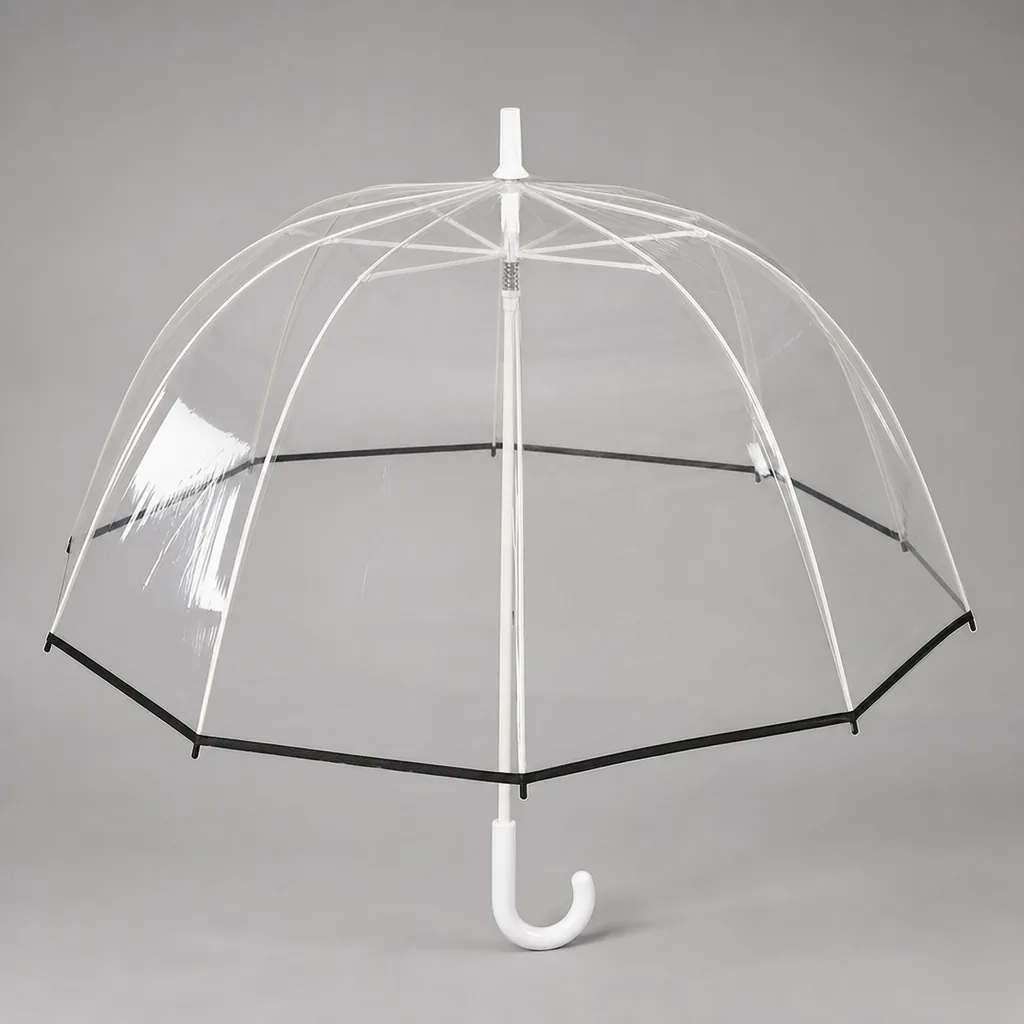
Brands want umbrellas that photograph cleanly, carry a logo without looking cluttered, and hold up through repeated field use, but transparent canopies make all three harder than they look. In clear bubble umbrella marketing, the difference between a sharp product shot and a washed-out one usually comes down to canopy clarity, print placement, frame balance, and how the umbrella behaves under real light, wind, and handling. From the factory floor, we know those details decide whether a campaign looks premium or improvised.
The visual appeal of transparent domes
A clear bubble umbrella is easy to photograph because it solves the two biggest problems in umbrella imagery: blocked faces and visual clutter. The dome shape keeps rain coverage in frame, while the transparent canopy lets the camera keep the subject, logo, and surroundings visible at the same time. That makes clear umbrella branding much stronger than with opaque polyester, where the canopy often turns into a flat color block. For clear bubble umbrella marketing, that visibility matters because the product does not disappear in the shot; it frames the person using it. A photographer can show a full face, a clean silhouette, and the umbrella structure without fighting the background. In practice, that means fewer unusable frames and more images that work for web banners, catalogs, event recaps, and social posts.
The dome profile also creates a very recognizable shape, which is why dome umbrella photography performs well on social platforms. The curved edge gives a strong outline against city streets, wedding venues, storefronts, and branded event spaces, even when the weather is dull. Clear panels catch reflections, droplets, and soft light in a way that reads as premium instead of plain. That texture helps a shot feel intentional without extra styling. For clear umbrella promotion, the canopy acts like a light modifier: it softens harsh daylight, keeps the subject legible, and still shows what is happening around them. Our standard practice is to pair clear PVC or POE with a clean edge binding and a smooth runner so the umbrella looks neat on camera, because sloppy finishing is obvious in close-up photos.
The commercial value is simple: transparent domes make the product easier to use in real campaigns, not just in studio shots. A retailer can print a small logo on one panel, place a model under a subway entrance or storefront awning, and still get a usable image with the brand visible. That is hard to do with dark canopies, which swallow detail and force heavier retouching. Clear umbrella branding also works across different audiences because the product does not depend on a specific color story; it adapts to weddings, tourism, fashion, and corporate events without looking out of place. In clear bubble umbrella marketing, that flexibility matters more than novelty. The umbrella is not just weather protection; it is a visible frame that makes people and logos easier to shoot, easier to share, and easier to remember.
Branding on a transparent canopy
On a clear PVC or POE canopy, the print that actually survives use is not the giant full-panel graphic people sketch in a deck. The strongest clear bubble umbrella marketing tends to live on the border, the hem tape, the tip patch, and the lower quadrant of each panel, where the artwork is visible without fighting the reflection off the dome. For transparent umbrella branding, I usually push one-color or two-color prints with a white underbase on 0.10 to 0.15 mm PVC, or a tighter UV screen print on POE when the buyer needs cleaner edges and less cold-crack risk. ZheBrella standard practice is to keep the art away from the center apex, because that area distorts first in photos and makes logos look broken.
If the goal is clear umbrella promotion, the print has to read from three meters away and still hold up when the canopy flexes in wind. A thin border band, 15 to 25 mm wide, gives better visibility than a crowded all-over layout, especially on 8K or 10K dome frames where the ribs create a natural rhythm in the image. For dome umbrella photography, that border also frames the face and keeps the logo out of the subject’s eyes, which is why event buyers like it for weddings, retail activations, and outdoor campaigns. On clear PVC, edge branding should be tested after heat-sealing and opening cycles, because ink that looks sharp on the flat sheet can crack once the canopy is stitched and tensioned around the ribs.
Campaign and content use cases
Clear bubble umbrella marketing works because the product does half the branding for you: the canopy stays visually open, so faces, outfits, signage, and event backdrops remain visible instead of getting buried under opaque fabric. For activations, that matters more than the umbrella itself. We use that visibility for photo booths, street-team handouts, sports sponsorships, campus welcome kits, and retail checkout giveaways where the logo needs to sit on the rim, handle wrap, or a small panel decal without blocking the shot. A 23-inch or 27-inch dome frame is usually the sweet spot for repeated use in public-facing campaigns, while a manual or auto-open model keeps the giveaway price low and the failure rate manageable. Transparent umbrella branding also holds up better when the client wants a clean, premium look rather than heavy print coverage; that is standard practice in ZheBrella production when the campaign depends on sightlines, not just logo area.
For social content, dome umbrella photography is strong because it creates a clean frame around the subject and reflects light in a predictable way, which is useful for outdoor brand shoots, wedding content, hotel promotions, and seasonal retail launches. The best results come from simple scenes: a single color coat, one umbrella, and a background with enough contrast to read through the canopy. Clear umbrella promotion also performs well in short-form video because the umbrella shows motion, rain, and street reflections without hiding the model, so the clip looks active without extra styling. I would avoid overloaded graphics on these pieces; one logo, one tagline, and one accent color is usually enough. For events, the same umbrella can move from PR gifting to on-site photography to resale packaging, which makes it a practical campaign tool rather than a disposable novelty.
Material choices: PVC vs POE clarity
For clear bubble umbrella marketing, the first thing I look at is optical clarity, not just whether the sample is labeled "transparent." PVC usually gives a harder, glassier look, but it also tends to show more haze, glare, and surface waviness once the film is thermoformed into a dome. POE is softer and usually reads cleaner in photography because it diffuses less light at the panel seams and keeps the canopy looking more even under flash or studio LEDs. If the brief is transparent umbrella branding, the material has to hold up when the logo sits behind a face or product shot; a slightly milky film can flatten color and make edge printing look dull. For dome umbrella photography, that matters more than buyers expect because reflections on the curved surface amplify every defect, from weld lines to dust.
Eco and cold-weather behavior are where the two materials diverge in a practical way. PVC is cheaper and can be fine for short-run clear umbrella promotion, but it gets stiffer in low temperatures and can crack or crease if the umbrella is packed cold and opened hard. POE stays more flexible in winter, so it is the safer choice for outdoor events, airport giveaways, and retail use where the product will be handled fast and often. It is also the more defensible option if the buyer cares about material perception, since POE is generally positioned as a cleaner, less controversial film than PVC. In our standard practice, I push POE when the umbrella is meant to be photographed, displayed, and reused; PVC only makes sense when unit cost is the main constraint and the climate is forgiving.
Sourcing photogenic dome umbrellas
For clear bubble umbrella marketing, the canopy has to be truly optically clean, not just “transparent enough.” I would specify EVA or PVC film at 0.18-0.25 mm for the clear dome, with smooth welding lines and no haze, orange peel, or trapped dust. A 23-inch or 27-inch dome is usually the right balance for portraits and event photos because the rounded profile keeps faces visible while still covering shoulders. Ask for a fiberglass frame with 8K or 10K ribs if you want better shape retention in wind; cheap steel frames tend to bend the dome and create ugly asymmetry in photos. For transparent umbrella branding, the printing zone should be planned before tooling, because small logos on the skirt edge read better on camera than oversized marks that block the subject.
Dome umbrella photography depends on light behavior, so the canopy finish matters as much as the frame. A clear canopy should have high light transmission with low glare, and the top panel should stay free of heavy seams or oversized vents that break reflections. If the umbrella will be used outdoors for campaign shoots, I would ask for a UV layer or soft anti-fog treatment, but keep the coating light enough that it does not turn the canopy milky under flash. A manual-open or auto-open mechanism is usually better than auto-open-close for photo work because it reduces accidental recoil and keeps the handle slimmer in the frame. For clear umbrella promotion, the handle finish also matters: straight J-handles photograph more cleanly than chunky molded grips, especially in hands-on lifestyle shots.
If the order is for retail or event kits, define the spec as a presentation product, not a rain-only umbrella. Our standard practice is to confirm the canopy geometry, rib length, and print placement with pre-production photos before mass cutting, because a 1-2 mm welding shift shows up immediately on a transparent surface. For higher-end programs, request AQL 2.5 inspection, carton drop testing, and at least 48-hour aging checks on the film so you do not discover whitening or seam stress after shipment. MOQ is often lower for stock-size clear domes than for custom colored umbrellas, and FOB or DDP terms should be clarified early because oversized cartons affect freight more than the umbrella itself. A 21-inch mini can work for giveaways, but for actual photography and branded content, 23-inch or 27-inch domes are the safer choice.
Frequently Asked Questions
Why are clear umbrellas good for marketing?
Transparent dome umbrellas are highly photogenic and frame the user's face, so they generate shareable photos and social content. A logo or border on the clear canopy stands out in images, giving brands organic reach beyond the in-hand impression.
How do you brand a transparent umbrella?
Logos are printed directly on the clear PVC or POE canopy, often in a solid or white ink so they read against any background, or placed as a repeating edge border. Bold, simple marks work best on transparent material.
What logo placement works best on a clear bubble umbrella for photography campaigns?
For photo-first campaigns, the strongest placements are the lower canopy panels and the trim area near the edge, where the logo stays visible without blocking the face. Most buyers use 1-color screen print or UV print for clean contrast; a 7 to 8 panel canopy usually gives enough space for brand repetition without looking crowded.
What is a typical MOQ and lead time for custom clear dome umbrellas?
For OEM production, MOQ is often 500 to 1,000 pieces per design, depending on canopy color, handle style, and print complexity. Standard lead time is usually 25 to 35 days after sample approval, with longer timelines for special packaging or multi-color printing.
Which branding method holds up best on transparent umbrella material?
Screen printing is usually the most durable and cost-effective for simple logos, while UV printing works better for finer details and gradients. If the umbrella will be used outdoors or in photo shoots, ask for abrasion and water-resistance testing so the print stays sharp after repeated handling.
Looking to Launch Your Custom Umbrella Line?
ZheBrella is a Zhejiang-based OEM/ODM umbrella manufacturer with 17 years of export experience. Free design, low MOQ from 100 pieces, windproof construction, full-color print.
Get Free Quote Now »People Also Search For
Related Articles
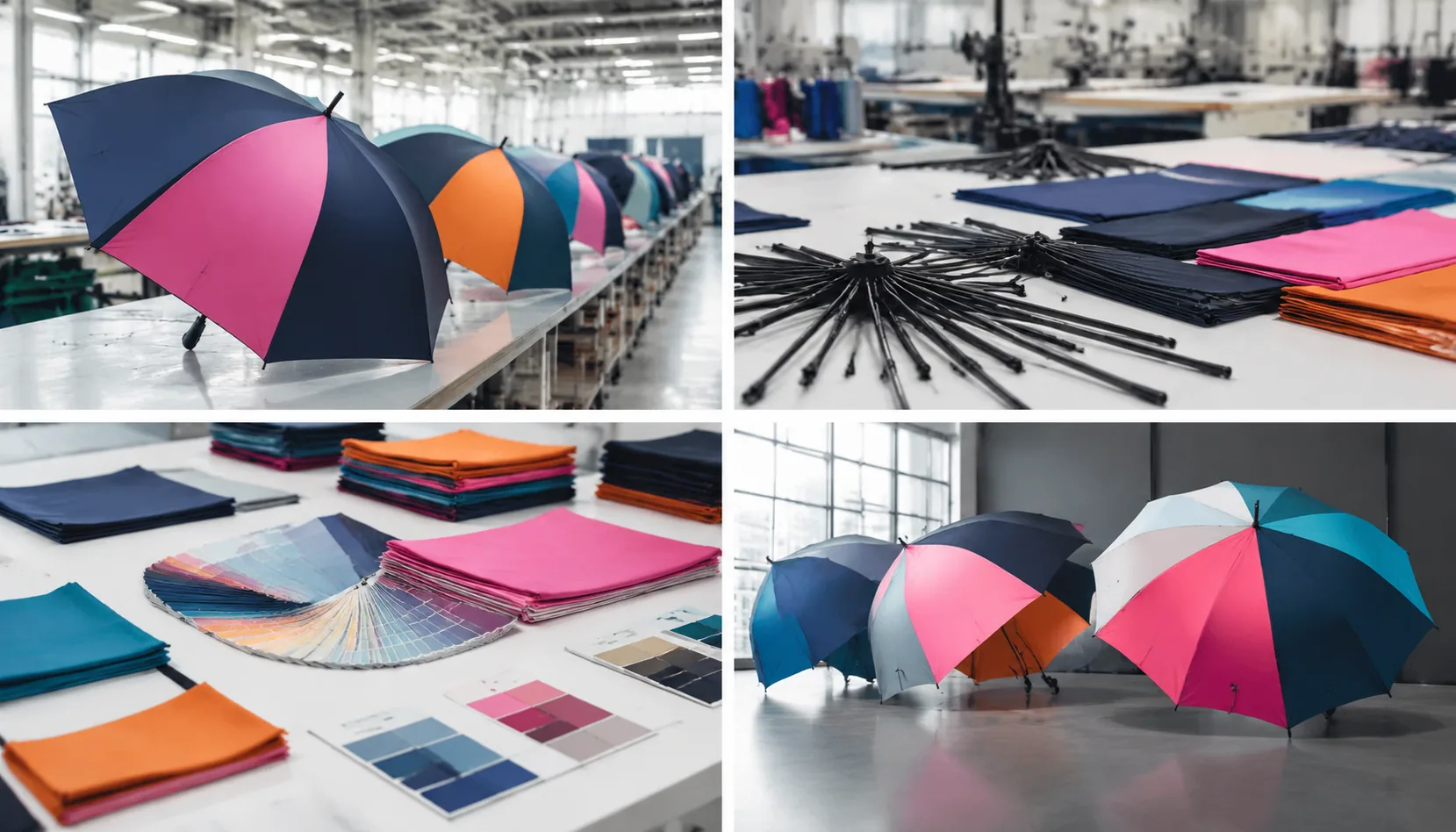
Umbrella Color Blocking for Clear Brand Recognition
See how color blocking, trim accents, and panel contrast help umbrellas read as branded products without relying on larg...
Read More »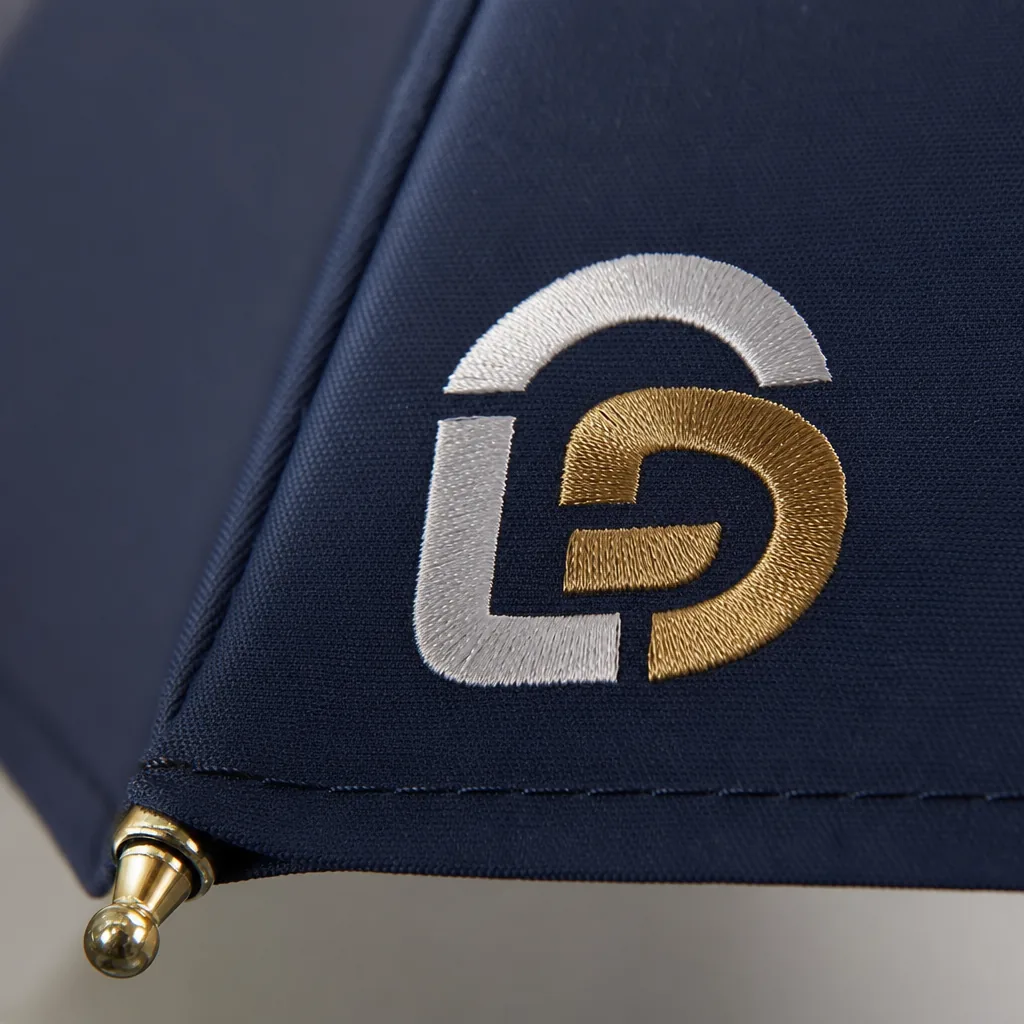
Embroidery or Print on Umbrellas: Brand Visibility Tradeoffs
Compare embroidery and print for umbrellas, including durability, setup costs, visibility, and MOQ so buyers choose the ...
Read More »Transparent Clear Dome Umbrellas: PVC vs POE Material Guide
PVC vs POE transparent dome umbrellas - which material to choose for fashion-week giveaways, bridal photography, brand a...
Read More »