Color Consistency Across Umbrella Branding Programs
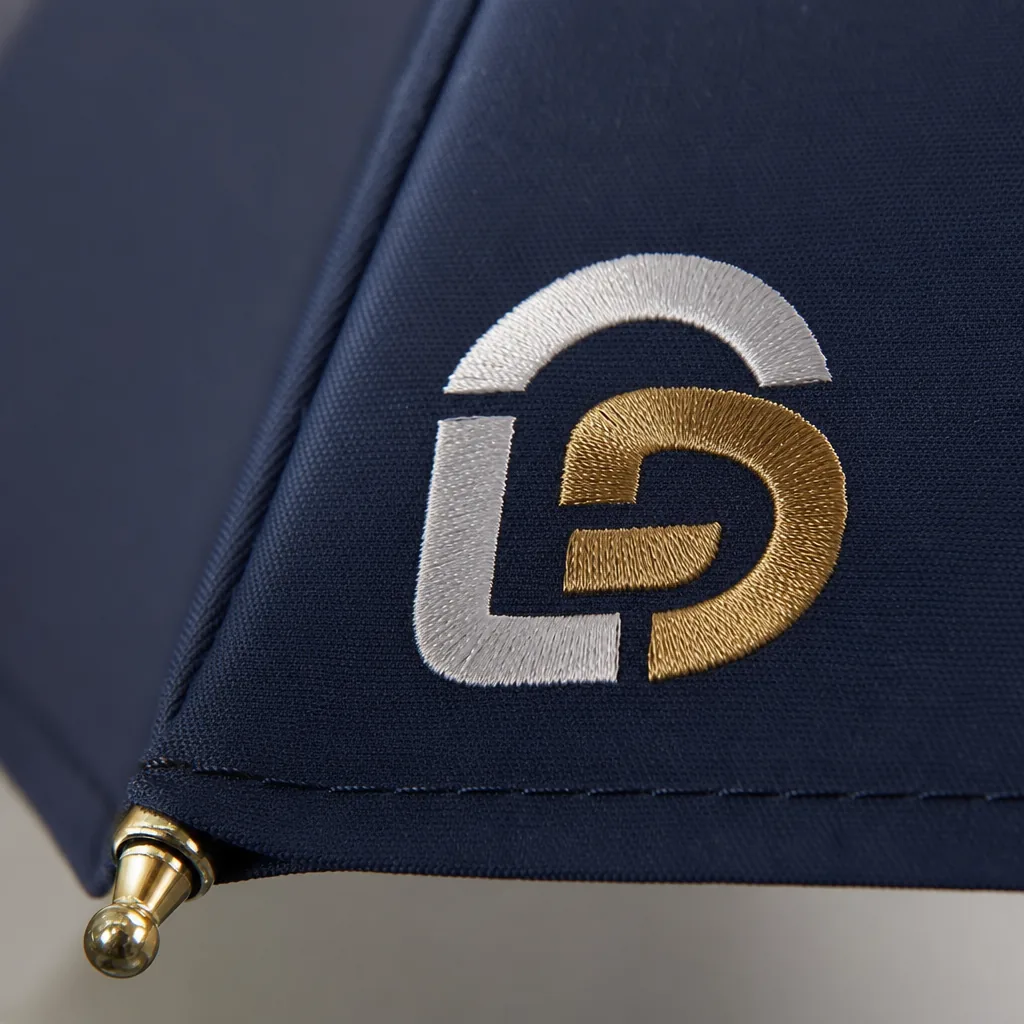
When a branded umbrella program spans multiple factories, cartons, and reorder cycles, small color shifts become visible fast and can dilute the brand. At ZheBrella in Songxia, we see the issue on the production floor: fabric lot variation, ink drift, and loose approval control are usually what break umbrella color consistency, not the logo itself. Buyers need a process that locks canopy shades, trim rules, and sign-off checkpoints before the first bulk run.
Define the color system before sampling
If you want real umbrella color consistency, lock the color system before anyone cuts fabric or pulls handle samples. A brand should approve canopy, trim, strap, handle, ferrule, and tip colors as a set, not as separate guesses from different suppliers. In practice, that means naming the exact Pantone reference for each visible component, then translating it into Lab targets for the fabrics, plastic parts, and print inks that will actually be used on the production line. Without that upfront definition, “blue” becomes five different blues, and every round of sampling turns into subjective arguments instead of controlled brand color matching on umbrellas.
The branded umbrella spec sheet needs to show more than artwork placement and size. It should list the approved canopy and trim colors, the intended fabric base, whether the handle is ABS, EVA, or wood, and the acceptable tolerance range for each material group. Textile dye lots and injection-molded parts do not behave the same, so a realistic target might allow a tighter delta for printed panels and a wider one for molded handles. That is how you reduce back-and-forth: the factory knows what is acceptable before sampling starts, and the buyer is not forced to approve by eye alone.
This matters even more on repeat order color control, where a customer expects last quarter’s navy or red to be duplicated months later from a new dye lot. Our standard practice is to archive the approved master sample, the Pantone callout, the Lab reading, and photos under controlled lighting so the next run has a clear reference. If the spec sheet also records which parts can drift slightly and which cannot, you avoid disputes when a trim tape or wrist strap lands inside tolerance but looks a touch different from the canopy. That is the practical way to keep umbrella color consistency across programs instead of chasing it order by order.
Coordinate color across fabric and components
If you care about umbrella color consistency, you have to start with the fabric, not the logo. Pongee 190T and 210T will read differently under daylight because dye lots vary, and the same Pantone can look cleaner on one roll and slightly duller on the next. On the factory floor, I treat brand color matching on umbrellas as a system check: canopy cloth, edge binding, inner lining, and the print ink all need to be tied to one approved sample, not just a PDF. A branded umbrella spec sheet should call out the target Pantone, acceptable shade tolerance, and whether the reference is viewed under natural light or standard booth light.
The frame finish changes the final impression more than most buyers expect. Fiberglass ribs are usually matte and quiet in appearance, while painted steel or plated parts can reflect light and make the canopy look darker or brighter by comparison. Molded runners, tips, crowns, handle inserts, and tips often come from different resin batches, so even when the canopy is right, a slightly warm black or gray plastic can break the look. For repeat order color control, I always separate fabric approval from component approval; otherwise a second production run can technically match the artwork and still fail visually on the shelf.
Contrast trim, lining, and binding colors can either sharpen the brand or make the whole umbrella look off-tone. A navy canopy with white piping may feel crisp in a sample room, but if the binding skews cream and the lining is a different blue, buyers will read it as inconsistent even when each piece is within tolerance. That is why canopy and trim colors should be approved together, with the same lot of fabric and the same component batch whenever possible. If the program will repeat, keep swatches, supplier codes, and inspection photos on file so the next production run can be checked against the first approved standard instead of guessing from memory.
Build a repeat-order control sheet
Freeze the details that actually move in production, not the marketing description. A proper branded umbrella spec sheet should lock the umbrella color consistency targets with Pantone or LAB references for canopy and trim colors, then record rib type, frame finish, fabric weight, print method, logo location, handle style, packaging, and carton labeling. If you leave any of those vague, the next factory run will “match” by eye and you will get drift between samples, bulk, and repeat order color control.
For umbrellas, the color problem usually starts at the fabric and ends at the carton. I want the sheet to specify the canopy and trim colors separately, because a navy panel and a matching binding tape often come from different dye lots or suppliers, and one side can look right while the other looks off under retail lighting. The sheet should also state whether the canopy is 190T or 210T pongee, whether the print is screen, heat-transfer, or sublimation, and the exact logo placement in millimeters from the vent, seam, or edge; that is what keeps brand color matching on umbrellas from becoming a dispute after the second season.
Multi-season and multi-region reorders only stay clean when the control sheet is written like a production document, not a sales quote. Our standard practice is to tie the frozen specs to approved photos, a physical master swatch, and carton text so the factory, forwarder, and local warehouse all use the same version; that matters when the same program is reordered into different countries, seasons, or retail channels. If the order sheet also captures acceptable tolerances, revision date, and who approved the last sample, you reduce back-and-forth, protect umbrella color consistency, and avoid paying for rework on a batch that was technically built to the wrong version.
Use sampling and inspection to lock the look
Umbrella color consistency starts before bulk production, not after the cartons are packed. For dyed pongee 190T or 210T canopy fabric, we pull pre-production swatches against the approved Pantone target, then make strike-offs on the actual print method the order will use, whether screen, heat-transfer, or sublimation. A golden sample should lock down the approved hue, gloss, seam thread, label color, and how the canopy and trim colors read under daylight and warehouse lighting. If the buyer wants brand color matching on umbrellas, the spec has to show the exact Pantone reference, fabric base, coating, and whether the trim is one shade darker or lighter, because those details change the finished look more than people expect.
The branded umbrella spec sheet should be treated like a control document, not a sales form. It needs photos of the approved sample, component codes for shaft, ribs, tips, handle, and ferrule, plus notes on whether the frame is fiberglass or steel and whether the canopy is PVC, POE, EVA, or coated polyester. During bulk runs, inspectors should compare every line item against that sheet: canopy panel shade, tape and binding color, print position, logo density, and any mismatch between the body panel and the trim. For repeat order color control, the old approved sample should be kept and used as the physical master, because relying on memory or a PDF is how orders drift by the second or third production lot.
For inspection, AQL 2.5 is the practical checkpoint, but the defect list has to be specific. Shade variation should be checked under a standard light box, print registration should be measured against panel seams and centerlines, and component mismatch should cover handles, tips, and tips caps that came from a different batch or resin color. We also flag mixed lots when one carton pulls slightly warmer or cooler than the rest, because that is usually where umbrella color consistency breaks down in repeat order color control. ZheBrella’s standard practice is to freeze the golden sample after pre-production and then compare first-piece, mid-run, and packed goods against it, which catches drift early instead of forcing a rework after shipment.
Plan buying terms around color risk
If you care about umbrella color consistency, you have to talk about buying terms before you talk about Pantone numbers. A low MOQ sounds convenient, but it often forces the factory to use whatever dyed pongee, webbing, or handle stock is already on hand, which is where brand color matching on umbrellas starts to drift. If the supplier can reserve dyed yarn, coated fabric, and matching trim, you get a much better shot at holding the same canopy and trim colors across the run; if not, you are gambling on lot-to-lot variation. Put the target shade, tolerance, and component list into the branded umbrella spec sheet, because that is the only document sales, sourcing, and production all read the same way.
Sample lead time matters because it is usually the only clean checkpoint before the main order locks in materials. A short sample cycle is useful, but only if the factory is actually sampling the exact fabric base, tape, and thread that will be used in bulk; otherwise you approve one shade and ship another. In practice, repeat order color control gets easier when the first order is treated as the color master, then later reorders are booked against the same mill lot or a controlled re-dye window. For promotional programs, I prefer customers to approve a physical golden sample and keep it on file, because digital proofs do not show how a 190T pongee or a matte PVC canopy will shift under different light.
Bulk lead time is where buying terms either protect color or expose it. If the bulk schedule is too aggressive, the factory may split production across partial fabric lots, and that is when shade differences show up between panels, trim, and carry sleeves. FOB is usually simpler when the brand wants tight control over artwork approval, carton labeling, and the exact ship set, because the buyer can manage the freight forwarder and stage the launch plan around one clean production release. DDP can be better for distributors who need faster market entry, since it bundles freight, duty, and local delivery into one handoff, but it only helps if the spec is already frozen and the color standard is locked; otherwise you are just moving a color problem faster.
Frequently Asked Questions
What causes color variation between umbrella batches?
The main causes are fabric dye-lot differences, coating changes, and component sourcing from different suppliers. Even a small change in finish or rib coating can make the same color code look warmer or darker.
How can a buyer keep repeat orders consistent?
Freeze a written spec sheet with approved color references, approved sample photos, and physical master samples. Reconfirm the same fabric, rib finish, and print system before each reorder, not just the artwork file.
What color reference should buyers provide for consistent umbrella production?
Provide Pantone Solid Coated or TCX references for canopy fabric, plus separate references for trim, binding, handle, tips, and logo printing. A branded umbrella spec sheet should also include approved sample photos and notes on acceptable color tolerance.
Can the same umbrella color be repeated exactly on future orders?
Repeat orders can be closely controlled by keeping the original approved sample, Pantone references, fabric type, coating, and trim materials unchanged. Small dye-lot variation is normal, so many umbrella factories use pre-production fabric swatches for approval before bulk cutting.
When should a buyer approve color samples for a branded umbrella program?
Color approval should happen before bulk fabric cutting and before final logo printing. For OEM umbrella orders, buyers typically approve a fabric swatch or strike-off first, then a pre-production sample, with bulk lead time starting after written approval.
Looking to Launch Your Custom Umbrella Line?
ZheBrella is a Zhejiang-based OEM/ODM umbrella manufacturer with 17 years of export experience. Free design, low MOQ from 100 pieces, windproof construction, full-color print.
Get Free Quote Now »People Also Search For
Related Articles
Brand Color Consistency Across Umbrella Collections
Keep umbrella colors and logo finishes consistent across multiple SKUs with clear Pantone targets, fabric limits, and fa...
Read More »
Matching Logo Colors Across Umbrella Fabrics and Parts
Learn how to keep logo colors consistent across pongee canopies, straps, cases, and plastic parts with realistic toleran...
Read More »Brand Color Control for Umbrella Decoration Programs
Keep logo and canopy colors consistent across umbrella orders with practical specs for Pantone targets, fabric limits, a...
Read More »