Brand Color Consistency Across Umbrella Collections
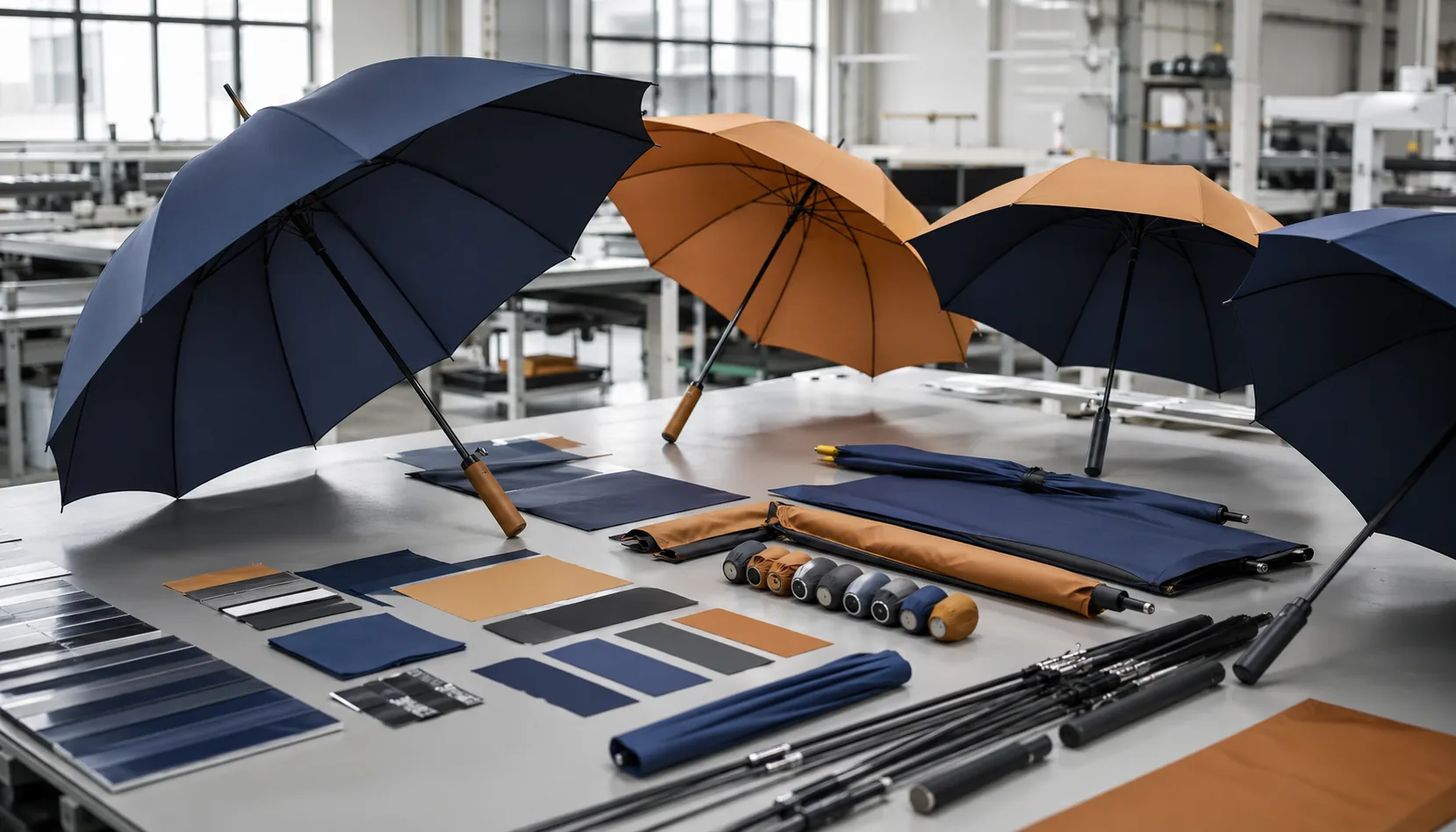
For buyers managing multiple umbrella SKUs, the hard part is not choosing a color once; it is keeping that same shade, logo finish, and fabric response stable from sample to repeat order to replenishment. At the factory floor, umbrella color consistency depends on clear Pantone targets, realistic material limits, and approval checkpoints that catch drift before a full production run does.
Why color consistency breaks across umbrella SKUs
The biggest reason umbrella color consistency falls apart is that buyers often specify only a Pantone code and assume every SKU will land the same visually. It doesn’t work that way. A 190T pongee canopy absorbs and reflects light differently than 210T pongee, and a UV model with a silver or black undercoating will push the same dye warmer, duller, or darker than a standard rain umbrella. Add in different canopy shapes, panel counts, and stitch density, and the brand color can drift enough that two units look like they came from different programs, even when the artwork file is identical.
The second mismatch point is hardware and trim. Fiber ribs, steel ribs, and even frame paint color affect how the umbrella reads in hand, especially on light colors and low-saturation brand shades. Handles are another trap: EVA, ABS, wood, and rubberized grips all bounce surrounding light differently, so the same red canopy can feel more muted on a matte black handle and brighter on a white one. In branded umbrella collections, this is where a retail brand umbrella spec needs to be more than a color code; it should lock down canopy fabric, coating, rib finish, handle material, and print method together.
Printing method also changes the result more than most procurement teams expect. Screen printing can hold dense solids well on some fabrics, but heat transfer, sublimation, and digital print all behave differently depending on fiber content and coating. That’s why Pantone matching umbrellas often pass on one model and miss on another, especially when the same artwork is moved from a stick umbrella to a folding umbrella or to a UV model with a specialty coating. In multi-SKU umbrella branding, the only reliable approach is to approve each construction separately and treat umbrella color consistency as a controlled production spec, not a visual assumption.
How to build one color system for many styles
Start by treating the umbrella as a color system, not a single shade request. For branded umbrella collections, define one primary brand color, one or two accent colors, and a written list of acceptable alternates for canopy cloth, lining, edge tape, and logo ink. In practice, that means specifying which parts must match exactly and which parts can vary by a controlled tolerance. On a retail brand umbrella spec, I would lock the canopy first, then define the accent for binding or runners, because those small parts often drift when the factory mixes lots or switches trim suppliers. If you are ordering multi-SKU umbrella branding across 21-inch compact, 23-inch stick, and 30-inch golf styles, the same master color needs to survive different fabrics, panel counts, and printing methods without looking like a different brand.
The mistake I see most often is approving color from photos. Camera white balance, indoor lighting, and monitor settings make a 100% match look wrong or a bad match look acceptable, so photo approval should only be a quick check, not the reference. For umbrella color consistency, set one physical standard for each color: Pantone TPX or TCX for fabric, a sealed swatch for edge tape, and an approved ink drawdown for logos. If the canopy is 190T or 210T pongee, ask for lab-dipped swatches before bulk cutting, because the same color can shift after coating or heat transfer. Our standard practice is to keep one master reference board per style family and compare every new lot against that board under the same D65 light, which is far more reliable than chasing screenshots.
For Pantone matching umbrellas, define the acceptable variation in writing: one standard for the main canopy, one for the logo ink, and separate tolerance notes for lining and trim if those materials cannot hit the same depth. Good suppliers will tell you where the risk is, such as darker edge tape reading slightly different from flat canopy cloth or a sublimated print sitting one step cooler than screen ink. Put those exceptions into the spec instead of arguing after production starts. If you want the color program to hold across future drops, store the approved master swatches, sign off on a first article sample, and require the same reference on reorders; that is what keeps umbrella color consistency intact when multiple factories, seasons, or packaging formats are involved.
Fabric and finish choices that affect color
For umbrella color consistency, the first thing I check is the fabric count and resin finish, because they change how the same dye reads under store lights and outdoors. A 190T pongee canopy is slightly more open and usually prints a little flatter; 210T has a tighter weave, cleaner surface definition, and a more even ink laydown, which matters when you are trying to hold Pantone matching umbrellas across a full production run. On multi-SKU umbrella branding, that tighter hand also reduces the cheap-looking mottling you sometimes see on low-density cloth. If a buyer wants branded umbrella collections that stay visually aligned from stick umbrella to folding umbrella, I push them toward the same base fabric and coating spec instead of mixing 190T and 210T just to save a small amount of cost.
Surface finish is the other variable buyers underestimate. Matte pongee diffuses light and hides minor shade variation better, while glossy or heavily calendared fabric makes every lot-to-lot difference more visible, especially on saturated reds, navies, and corporate greens. Black canopy bases usually give stronger logo contrast and are the safer choice for a retail brand umbrella spec when the artwork is white, silver, or high-opacity spot color; they also mask small print registration drift better. Light bases, especially white, ivory, or pale gray, are better when the collection is fashion-led and the canopy color itself is part of the merchandising story, but they demand tighter dye control because any contamination or shade shift shows immediately.
In practice, the best result comes from locking the fabric, finish, and base color before approval sampling, then keeping them fixed across all sizes and mechanism variants. A light canopy can look premium in a seasonal retail line, but a darker ground is usually the better engineering choice when logo legibility is the priority and the range includes manual, auto-open, and auto-open-close models. For that reason, we treat canopy material and finish as part of the color standard, not just a decorative decision, because once the weave, sheen, and ground tone change, the same printed color will no longer behave the same way across the collection.
Production controls for repeat orders
For repeat orders, umbrella color consistency starts before cutting fabric, not after the cartons are packed. On branded umbrella collections, I insist on a locked approval chain: lab dips for canopy cloth, strike-offs for printed panels, then a pre-production sample built with the actual frame, handle, and closure parts. If the buyer is working from a retail brand umbrella spec, the approved master should include the Pantone target, the fabric base code, the ink system, and the acceptable delta for shade shift under D65 light. ZheBrella’s standard practice is to keep the approved swatch physically attached to the order file and to freeze the artwork PDF plus the print screen or transfer reference, so a reorder does not depend on someone’s memory.
A good factory records the exact material lot, coating batch, and print settings used on the signed-off sample, then matches future production against that record. For multi-SKU umbrella branding, that matters because a 21-inch compact and a 30-inch golf model can be the same branded program but still need separate tolerance limits for fabric stretch, ink density, and seam visibility. If the order allows Pantone matching umbrellas, the tolerance should be written down in plain terms: acceptable shade band, allowed logo position drift, and whether handle color must match the canopy or only the master swatch. Without those limits, reorder disputes are predictable and expensive.
AQL 2.5 inspection should check both shade and print, not just broken ribs or failed open-close cycles. Inspectors need a sealed reference set: approved swatches, signed strike-offs, and the first pre-production sample, then they compare random cartons under controlled lighting and reject lots that drift outside the agreed tolerance. The best reorders also keep a simple revision log showing the date, buyer approval, artwork file name, swatch code, and any changes to inks, pongee 190T/210T fabric, or UV coating. That record is what keeps a program stable when the same umbrella color consistency has to hold across multiple seasons, sizes, and factories.
Commercial terms that protect brand consistency
MOQ is the first thing that quietly breaks umbrella color consistency. If a buyer tries to lock one retail brand umbrella spec across compact, stick, golf, and kids’ styles, the minimum order often forces compromises: one style may run 500 pieces, another 1,000, and the factory will push color-efficient production runs around those quantities. On paper the canopy looks “the same blue,” but in real production you get batch drift from different dye lots, separate printing screens, or different fabric suppliers. For branded umbrella collections, that means the spec has to be written around a controlled color target — usually a Pantone reference plus an approved lab dip or master swatch — and the buyer has to accept that the same color family may need different execution on pongee 190T, 210T, or POE because each substrate reads color differently.
Lead time matters because rush programs reduce control. A 15-day re-order usually means the factory will pull from whatever certified fabric, handles, and frames are already in house, which is fine for replenishment but risky for Pantone matching umbrellas if you need exact cross-season alignment. If the program is seasonal, I push buyers to freeze the color library 30 to 45 days before PO approval, then keep the same color code in the tech pack for every restock window. FOB is better when the buyer already has a tight QC process and wants to inspect color at origin; DDP is better when the importer wants landed simplicity, but then the spec has to be even stricter because once the shipment clears, there is no easy correction. That is where multi-SKU umbrella branding usually works best: one master color family, with approved variants for canopy, trim tape, and carry sleeve so the assortment stays visually coherent without pretending every style can be identical.
The smart split is by color family, not by force-fitting every style to one exact shade. A 23-inch auto-open stick umbrella and a 21-inch compact can share the same navy family, but the compact may need a slightly deeper tone to compensate for tighter panel curvature and different panel count, while a golf umbrella can use the same family with a lighter edge binding or vent trim. That is still umbrella color consistency in a commercial sense, because the shopper sees a deliberate system, not a mismatched warehouse mix. ZheBrella’s standard practice is to approve a master color board, then define where deviation is allowed: canopy only, handle only, or accent only. If the buyer wants a hard lock, the spec should name the exact SKU list, acceptable fabric base, and replenishment window; if not, split the order into separate SKUs by color family and avoid forcing one universal shade across every frame style.
Frequently Asked Questions
How many color references should a brand approve for an umbrella program?
At minimum, approve one canopy reference, one logo reference, and one trim or handle reference. If multiple fabrics are used, each material should have its own approved sample because the same color code can shift on different surfaces.
Why does the same Pantone color look different on two umbrellas?
The base fabric, coating, and print process all affect perceived color. A smooth 210T pongée panel can look richer than a more textured material, and a dark canopy can visually mute lighter inks.
How many Pantone targets should we define for one umbrella collection?
For most multi-SKU programs, define one Pantone target for each canopy color, one for the logo print or embroidery thread, and one for any trim or handle accent. If the same color must appear across 3 to 6 SKUs, the factory should approve a master swatch and keep the same dye lot reference where possible.
What color tolerance should a factory use for branded umbrella production?
A common practical tolerance for apparel-style color matching is a visible but controlled delta against the approved swatch, usually checked under standard light boxes before bulk production. The exact pass/fail standard should be written into the spec sheet, especially if multiple SKUs will sit side by side in retail.
How many sample rounds are usually needed to lock in umbrella color consistency?
Most B2B programs need 1 to 2 sampling rounds before mass production, with final approval based on a physical swatch, printed artwork proof, and production material confirmation. If the order includes several canopy fabrics or logo finishes, allow extra time for one additional pre-production check.
Looking to Launch Your Custom Umbrella Line?
ZheBrella is a Zhejiang-based OEM/ODM umbrella manufacturer with 17 years of export experience. Free design, low MOQ from 100 pieces, windproof construction, full-color print.
Get Free Quote Now »People Also Search For
Related Articles
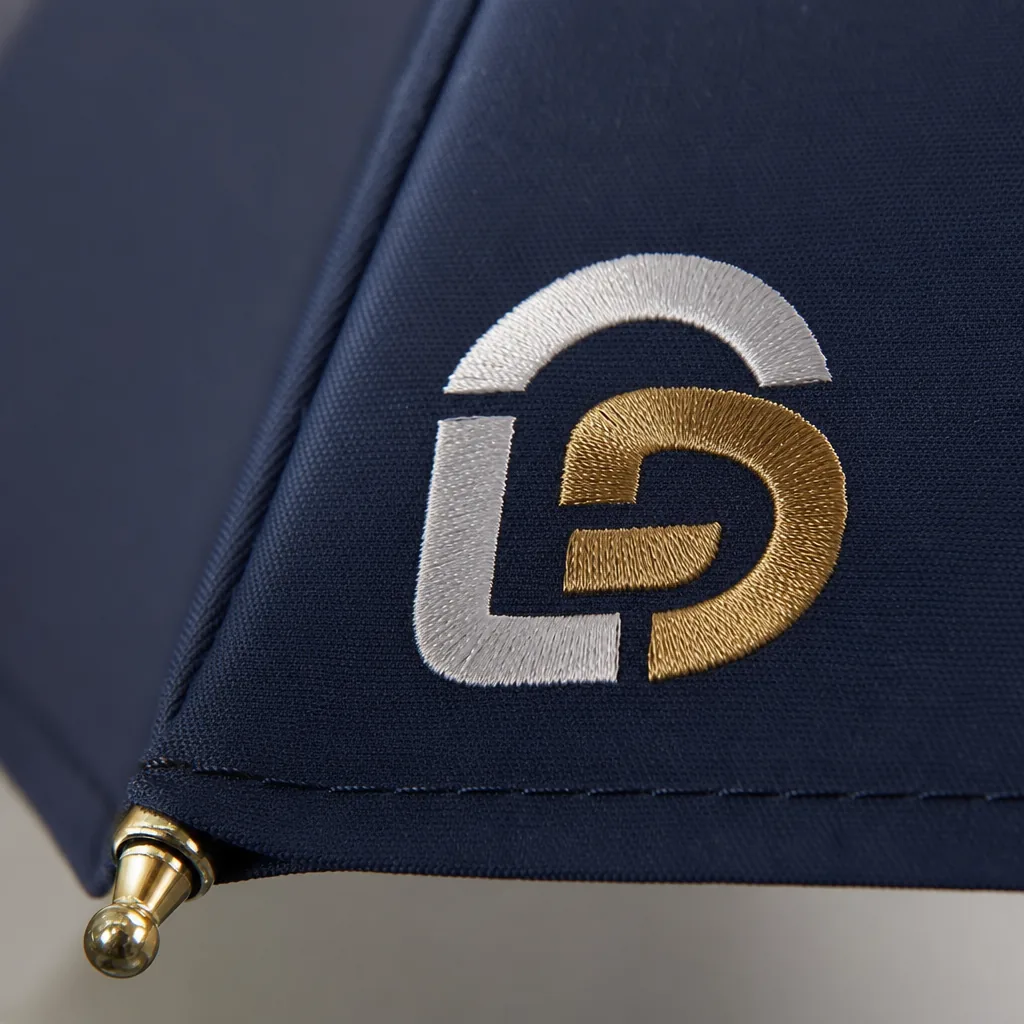
Color Consistency Across Umbrella Branding Programs
Build repeatable umbrella branding with controlled canopy colors, trim rules, and approval steps that keep retail and co...
Read More »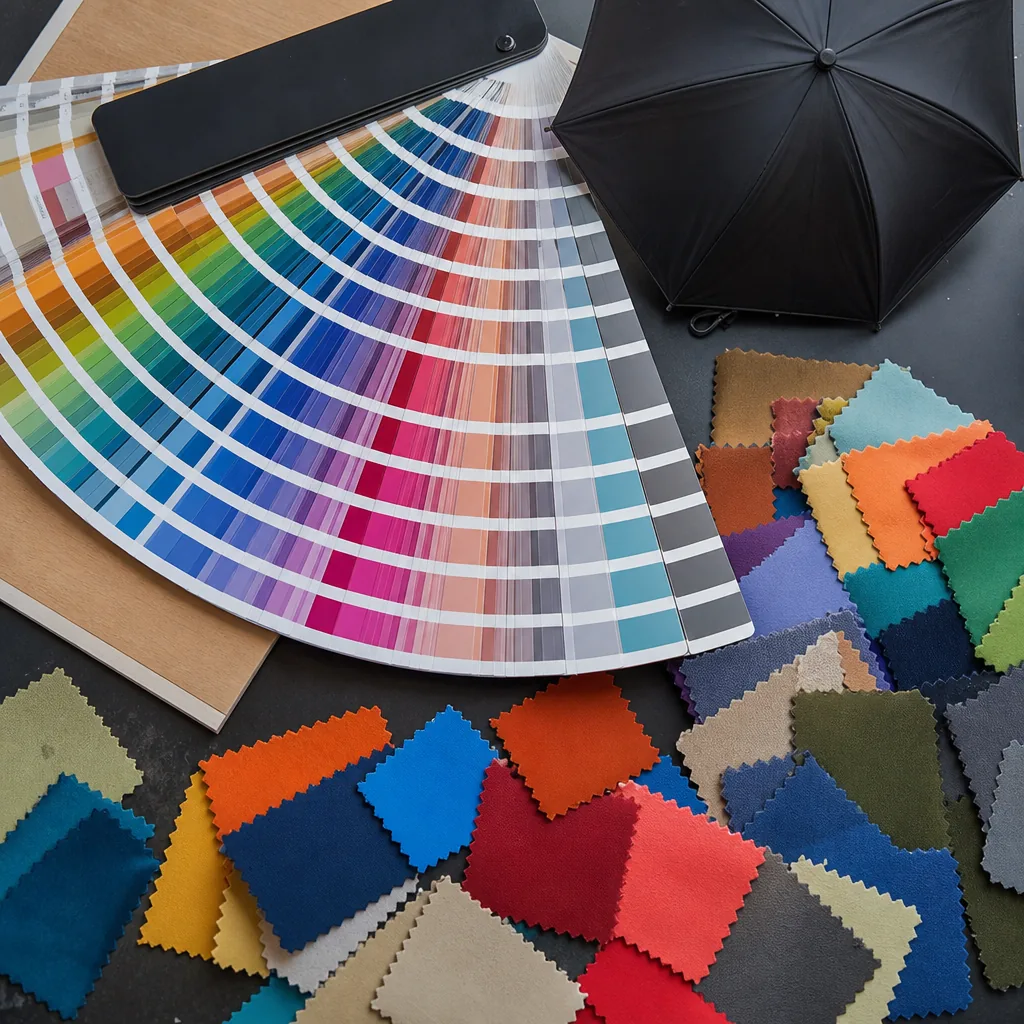
Color Accuracy for Branded Umbrellas Across Product Lines
Learn how to keep brand colors consistent across umbrella styles, fabrics, and factories with practical guidance on matc...
Read More »How to Build a Strong Umbrella Branding Program Across SKUs
Create a repeatable umbrella branding system across styles, colors, and packaging so every SKU looks consistent and fact...
Read More »