Custom Inserts for Umbrella Kits, Sets, and Boxed Promotions
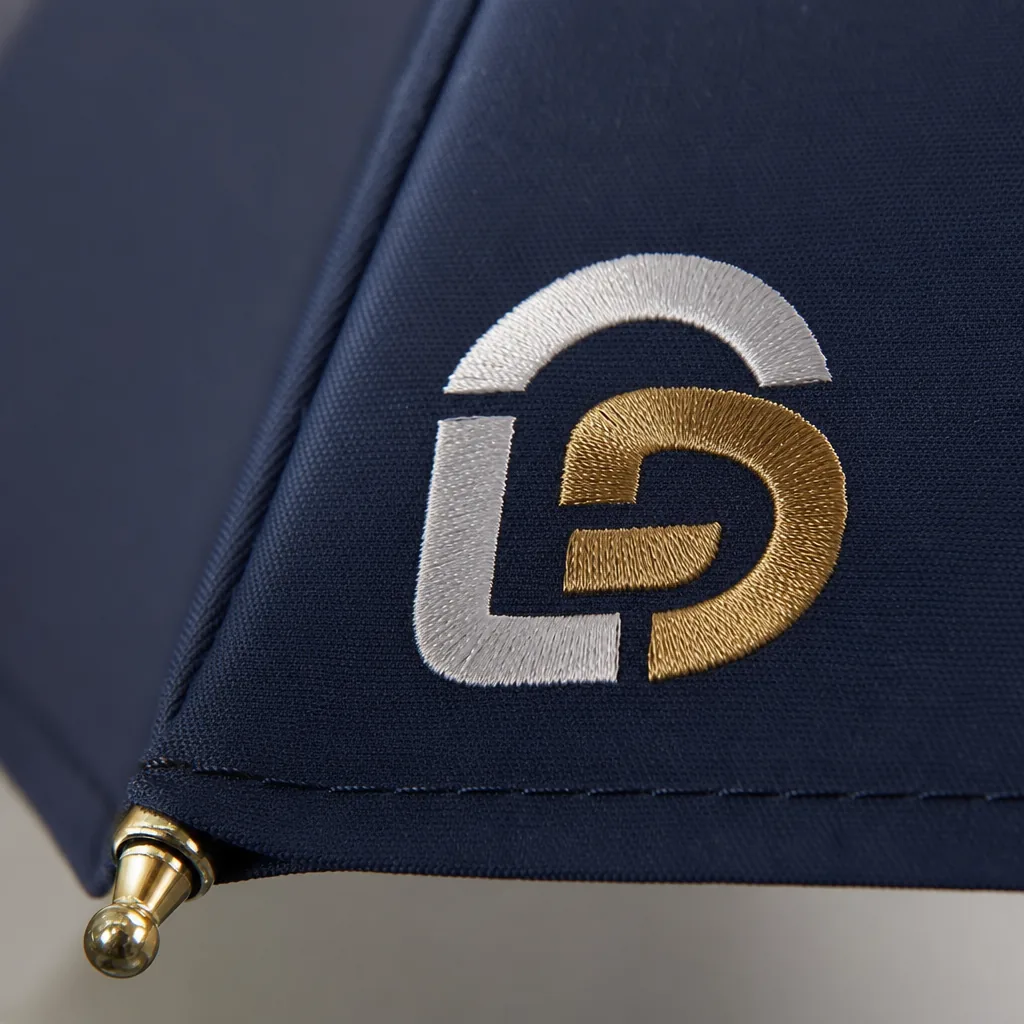
Buying promotional umbrella kits is rarely hard because of the umbrella itself; it is the inserts that decide whether the set ships neatly, opens cleanly, and arrives without damage. On our factory floor in Songxia, we see how the right custom umbrella box inserts keep panels, handles, tags, and add-ons locked in place while still respecting carton size, packing speed, and freight costs.
- 1. When Custom Inserts Make Sense for Umbrella Brand Programs
- 2. Pick Insert Structures Based on Product Shape and Protection Needs
- 3. Size the Box Around Folded Dimensions and Accessory Layout
- 4. Test Insert Performance for Transit, Presentation, and Repacking
- 5. Plan MOQ, Sampling, and Shipping Terms for Complex Gift Packs
When Custom Inserts Make Sense for Umbrella Brand Programs
Custom umbrella box inserts make sense when the set is sold as a retail item, sent as an influencer mailer, or used for premium corporate gifting. In those programs, the box has to do more than close: it has to hold a 23" auto-open umbrella, a bottle, a notebook, or a scarf in place so the contents arrive clean and photo-ready. A die-cut paperboard insert is usually enough for lighter umbrella kit packaging; molded EVA or EPE foam is the better choice when a stainless bottle adds weight or when a folded scarf can shift and wrinkle. The business case is simple: spending a few tenths of a dollar on protection is cheaper than replacing bent shafts, scuffed handles, or damaged presentation in a paid order.
For low-cost giveaways, that spend is harder to justify because the box often gets discarded before the umbrella is even opened. For a $12 to $30 promotional umbrella set, though, the insert supports branded gift presentation and reduces damage during carton packing, pallet handling, and last-mile shipping. A plain tuck box may save $0.10 to $0.25 per unit, but it gives up fit and protection; custom umbrella box inserts typically add about $0.20 to $0.80 per kit in paperboard, with foam insert design costing more depending on cavity count and thickness. That cost changes unit economics only if the insert does not protect or present the set well enough to hold the selling price.
The strongest use case is a bundled program where the umbrella, bottle, notebook, or scarf must stay fixed and visible from the first opening. In influencer mailers and launch kits, the insert controls the reveal: it keeps the handle aligned, stops the scarf from covering the logo, and shows each item in the right order for unboxing content. For a 5,000-piece run, AQL 2.5 inspection and FOB terms still work if the insert lowers replacement claims and keeps the presentation consistent. In short, custom umbrella box inserts belong in paid retail and premium promotions, not cheap handouts, because they protect value, improve the unboxing, and make the package easier to sell at a higher price point.
Pick Insert Structures Based on Product Shape and Protection Needs
Choose the insert material around the umbrella’s geometry first, then check cost and freight risk. EVA foam gives the tightest fit for custom umbrella box inserts because CNC cutting can lock around curved J-handles, auto-open/close buttons, shaft heads, and accessory pockets without crushing the trigger housing. It is the best option when the pack includes mixed parts or premium branded gift presentation. For straight umbrellas, build a deeper cradle at the handle end and a narrower ferrule channel so the shaft cannot walk in transit. For folding umbrellas, design from the actual closed bundle length and diameter, not the nominal size, because the tip, cap, strap, and button cluster change the profile and create pressure points. If the insert is loose, the result is rattle, bent tips, scuffed coatings, dented runners, and cracked button housings.
Paperboard, molded pulp, and corrugated partitions all reduce unit cost, but they solve different problems. Paperboard works for lighter umbrella kit packaging when scored folds, locking tabs, and end stops keep the shaft from sliding; on its own, it is weak against impact. Corrugated partitions are usually the most efficient choice for promotional umbrella sets with multiple components because they separate the umbrella, sleeve, and extras while keeping pack weight lower than foam. Molded pulp offers better anti-movement support than flat paperboard, but the cavity wall must be deep enough to clear curved handles and auto-open/close mechanisms without pressing on the button area. Rib construction changes the cavity design: fiberglass ribs can tolerate limited compression, but the folded canopy still needs edge clearance; steel ribs are less forgiving and can print through thin packs, especially on 27" and 30" straight umbrellas. A three-point hold at handle, shaft, and tip is safer than a two-point hold, and long tips need overrun clearance so the tip never becomes the load-bearing point.
Size the Box Around Folded Dimensions and Accessory Layout
Size the carton from the folded umbrella, not the render. For custom umbrella box inserts, measure three checkpoints on every SKU: folded length, maximum canopy bulk at the runner/head, and strap position when the tie is cinched. Those checkpoints matter across 8K and 16K frames, single-canopy and double-canopy windproof models, because rib count changes where the volume stacks near the runner, tips, and vent seam. A 190T pongee canopy usually packs thinner than 210T pongee, while a UPF 50+ coated canopy can add a few millimeters after heat-setting, so the foam insert design needs real clearance, not a guessed cavity. If the pocket is too tight, the first failures are usually a crushed vent seam, bent shaft end, or a handle that lifts the lid and distorts branded gift presentation.
Umbrella kit packaging also has to follow the mechanism and accessory layout. Manual, auto-open, and auto-open-close umbrellas place the button housing and shaft lock in different positions, so the insert should hold the umbrella at two points and leave a looser pocket near the handle end instead of pinching the full bundle. Build separate channels for the sleeve, hang tag, microfiber pouch, or gift card so those parts do not press into the fold and leave crease lines. This matters for 23-inch compact umbrellas and 27-inch stick umbrellas, and it becomes more obvious in promotional umbrella sets where a single carton may carry a canopy, pouch, and printed insert at once. For foam insert design, sample the first carton with production umbrellas, then confirm fit under AQL 2.5 after drop, stack, and closure tests before locking the spec for FOB or DDP shipping.
Use packed samples to verify the final tolerance on custom umbrella box inserts. Production umbrellas show the real folded thickness after tie closure, especially with 190T versus 210T pongee and with UPF 50+ coated canopies that can vary slightly after curing. Check that the strap sits where the cavity expects it, that the canopy bulk does not rub the sidewall, and that the shaft end is centered so the tray does not scuff during transit. If the box has too much empty space, freight rises and the umbrella shifts; if it is too tight, the carton bows and the first unit in a pallet can fail fit inspection. Lock the carton only after the packed sample passes closure and compression checks, then keep the insert spec matched to the exact rib count, canopy material, and folded length for the run.
Test Insert Performance for Transit, Presentation, and Repacking
Test custom umbrella box inserts as a fully packed unit, not as a dieline or CAD rendering. Start with a compression check in the master carton: stack finished samples to the expected shipping weight and confirm the lid does not press on the canopy, ferrule, or handle wrap. For umbrella kit packaging, a hand squeeze is not enough. Run a stacked-load test, then a shake test that simulates truck vibration and parcel handling. After that, inspect for scuffing at board edges, dented ferrules, crushed pouch corners, and tip abrasion. These defects usually come from cavity depth that is too shallow, weak support under the umbrella head, or excess play in the shaft channel. Packed samples also expose fit errors before mass production, especially on 21-inch and 23-inch promotional umbrella sets where thicker grips and accessory packs change the real packed height.
Use the same packed sample to verify presentation and repacking. Check finger clearance in every cavity, confirm the umbrella lifts out without tearing the liner, and cycle the box open and closed several times to make sure sleeves, cards, and repair kits stay seated. A box that looks clean on press proof can still fail if the handle pocket is too tight, the shaft channel is too shallow, or the lid only closes when operators force it. For foam insert design and branded gift presentation, review to AQL 2.5 and log five control points: cavity cut quality, glue marks, loose accessories, print alignment, and lid-closing consistency. If one lid sits flush and another shows a 2 mm gap, treat it as a tooling, board-caliper, or adhesive-placement issue. Pull samples from the start, middle, and end of the run to catch die-cut wear, adhesive drift, and fit changes before FOB shipment.
Packed sample testing should also show whether the insert can survive repacking after customer inspection or retail returns. Reinsert the umbrella, accessory card, and any add-ons to confirm the cavity still locates the parts after repeated handling. If the fit changes after three or four cycles, the foam insert design is too tight or the board edges are not clean enough for repeat use. That matters for custom umbrella box inserts used in corporate gifting, where the first unboxing and the second closure both affect perceived quality. Record any variation by cavity depth, rim pressure, and lid closure force, then correct it before mass production. This is the lowest-cost point to catch problems that become scrap, rework, or late shipment once the order reaches full run volume.
Plan MOQ, Sampling, and Shipping Terms for Complex Gift Packs
Custom umbrella box inserts are not a simple add-on; they change the entire packout. Once you specify a molded tray, EVA cradle, or die-cut paperboard insert, you add tooling, longer sampling, and more labor than loose umbrella packing in a polybag and master carton. The insert has to hold the shaft, handle, sleeve, and any printed card without crushing a 190T or 210T canopy, so the foam insert design or board layout usually needs a CAD file, a physical sample, and a second revision after fit or transit testing. In practice, that extra structure also increases carton cube, because the same 23-inch or 27-inch umbrella now ships in a larger retail-style box instead of a compact folded pack.
MOQ follows the insert method, not just the umbrella. A no-insert carton pack can often start around 500 to 1,000 sets, but custom umbrella box inserts with knife-mold board or EVA typically make 1,000 to 3,000 sets the more realistic break point if you want the unit cost to stay controlled. Sampling is slower as well: a plain umbrella sample may take 3 to 5 days, while branded gift presentation with insert, printed carton, and full packout usually needs 10 to 15 days, longer if you are waiting on board caliper or foam density. For finished sets, ask for AQL 2.5 on the full gift pack, not just the umbrella, since most defects show up at the insert-to-carton fit line, not at the canopy itself.
Shipping terms should match the distribution plan. FOB is usually better when all promotional umbrella sets go to one DC, because your freight team can consolidate pallets, manage carton compression, and control final-mile distribution after import. DDP can work for a single receiving point with a fixed delivery date, but it becomes inefficient when you must split branded gift presentation across multiple event sites, since each extra stop adds rehandling, higher dim weight, and more risk of damaged cartons. Before booking freight, lock the insert drawing, carton count, and pallet pattern; otherwise the box cube, shipping cost, and lead time all change together. For complex umbrella kit packaging, that’s the real risk: the insert decision affects tooling, MOQ, freight, and the schedule in one step.
Frequently Asked Questions
Which insert material is best for a premium umbrella and accessory set?
EVA foam gives the most precise fit and premium look, especially for curved-handle umbrellas and multi-item kits. Paperboard or molded pulp usually lowers cost and improves sustainability but may need tighter dimensional testing to prevent item movement.
Do inserts significantly change freight cost on umbrella gift packs?
Yes. Inserts often increase carton cube more than product weight, which can raise ocean and especially air or express costs. A packed sample with final insert, box, and master carton is the best way to estimate the real FOB or DDP impact.
Which insert material works best for umbrella kits with small accessories like sleeves, straps, or tumblers?
EVA foam is usually the safest choice when the set includes mixed shapes or heavier add-ons because it holds items tightly and reduces movement in transit. For lighter kits, die-cut paperboard can lower unit cost and freight volume, but it offers less shock protection than foam.
How much extra lead time should buyers plan for custom umbrella box inserts compared with standard carton packing?
Buyers should typically allow an additional 7-15 days for insert sampling, die-line confirmation, and production, depending on whether the insert is foam, molded pulp, or paperboard. If the umbrella and box are both custom, final approval usually needs one combined packing test before mass production.
Can custom inserts help reduce carton size and freight cost for promotional umbrella sets?
Yes, if the insert is engineered around the folded umbrella length and the exact accessory dimensions, it can eliminate wasted void space and improve master carton efficiency. In many projects, tightening the internal fit can reduce outer box volume enough to improve pallet loading and lower per-set shipping cost.
Looking to Launch Your Custom Umbrella Line?
ZheBrella is a Zhejiang-based OEM/ODM umbrella manufacturer with 17 years of export experience. Free design, low MOQ from 100 pieces, windproof construction, full-color print.
Get Free Quote Now »People Also Search For
Related Articles
Custom Umbrella Packaging Inserts for Premium Brand Story
Plan custom umbrella packaging inserts that protect the product, carry brand messaging, and support clean retail present...
Read More »
Gift-Ready Umbrella Presentation Kits for Corporate Buyers
Build corporate umbrella presentation kits that feel premium, travel safely, and match brand standards from sample appro...
Read More »
Gift-Ready Umbrella Sets for Corporate and Promotional Programs
See how coordinated boxes, sleeves, cards, and accessories turn umbrellas into premium gifts for clients, employees, and...
Read More »