Custom Umbrella QC Checklist for OEM and Promotional Buyers
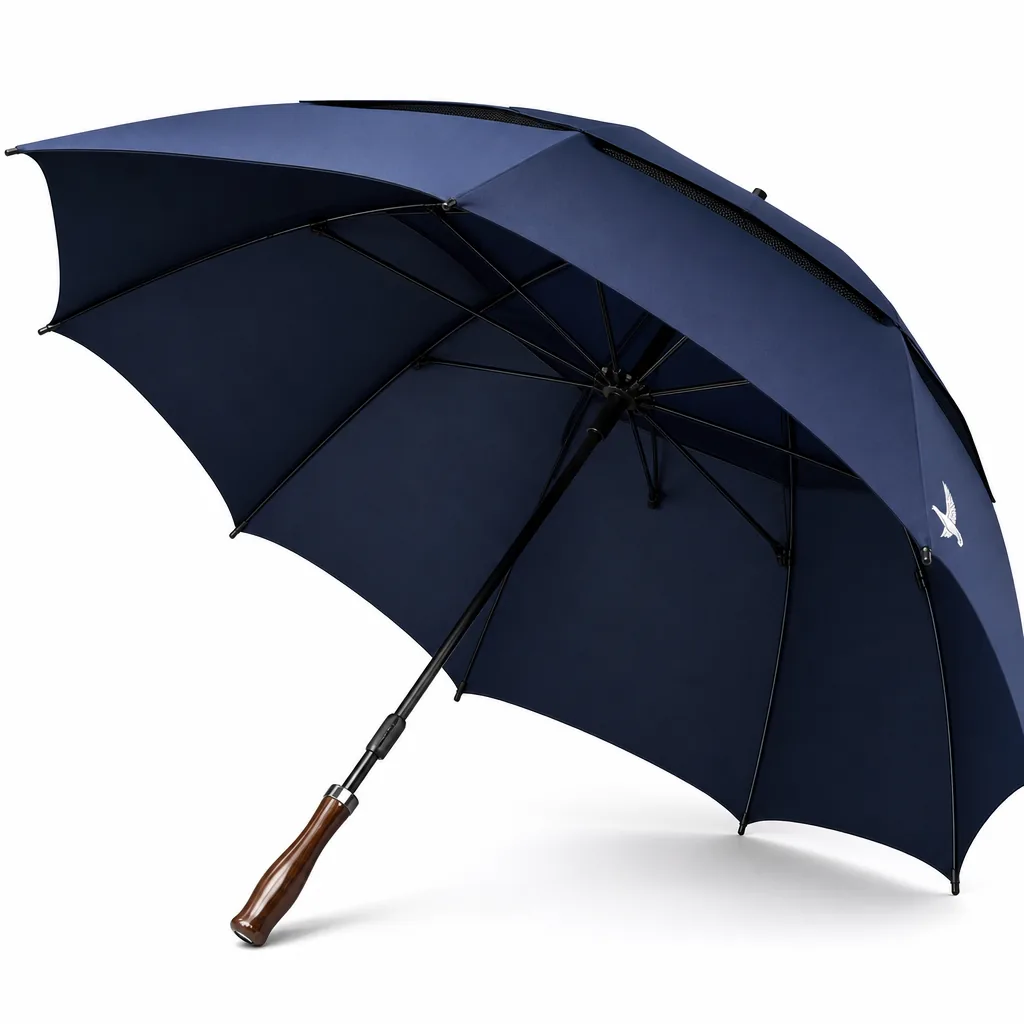
For OEM and promotional buyers, the risk is rarely the concept itself; it is the gap between the approved sample and what arrives in carton quantities. A practical umbrella QC checklist has to catch weak ribs, loose seams, uneven coatings, and opening force drift before those defects become chargebacks, returns, or brand damage. From the factory floor, the right controls are measurable, repeatable, and tied to AQL 2.5 and clear acceptance points at each stage.
Inspect the canopy before the frame
Start with the canopy, not the hardware. On an umbrella QC checklist, the first pass should catch fabric defects before anyone wastes time building a frame around a bad cover. I look for pinholes, oil stains, slubs, shade variation between panels, and edge damage from cutting or heat sealing. For 190T and 210T pongee orders, check that the weave is tight and uniform across the roll, because low-end promotional umbrella quality usually fails at the fabric stage long before the ribs show a problem. Panel alignment matters just as much: the seams should sit straight, the peak should be centered, and panel widths should match within a sensible tolerance so the canopy opens into a clean circle instead of a twisted cone.
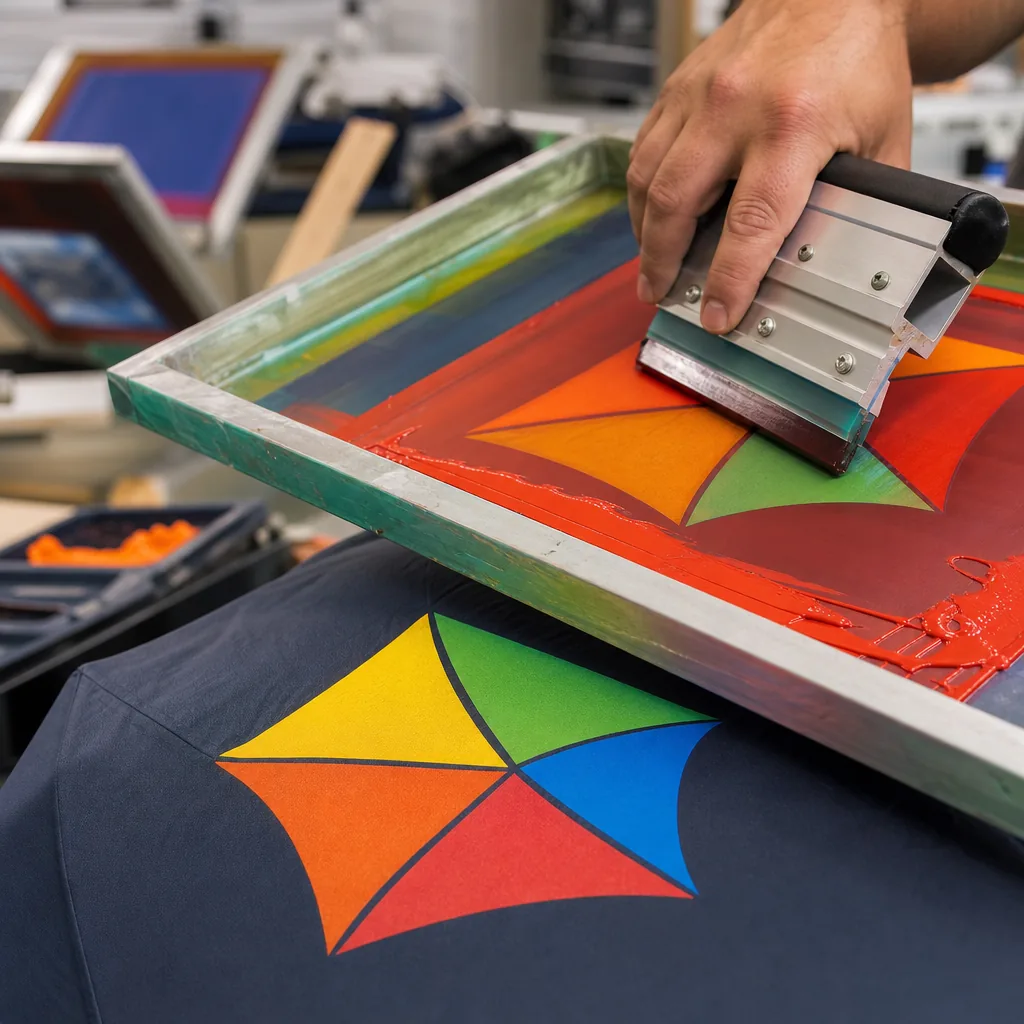
Stitch density is where many high-volume runs slip. A proper umbrella inspection should verify that seam stitches are even, secure at the tips, and not skipped at stress points like the top vent, panel junctions, and tie point. For printed canopies, check registration against the seam layout, not just the artwork file; logos can look fine on a flat table and still drift across the panel once tension is applied. Heat-transfer and sublimation jobs need particular attention around color density and ghosting, while screen prints must be checked for edge sharpness and ink cracking. If the lot is being bought under an AQL 2.5 umbrella standard, the inspection plan should include enough canopy samples to catch batch-to-batch drift, especially on promotional umbrellas where the order volume is high and the customer expects every piece to look identical.
Coating uniformity is the last fabric check before the frame is even worth touching. Whether the order calls for water-repellent pongee, Teflon coating, or UPF 50+ treatment, the surface should shed water evenly and show no thin spots, streaks, or patchy gloss. A pre-shipment inspection should confirm that the coating does not clog the weave, flake at the seams, or leave uneven handfeel from panel to panel. On 210T pongee, I expect a denser, smoother surface than 190T, so any visible inconsistency is a real defect, not a minor cosmetic issue. If the canopy passes this gate, then the frame build can be judged on its own merits; if it fails here, the rest of the umbrella QC checklist is just paperwork.
Check the mechanism and rib assembly
In an umbrella QC checklist, the mechanism comes before cosmetics because a clean canopy on a weak frame still fails in use. For manual and auto-open models, check spring force, button return, and full travel on every sample from the lot, then confirm the runner locks firmly without slip or partial engagement. The shaft must be straight under light roll or V-block inspection, with no visible twist that causes the canopy to sit off-center. Ferrules need tight fit, no cracking, and no wobble at the rib tips or top cap. On promotional umbrella quality jobs, I also look for consistent opening speed across units; if one opens sharply and another drags, the internal tolerances are already drifting. For an AQL 2.5 umbrella inspection, that drift matters because it usually shows up as random field failures, not as a single obvious defect.
Rib assembly inspection changes with build density. On 8K umbrellas, there are fewer joints, so the main risk is uneven rib length, bad riveting, or a loose stretcher that makes the canopy pull to one side. On 16K builds, there are more connection points, so the failure mode is cumulative: one slightly bent rib or one shallow weld can create a visible wave pattern around the canopy and uneven tension when opened. Measure opposite ribs for symmetry, confirm all rib sets match the same arc, and check that tips line up in a true circle rather than an oval. The rib ends should seat evenly in the ferrules, and the joints should open without binding or scraping. In a real pre-shipment inspection, I want the frame cycled several times after assembly, because a joint that looks fine cold can loosen after repeated opening.
What I reject fastest is a frame that locks inconsistently from unit to unit. One umbrella may click home cleanly while the next needs extra force or leaves the runner a few millimeters short of full lock; that is usually a spring, rivet, or shaft alignment problem, not a canopy problem. For umbrella QC checklist work, verify that the shaft sections telescope smoothly, the auto-open release fires once and resets cleanly, and the ribs close without crossing or rubbing at the hub. If the model uses fiberglass ribs, watch for splinters, uneven curing, and white stress marks at the bends; if it uses steel, check for plating damage and burrs at punched holes. A good umbrella inspection catches those before packing, because once the carton is sealed, the first complaint will be a frame that sticks, snaps late, or comes back open after locking.
Validate functional tests on production samples
Do not sign off a production lot until you have run the functional tests on actual samples, not just checked dimensions and print placement. A useful umbrella QC checklist starts with open-close cycles: run at least 50 to 100 cycles on representative pieces from the first and last cartons, because the failures show up in the runner, spring, or tip sockets before they show up in appearance. Watch for lazy opening, partial lock engagement, bent ribs, and canopy skew after repeated use. For promotional umbrella quality, that matters more than a perfect logo proof, because a bad mechanism turns into a return even if the print looks clean. During umbrella inspection, verify that the button or manual slider still works smoothly after cycling, and that the shaft does not wobble or bind under normal hand force.
Water and wind testing should be practical, not theatrical. Use a spray or rinse test to confirm even water shedding, seam integrity, and coating behavior; then check whether the canopy beads properly or starts soaking at panel edges, stitching holes, and the top vent if it is a double-canopy design. For wind exposure, you do not need a full tunnel every time, but you do need a controlled test that reveals inversion risk, rib twist, and frame recovery after gusts. On an AQL 2.5 umbrella lot, I would still pull extra samples for these functional checks before a pre-shipment inspection, because cosmetic AQL alone will not catch a frame that fails in the field. If the buyer specified fiberglass ribs, confirm flex and rebound rather than just looking for cracks.
If the umbrella is sold with sun protection claims, add a UV or coating verification step and do not rely on the fabric supplier’s paperwork alone. For a UPF 50+ claim, confirm the canopy spec matches the test basis, whether that is pongee with a black coating, silver backing, or another protective finish; otherwise the claim is marketing, not compliance. Check whether the coating cracks after folding and whether the hand feel changes after the spray and cycle tests, because poor coating adhesion is common on low-cost promotional umbrella quality runs. Handle fatigue is another weak point: pull, twist, and load the handle and ferrule area to see if the assembly loosens, especially on auto-open-close styles where the user expects repeated force. That is the difference between a passable sample and a lot that survives real use.
Set AQL 2.5 and defect rules
Set the umbrella QC checklist around one rule: anything that makes the product unsafe, unusable, or likely to fail in normal customer use is a critical defect and should be rejected, not repaired for shipment. A broken rib, cracked stretcher, detached ferrule, failed locking mechanism, or handle that separates under opening force all fall in this category. So do bent shafts that prevent full opening or closing, canopy holes large enough to expose the frame, and severe misalignment that makes the umbrella impossible to operate. For a pre-shipment inspection, those defects are not “acceptable with note” items. They fail the lot or trigger 100% sorting, because a promotional umbrella quality claim collapses fast when the first user gets a hand injury or a product that jams on day one. If the defect can create damage, leakage, or a safety complaint, treat it as critical.
Major defects are functional or appearance failures that the customer will notice immediately, but that do not create a direct safety risk. A failed print registration, wrong logo placement, weak color match, wrinkled panels, visible thread skips, uneven canopy tension, loose tips, or a canopy that does not close cleanly are all major defects in an umbrella inspection. These usually justify rejection of the affected units, or rework only if the factory can correct them without changing the core structure or delaying the shipment. For an AQL 2.5 umbrella sample plan, major defects are what usually drive the lot decision, because they affect brand presentation and retail acceptance. If the misprint is on a giveaway umbrella and the artwork is still readable, some buyers accept rework or downgrade; if the logo is off-center, blurred, or the wrong Pantone, it should be rejected.
Minor defects are cosmetic issues that do not affect function, durability, or the buyer’s brand promise. Small glue marks on the runner, slight fabric dust, a tiny scratch on the handle, or a stitch tail inside the canopy are usually minor, as long as they stay within the agreed appearance standard. An umbrella QC checklist should define these limits before production starts, because the same flaw can be minor on a black golf umbrella and unacceptable on a retail fashion style. At the factory floor level, I separate rework from rejection by asking one question: can the unit still pass a customer’s first use without embarrassment or failure? If yes, and the defect is only visual, it may be reworked under controlled conditions. If no, it is rejected. That discipline keeps the AQL 2.5 umbrella inspection meaningful instead of turning it into a negotiation after packing.
Align QC with trade terms and lead times
A usable umbrella QC checklist starts before mass production, not at the loading dock. I want the pre-production sample approved against the exact canopy fabric, frame spec, handle, printing method, and carton format that will ship, because a nice-looking sample can still hide problems in rib tension, panel symmetry, or color drift. For OEM and promotional umbrella quality, the first checkpoint is whether the sample matches the purchase order in 190T or 210T pongee, POE, or PVC, and whether the mechanism behaves the way the buyer expects after repeated open-close cycles. If the artwork is printed, check registration, ink adhesion, and whether seams cut through logos. That is the point where a real umbrella QC checklist saves money, because once cutting and sewing are running, any mismatch becomes scrap or rework.
Inline checks matter because most umbrella defects are created during assembly, not at packing. During production, inspect frame rivets, tip insertion, runner fit, canopy stitching, and the consistency of tension across all panels, especially on 8K, 10K, or 16K folding umbrellas where small mechanical errors show up fast. For an AQL 2.5 umbrella lot, the inspector should be sampling at the line, not waiting for the last carton, and should be checking both function and appearance: canopy alignment, stitch count, logo placement, opening force, and whether the umbrella locks properly after repeated operations. This is also where promotional umbrella quality gets lost if nobody verifies mixed sizes, mixed handle colors, or substituted components. A good umbrella inspection process catches those changes before they become a shipment dispute.
Final inspection should be done as a pre-shipment inspection with packaging treated as part of the product, not an afterthought. Confirm polybag type, hangtags, barcode placement, carton markings, carton drop strength, and the exact inner and outer pack count, because a buyer receiving 6 pieces per inner when the PO says 12 will have a warehouse problem before they even test the umbrellas. FOB and DDP change where responsibility hands off: under FOB, the shipment should be accepted only after the goods are cleared for export and loaded, while DDP pushes more risk onto the seller until the destination delivery is completed. That means the umbrella QC checklist has to include shipping labels, carton dimensions, gross weight, and whether moisture protection or master carton reinforcement is needed for the route. If those details are loose, the inspection report is not worth much because the handoff itself is undefined.
Frequently Asked Questions
What AQL level is common for umbrella inspections?
AQL 2.5 is a common target for general defects, but critical issues like broken ribs or a failed opening mechanism should be zero tolerance. The exact plan should match the order value and end market.
What should be checked on a pre-shipment sample?
Check print placement, canopy stitching, opening force, rib symmetry, water resistance, packing marks, and carton condition. For sun models, confirm that the UV coating or backing is applied evenly.
What AQL level is usually used for a bulk umbrella pre-shipment inspection?
Many buyers use AQL 2.5 for major defects and a tighter limit for critical defects, especially on branded or promotional orders. The final sampling size depends on order quantity, but the factory should agree to the same acceptance table before production starts.
Which umbrella checks should be treated as factory acceptance points?
For OEM orders, the most common acceptance points are rib straightness, canopy stitching, coating coverage, open-and-close force, and print alignment. These should be confirmed against a signed sample so the inspector can reject any lot that drifts outside the approved spec.
How long should a supplier need to fix QC issues found before shipment?
Minor fixes such as thread trimming or tag replacement are often corrected within 1 to 3 days. If the issue involves ribs, frames, or coating defects, plan on 5 to 10 days because the factory may need to rework or replace affected units.
Looking to Launch Your Custom Umbrella Line?
ZheBrella is a Zhejiang-based OEM/ODM umbrella manufacturer with 17 years of export experience. Free design, low MOQ from 100 pieces, windproof construction, full-color print.
Get Free Quote Now »People Also Search For
Related Articles
Umbrella AQL 2.5 Inspection Checklist for OEM Buyers
Learn how to audit umbrella orders with AQL 2.5, defect classes, sample sizes, and functional checks before shipment to ...
Read More »Recycled PET Umbrellas: OEM Spec Guide for Buyers
Learn how to specify rPET umbrella fabric, GRS claims, frame options, print limits, MOQ, QC, and lead times for sustaina...
Read More »
RPET Umbrellas for Custom Programs: What Buyers Should Spec
Source RPET umbrellas with clear specs on recycled canopy fabric, frame options, testing, MOQ, and lead times to avoid v...
Read More »