Umbrella AQL 2.5 Inspection Checklist for OEM Buyers
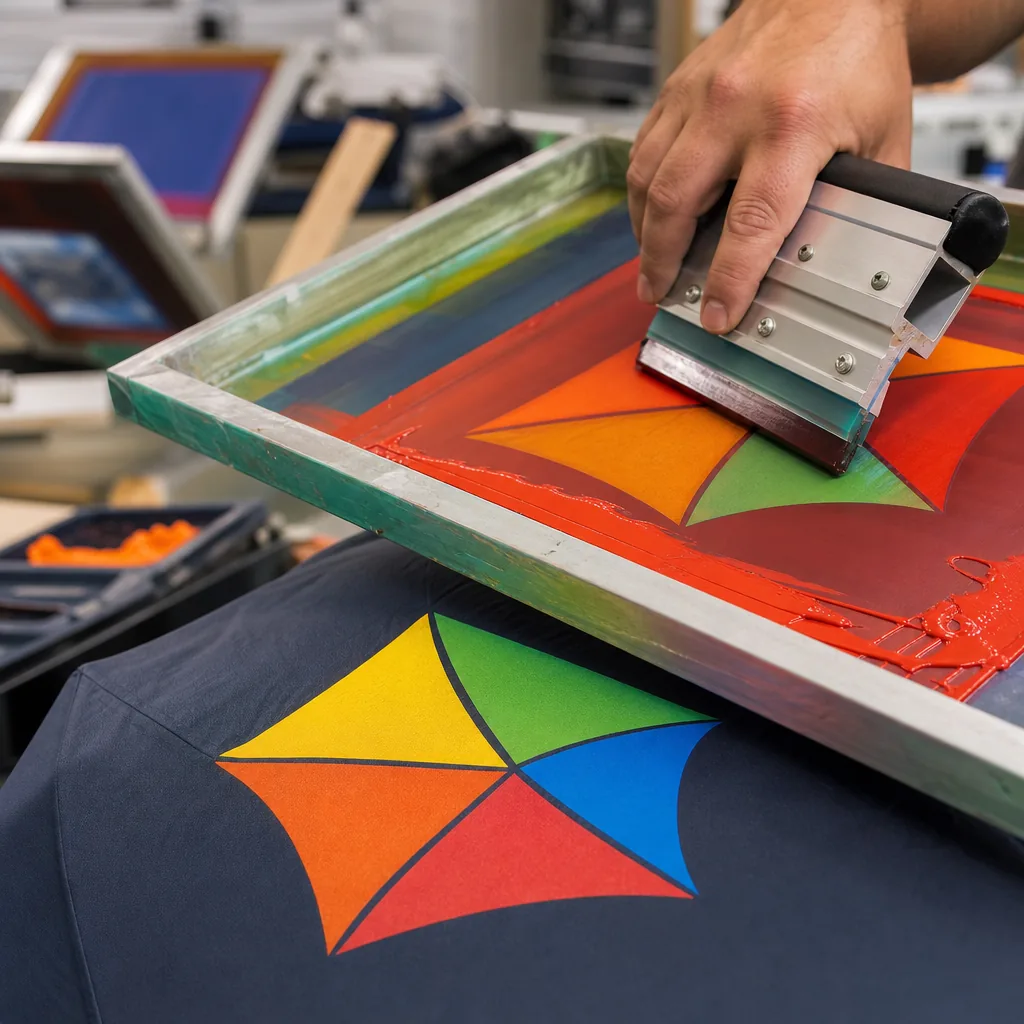
For OEM umbrella buyers, an umbrella AQL 2.5 inspection is the point where order risk becomes visible: loose ribs, weak stitch lines, missed print defects, and cartons that pass too early but fail in transit. At the factory floor, the real job is not just counting defects, but checking whether the materials, assembly, and function match what the shipment can survive before it leaves.
Why AQL 2.5 Matters in Umbrella Production
AQL 2.5 is the common language for final random inspection umbrellas on export orders, but it only works if the buyer and factory define defect standards before production starts. In an umbrella quality control checklist, critical defects should cover safety and function: broken ribs, inverted frames that will not recover, loose handle attachment, canopy holes through the rain zone, or an automatic open mechanism that fails. Major defects are the issues a retail customer will reject at once, such as crooked panels, misaligned logos, missing tips, poor seam tension, or water leakage at the crown. Minor defects are cosmetic or low-risk problems like light scuffing on the shaft or a small print offset that still meets approved artwork tolerance. If those categories are vague, the same sample can be accepted by one inspector and rejected by another. That is how disputes happen on FOB shipments, especially when the buyer assumes the factory and the inspection company are using the same umbrella defect standards.
The umbrella AQL 2.5 inspection is useful because it gives buyers a statistically controlled snapshot of a lot, not a promise that every unit is perfect. That distinction matters. A proper final random inspection umbrellas report can confirm whether the sampled quantity passes the agreed acceptance limit for critical, major, and minor defects, but it cannot guarantee that the remaining cartons are flawless. It will also not replace process control on the factory floor. If rib riveting is inconsistent, canopy cutting drifts, or printing shifts after heat curing, AQL will only catch part of the problem after the damage is already done. For OEM umbrella inspection, the real value is forcing discipline: approved golden sample, clear defect photos, measured dimensions, open-close cycle testing, and a written pass/fail rule before the goods leave the building.
Tighter levels than AQL 2.5 are justified when the umbrella goes into retail programs with barcode packs, high-visibility brand graphics, or hard launch dates where a bad batch creates store returns. In those cases, buyers often move to a stricter sampling plan, add 100 percent checks on artwork and packaging, or require a pre-shipment audit on the first production lot. That is especially sensible for products with auto-open-close mechanisms, windproof double-canopy frames, or premium finishes where a small defect rate still creates a visible brand problem. AQL is a gate, not a cure. The best umbrella quality control checklist pairs AQL with upstream controls: incoming fabric checks, inline rib torque checks, seam inspection, and packing verification. If the buyer wants fewer surprises, the defect definitions, sampling plan, and photo standards need to be locked before mass production starts, not negotiated after the first failed report.
Set Measurable Defect Standards Before Production Starts
Freeze the tech pack before a single sample goes to sewing. An umbrella AQL 2.5 inspection only works when the buyer has already locked the canopy size, open arc, rib count, rib material, shaft finish, fabric spec, and print layout. For example, a 23-inch automatic umbrella with 8K fiberglass ribs is not the same product as a 16K vented frame with steel ribs, even if the outside looks similar. Put the exact canopy diameter, arc, shaft plating or powder coat, 190T or 210T pongee, and any coating such as Teflon or UV UPF 50+ into the spec sheet. If the factory is allowed to “match the sample,” you will get argument instead of control at final inspection.
Set practical tolerances in writing, not as a vague approval note. For diameter and arc, define the allowable deviation in millimeters, and for weight, specify the target and maximum variance by size. Stitch quality needs its own limit: no skipped stitches, no loose threads longer than a set length, no seam puckering on panel joins, and no exposed edge defects at the tips. Color should be approved against a Pantone or sealed lab dip, with a written shade tolerance for canopy, tape, and handle components. For logo registration, define the maximum offset, ink density, and clear space around the artwork. On our floor, ZheBrella treats these as rejectable if they affect saleability, because “close enough” becomes a complaint once the carton is opened.
An OEM umbrella inspection should also lock the packaging and carton marks, because a clean umbrella can still fail if the export carton is wrong. State the inner polybag count, hangtag location, carton artwork, UPC or PO label position, master carton dimensions, and the shipping mark format before production starts. That is the difference between a useful umbrella quality control checklist and a wishlist that nobody can inspect against. For final random inspection umbrellas, the buyer should define which defects are critical, major, and minor under umbrella defect standards, then tie them to an AQL 2.5 sampling plan. If the spec is frozen well, the inspector can judge quickly whether the batch is acceptable instead of debating what the buyer “meant” after the goods are packed.
What Inspectors Should Check Inline and at Final Inspection
An umbrella AQL 2.5 inspection starts before the umbrella is fully assembled, because most rejects are created at cutting and sewing. Inspectors should check panel size consistency, grain direction, cut-edge cleanliness, and whether the canopy allowance matches the pattern for 190T or 210T pongee, POE, PVC, or EVA. In sewing, look for skipped stitches, seam puckering, broken thread tails, uneven panel overlap, and center-point alignment, because a 5 mm mismatch at the panel edge turns into a crooked canopy after tension is applied. For printed umbrellas, verify color registration, cure quality, and logo placement against the approved artwork. Our standard practice is to treat frame assembly as a separate control point: ribs, stretchers, tips, ferrules, springs, and rivets must seat correctly, with no burrs, loose joints, bent wire, or cracked plastic parts. An OEM umbrella inspection should also confirm that the runner tracks straight and the shaft telescopes without scraping.
At final assembly, the umbrella quality control checklist should move from visual checks to function tests. Open and close each sample several times to confirm smooth travel, runner lock engagement, and latch release on manual, auto-open, and auto-open-close models. On auto-open units, the button should fire cleanly without double-triggering or partial deployment; on manual models, the ferrule and runner must not bind under normal hand force. Check basic water-spray performance to confirm the canopy sheds evenly and that seams, tips, and the top vent, if present, do not leak at obvious stress points. For windproof styles, verify the double-canopy vent opens and closes without tearing at the stitch lines. These checks matter more than a cosmetic glance, because a final random inspection umbrellas lot can pass appearance and still fail in use if the mechanism drags, the lock slips, or the canopy twists under load.
The final pass should also cover appearance, measurements, accessories, and assortment accuracy against the purchase order. Measure open diameter, rib count, shaft length, and handle style against the spec sheet for 21", 23", 27", or 30" models, and confirm that fiber rib or steel rib construction matches the approved sample. Check color consistency across the lot, printing position, logo orientation, canopy symmetry, and whether tie straps, sleeve, tags, barcodes, and retail labels are correct for each SKU. For packed assortments, count by color and style so the carton mix matches the buyer’s breakdown exactly; many umbrella defect standards failures happen here, not on the product itself. An umbrella AQL 2.5 inspection should record defect classes clearly, then separate critical, major, and minor issues so the buyer can decide on rework, replacement, or shipment release without guessing what failed and why.
Common Umbrella Defects and How to Classify Them
Critical defects are the ones that make an umbrella unsafe or unusable. In an umbrella AQL 2.5 inspection, broken ribs, cracked stretcher joints, exposed sharp points at the rib tips or top cap, and canopies that will not open or lock are clear rejects. A rib snapped near the ferrule is not a cosmetic issue; it creates a pinch and puncture hazard, especially on auto-open-close models where spring force is involved. Rust on structural parts is also a major concern when it affects movement or indicates poor plating on steel frames. For premium retail orders, a single exposed metal burr or a loose runner that jams can fail the lot. For promotional giveaway goods, buyers may tolerate simpler trim, but safety defects still stay critical under any umbrella defect standards because they can injure the end user or damage the brand immediately.
Major defects are the ones that do not usually create a safety hazard but do hurt function, appearance, or durability enough to fail the order. In an OEM umbrella inspection, this category normally includes canopy holes, skipped or loose stitching at the seams, uneven tension that leaves the canopy sagging, weak spring action, skewed tops, and canopies that sit off-center on the frame. A vented double-canopy that does not align properly is a real defect because the wind load will be uneven. Rust stains on finished parts, poor chrome coverage, and loose ferrules also fall here if they are visible or affect service life. The threshold changes by sales channel: a mass-market promo umbrella may accept a little seam waviness, but a premium retail umbrella with a logo print and clean edge binding cannot carry those flaws without hurting perceived quality.
Minor defects are the cosmetic issues that do not change function but still need control under a proper umbrella quality control checklist. Off-center logos, slight panel shade variation, small print misregistration, light fabric wrinkles, or a handle mark that is only visible at close range are common examples. These are usually acceptable only if the buyer’s reference sample allows them, and only if the final random inspection umbrellas stay inside the agreed AQL limit. The practical point is that defect severity is not fixed; it depends on price point, channel, and end use. A supermarket giveaway umbrella may permit a slightly crooked logo if the frame opens smoothly, while a corporate gift or retail fashion umbrella is judged much harder on alignment and finish. ZheBrella’s standard practice is to classify defects by safety first, then function, then appearance, because that is the only way umbrella AQL 2.5 inspection stays consistent across different buyers and channels.
How Buyers Should Use Inspection Results Before Shipment
Treat the inspection report as a shipment-control document, not a formality. After an umbrella AQL 2.5 inspection, the decision is usually one of four paths: pass, rework, sort, or hold shipment. A pass means the lot can move to packing and booking; a rework call means defects are inside an agreed repair window and the factory should fix canopy tension, frame alignment, printing, or auto-open function before any release. A sort decision is for mixed lots where only specific cartons or sizes fail the umbrella defect standards, so the good units are separated and the rejected ones are counted against the lot. A hold means the final random inspection umbrellas outcome is not acceptable and shipment should stop until corrective action is agreed in writing. In practice, the buyer should tie this to the umbrella quality control checklist and not release balance payment until the disposition is clear.
Under FOB terms, a failed or borderline lot can affect vessel booking immediately because the buyer controls the freight decision once goods are handed over at the port. Under DDP, the supplier still owns the delivery risk longer, so a hold or rework may require rescheduling trucking, customs paperwork, and the last-mile appointment. That is why an OEM umbrella inspection report should state the exact defect rate, sample size, and whether the failure is critical, major, or minor, not just a vague reject/pass note. If the lot is not accepted, ask for CAPA within 24 to 48 hours: root cause, corrective action, preventive action, and the date of the next reinspection. For replacement quantities, require the supplier to separate confirmed bad units, specify the exact make-up quantity, and list whether replacements will be produced, pulled from stock, or reworked from finished goods.
Before authorizing balance payment, require evidence that matches the written disposition. Photos should show carton labels, random sample pieces, close-ups of the defect, and the corrected units after repair; video is better for problems like auto-open-close failure, rib spring bounce-back, vented canopy misalignment, or water-repellent coating inconsistency. If the issue is print smear, seam leakage, or rib breakage, the buyer should ask for both before-and-after evidence and a signed replacement commitment that references the original PO, batch code, and quantity. This is the point where an umbrella AQL 2.5 inspection becomes a commercial control tool: it protects the buyer from paying for units that still violate the umbrella defect standards, and it gives the factory a clear path to close the lot without arguments later. For recurring problems, require a revised umbrella quality control checklist before the next production run starts.
Frequently Asked Questions
Should umbrella buyers inspect every order at AQL 2.5?
AQL 2.5 is a common baseline for bulk orders, but not every program needs the same level. High-value retail launches, auto-open-close models, or orders with tight branding tolerances often justify added inline inspections or a stricter AQL.
What functional tests are most often missed during umbrella inspection?
Auto-open consistency, runner lock engagement, rib symmetry, and tip safety are frequently overlooked if inspectors focus only on appearance. For rain umbrellas, opening and closing cycles plus a quick water-spray check catch many field failures before shipment.
For a 5,000-piece umbrella order, how many units are usually sampled under AQL 2.5?
Under ISO 2859-1 general inspection level II, a 5,000-piece lot commonly maps to a sample size of 200 units. The exact acceptance number depends on the defect class, so buyers should confirm the code letter and accept/reject limits before booking inspection.
Which umbrella defects are typically treated as major in a final random inspection?
Major defects usually include broken ribs, failed open-close function, canopy holes, bent shafts, and handles that detach under normal handling. Cosmetic issues like minor print shifts or loose threads are often classified as minor unless they affect use or branding.
How many open-close cycles should an umbrella pass during functional testing?
A practical factory checklist often uses 10 open-close cycles per sampled unit to catch sticking mechanisms, weak springs, and misaligned runners. For higher-risk orders, some buyers request 20 cycles plus a water-spray check on the canopy seams.
Looking to Launch Your Custom Umbrella Line?
ZheBrella is a Zhejiang-based OEM/ODM umbrella manufacturer with 17 years of export experience. Free design, low MOQ from 100 pieces, windproof construction, full-color print.
Get Free Quote Now »People Also Search For
Related Articles
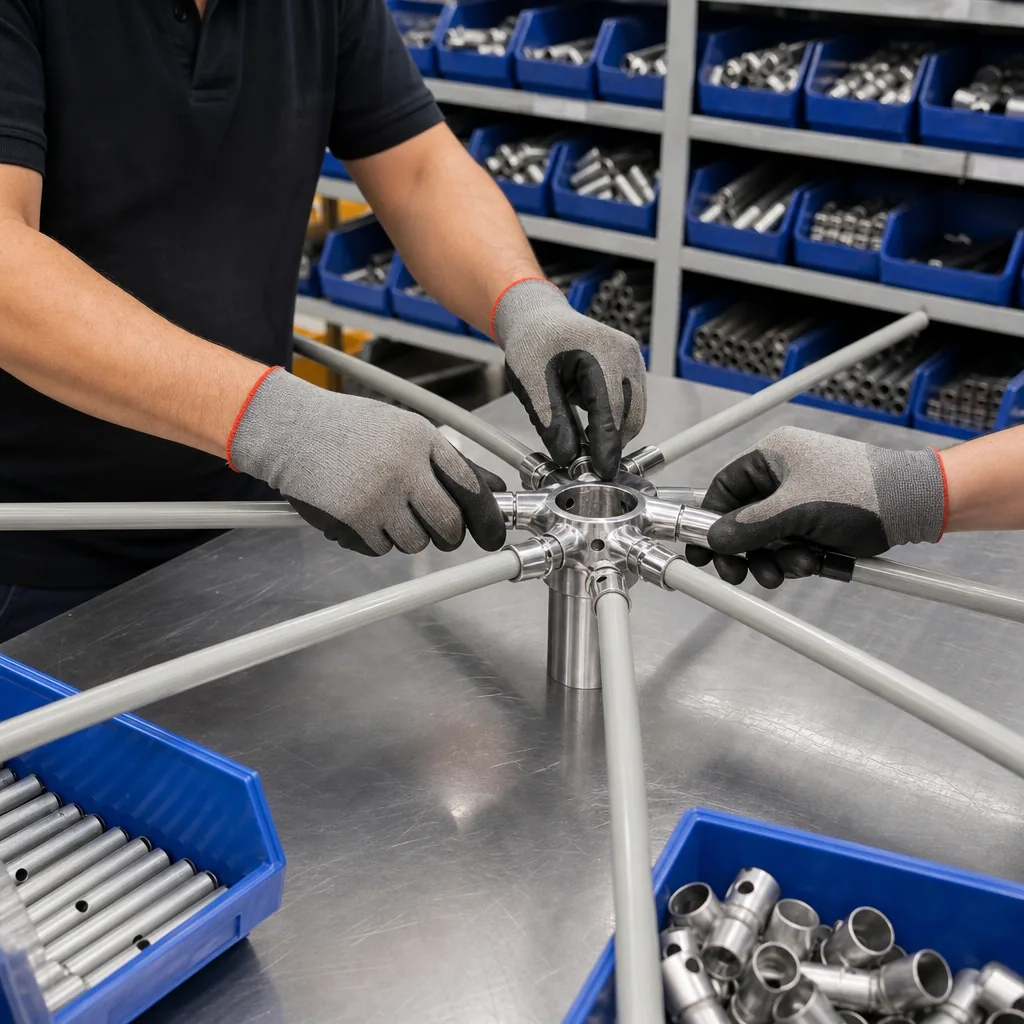
AQL 2.5 Umbrella Quality Control for OEM and ODM Orders
Learn how umbrella factories use AQL 2.5, pull tests, opening-cycle checks, and fabric verification to control defects b...
Read More »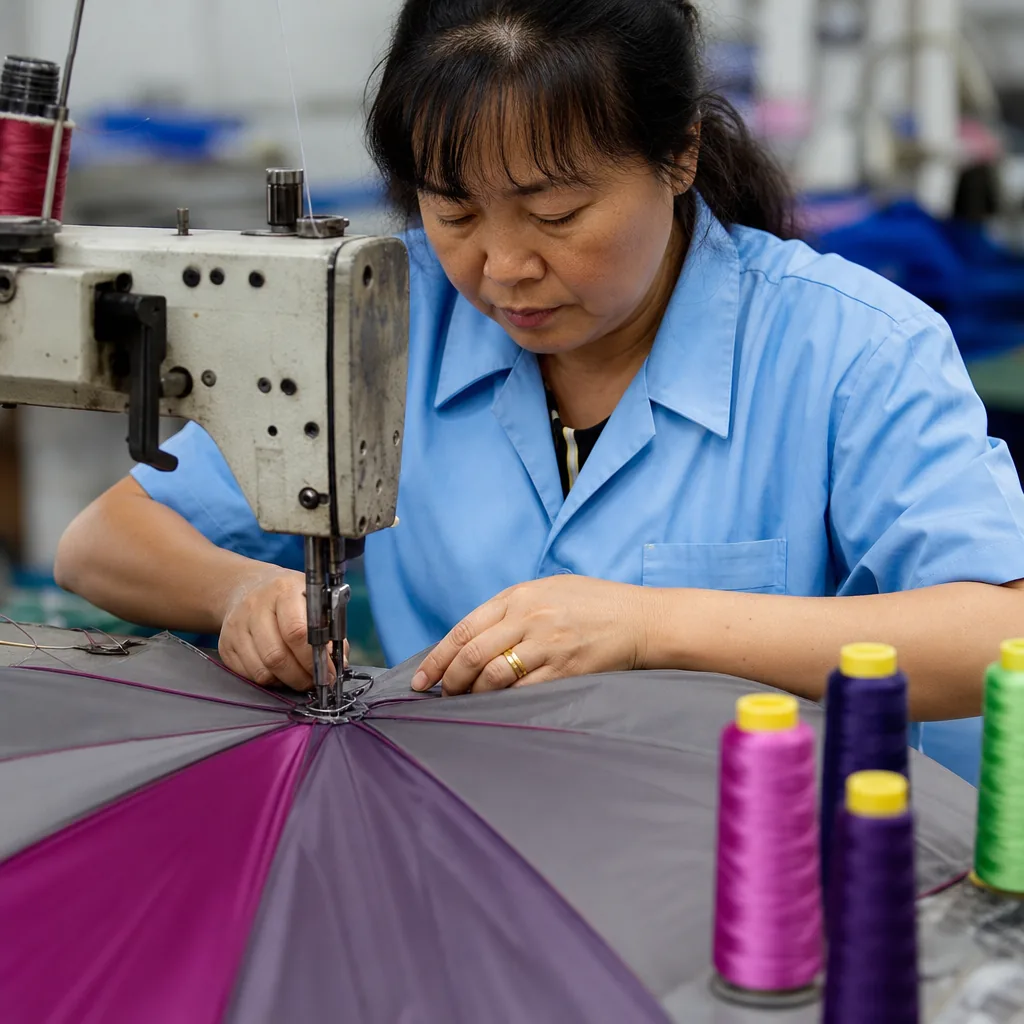
Inline Umbrella Assembly QC Before Final AQL Inspection
Build better OEM orders with inline assembly QC checkpoints that catch frame, canopy, handle, and packaging defects befo...
Read More »In-Line Umbrella Assembly QC Before Final AQL Inspection
See how line checks for ribs, runners, springs, canopy tension, and packaging reduce rework before AQL 2.5 final inspect...
Read More »