Umbrella Packaging Specs for Importers and Retail Programs
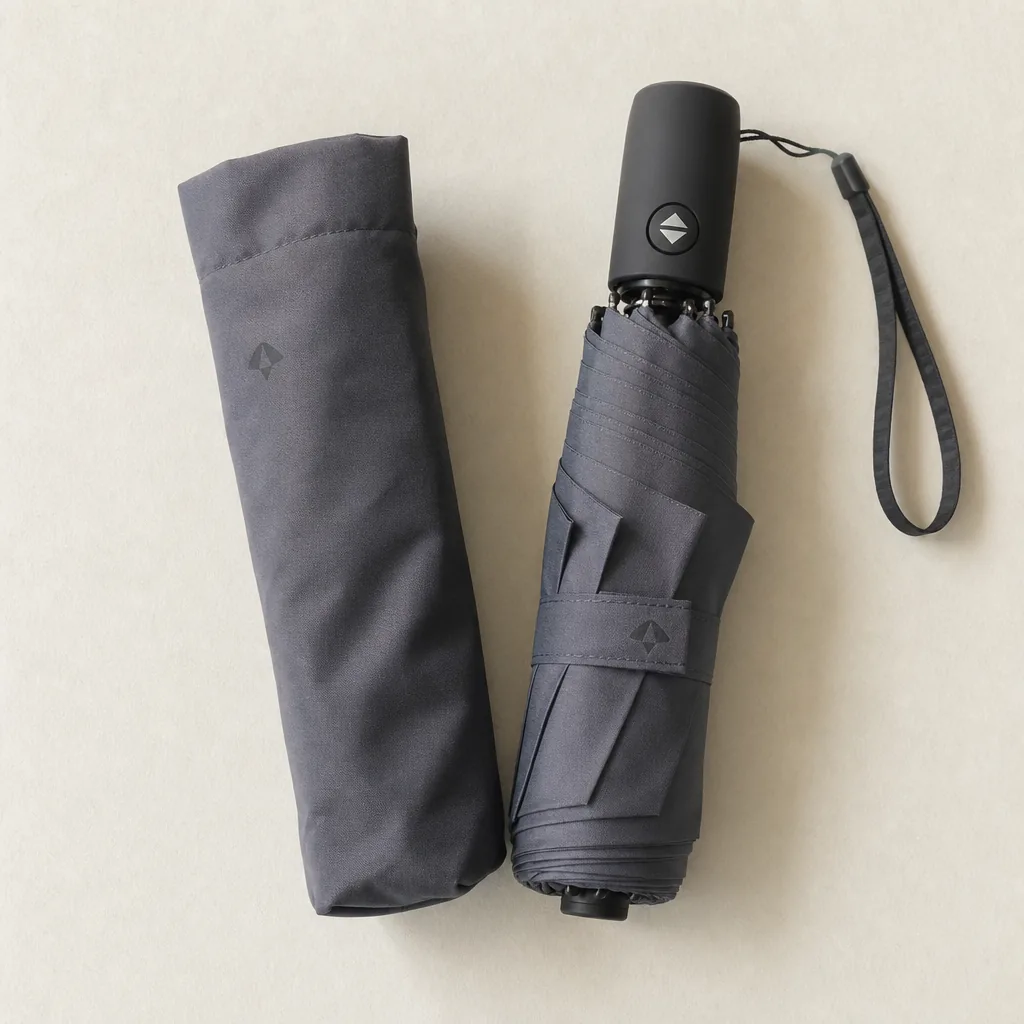
Importers and retail teams lose money when umbrella packaging is treated as an afterthought: broken tips in transit, mislabeled cartons, and pack counts that do not match landed-cost assumptions. As an umbrella packaging supplier working on the factory floor, we see how sleeve thickness, carton strength, barcode placement, and master-pack logic affect freight damage, customs clearance, and whether FOB or DDP pricing stays predictable across each lane. The right spec is not cosmetic; it is the difference between smooth receiving and costly rework.
Pick the Retail Pack Format First
Pick the retail pack format before anyone opens Illustrator. A polybag is the cheapest route and usually the right answer for bulk B2B shipment, but it gives you zero shelf presence and poor protection for pointed tips or curved handles. A printed sleeve adds branding without much weight or carton waste, so it works when the umbrella will be sold in sets, packed into master cartons, or displayed upright in a warehouse club. If the product must hang on a peg, the sleeve needs a reinforced hang hole and enough stiffness to survive repeated handling; otherwise it collapses and looks cheap. As an umbrella packaging supplier, our standard practice is to lock the pack format first, then build the umbrella carton specs around the actual folded length, handle shape, and whether the canopy is manual, auto-open, or auto-open-close.
Printed cartons are the right choice when the umbrella is part of retail umbrella packaging and the buyer expects the pack to do the selling. They support barcode placement, country-of-origin marking, and claim hierarchy for UV, windproof, or compact travel models, but they also add die-cut, lamination, and assembly cost. Gift boxes only make sense when the umbrella is a higher-ticket item, usually a 21" or 23" fashion piece or a set with matching accessories; they protect the product better, but they slow packing speed and raise the umbrella MOQ because the print run, inserts, and handwork all have to be amortized. If the pack is going into a domestic retail chain, the artwork should be approved against the actual shelf size, not just a pretty PDF, because the box footprint often drives the final tray and master carton layout.
For importers, the cost difference between FOB DDP umbrella programs is usually not the umbrella itself; it is the packaging labor, carton cube, and whether the pack is optimized for shipping. Polybags minimize volume and keep freight low, while rigid boxes can add enough cubic weight to change the landed cost materially. That is why packaging decisions should be made together with the supplier, not after sampling starts. A good umbrella packaging supplier will tell you whether a format is realistic for hanging display, e-commerce drop tests, or mixed-SKU bulk cartons, and will quote the real carton load count instead of a guessed number. If the first sample already fits the target master carton, lead time stays predictable; if the pack is revised three times after artwork, the schedule slips and the commercial plan gets more expensive than the umbrella itself.
Right-Size the Carton and Pack Count
For umbrellas, the carton decision starts with the open length and folded length, not the sales name. A 30-inch stick umbrella may be 38 to 40 inches long from ferrule to tip, which forces a different master carton than a 21-inch compact that folds to 11 to 12 inches. As an umbrella packaging supplier, we treat tip protection and handle clearance as non-negotiable: if the carton is too tight, the rib tips bruise the canopy edges and the handles warp under stacking pressure. The right umbrella carton specs leave enough headspace for end pads, usually with dividers or sleeve bags when the pack count is high. Straight umbrellas ship in longer, narrower cartons with lower units per cube, while compact models can be nested more efficiently and usually carry better in mixed retail umbrella packaging programs.
Pack count is a cube-efficiency problem, not just a counting exercise. A 21-inch auto-open compact in a polybag might fit 48 to 60 pieces per master carton, but a 30-inch golf umbrella usually lands closer to 12 to 24 pieces depending on shaft diameter, canopy bulk, and whether the ribs are fiberglass or steel. More units per carton improve labor cost, but only until dimensional weight starts punishing the shipment. That is why FOB DDP umbrella quotes need the packed carton size, gross weight, and units per carton before anyone can compare landed cost correctly. On airfreight, a bad carton layout can cost more than the umbrella itself; on ocean freight, poor cube efficiency still shows up in container utilization and warehouse handling.
Straight umbrellas and compact models also behave differently in retail programs. Stick umbrellas need length-optimized cartons, usually with stronger board and less void space, while folding umbrellas can be packed in shorter cartons with more flexible case-packing patterns. For chain retail, the best setup is often a case pack aligned to shelf-ready display counts, but for promotional or seasonal runs the umbrella MOQ may drive a different carton format because you are trying to hit both price and damage targets. At ZheBrella, the usual practice is to match the carton to the actual folded geometry first, then tune the pack count for AQL 2.5 inspection, pallet height, and destination rules. That is the only way to keep umbrella carton specs stable across FOB and DDP shipments without paying for crushed tips, broken handles, or dead air in the master carton.
Print the Labels Buyers and Customs Expect
A competent umbrella packaging supplier should treat label content as part of the product spec, not an afterthought. The minimum field set is simple: SKU, PO number, country of origin, carton marks, gross and net weight, carton dimensions, and the retailer’s routing label if the buyer uses one. For retail umbrella packaging, I also expect the inner pack to show the same SKU and color code as the carton, because mismatches create receiving errors at the DC even when the umbrellas themselves are correct. If the order is moving FOB DDP umbrella terms, the paperwork may change, but the physical carton marks still need to match what the importer, forwarder, and warehouse system are reading. When the label language is wrong or incomplete, receiving slows down immediately because warehouse teams will not break down cartons just to verify product identity.
Barcode quality matters more than most first-time importers think. A clean GS1 barcode or retailer-specific routing label should be printed at the size and contrast their scanners can actually read, and it should be placed where it will survive handling, stretch wrap, and humidity. On umbrella carton specs, we usually print carton marks on two adjacent sides so the pallet can be identified from any angle, and we keep the layout consistent across all sizes, whether the order is for compact folding umbrellas or stick umbrellas. As an umbrella packaging supplier, our standard practice is to confirm the exact label template before mass production, because changing a PO code, carton count, or origin statement after packing starts is where avoidable delays happen. That matters even on low umbrella MOQ programs, since a small order with bad labels can sit at inbound receiving longer than a larger clean shipment.
Protect the Umbrella Through Transit
For retail umbrella packaging, the first question is not what looks clean on a shelf, but what survives the route. Tip caps and shaft sleeves matter when you are shipping pointed tips, metal ferrules, or finished handles that can scuff printed cartons and burst through thin inner packs. I specify them for folded umbrellas, especially 21" and 23" models with tighter roll lengths, because one loose tip in transit can puncture a stack and turn a minor packing issue into a full carton claim. As an umbrella packaging supplier, our standard practice is to match the protection level to the transport mode: simple polybag and insert for domestic truck moves, then upgraded sleeve protection when the same style goes into export cartons. On FOB DDP umbrella programs, that choice affects not just damage rates but also labor cost, packing speed, and the final umbrella carton specs you can repeat across multiple SKUs.
Corner boards and double-wall cartons are not overkill when the load is long, heavy, or moving by ocean freight. If the master carton has extended rails, rigid fiberglass frames, or mixed carton stacks that sit in a container for weeks, single-wall board crushes fast at the edges and at the hand-hole area. I recommend double-wall cartons for long-shaft styles, golf umbrellas, and any retail umbrella packaging that needs to hold insert cards, window boxes, or hang tags without collapsing under compression. Corner boards help where strapping or pallet wrap would otherwise bite into the carton and deform the contents. This is also where umbrella MOQ matters: higher quantities let you standardize stronger packaging across the run, instead of trying to save pennies on carton grade and paying for rework, repacking, and claims later.
Packaging defects should be judged with the same discipline as umbrella defects, not treated as a separate, softer standard. We inspect carton print, glue failure, crush damage, sleeve fit, and missing tip caps under AQL 2.5, which means the buyer needs a clear acceptance rule before production starts. For shipping tests, I prefer drop testing from the finished packed carton, not just a sample insert, because the weak point is usually the assembled pack-out, not the individual component. A retail umbrella can pass canopy and frame checks and still fail if the inner tray tears or the carton opens at the seam during a 60- to 90-day ocean move. If the buyer wants tighter control, the packing spec should state carton count, inner pack format, board grade, tape width, and pallet pattern in writing before PO release, so the FOB DDP umbrella quote reflects the real protection level instead of a vague "export standard" assumption.
Plan Cost, MOQ, and Delivery Terms
For retail umbrella packaging, the MOQ is usually driven by two separate items: the carton style and the print setup. A plain brown shipper can start around 500 to 1,000 pcs, but custom-printed retail sleeves, belly bands, or color cartons often need 1,000 to 3,000 pcs per size and artwork version because the die-cut and plate charges are fixed. A practical umbrella packaging supplier will quote the packaging separately from the umbrellas themselves, since umbrella MOQ and carton MOQ rarely match. If you are mixing 21-inch foldables, 23-inch straight-shaft models, and larger 27-inch or 30-inch golf umbrellas, expect different carton specs, stacking limits, and outer-carton dimensions for each SKU. That matters for pallet loading, carton compression, and whether the pack-out survives export handling without crushing the printed retail box.
Print plate charges are not a gimmick; they are a real cost on every flexo, offset, or hot-stamp setup. A simple one-color carton can be low, while a multi-color retail insert with matte lamination, spot UV, or foil usually adds separate plate or cylinder fees. If the artwork changes after approval, the charge is usually repeated, so the cleanest process is to lock the dieline first, then sample, then approve mass production. Typical timing is 3 to 5 days for dieline confirmation, 7 to 10 days for a packaging sample, and 10 to 15 days if there is custom artwork proofing or structural testing. For retail umbrella packaging, we also check whether the insert can hold wet-canopy condensation, since low-grade SBS board will warp before it reaches the warehouse.
FOB and DDP umbrella quotes move for two reasons: carton volume and destination. A low-volume shipment with oversized cartons costs more per unit because the freight cube is inefficient, and DDP pricing changes again once you add local delivery, customs clearance, duties, and last-mile charges in the destination country. For that reason, the same umbrella carton specs can produce very different FOB DDP umbrella numbers depending on whether the shipment is going to Los Angeles, Rotterdam, or Dubai. A normal production timeline is 15 to 25 days after packaging approval for mass production, then 3 to 7 days to book freight if space is open; peak season can push booking to 10 days or more. If the order is urgent, the real constraint is usually freight space, not the carton factory, so build the schedule around vessel cutoff dates instead of just the umbrella MOQ.
Frequently Asked Questions
Does branded packaging always raise the order price?
Usually yes, because it adds printing, setup, and assembly labor. For smaller programs, a printed sleeve or header card can deliver branding with less cost than a full gift box.
Should packaging be approved before production starts?
Yes. Carton size, artwork, and pack count affect shipping cost and breakage risk, so those details should be locked before mass production and freight booking. That also reduces rework if the SKU mix changes.
What pack count is most efficient for standard umbrella export cartons?
For many stick and folding umbrella programs, 24 or 48 pieces per master carton is common because it balances carton strength and pallet efficiency. The best count depends on umbrella length, handle type, and whether each piece uses an inner sleeve or retail box.
Should importers specify barcode placement before production?
Yes. Decide whether the barcode goes on the retail hangtag, polybag, or carton label before sampling, because changing it later can affect print plates and carton artwork. Most import programs also require the outer carton to show SKU, color, qty, and carton number.
How do packaging specs affect FOB and DDP umbrella costs?
Packaging changes carton size, gross weight, and loading density, which directly affects ocean freight and last-mile handling. A heavier retail box or oversized carton can reduce container utilization and raise DDP landed cost even if the umbrella unit price stays the same.
Looking to Launch Your Custom Umbrella Line?
ZheBrella is a Zhejiang-based OEM/ODM umbrella manufacturer with 17 years of export experience. Free design, low MOQ from 100 pieces, windproof construction, full-color print.
Get Free Quote Now »People Also Search For
Related Articles
Retail Gift Umbrella Sets: How Buyers Match Specs and Price
Build umbrella gift sets that look retail-ready by matching fabric, frame, packaging, and shipping terms to your target ...
Read More »Compact Travel Umbrella Specs for Retail and Gift Programs
Specify compact travel umbrellas with the right size, rib count, fabric, and mechanism to balance portability, durabilit...
Read More »
Travel Umbrella Specs for Airline Amenity and Retail Programs
Compare 3-fold vs 5-fold travel umbrella specs, weight, fabric, mechanisms, and packaging to source compact models for a...
Read More »