Negotiating MOQ on Custom Umbrellas Without Overordering
If you are trying to launch a custom umbrella line, the first friction point is usually umbrella moq, and it is not just a sales tactic. Minimums come from fabric cutting yield, frame setup, printing screens, and the labor needed to keep a production run efficient on the factory floor. The real challenge is knowing which parts of the order are fixed and where a supplier can reasonably flex without creating waste, delays, or inconsistent quality.
Why MOQs exist on custom umbrellas
A real umbrella moq is not an arbitrary number; it is the point where the fixed setup cost starts to make sense across a production run. Before one unit is sewn, we have to open cutting dies, prepare rib tooling, confirm canopy panels, and set up the sewing line for the exact structure, whether that is a 21-inch compact with 8K fiberglass ribs or a 27-inch auto-open model with a steel shaft. On the printing side, every artwork change means a new screen or transfer setup, plus color checks and first-article approval. If a customer wants a minimum order umbrella in two colors, with a custom handle and logo placement on three panels, the engineering and QC time are the same whether the lot is 100 pieces or 1,000. That is why the minimum order umbrella is usually tied to the labor and setup burden, not just the material cost.
Fabric is the other reason umbrella order quantity matters. Canopy cloth is bought and processed in lots, not by the meter on demand. If the spec calls for 190T pongee in a custom Pantone shade, the mill usually needs a dye lot large enough to justify the bath, and small lots often carry a high surcharge or longer lead time. The same applies to PVC, POE, or EVA canopies, where color consistency and translucency have to be held across the entire batch. A low moq custom umbrella sounds attractive, but if the fabric shade shifts between lots, the customer ends up with mismatched panels and weak brand control. In practice, we try to balance the requested quantity against the fabric conversion lot so the buyer is not paying for waste hidden inside the unit price.
Printing also drives the umbrella moq because screen setup is front-loaded. A simple one-color logo on one panel still needs mesh prep, registration, ink mixing, and a test pull before full production starts. If the artwork has fine lines or multiple spot colors, each color usually means another screen, another alignment pass, and more scrap at startup. Heat-transfer and sublimation reduce some of that burden, but they still require fixture time, proofing, and curing control, especially on curved canopy panels. At ZheBrella, the practical rule is that MOQ should cover setup, fabric lot efficiency, and acceptable AQL 2.5 inspection loss. That is why a low moq custom umbrella is possible in some cases, but only when the design is simple, the material is standard, and the umbrella order quantity is high enough to absorb the fixed production steps without distorting the unit price.
What drives the MOQ up or down
The umbrella moq moves first with the print process, not with the umbrella itself. A one-color screen print on a 190T pongee canopy is straightforward: one screen set, low waste, faster sampling, and a minimum order umbrella can stay relatively small. Once you move to full-panel sublimation, all-over printing, or heat-transfer work with fine gradients, the factory has to lock in more setup time, more proofing, and tighter color control, so the umbrella order quantity climbs. Digital print can reduce plate cost for short runs, but it still adds handling and color-management risk, especially on POE or PVC canopies where surface prep matters.
Color count is the next lever. One Pantone on one panel is cheap; four or six spot colors across eight panels is not. Every extra color means another screen, another alignment check, and more scrap risk during bulk production. That is why a low moq custom umbrella usually stays within one to two print colors and avoids mixed finishes like matte PVC with metallic ink or reflective transfer. ZheBrella’s standard practice is to quote the umbrella moq separately for the canopy, the shaft, and the print, because customers often assume decoration has the same cost structure as the frame, which it does not.
Customization depth drives MOQ harder than buyers expect. A stock 23-inch auto-open style with a standard fiberglass rib set and a simple logo can be produced with a lower umbrella moq than a fully customized 16K vented golf umbrella with EVA handle, color-matched tips, and a special sleeve. Once you change canopy fabric, panel count, handle tooling, or add features like Teflon coating, UV UPF 50+, or dual-layer venting, the factory has to allocate separate materials and sometimes separate cutting dies. If the goal is a true low moq custom umbrella, the practical move is to keep the frame, size, and packing standard, then spend the customization budget on one controlled print location instead of redesigning the whole item.
Where there's real room to negotiate
The easiest place to cut an umbrella moq is the frame and canopy spec, not the logo. If you accept a stock frame instead of a new tooling setup, the factory does not need to buy fresh molds or hold a special rib set just for your job. That matters more than most buyers realize. A standard 23" or 27" manual-open umbrella with a stock fiberglass frame, 190T pongee, and one standard canopy color is a very different cost structure from a custom 16K windproof build with UV coating and matched panels. For a minimum order umbrella, that difference can move you from a high-risk trial run to a workable first production. ZheBrella, like most factories, will usually negotiate more on the hardware and canopy spec than on the printing method itself, because the hard cost is in the components and setup.
Simpler branding is the second lever. If you want a low moq custom umbrella, keep the decoration to one location, one or two PMS colors, and avoid full-panel coverage unless the artwork truly needs it. Screen print on a flat panel is cheaper to run than all-over sublimation or multi-position transfers, and it reduces waste when the umbrella order quantity is still small. A single-side logo on one gores panel can be enough for corporate gifts, events, or reseller test programs. Buyers often ask for color-matched seams, custom handle inserts, and contrast stitching at the same time, then wonder why the umbrella moq stays high. Those details each add changeover time, sampling, and inspection complexity, especially if the order is split across multiple SKUs or size variants.
If you need a lower umbrella moq, the cleanest negotiation is to simplify the assortment before asking for a concession. One frame type, one canopy size, one print method, and one packaging format gives the factory a chance to consolidate materials and hit a better labor yield. In practice, a supplier can often be more flexible on 300 to 500 pieces of one configuration than on 1,000 pieces spread across three handle styles and two canopy colors. That is why buyers who understand the minimum order umbrella math usually get a better answer than buyers who only ask for a lower number. The factory can work with smaller batches when the product is standardized, but once you start mixing 8K and 10K ribs, auto-open and manual mechanisms, or custom dye work, the umbrella order quantity has to rise to cover the extra setup and inventory risk.
Trial orders and ramp strategy
The cleanest way to negotiate umbrella MOQ is to separate a trial order from a production commitment. If a supplier pushes 1,000 pieces as a minimum order umbrella, ask for 100 to 300 units on one spec first, but only if the build is simple: one canopy fabric, one frame type, one print location, and one handle style. A low moq custom umbrella is rarely about the sewing line itself; it is about setup waste on printing screens, fabric cutting, carton allocation, and color approvals. Keep the first umbrella order quantity narrow enough that the factory can run it without buying extra stock or interrupting a full container job.
The trial should be designed to answer three questions: does the print hold up, does the frame survive handling, and can the factory repeat the build without supervision. For example, start with a 21" or 23" auto-open style using 190T pongee, fiberglass ribs, and a single-color logo. That gives you a real read on panel tension, stitching consistency, and closure alignment without paying for unnecessary options like UV coating or a double-canopy vent. At ZheBrella, the practical approach is to sample one construction, inspect to AQL 2.5, and only then discuss scaling to 500, 1,000, or more units once the defect rate and lead time are predictable.
Once the trial passes, scale in steps instead of jumping straight to full volume. A common ramp is 200 units for validation, 500 for the first repeat order, then 1,000+ after you confirm packaging, carton count, and transit damage rates. This protects you from overordering when artwork changes, pantone matching is still unsettled, or the frame spec needs reinforcement from steel to fiberglass. It also gives room to test commercial details that matter later, like FOB versus DDP pricing, reserve stock for reorders, and whether the supplier can hold the same umbrella moq across colors and sizes. The point is not to buy the cheapest first lot; it is to buy enough to prove the product and no more.
Hidden costs of overordering
Overordering umbrellas ties up cash faster than most buyers expect, because the unit price only looks attractive when you ignore the full landed cost. A minimum order umbrella deal might save a few cents per piece, but if you have to prepay for 5,000 units instead of 1,500, that money is locked in inventory for months. On custom programs, you are also financing tooling, Pantone-dyed canopy fabric, printed panels, and packaging before the first sale. That is a real problem for seasonal buyers: rainwear demand is not smooth, and a 21" compact auto-open umbrella can sit through an entire dry quarter while your cash conversion cycle keeps stretching. If the forecast is wrong by even 20%, umbrella moq decisions stop being procurement math and start becoming a working-capital problem.
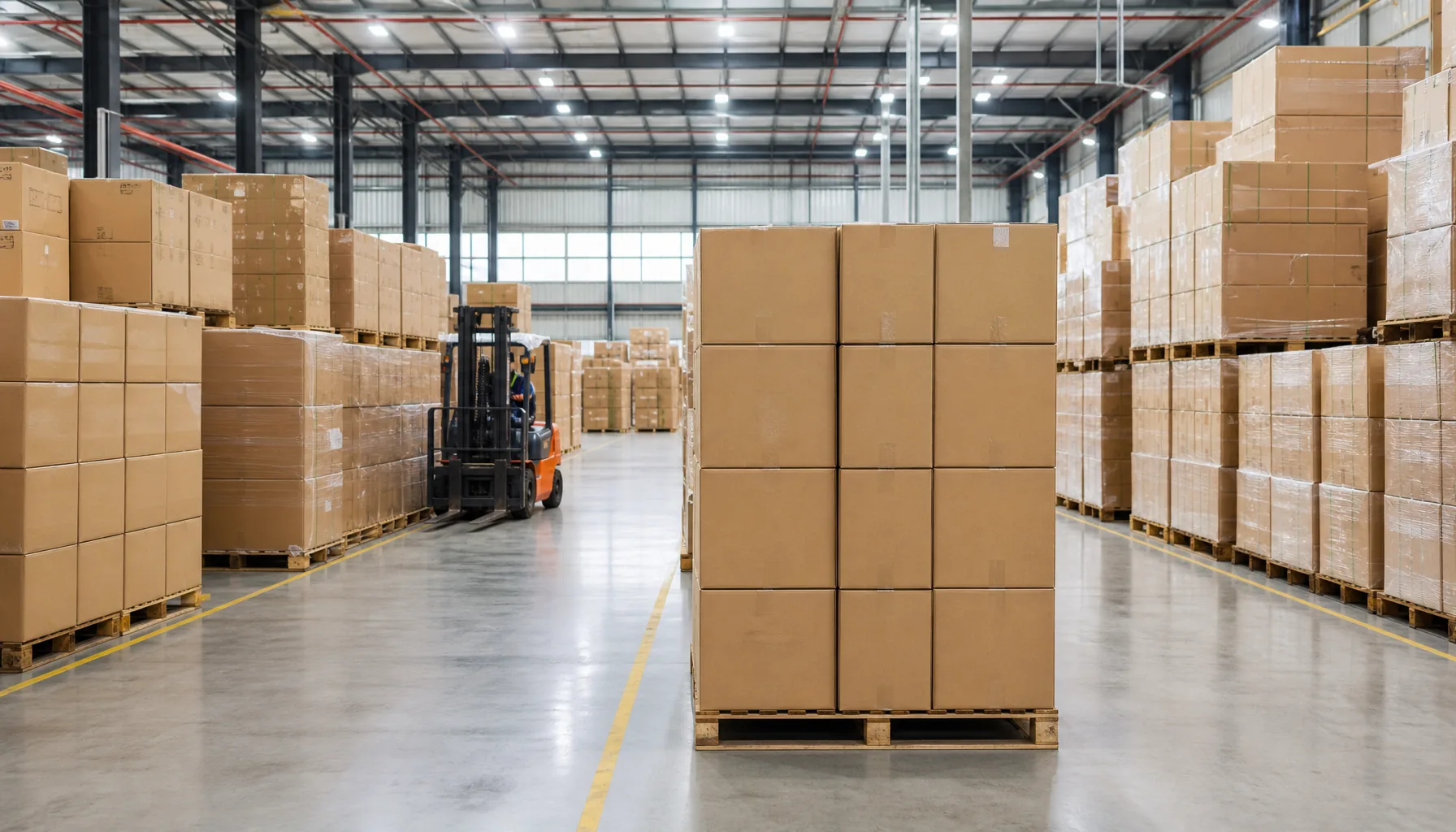
Storage is the other cost people underestimate. A carton of 23" or 27" umbrellas takes more cube than the invoice suggests, and the damage risk goes up when pallets sit in humid warehouses. Steel frames can spot-rust, elastic bands lose tension, and printed pongee 190T or 210T can crease permanently if cartons are stacked badly. A low moq custom umbrella order is often cheaper than renting extra rack space, moving stock twice, or paying for local handling just to keep product off the floor. If you are importing FOB and then dribbling out sales later, the warehouse bill, labor, and shrinkage can easily erase the savings from a larger umbrella order quantity. That is before you count the cost of replenishment delays when cash is already tied up.
Obsolescence is where overordering really hurts, especially for promotional umbrellas with logos, campaign dates, or trend-sensitive colors. A vented double-canopy with fiberglass ribs and UPF 50+ coating can stay relevant longer than a cheap giveaway model, but printed artwork, retail packaging, and branded sleeves still age quickly. If a client changes artwork, launches a new logo, or switches from manual to auto-open-close, last season’s stock becomes discount inventory. In practice, the safest umbrella moq is the one that matches sell-through, not the one that makes the factory quote look best on paper. Buyers who insist on a huge minimum order umbrella often discover that the real cost is markdowns, write-offs, and stale stock that never reaches full margin. Small repeats are usually cheaper than one oversized bet.
Frequently Asked Questions
What is the typical MOQ for custom umbrellas?
For a simple logo on a standard frame, MOQs commonly start around 100-300 pieces. Full custom designs with dyed fabric or special frames push the minimum higher because of dye lots and tooling setup.
How can I get a lower umbrella MOQ?
Use a stock frame and stock canopy color, limit the logo to one or two spot colors, and accept standard packaging. Removing custom dyeing and complex printing is the fastest way to bring the minimum down.
What MOQ can a buyer usually negotiate for a custom umbrella sample-to-order launch?
For many OEM umbrella programs, the starting point is often 300 to 500 units per design, but some factories will accept 100 to 200 units if the canopy color, handle, and packaging are kept standard. The more changes you request, the harder it is to reduce the minimum.
How can a distributor lower umbrella MOQ without increasing unit cost too much?
Keep the frame model fixed, use stock canopy fabric colors, and limit printing to one location or one-color logo. Buyers can also split quantity across two colorways under one production run if the factory allows shared materials.
How long does a low-MOQ custom umbrella order usually take?
A sample typically takes 7 to 10 days after artwork approval. Mass production for a small custom run is usually 25 to 40 days, depending on print method, packaging, and whether the factory has the core components in stock.
Looking to Launch Your Custom Umbrella Line?
ZheBrella is a Zhejiang-based OEM/ODM umbrella manufacturer with 17 years of export experience. Free design, low MOQ from 100 pieces, windproof construction, full-color print.
Get Free Quote Now »People Also Search For
Related Articles

Building a Private Label Umbrella Assortment for Retail
Plan a profitable private label umbrella line with SKU mix, rib counts, fabric grades, MOQ strategy, packaging, and FOB/...
Read More »
Private Label Umbrella MOQ and Cost Planning for Buyers
Learn how MOQ, unit cost, and lead times interact when sourcing private label umbrellas, with practical numbers for bett...
Read More »How to Compare Umbrella Suppliers on MOQ, Incoterms, and Risk
Use a practical buyer framework to compare umbrella suppliers on MOQ, quote structure, inspection standards, and shippin...
Read More »