Custom Umbrellas for Beverage Brand Field Activations
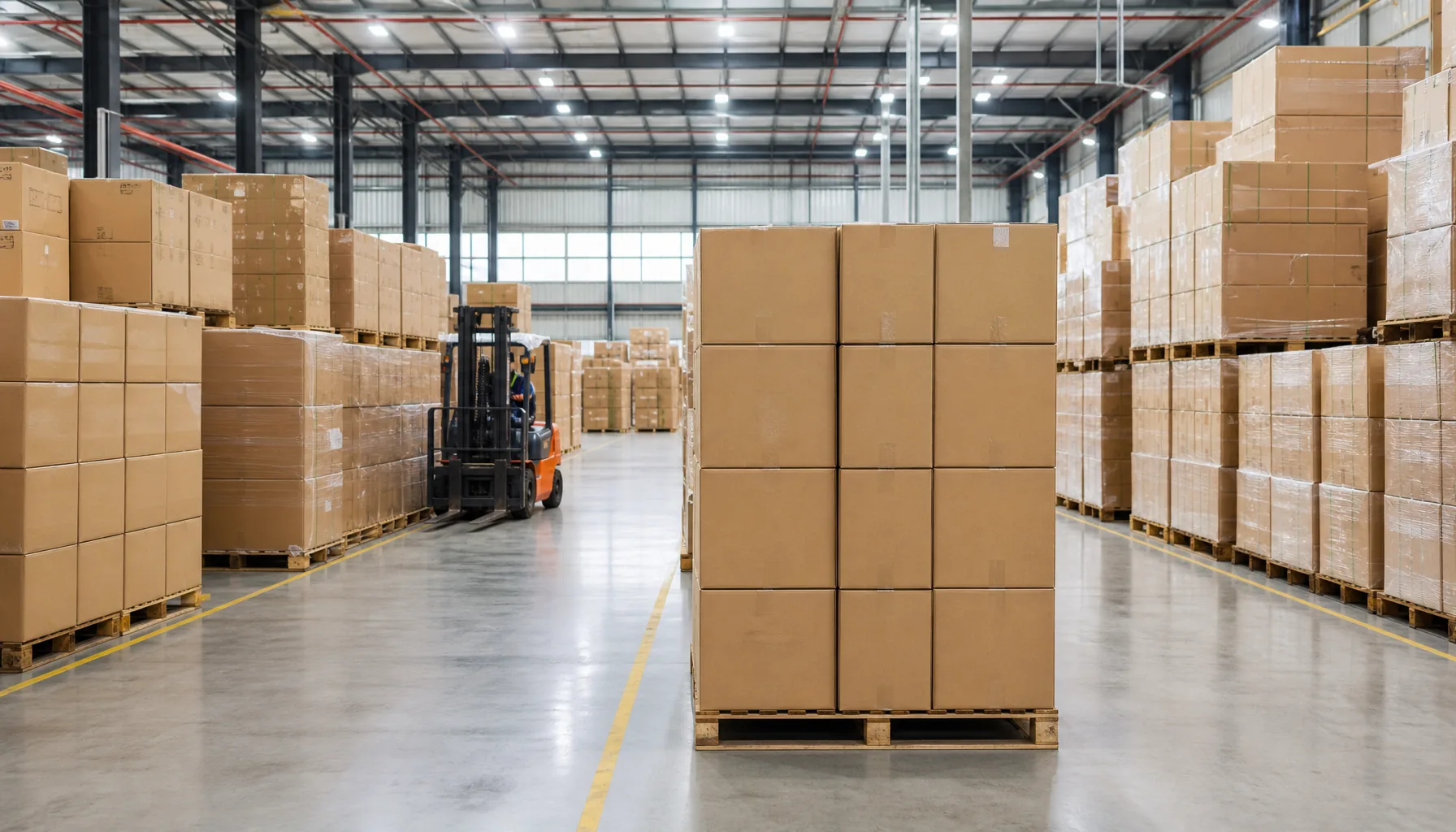
Field activations punish umbrellas harder than catalog photos suggest: gusts around pop-up tents, wet storage after sampling events, repeated setup by promo teams, and logos that must stay readable from across a crowded venue. When buyers source beverage brand umbrellas, the real work is matching canopy size, rib strength, print method, color control, compliance details, MOQ, and ship date before production starts. On our factory floor in Songxia, those choices decide whether an activation kit arrives durable, consistent, and ready to deploy.
Define the Activation Environment
The activation environment decides the umbrella before the artwork does. Street teams handing out cans near transit stations need compact, fast-deploy models: 21" or 23" auto-open folding umbrellas with fiberglass ribs, 190T pongee canopy, and a simple one-position shaft that survives being opened hundreds of times per day. Retail sampling inside parking lots or store entrances usually works better with 27" straight umbrellas because the promoter can hold one while managing trays, coupons, or QR-code cards. Distributor events and trade tastings often need a cleaner look: 8K or 10K straight umbrellas with wooden or matte EVA handles, tighter stitching, and better panel matching because buyers will inspect them up close. Beach promotions and outdoor point-of-sale displays are a different category; those beverage brand umbrellas need larger shade coverage, stronger poles, sand anchors or weighted bases, and UV coating rather than only rain resistance.
Usage duration changes the build specification. A one-day street giveaway can tolerate a lighter steel shaft and standard polyester if the goal is reach, but a 30-city summer tour should use fiberglass ribs, reinforced tips, and a canopy fabric like 190T or 210T pongee with a water-repellent finish. For alcohol brand promotional umbrellas used at patios, bars, golf outings, or music festivals, I prefer double-canopy vented construction when wind exposure is real; a standard 8K steel frame may look fine in a showroom but twist quickly in 30–40 mph gusts. If the umbrella is part of beverage marketing merchandise that consumers take home, comfort matters too: auto-open-close mechanisms are convenient, but they add spring stress and require stricter cycle testing than manual frames.
Transport frequency and crowd density are where many drink promotion umbrellas fail. If a field team loads product, tents, coolers, and umbrellas into vans every morning, long stick umbrellas get scratched unless they have sleeves, carton dividers, and handles that do not chip. For dense festival queues or sidewalk activations, avoid oversized 30" straight umbrellas because ribs can catch faces, signage, and sampling trays; a 23" or 27" model is safer and easier to control. Outdoor point-of-sale displays outside convenience stores or beverage depots can use bigger branded umbrellas for activations, but they need wind vents, stable bases, and fabric that resists fading under sun. Our standard practice at ZheBrella is to match the frame to the activation route first, then confirm print method, MOQ, packing plan, and AQL 2.5 inspection points.
Select Frames for Frequent Setup and Takedown
For field activations, I usually recommend auto-open stick umbrellas before compact auto-open-close models. A brand ambassador with one hand on a sample tray, POS scanner, or cooler handle needs the canopy open in one clean motion, not a two-step struggle with a telescopic shaft. A 23" stick umbrella is workable for single-person sampling, but beverage brand umbrellas used at curbside tastings, stadium exits, golf outings, or convenience-store promos often need 27" or 30" coverage so two people can stand under the same canopy during a short rain burst. The tradeoff is pack-out volume: a 30" 8K stick umbrella takes more carton space and weighs more per unit, but it looks better on camera and protects uniforms, product cases, and printed collateral. For teams moving between 5 to 10 locations per day, specify a smooth auto-open spring, a straight EVA or rubberized handle, and a shaft length that fits the vehicle bins used by the activation agency.
Fiberglass ribs cost more than steel ribs, but they are the better choice for frequent setup and takedown. Steel ribs are stiff and economical, and for a one-week indoor-outdoor sampling program they may be acceptable, especially on 21" or 23" drink promotion umbrellas where budget is tight. The problem is repeated abuse: umbrellas get tossed into vans wet, stacked under tables, and opened against wind at odd angles. Steel can bend and stay bent, and exposed edges or rivet points may show rust after repeated wet storage, especially near coastal cities or poolside events. Fiberglass ribs flex back better and resist corrosion, so an 8K or 10K fiberglass frame is usually the safer build for branded umbrellas for activations expected to run across a full season. If the umbrella must survive gusty parking lots, pair fiberglass ribs with a metal or fiberglass shaft and a vented double-canopy construction rated around 50+ mph in a controlled wind test.
Larger 27" and 30" models deserve heavier frame planning than small giveaways because canopy load rises quickly with diameter. A 30" pongee 190T or 210T canopy catches much more wind than a compact umbrella, so thin steel ribs that pass a simple open-close test may still fail after repeated field use. For alcohol brand promotional umbrellas used at tailgates, festivals, and outdoor bar takeovers, I would rather reduce one-color print complexity than downgrade the frame, because a broken rib in front of consumers damages the brand more than a slightly simpler logo layout. Our standard practice at ZheBrella is to run open-close cycling, rib tension checks, and AQL 2.5 inspection on production lots, with extra attention to runner locking, tip stitching, and cap tightness. For beverage marketing merchandise, ask the supplier for the actual rib material, rib count, shaft diameter, and packed weight, not just a catalog photo labeled “windproof.”
Maximize Brand Visibility on the Canopy
The canopy is the billboard, and for field activations I would spend more time on panel layout than on handle shape. Full-panel printing works best when the artwork needs strong shelf-to-street recognition: a lime wedge pattern for a hard seltzer, condensation graphics for bottled water, or a large beer crest readable from 40 to 60 feet away. On 190T pongee, screen printing gives solid spot colors and good cost control for repeat logos; on 210T pongee, heat transfer or sublimation handles tighter gradients and photo-style fruit, ice, or can graphics with less distortion. For beverage brand umbrellas used in retail parking lots, stadium tailgates, sampling tents, and sidewalk promotions, I recommend keeping the main logo centered in one or two opposing panels, not scattered across all 8K ribs. Too many small logos disappear once the canopy is curved and moving in wind.
Alternating color panels are usually the most efficient way to make drink promotion umbrellas stand out without overprinting the entire canopy. A red-white-red-white layout for soda, black-gold-black-gold for whiskey, or blue-silver for sparkling water creates visibility even before the logo is close enough to read. Edge printing is underused: a 20 to 35 mm repeat along the lower hem can carry a URL, campaign slogan, hashtag, or distributor message while keeping the top panels clean. On 23-inch and 27-inch umbrellas, that edge area is especially visible when brand ambassadors walk through crowded events. For alcohol brand promotional umbrellas, we normally avoid tiny legal text on the outer canopy because folds and seam allowances can break it; if compliance text is required, print it on a hangtag, sewn label, or sleeve insert instead.
Sleeve branding matters because the umbrella is often photographed while closed, stacked in buckets, handed out at check-in, or carried back to a car. A matching pongee sleeve with a one-color logo, contrast piping, and a printed pull tab is cheap compared with the canopy but improves the perceived value of beverage marketing merchandise. For branded umbrellas for activations, specify sleeve artwork at the same time as canopy artwork so dye lots, Pantone targets, and logo scale stay consistent. Our standard practice at ZheBrella is to check panel registration after sewing, not only after printing, because a logo that looks straight on a flat 190T or 210T panel can shift 5 to 8 mm once it is joined to neighboring panels. Bold contrast, wide negative space, and clean placement beat complicated artwork every time in a wet, windy parking lot.
Address Compliance and Market Variations
Compliance should be locked before the first strike-off, not after 5,000 canopies are sewn. For alcohol brand promotional umbrellas, the biggest delays usually come from market-specific rules: legal drinking age statements, “drink responsibly” language, health-warning placement, and restrictions on showing consumption scenes or youth-oriented graphics. Some U.S. control states, Canadian provinces, EU markets, and Gulf-region importers will reject artwork that looks acceptable somewhere else. Distributor approval can add 5 to 15 working days, especially when the umbrella is tied to an on-premise bar program, stadium activation, or retailer-funded promotion. I tell buyers to send factory-ready AI/PDF files only after legal, distributor, and local sales teams have signed off, because changing a 4-color screen print after mesh setup is not the same as editing a digital banner.
Artwork control matters more when beverage brand umbrellas are split across multiple markets. A 27-inch golf umbrella for a beer launch in Mexico, a 23-inch auto-open umbrella for a UK sampling crew, and POE dome umbrellas for a Japanese soft-drink event may share the same brand assets, but the required language, recycling marks, importer labels, and age-gate messaging can differ. Use separate SKU codes for each market, and put the country, language version, canopy color, panel layout, print method, and approval date directly into the production file name. For drink promotion umbrellas, we prefer a signed panel map showing which logo goes on each gore, because “same as last order” is where mistakes happen. Heat-transfer logos, sublimation artwork, and screen-print films should be archived by version, not just by brand name.
Before mass production, build a compliance sample that looks exactly like bulk goods: same 190T or 210T pongee, same PMS ink, same UV or Teflon coating, same handle label, same polybag warning, and same carton marks. If the promotion is age-gated, avoid youth-oriented patterns, cartoon mascots, school-color themes, or copy that could be interpreted as targeting minors. Branded umbrellas for activations often move through beverage distributors rather than the brand owner, so confirm who has final release authority and whether they require AQL 2.5 inspection photos, pre-shipment samples, or third-party lab checks for PVC, POE, EVA, and printed ink safety. Our standard practice at ZheBrella is to freeze artwork before cutting fabric; once canopy panels are cut for 8K or 10K frames, market changes become rework, not revision. For beverage marketing merchandise, that rework can destroy both the schedule and the activation budget.
Coordinate Production With Campaign Calendars
For beverage brand umbrellas, the production calendar has to start from the event date and work backward, not from the purchase order date. A proper pre-production sample usually takes 7–10 days after artwork approval if the frame is standard, and 12–18 days if the buyer wants a custom handle color, special vent construction, or exact Pantone matching on 190T or 210T pongee. Screen printing is faster for one- or two-color logos, while full-panel sublimation or heat-transfer branding needs extra proofing because red, lime, metallic gold, and dark navy often shift between digital artwork and coated fabric. I always tell beverage teams to approve the physical sample under outdoor light, not just office lighting, because umbrellas are used in bright sun, rain, and crowded street environments where logo contrast matters more than a perfect PDF mockup.
Bulk production lead time depends on the umbrella type and the season. A 23-inch auto-open straight umbrella with 8K fiberglass ribs and 190T pongee can often run in 25–35 days after sample approval at 3,000–10,000 pieces, assuming fabric and shafts are available. A heavier 27-inch or 30-inch double-canopy vented model for outdoor bars, music festivals, or beer gardens can push to 40–55 days, especially if it includes UPF 50+ coating, Teflon water repellency, or reinforced fiberglass ribs tested for 50+ mph wind gusts. The mistake is waiting until May for a July campaign. Summer drink launches and rainy-season retail pushes compete for the same cutting tables, sewing lines, printing rooms, and AQL 2.5 inspection slots. Our standard practice at ZheBrella is to lock capacity before peak season once the campaign quantity and delivery window are reasonably firm.
Shipping planning is just as important as canopy printing when coordinating branded umbrellas for activations across multiple markets. FOB Ningbo or Shanghai works well for national distributors that consolidate beverage marketing merchandise in their own warehouse, handle customs clearance, and then allocate stock to sales teams. It gives better control over freight cost at higher volumes, but the buyer must budget ocean transit, customs, inland trucking, and buffer time for port congestion. DDP is cleaner when drink promotion umbrellas need to land directly in Los Angeles, Miami, Chicago, Dallas, and New York for staggered field activations. The factory or forwarder can carton-label by city, manage duties, and deliver to event agencies, but the landed price is higher and addresses must be final before booking. For alcohol brand promotional umbrellas, I recommend adding 5–8% overage for lost cartons, last-minute venue additions, and damaged units discovered during local unpacking.
Frequently Asked Questions
What fabric is suitable for beverage promotion umbrellas?
190T pongee is common for cost-effective campaigns, while 210T pongee gives a smoother premium finish. Both can support bright logo printing and water-repellent coating.
Should beverage brands choose compact or stick umbrellas?
Stick umbrellas are better for street teams because they open quickly and show the logo clearly. Compact umbrellas work well as consumer giveaways when portability and lower shipping volume are priorities.
What umbrella size works best for beverage sampling stations versus large festival footprints?
For one table or a two-person sampling station, 2m to 2.5m canopies are common. For higher-traffic festival use, many buyers move to 2.7m to 3m patio umbrellas to increase shade coverage and logo visibility from a distance.
How should alcohol beverage buyers handle branded umbrella artwork for markets with promotion restrictions?
Use a print proof approval process that separates brand graphics, legal lines, and market-specific disclaimers before production. Many importers request a final compliance sign-off by SKU and destination country so mixed-market orders do not ship with the wrong artwork.
What MOQ and lead time should buyers plan for seasonal beverage activations?
For custom-printed promotional umbrellas, MOQ often starts around 300 to 500 units depending on size, frame, and print method. Standard production is typically 25 to 35 days after sample approval, while ocean shipping should be booked early for spring and summer activation calendars.
Looking to Launch Your Custom Umbrella Line?
ZheBrella is a Zhejiang-based OEM/ODM umbrella manufacturer with 17 years of export experience. Free design, low MOQ from 100 pieces, windproof construction, full-color print.
Get Free Quote Now »People Also Search For
Related Articles
Branded Umbrellas for Beverage Brands and Field Sales
Build umbrella programs for beverage reps, distributor teams, and retail activations with durable specs, compliant brand...
Read More »
Branded Umbrellas for Beverage and Alcohol Promotions
Plan beverage and alcohol umbrella programs for bars, retail promos, and festivals with compliant artwork, durable specs...
Read More »
Custom Umbrellas for Breweries and Beverage Brands
Source beverage-brand umbrellas for taprooms, distributor promos, and retail merch with durable frames, compliant brandi...
Read More »