Custom Umbrellas for Insurance Adjusters and Field Claims

For claims teams working roadsides, roofs, and storm-hit neighborhoods, a failed umbrella is not a minor annoyance; it slows inspections, soaks paperwork, and reflects poorly on the carrier. Buyers sourcing insurance adjuster umbrellas bulk need to balance wind stability, one-hand deployment, closed length for trunk storage, and repeatable quality across every shipment. From the factory floor, those details come down to frame gauge, runner fit, canopy tension, and how each lot is checked before packing.
Why Claims Teams Need Purpose-Built Umbrellas
Claims work exposes umbrellas to a harsher duty cycle than commuter use. An adjuster may step onto a wet roadside, open a trunk, handle a ladder, and shield a phone or tablet just long enough to capture damage photos. In that sequence, a windproof auto open umbrella is field equipment, not a promo extra. The practical baseline for insurance adjuster umbrellas bulk orders is usually a 21" or 23" folding frame with one-handed auto-open, 8K fiberglass ribs, and a 190T or 210T pongee canopy. Those specs solve a real failure point: low-cost retail umbrellas with thin steel ribs often twist in one hard gust, then open off-center or stop closing cleanly. During catastrophe response, when teams may complete dozens of site visits in a day, one-handed deployment matters because the other hand is already occupied with claim files, a moisture meter, or a camera.
Roof inspections, curbside customer meetings, and photo documentation in rain add a second requirement: the umbrella must store compactly between stops and reopen reliably all day. A 27" or 30" stick umbrella gives wider coverage, but it is cumbersome in sedans, SUVs, and packed response vehicles. For that reason, most field claims umbrellas programs favor compact folding models that fit a door pocket or rear cargo bin while still covering the user’s upper body and a tablet. Buyers comparing a compact umbrella for inspectors or bulk logo umbrellas should put frame durability ahead of handle style or oversized branding: fiberglass ribs over steel, a reinforced runner, stable canopy tension, and 190T or 210T fabric that sheds water quickly. The pass-fail criteria are simple: repeat-cycle spring performance, closed length for vehicle storage, and whether the umbrella keeps its shape in exposed parking lots and storm-damaged neighborhoods instead of turning into a replacement cost.
Ideal Specs for Daily Vehicle-Based Field Use
For daily vehicle-based claims work, buy two formats instead of forcing one umbrella to cover every shift. A compact umbrella for inspectors should be a 21 in. or 23 in. 3-fold with auto-open, 8K ribs, and a closed length short enough for a door pocket, trunk side bin, or claims bag. That is the practical minimum for adjusters carrying a tablet, clipboard, or camera; smaller minis save a few ounces but leave shoulders and devices exposed. For longer site walks, storm response, or supervisor kits, move up to a 27 in. or 30 in. straight stick model. The larger canopy gives better coverage during repeated vehicle entry and exit and reduces runoff onto sleeves, files, and electronics. Many insurance adjuster umbrellas bulk programs split one PO across both sizes: foldables for daily issue, straight sticks for catastrophe teams, pool vehicles, and regional managers.
Frame choice determines service life more than handle style or canopy color. Steel ribs are the low-cost option and feel rigid, but they add weight and can rust once plating is damaged in fleet use. Fiberglass ribs cost more, flex better in parking-lot gusts and at exposed properties, and are less likely to take a permanent set after repeated open-close cycles. For most field claims umbrellas, the best balance is a steel shaft with fiberglass ribs: lower breakage risk than all-steel and less carry fatigue over a full day. Keep the structure at 8K for a windproof auto open umbrella unless branding requires otherwise; 8-rib frames are easier to tool consistently and usually more stable in production than decorative 10K or 16K layouts. Specify at least 190T pongee, with 210T pongee preferred for multi-season use and cleaner logo print definition on bulk logo umbrellas. If staff spend time in open lots or on roofs between storms, UPF 50+ treatment adds measurable value for sun exposure. For insurance adjuster umbrellas bulk orders, QC should inspect opening force, runner travel, rib symmetry, and canopy stitching to AQL 2.5 before packing, since those defects drive early field failures.
Branding and Program Design by Team Type
Build the umbrella program around field conditions, not job titles. Staff adjusters in company vehicles usually need the most conservative setup: a 23-inch or 27-inch windproof auto open umbrella with 8K fiberglass ribs, black shaft, and a 190T or 210T pongee canopy in navy, black, or charcoal. Keep branding low-profile so it reads appropriately at a loss site and in claim photos: a 1-color white or silver screen print, 18 to 22 cm wide, on 1 panel, with an optional woven tie-strap label when legal needs tighter brand control. For insurance adjuster umbrellas bulk orders, avoid large promotional graphics that make field teams look consumer-facing rather than professional. Independent adjuster networks usually need a mixed program: a full-size straight umbrella for daily deployment plus a compact umbrella for inspectors, typically a 21-inch 3-fold auto-open model for a trunk kit or backpack. That still supports bulk logo umbrellas, but keep logo placement to 1 or 2 panels and use a handle badge for network identity instead of wrapping the canopy.
Catastrophe teams need a replenishment-first spec because units are loaned out, damaged, or left in rental cars. Standardize on 27-inch or 30-inch straight umbrellas with fiberglass ribs, and use a double-canopy vented frame where coastal wind is common; factory wind testing at about 50 mph is a practical benchmark. Color coding should stay operational: canopy color or edge trim can identify region or function, such as red for CAT leads, blue for residential claims, gray for commercial loss, and safety-yellow piping for supervisors working near debris. Field claims umbrellas also benefit from location codes on the sleeve or hangtag when 500 to 2,000 units are split across temporary claim centers. For policyholder courtesy use, the decision shifts toward unit cost, presentation, and packaging: a 23-inch auto-open or clear POE dome works well for roof, water, or hail inspections where doorway visibility matters. Keep branding light, and lock packaging before production: staff kits may need individual polybags and region-sorted cartons, independent networks often want sleeves packed with vests and clipboards, and CAT teams may require exact master-carton counts of 12, 24, or 36 under FOB Ningbo or DDP U.S. warehouse delivery. Stock-frame programs usually keep MOQ lower, while custom handle colors, woven labels, or bespoke sleeves can extend lead time to 35 to 45 days.
Cost Structure, MOQ, and Reorder Planning
For field teams, the cheapest umbrella is rarely the lowest-cost program. Daily wet-close cycles, car-door impacts, and gusts in open parking lots will expose weak frames quickly, so saving $0.40 to $0.80 per unit on a thin 190T canopy and a light all-steel promo frame can turn into replacement spend within one storm season. A stronger baseline for insurance adjuster umbrellas bulk is a 21-inch or 23-inch windproof auto open umbrella built with fiberglass ribs, a black electroplated steel shaft, and a 190T or 210T pongee canopy. In practical buying terms, 8K or 10K rib layouts are a better fit for high-use adjuster teams than bargain frames, and a vented double canopy with factory wind testing around 50 mph is a sensible target for curbside inspections and exposed lots. For supervisors or CAT kits kept in vehicles, a compact umbrella for inspectors still has a place, but 3-fold frames usually fail sooner because every extra joint, spring, and rivet adds another wear point under frequent use.
MOQ moves with the level of customization. For bulk logo umbrellas using stock molds, standard black frame parts, and common canopy colors, 300 to 500 pieces per style is typical; some factories will take 100 to 200 pieces if the print is simple and the schedule is flexible. Once you specify custom handle tooling, matched Pantone fabric, EVA or rubberized grips, or nonstandard rib geometry, MOQ usually starts around 1,000 pieces and climbs further when a new mold is required. For most field claims umbrellas, budget is better spent on canopy print quality and color consistency than on handle decoration, because logo visibility matters more and canopy matching is easier to repeat on later runs. Protect the reorder with AQL 2.5 inspection covering opening force, top-notch alignment, and end-tip attachment.
Reorders should be planned around post-storm queue pressure, not just factory sewing time. In a normal cycle, a repeat order on a stock frame with approved artwork usually ships in 25 to 35 days; a new production run with sampling is more often 35 to 45 days. After a major hurricane, hail event, or CAT surge, lead times commonly stretch to 45 to 60 days because frame suppliers and print lines fill before assembly capacity does. FOB Ningbo or Shanghai is usually the cleanest option for buyers who already control freight and customs, since it separates product cost from logistics cost. DDP is often the better fit when insurance adjuster umbrellas bulk need to land directly at a U.S. claims warehouse, but the quote should state in writing whether duties, Section 301 exposure, palletization, and delivery appointments are included. That is where many low DDP quotes become expensive at final delivery.
QC Checks That Matter in Claims Operations
Set AQL 2.5 as the receiving baseline, but write the QC standard around field failure, not minor cosmetics. A slight weave shift in 190T pongee is usually acceptable; a windproof auto open umbrella that stops half-open during a roof, driveway, or roadside inspection is not. For insurance adjuster umbrellas bulk orders, the inspection checklist should include opening force, full runner lock-up, canopy stitch integrity, ferrule alignment, and visible frame defects on steel-and-fiberglass rib sets, especially in the 21 inch to 23 inch sizes most adjusters carry in vehicles. Any auto-open or auto-open-close SKU also needs repeated open-close cycle checks before shipment. That test exposes early spring fatigue, latch wear, and inconsistent runner engagement before the product reaches field teams that may open and close the umbrella dozens of times per day between vehicles, exterior walkarounds, and photo documentation.
Treat water resistance as a production-control issue, not a paper spec. A 190T or 210T pongee canopy can meet the material requirement and still wet out unevenly if the water-repellent finish varies by fabric roll, leaving the umbrella slower to dry and messier to store inside a vehicle. For field claims umbrellas, require finish-consistency checks across production lots, plus a pull test at the wrist strap anchor and handle junction on any compact umbrella for inspectors, where the strap often carries real load alongside a tablet, tape measure, or camera. Carton-level assortment accuracy deserves a separate checkpoint on bulk logo umbrellas programs: confirm carton markings, logo version counts, color splits, and inner-pack quantities against the PO before sealing. Add batch traceability by production date, canopy lot, and carton code so replenishment orders can match prior runs, and plan a 2% to 5% spare rate for distributed teams to replace losses or field failures without mixing handles, fabrics, or print shades across locations.
Frequently Asked Questions
Are compact umbrellas strong enough for insurance adjusters?
They can be if the frame uses fiberglass or reinforced mixed construction and a reliable auto-open mechanism. For high-wind catastrophe zones, a full-size double-canopy model is often the better fleet choice.
What is the best packing approach for multi-region claims teams?
Many buyers use carton labels by region, team code, or branch and keep a small safety stock in a central warehouse. That simplifies rapid deployment after weather events without overcommitting inventory to one location.
What umbrella size works best for insurance adjusters moving between vehicles and inspection sites?
A 42 to 48 inch arc is usually the best fit for claims teams. It gives enough coverage for a tablet, clipboard, or camera bag without becoming awkward in tight residential lots or when getting in and out of SUVs and sedans.
Which frame and opening specs reduce failure rates in field claims use?
Procurement teams typically choose fiberglass ribs, a metal shaft, and an auto-open mechanism tested through repeated open-close cycles. For daily field use, many buyers ask for wind resistance in the 30 to 40 mph range and cycle testing of at least 3,000 openings.
How should custom umbrellas be packed for regional claims offices or mobile teams?
The most practical setup is individual polybag packing with master cartons labeled by office, territory, or employee program. For distributor or employer rollouts, common MOQs start around 300 to 500 units per color, with production lead times often running 25 to 35 days after artwork approval.
Looking to Launch Your Custom Umbrella Line?
ZheBrella is a Zhejiang-based OEM/ODM umbrella manufacturer with 17 years of export experience. Free design, low MOQ from 100 pieces, windproof construction, full-color print.
Get Free Quote Now »People Also Search For
Related Articles

Umbrella Programs for Insurance Adjusters and Claim Teams
Build durable umbrella programs for adjusters and field claim teams with practical specs, branding rules, MOQs, QC stand...
Read More »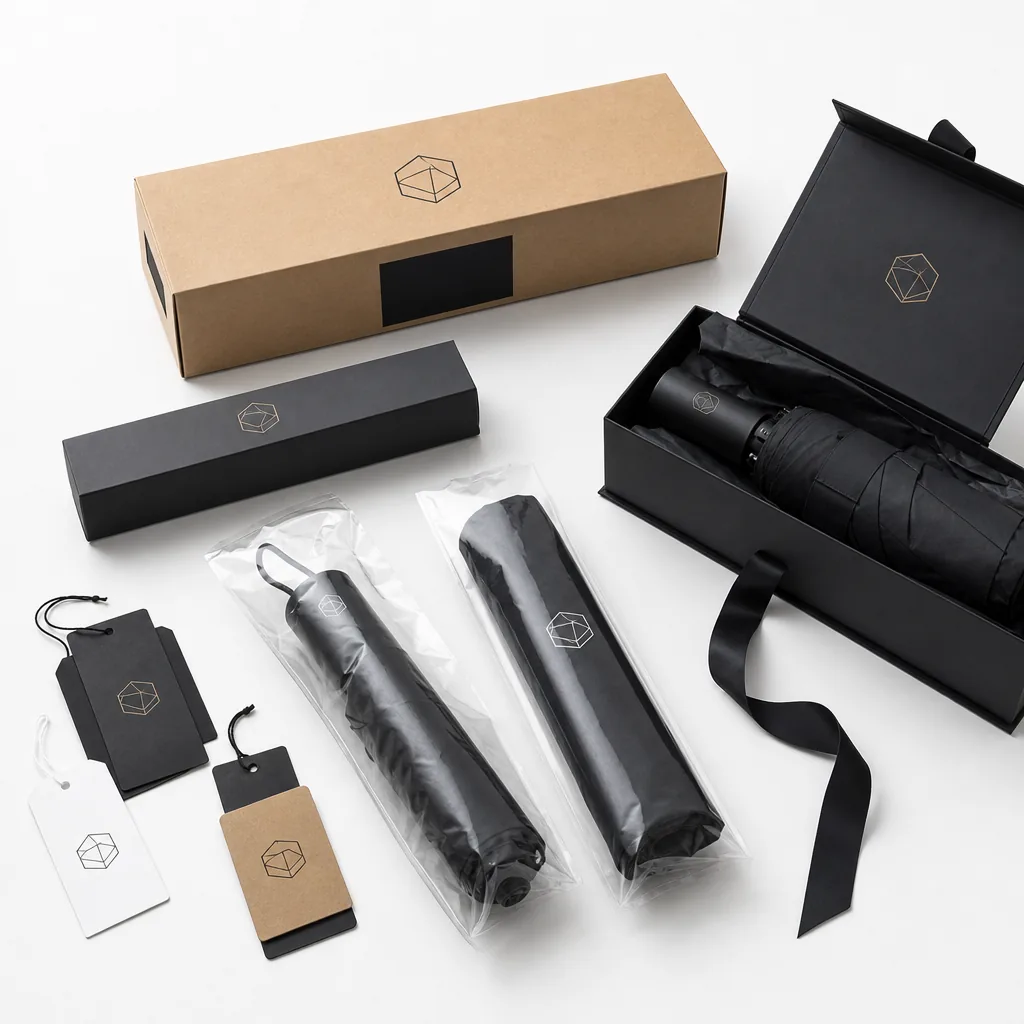
Custom Umbrellas for Insurance Claims and Field Adjusters
Source umbrellas for claims adjusters and CAT teams with durable specs, fast deployment, QC standards, and logistics pla...
Read More »Umbrella Sourcing for Insurance Claims and Catastrophe Teams
Source durable umbrellas for insurance adjusters and CAT teams with windproof frames, fast deployment, QC standards, and...
Read More »