Dropshipping Custom Umbrellas: How the Model Works
Selling custom umbrellas through dropship umbrellas sounds straightforward until the first order hits production. At low volumes, decoration methods, panel counts, lead times, and packaging choices all limit what can be customized profitably, and the wrong partner can turn a simple order into a margin loss or a missed shipment. From the factory floor, the real question is not whether the model works, but which products, print methods, and fulfillment rules can hold up at scale.
What dropshipping umbrellas means
Dropshipping umbrellas is a no-inventory model: the seller lists the product, takes the order, and the umbrella ships from the supplier instead of sitting in a warehouse. For custom umbrella dropshipping, that usually means the buyer chooses a canopy color, print position, handle style, and sometimes a size like 21-inch or 23-inch, then the supplier produces and packs to order. The appeal is obvious if you are testing designs, running a small brand, or selling seasonal promotions without tying up cash in stock. You avoid carton storage, dead inventory, and the usual risk of overbuying a style that looks good on a mockup but moves slowly in the market. A real umbrella dropship supplier is not just a shipping middleman. The useful ones handle the print file check, canopy production, QC, packing, and direct dispatch, which is closer to a print on demand umbrella workflow than traditional wholesale. That matters because umbrellas are not flat goods; rib count, shaft material, and open-close mechanism affect both cost and failure rate. If you are selling branded rain gear for events, sports teams, tourism shops, or corporate giveaways, this model fits. It is less useful for buyers who need full container pricing, strict color matching across large runs, or immediate same-day dispatch from local stock. The tradeoff is that dropship umbrellas usually cost more per unit and move on longer lead times than stocked wholesale goods. You are paying for labor, customization, and small-batch handling, so margins depend on your ability to sell value, not just price. For custom umbrella dropshipping, a typical order may take several days to produce and another few days to move through transit, which is fine for e-commerce and B2B sample orders but not for urgent retail replenishment. In practice, this model works best when the seller wants to validate demand, offer personalized designs, or serve low-volume buyers before committing to MOQ-based production and inventory.
Customization limits at unit volume
The hard limit in custom umbrella dropshipping is not the printing file, it is the physical build. If you want a true one-off, you still have to lock in canopy fabric, frame type, shaft diameter, handle, and printing method before anything ships. A supplier can usually support a logo on an existing 21" or 23" stock frame, but once you ask for a new panel layout, a specific POE or PVC canopy color, a matte EVA handle, or a vented double-canopy structure, you are no longer in simple dropship umbrellas territory. That becomes a production run with pattern cutting, sewing, rib matching, and pre-production approval, which is why MOQ exists. Screen print and heat transfer can work at low volume, but new molds, custom woven labels, colored tips, and branded sleeves all add setup time and waste that a print on demand umbrella model cannot absorb cleanly.
An umbrella dropship supplier can keep unit volume flexible only by limiting the number of variables. In practice that means using stock 8K or 10K frames, standard pongee 190T or 210T canopy cloth, and one decoration area, usually a single-color logo on one panel or the sleeve. If you want custom ferrules, fiberglass ribs, UV coating, Teflon water repellency, or an auto-open-close mechanism, the supplier has to confirm whether those parts already exist in inventory; if not, the order turns into a batch build with a lead time measured in days and a real MOQ. Our standard practice is to separate sampling from production, because at AQL 2.5 you can inspect one-off pieces, but you cannot economically run fully bespoke tooling for every single order. That is the real constraint behind custom umbrella dropshipping: the closer you get to true product differentiation, the less it behaves like dropship umbrellas and the more it behaves like a normal factory order.
Quality control challenges
The hard part with dropship umbrellas is that you are selling a finished product you never physically touch before the customer does. That creates blind spots at every layer: rib gauge, runner fit, spoke alignment, canopy tension, print registration, seam sealing, and even the carton quality that protects the umbrella in transit. A custom umbrella dropshipping operation can look smooth on paper while still hiding problems like weak fiberglass ribs, off-center logos, or a handle finish that scratches in the bag. If you are using a print on demand umbrella workflow, the main risk is not the artwork file itself; it is whether the factory keeps the same fabric batch, ink density, and assembly standard across repeat orders. Once the stock moves directly from production to parcel carrier, you lose the chance to spot the small defects that would normally be caught by hand before fulfillment.
An umbrella dropship supplier has to replace physical handling with process control, and that takes discipline. The minimum is a pre-production sample, a sealed golden sample, and a clear spec sheet that locks down size, rib count, canopy material, coating, handle type, and packaging. For example, a 23-inch auto-open style with 190T pongee and fiberglass ribs will not behave like a 30-inch steel-rib golf umbrella, even if the logo is the same. At ZheBrella, the practical answer is AQL 2.5 inspection before release, plus photo checks of canopy print, stitching, tip caps, and carton marks so the buyer is not guessing. That matters more in dropship umbrellas because every mistake becomes a direct-to-customer complaint, not an issue caught at a warehouse. You also need lot traceability so one bad roll of fabric or one weak rib batch does not contaminate an entire campaign.
The usual failure mode in custom umbrella dropshipping is inconsistency, not one dramatic defect. One order ships with tight seams and correct color, the next batch comes back with looser panels, a slightly different black level, or packaging that crushes the handle in transit. That is why you cannot treat quality control as a one-time approval; you need ongoing controls on print density, fabric shrinkage, hinge torque, and carton drop resistance. For a print on demand umbrella program, I would insist on spare stock, clear defect photos, and a pre-shipment signoff for every production run, especially if the same design is sold through multiple channels. If the seller cannot touch the inventory, the only reliable defense is strong incoming material control, in-line inspection, and a shipping standard that matches the destination carrier's handling. Without that, the seller is not really managing quality, only reacting to returns.
Margins, shipping, and timing
The economics of dropship umbrellas are thin unless you control both decoration cost and freight. On a plain 23-inch auto-open umbrella, the factory cost can sit in a narrow band depending on frame spec: steel ribs are cheaper, fiberglass ribs cost more but cut breakage and refunds, and a 190T pongee canopy will price below a 210T fabric with UV or Teflon coating. Once you add single-color screen print, hangtag, polybag, and a carton split for direct-to-customer fulfillment, the margin can disappear fast if you are selling one unit at a time. A realistic model is to price against landed cost plus pick-and-pack, not against ex-factory pricing. In custom umbrella dropshipping, the sellers who survive are the ones who standardize one or two blank base models and keep decoration simple, because every extra panel color or accessory increases labor and rework risk.
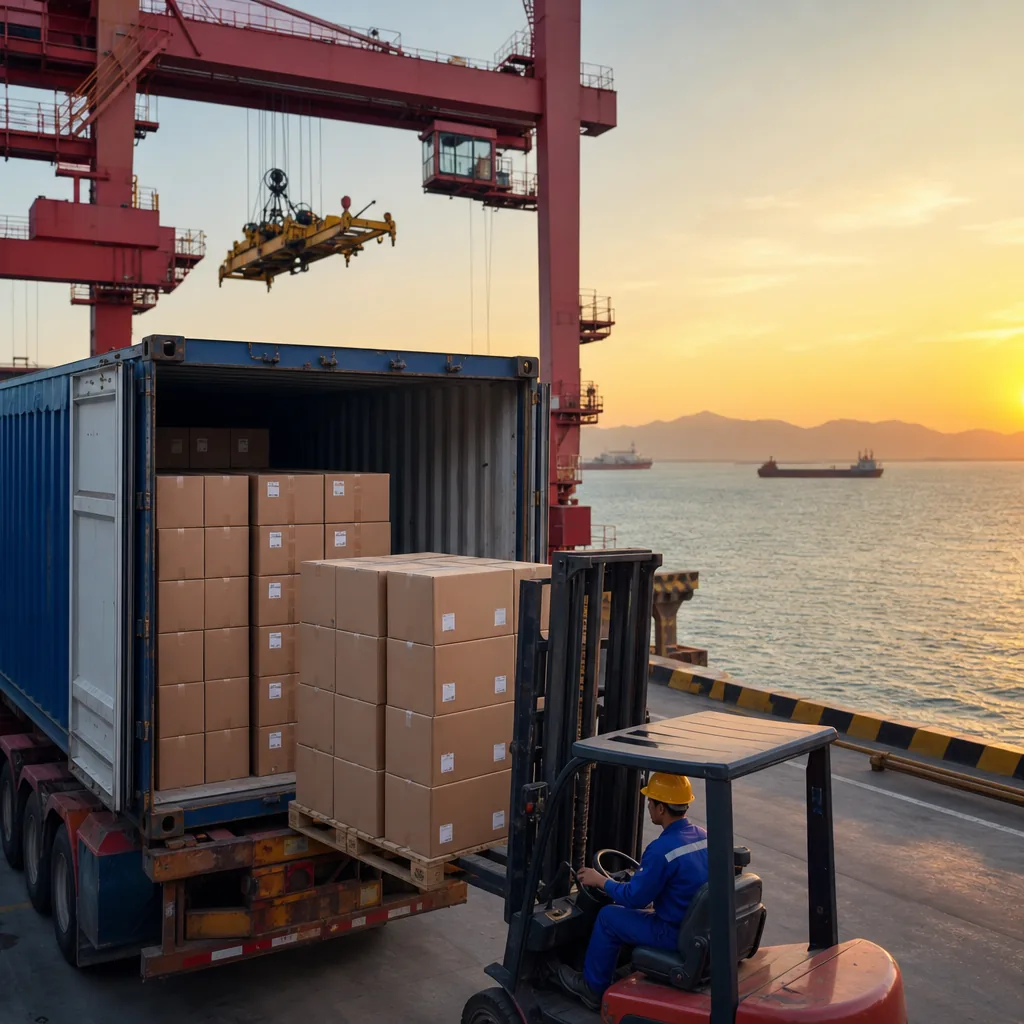
Shipping time is the other place where new sellers misread the model. A print on demand umbrella is still a physical product with cutting, sewing, curing, inspection, and carton packing, so a real lead time is usually 5 to 10 days for production before the parcel even leaves the warehouse. Air express can move a single order to the US or EU in 4 to 8 transit days, but that is expensive and can wipe out the gross margin on lower-priced umbrellas. Sea freight only makes sense for inventory, not true dropshipping, because the customer will not wait 30 to 45 days. If you are using an umbrella dropship supplier, the operational question is whether they can hold blank stock, apply print quickly, and generate tracking within 24 hours after packing.
The cleanest margin structure comes from matching the product to the channel. A 21-inch manual umbrella can work for budget promos, while a 23-inch auto-open or auto-open-close model supports a higher retail price because customers will tolerate a larger landed cost if the item feels sturdier. Double-canopy vented frames, fiberglass ribs, and UPF 50+ coatings raise the unit cost, but they also reduce replacement claims, which matters more than a few cents of print savings. ZheBrella’s standard practice is to quote these jobs with a clear separation between base umbrella, decoration, inner packaging, and outbound freight so the seller can see whether the order is profitable at FOB or only at DDP. For dropship umbrellas, that cost breakdown is not optional; without it, sellers usually underprice shipping and learn the truth only after refunds start hitting the account.
Vetting a dropship or POD partner
Start with samples, but do not stop at the first decorated piece the supplier sends. For dropship umbrellas, I want at least three sample paths: a blank production sample, a printed sample, and a packed-out sample with the final carton label, barcode, and insert. That tells you whether the umbrella frames, canopy stitching, and decoration method all hold up together. If you are buying a print on demand umbrella program, check panel alignment, ink bleed on 190T or 210T pongee, and whether the handle, ferrule, and tips match the listing photos. A supplier that cannot show clean samples for 21" compact auto-open models and 23" golf umbrellas is usually hiding process variation, not solving it.
Reliability checks should be mechanical and boring, because that is where a bad umbrella dropship supplier fails. Open and close each sample 20 to 30 times, inspect the runner, button, and spring tension, then bend the ribs to confirm fiberglass or steel is actually what they claimed. For vented double-canopy golf styles, check seam strength and canopy symmetry under stress; for UV models, verify the coating and ask for UPF 50+ test data instead of marketing language. Our standard practice at ZheBrella is to treat samples as process evidence, not product marketing. If the seller will not document materials, mechanism type, and decoration method, the custom umbrella dropshipping setup is too fragile to scale.
You also need a shipping and defect-control audit before you commit volume. Ask how the factory handles AQL 2.5 inspections, carton drop testing, moisture protection, and replacement rules for transit damage. A real umbrella dropship supplier should be able to quote realistic lead times in days, explain MOQ breaks, and show how they keep color consistency across repeat orders. Compare one-off sample quality against repeat-run consistency; that is where many dropship umbrellas programs collapse, especially when the print file is reused across different canopy colors or handle options. If the supplier cannot explain what happens when a panel is misprinted or a frame arrives with a bent rib, they are not operating a dependable fulfillment system.
Frequently Asked Questions
Can you dropship custom umbrellas?
Yes, through print-on-demand or stock-and-ship partners, but deep customization is limited at single-unit volume - usually a logo on a stock model rather than fully bespoke design. It trades customization and margin for not holding inventory.
Is dropshipping umbrellas profitable?
Margins are thinner than buying bulk because per-unit costs and shipping are higher, and you have less control over quality and timing. It works best for testing designs or low-volume stores; scale usually justifies moving to bulk OEM/ODM orders.
What customization level is realistic for low-volume umbrella dropshipping?
At low volume, the most practical options are logo printing on the canopy, sleeve, or handle, plus simple packaging changes. Full custom panel colors, custom molds, or unique frame parts usually require higher MOQs, often 300-1,000 pieces depending on the factory.
How long does fulfillment usually take for custom umbrella orders?
For existing umbrella models with logo printing, production is often 7-15 days after artwork approval. Add 3-7 days for international shipping, depending on the destination and service level.
What should a buyer check before choosing an umbrella fulfillment partner?
Ask for product photos, canopy print methods, sample lead time, and whether they can support blind dropshipping. Also confirm carton packing standards, defect rate policy, and whether they can ship single orders directly to end customers.
Looking to Launch Your Custom Umbrella Line?
ZheBrella is a Zhejiang-based OEM/ODM umbrella manufacturer with 17 years of export experience. Free design, low MOQ from 100 pieces, windproof construction, full-color print.
Get Free Quote Now »People Also Search For
Related Articles
How to Compare Umbrella Suppliers on MOQ, Incoterms, and Risk
Use a practical buyer framework to compare umbrella suppliers on MOQ, quote structure, inspection standards, and shippin...
Read More »Rain Umbrella Compliance for REACH and Prop 65 Programs
Learn how buyers source umbrellas for REACH and Prop 65 programs, from material risk points to lab testing, documentatio...
Read More »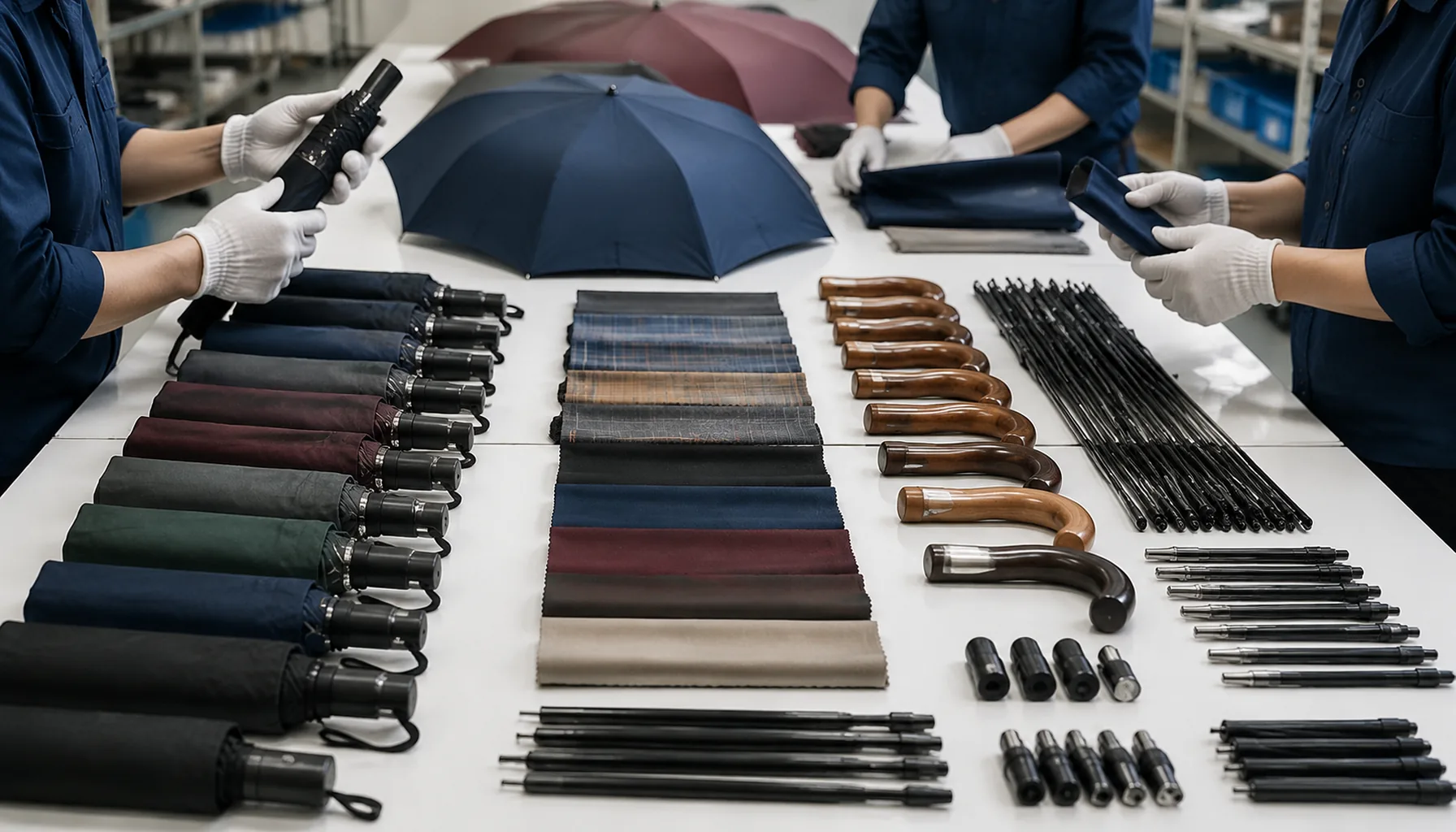
Mixed-SKU Umbrella Orders: Controlling MOQ and QC Risk
Learn how to combine umbrella models, colors, and logos in one factory order while keeping MOQ, lead time, carton labels...
Read More »