Luxury Umbrella Specs for Retail and Corporate Gift Buyers
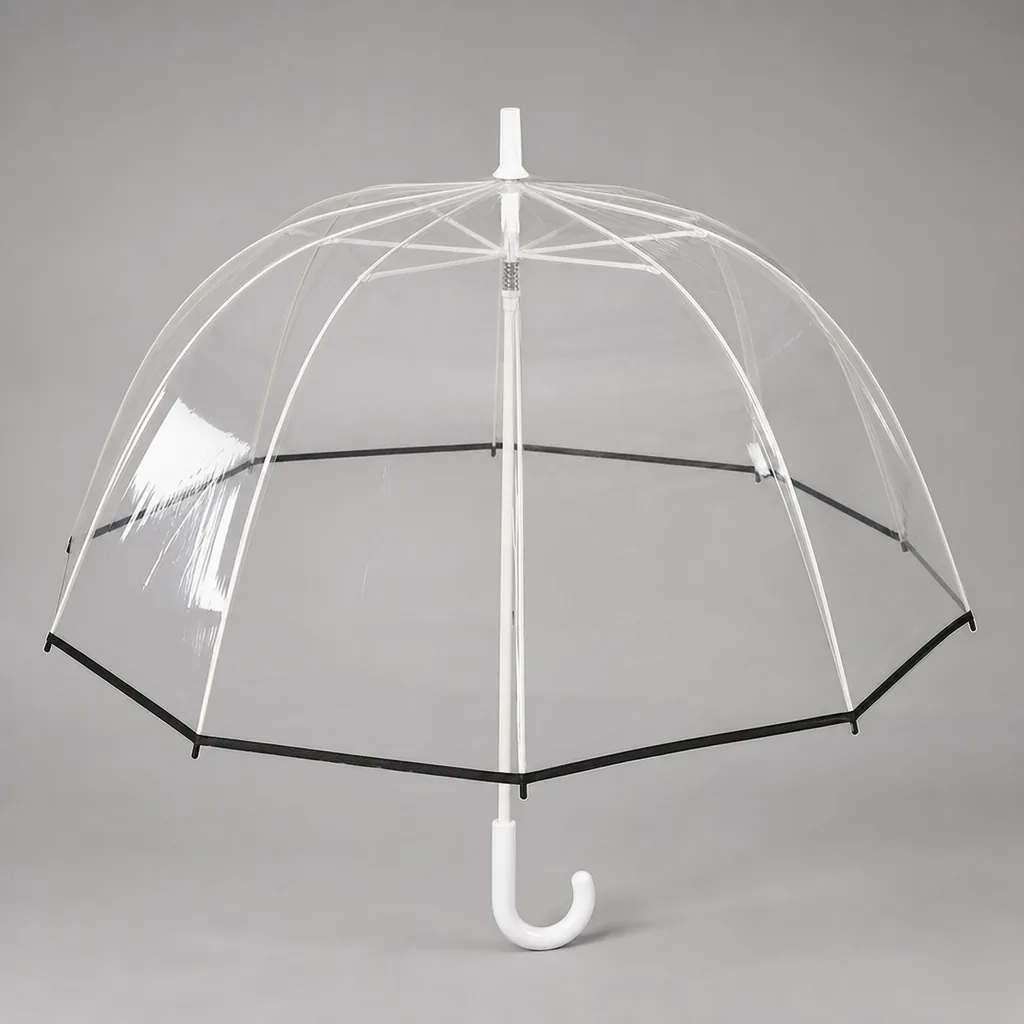
A premium umbrella is judged in the first few seconds: the hand feel of the fabric, the smoothness of the runner, the sound of the ribs opening, and whether the branding looks intentional rather than added late. As a luxury umbrella manufacturer, we see retail and corporate buyers overpay for visible features while under-specifying frame strength, coating consistency, handle finishing, and carton protection. Getting the product right starts with clear specs that can survive sampling, production, QC, and import handling.
What Makes an Umbrella Feel Premium to End Users
A luxury umbrella separates itself from a standard mid-market unit within the first handling cycle: open, shake, close, and sleeve. A typical 23" mid-market model may use 190T pongee, steel ribs, plastic tips, and a manual or basic auto-open runner. Premium umbrella specifications move the buyer to 210T pongee or denser polyester, Teflon-style water-repellent finishing, fiberglass ribs, a stiffer center shaft, and a spring system that opens cleanly without a harsh snap. The canopy should hold even tension across every panel, with no sagging between ribs or twisting at the crown. Closed, the folds should stack straight, the strap should land on a seam, and the sleeve should match the canopy fabric, trim color, and retail price point.
Premium feel comes from parts that many buyers treat as afterthoughts. Stitch length must stay consistent across panels; bar-tacks should reinforce rib pockets and strap points; loose threads should be removed before final packing. For retail umbrella sourcing, logo placement should remain centered within a 1–2 mm tolerance, especially on single-panel prints and tone-on-tone marks where misalignment is obvious. Handles also set the price signal: rubberized plastic works for daily-use programs, while maple, bamboo, leather-wrapped, or matte ABS handles support high end umbrella materials and higher shelf prices. Ferrules, caps, tips, snaps, straps, and sleeve piping should follow one finish direction instead of mixing catalog parts. As a luxury umbrella manufacturer, ZheBrella also checks balance after assembly; even a 27" golf umbrella feels cheap if shaft, handle, and rib weight pull unevenly.
Specify upgrades by channel, not by decoration budget alone. Department stores and museum shops need tighter color matching, refined hangtags, retail sleeves, and AQL 2.5 inspection because shoppers compare the umbrella with fashion accessories, not commodity rain gear. Hotel gift shops need quiet opening, durable trims, and surfaces that still look clean after repeated guest handling. Executive gifting and corporate gift umbrella OEM projects can justify 8K or 10K fiberglass frames, auto-open-close systems on 21" compact models, UPF 50+ coating when sun protection is part of the brief, and discreet branding instead of oversized logos. The core sourcing rule is simple: do not spend heavily on print effects while under-specifying frame strength, canopy tension, or runner smoothness. End users may accept a subtle logo, but they remember a canopy that rattles, jams, or inverts in the first storm.
Materials That Support a High-End Positioning
A premium frame must justify the retail price in the buyer’s hand, not just in the product description. For 23" and 27" stick umbrellas, fiberglass ribs provide flex recovery after gusts, while selected steel or aluminum shafts, runners, notches, tips, and ferrules deliver the weight and finish expected from high end umbrella materials. An 8K frame gives a classic profile, 10K adds canopy fullness and perceived substance, and 16K should be reserved for designs that intentionally want a structured, architectural look. Compact auto-open-close models need lighter shaft and rib combinations to control pocket weight and spring load; overbuilding them can make the mechanism feel harsh. Wood shafts and curved handles suit heritage retail, hotel, museum, and executive programs, but they require controlled sealing and lacquer application to prevent swelling, cracking, or a sticky grip in humid storage. A capable luxury umbrella manufacturer should quote rib material, shaft material, shaft diameter, runner finish, handle construction, and rib count as separate line items, not hide them behind “premium frame.”
Canopy fabric is the most visible part of premium umbrella specifications, especially under retail lighting. 190T pongee can work for standard promotional umbrellas, but 210T pongee gives better drape, higher opacity, and a smoother surface for screen print or heat-transfer logos. The difference shows most on 23" and 27" canopies with large panels: 210T looks denser, wrinkles less, and reduces translucency on white, beige, pastel, or other light colors. For corporate gift umbrella OEM projects aimed at boardroom, hotel, or executive use, thin 190T can soften logo edges and let panel seams or frame shadows show through. Specify a durable water-repellent finish, such as a Teflon-type coating, when rain beading is part of the value promise. For sun-use collections, add an optional UPF 50+ coating, then approve lab dips and printed strike-offs because UV treatments can affect color brightness, fabric hand feel, and sewing behavior.
Lock the material package around the sales channel before negotiating unit cost. Modern retail umbrella sourcing often favors a matte black coated metal shaft with fiberglass ribs for a clean technical look; department stores, hospitality, and executive gifting usually support dark wood shafts, curved handles, and controlled metal accents better. Hardware finish should be specified, not assumed: nickel, gunmetal, or brushed-brass-look ferrules, runners, and tips look more consistent than raw plated parts, but plating uniformity and corrosion resistance still need pre-shipment checks. At ZheBrella, pre-production approval should cover opening smoothness, rib rebound, canopy tension, handle bonding, logo position, and print clarity before bulk cutting. Final inspection should use AQL 2.5 for visible defects, with the buyer’s spec sheet listing fabric grade, 190T or 210T pongee, rib count, rib material, shaft material, coating type, colorfastness requirement, and print method. These details reduce sourcing risk more reliably than approving one attractive sample photo from a luxury umbrella manufacturer.
Design Features Buyers Should Add Carefully
Add upgrades in the order the buyer and end user notice them: opening feel, shaft stability, handle finish, sleeve fit, then packaging. For 23" and 27" stick umbrellas, a metal auto-open runner with a clean spring release feels more durable than a low-cost plastic runner and reduces the “cheap click” that weakens a premium presentation. For 21" compact auto-open-close models, do not approve the mechanism alone; match it with stronger ribs, controlled closing force, and cycle testing, or showroom appeal can turn into runner and spring complaints after 500–800 uses. A luxury umbrella manufacturer should confirm button reliability, opening force, shaft play, and runner alignment before locking premium umbrella specifications, because mechanism failure is one of the fastest ways to turn a high-value gift into a warranty problem.
Double-canopy windproof construction adds value only when the frame, fabric, and vent geometry work together. A 10K or 16K frame with fiberglass ribs, a steel or aluminum shaft, and 190T or 210T pongee canopy can outperform a basic 8K steel-rib umbrella, but the vent overlap and panel tension decide whether gusts escape cleanly or the canopy flaps. For retail umbrella sourcing, a 27" or 30" vented golf model can support higher shelf pricing when paired with Teflon water-repellent coating or UPF 50+ treatment. For a corporate gift umbrella OEM program, the same build may be over-specified if recipients commute by train, store the umbrella in bags, or value lower weight over storm performance.
Signature handles, woven labels, fitted sleeves, and gift boxes raise perceived value, but each one adds cost, weight, and QC risk. Rubberized ABS handles are consistent and practical; wood handles look more premium but require checks for grain variation, moisture, and finish defects; faux leather wrapping needs adhesive and seam inspection. Woven labels look better than printed tags on the canopy or sleeve, but colorfastness and placement should be controlled within about 2–3 mm. Rigid gift boxes improve executive presentation, yet they increase carton volume, freight cost, and corner-crush risk under FOB or DDP delivery. At ZheBrella, we review weight, packed size, AQL 2.5 inspection points, and lead-time impact before combining too many high end umbrella materials in one design.
Packaging, Presentation, and Brand Consistency
Packaging is a product spec, not an afterthought. For retail umbrella sourcing and corporate gift umbrella OEM programs, choose the pack by sales channel: individual pongee sleeves for standard sets, printed color boxes for retail shelves, and gift-ready rigid or paperboard boxes for executive orders. 190T and 210T pongee with Teflon coating must be fully dry before packing to prevent creasing; PVC and POE clear canopies need anti-blocking paper in humid months; EVA frosted panels should not rest against dark printed sleeves during ocean freight. ZheBrella adds barcode labels, desiccant where required, inner-carton dividers for premium handles, and AQL 2.5 inspection for carton print, color variance, crushed corners, sleeve stitching, and accessory count.
A luxury umbrella manufacturer should lock presentation details into the BOM, not rely on artwork alone. Repeat orders must reference the same revision for Pantone canopy color, logo placement, handle finish code, rib and runner color, top cap, strap material, button plating, sleeve fabric, gift-box paper weight, insert card, hangtag, polybag, and master-carton layout. This protects premium umbrella specifications across seasons and factories, especially when high end umbrella materials are paired with metal, wood, leather-look, or soft-touch handles. For FOB orders, consistent packing reduces warehouse relabeling and repacking; for DDP shipments, it lowers the risk of retailer chargebacks from mismatched barcodes, damaged color boxes, or incomplete accessory sets.
Supplier Control Points: MOQ, AQL 2.5, and Delivery Terms
Approval control protects premium programs more than another quote revision. Before bulk cutting, require a signed golden sample from the luxury umbrella manufacturer that uses actual bulk fabric, ribs, shaft, handle finish, logo method, sleeve, hangtag, carton mark, and gift packaging—not a rendering or retouched photo. Check the sample in daylight and factory LED, cycle it open and closed at least 30 times, measure print registration within 2 mm, and confirm canopy symmetry after drying. For auto-open and auto-open-close frames, inspect button force, shaft wobble, runner travel, spring rebound, notch fit, and safety lock engagement as separate checkpoints. On 23-inch and 27-inch umbrellas, a marginal spring or notch in one showroom sample can become a 3% to 5% complaint rate after retail handling.
MOQ pressure usually comes from custom components, not the canopy fabric alone. A stock 190T or 210T pongee canopy with fiberglass ribs may work at 300 to 500 pieces per color, but molded rubber handles, stained wood handles, metal logo plates, EVA gift boxes, color-matched sleeves, and retail clamshells can push the practical MOQ to 1,000 or 3,000 pieces. For a corporate gift umbrella OEM order, separate must-custom brand elements from stock components: a private-label sleeve and heat-transfer logo carry less tooling and QC risk than a new handle mold. Freeze premium umbrella specifications through a pre-production sample made with actual bulk fabric, hardware, and packaging. Changing a handle, coating, or carton structure after cutting creates scrap, rework, and missed vessel dates.
Use AQL 2.5 as the release gate, not the full quality plan. Finish inspection should cover frame opening, seam strength, rib tips, cap alignment, ferrule security, sleeve fit, water repellency, carton drop resistance, and UPF 50+ claims when specified. High end umbrella materials do not compensate for weak assembly: a 10K double-canopy vented golf umbrella that passes a 50+ mph wind-tunnel test can still fail at shelf level through loose stitching or uneven panels. Delivery terms then decide launch risk and landed margin. FOB Ningbo or Shanghai gives retail umbrella sourcing teams control over freight, customs, and forwarder selection, but requires stronger internal logistics. DDP simplifies launch planning because duty, inland trucking, and final delivery sit inside one landed price; watch packaging cube, HS code duty rate, warehouse accessorials, and inspection delays that can turn planned sea freight into emergency air freight.
Frequently Asked Questions
Is a luxury umbrella always built with 16 ribs?
No. A premium umbrella can use 8 ribs if the frame geometry, materials, canopy tension, and finishing are well executed. More ribs can create a distinctive look, but they also add weight and cost.
What usually drives MOQ up on premium umbrella projects?
Custom molds, special handle materials, branded gift boxes, and nonstandard trims are common MOQ drivers. Stock-frame programs with upgraded fabric and finishing usually allow lower minimums than fully bespoke builds.
What specifications should a buyer request for a luxury retail umbrella?
For a premium umbrella, specify 190T-pongee or higher-density polyester canopy, fiberglass or steel-fiberglass ribs, reinforced tips, smooth auto-open or auto-open-close mechanism, and a PU, wood, or rubberized handle. Retail buyers should also define canopy diameter, rib count, wind testing requirements, logo method, and individual packaging.
What is a typical MOQ for custom luxury umbrellas?
For OEM luxury umbrellas, typical MOQ is 500-1,000 pieces per design depending on fabric, handle, frame, and packaging customization. Fully custom molds, special plated hardware, or bespoke gift boxes may require higher quantities.
How long does it take to produce premium umbrellas for corporate gifts?
Sampling usually takes 7-15 days after artwork and specifications are confirmed. Bulk production commonly takes 30-45 days, with additional time needed for custom packaging, lab testing, or peak-season scheduling.
Looking to Launch Your Custom Umbrella Line?
ZheBrella is a Zhejiang-based OEM/ODM umbrella manufacturer with 17 years of export experience. Free design, low MOQ from 100 pieces, windproof construction, full-color print.
Get Free Quote Now »People Also Search For
Related Articles

Best Stick Umbrella Specs for Retail and Corporate Buyers
Compare stick umbrella frames, canopies, handles, and QC checkpoints for retail, corporate gift, and uniformed service s...
Read More »
Executive Gift Umbrella Specs for Corporate and Retail Buyers
Specify a premium umbrella that feels gift-worthy and performs in daily use, with the right frame, canopy, handle, packa...
Read More »
Corporate Gift Umbrellas: How Buyers Choose Premium Specs
Learn which premium umbrella specs raise gift value, from 210T pongee and fiberglass ribs to handle materials, packaging...
Read More »