Marina Umbrellas for Guest Comfort, Tours, and Retail
Choosing marina umbrellas is a sourcing decision shaped by wind, salt, sun, and daily handling, not just appearance. Buyers need guest comfort for dock walks and tours, plus a product that holds up in gusty exposure, delivers UPF 50+ protection, and can still work for retail sales at a sensible MOQ. From the factory floor, the real challenge is matching frame strength, canopy fabric, FOB terms, and lead times to how the marina will actually use them.
Where marinas and waterfront operators hand out umbrellas
Marina umbrellas work best when they are treated as circulation equipment first and merchandise second. At dock check-in and charter transfers, the right guest-service umbrella is usually a 23" or 27" stick model with a fiberglass shaft, steel or fiberglass ribs, and a plain POE or 190T pongee canopy that can be wiped down after salt spray and sunscreen. For waterfront guest umbrellas, I would not overbuild the spec: manual open is fine for staff-controlled handoff, while auto-open umbrellas make sense when crews need to move people quickly from parking to the gangway. On busy weekends, seasonal demand is usually easier to manage in lots of 100 to 300 units for operations, with replacement stock held back for breaks, losses, and weather damage. The point is utility, not long-term retail margin, so a clean one-color print and a durable ferrule matter more than decorative finishes.
For boat tour umbrellas and promenade handouts, the canopy choice should be more deliberate because customers keep them longer and use them under reflected sun. UPF 50+ umbrellas with 210T pongee, Teflon treatment, or a vented double-canopy build are a better fit when exposure time is measured in hours, not minutes. A 21" foldable or compact auto-open style works for ticketed tours, but a 23" stick umbrella is easier for dock staff to stack, label, and reissue. In practice, the guest-service spec should survive salt humidity, repeated open-close cycles, and occasional wind gusts off the water; fiberglass ribs are the safer default than full steel when breakage is the main failure mode. At ZheBrella, our standard practice is to separate these operational umbrellas from retail SKUs before production, because the abuse pattern, print method, and acceptable defect rate are not the same.
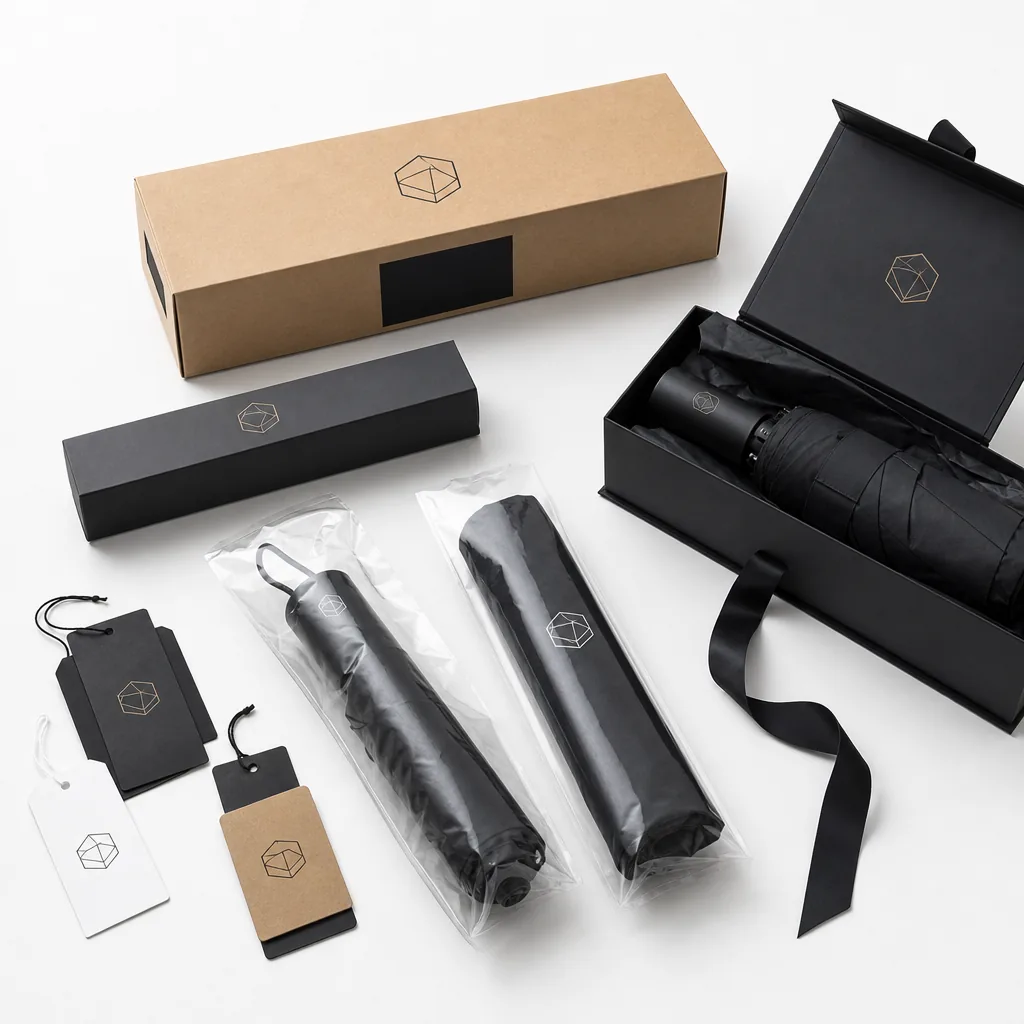
Gift-shop resale should be treated as a different inventory class entirely. Retail marina umbrellas usually need better fabric hand feel, fuller print coverage, and packaging that looks ready for the shelf, which is why 8K or 10K rib counts, nicer pongee, and cleaner auto-open umbrellas sell better than the harder-wearing but plainer guest units. For seasonal traffic, I would expect gift-shop buys in smaller replenishment lots, often 24 to 120 pieces per design, while dock operations might place 200 to 500 units across the season depending on berth count and tour volume. If the marina also serves charter operators, it helps to keep two specs in stock: a low-cost guest model for check-in and a more polished resale model with a higher perceived value. That separation keeps AQL 2.5 inspection targets realistic and avoids overpaying for features that the handout program will never recover through retail margin.
Build choices for wind, spray, and salt air
For marina umbrellas, the frame choice is not cosmetic; it decides whether the unit survives gusts coming off open water or starts loosening after a season. Fiberglass ribs flex and return, which is the right behavior for waterfront guest umbrellas exposed to sudden side loads from wind and passing wakes. Steel ribs feel stiffer in hand, but on docks they can dent, rust at the joints, and add dead weight that makes the whole umbrella harder to handle. An 8K frame is usually acceptable for lighter shade programs, but 16K construction spreads the load better across more ribs and keeps the canopy profile steadier when the wind shifts. If the job is boat tour umbrellas or fixed pier seating, I would specify fiberglass ribs with a reinforced hub before I would default to heavy steel.
Double-canopy windproof construction matters because spray and pressure buildup are the real failure points near the water, not just straight-line wind speed. A vented top lets air escape instead of ballooning the canopy, which reduces inversion and lowers stress on the runner and stretchers. For marina umbrellas, I prefer a vented double canopy with pongee 190T or 210T fabric, especially when the customer wants UPF 50+ umbrellas for all-day guest use. The extra layer also helps with fast drying after salt spray, which is important when the same unit is being opened and closed several times a day. If the canopy is going to sit near food service or rental counters, a Teflon finish is worth specifying because it sheds salt residue and makes cleanup less of a labor problem.
Salt air attacks the shaft and fittings long before the canopy wears out, so corrosion resistance is not optional. Aluminum shafts with anodized or powder-coated finishes are the safest default for marina umbrellas, and stainless hardware should be used where the frame pivots and locking points see repeated wet-dry cycles. Lighter auto-open umbrellas are easier to manage on slippery docks because staff can deploy them with one hand while holding railings or carrying trays; that matters more than buyers expect until they have a crew working in wet shoes and crosswind. ZheBrella typically treats these as operational details, not upgrades: lighter weight, smooth auto-open action, and a balanced center of gravity reduce dropped units, bent ribs, and slow service on busy waterfront terraces.
Fabric, UV performance, and premium branding cues
For marina umbrellas, the canopy cloth matters more than most buyers think. We normally start with 210T pongee or another dense weave because it holds color better, blocks more light through the panel, and stays flatter after repeated wet-dry cycles around saltwater docks. If the umbrellas are serving as waterfront guest umbrellas or boat tour umbrellas, spec the fabric as UPF 50+ umbrellas material, not just "UV coated" on a brochure. On open water, glare comes from below and the side, so a tight weave with a stable coating gives better real-world protection than a thin, glossy canopy that looks good on day one and fades fast. For printing, pigment or transfer work needs a fabric that accepts ink without bleeding at the seams; otherwise logos crack along the fold lines and the edge binding shows ghosting after a season of sun and spray.
Color choice should be driven by visibility and brand control, not trend. Bright navy, signal red, white, and high-contrast two-tone panels are easier to spot from a dock or shuttle boat, while darker solids hide grime better on high-traffic marina decks. For retail programs, premium-looking handles make a bigger difference than most sourcing teams expect: molded EVA, lacquered straight wood, or a soft-touch rubberized grip all feel more expensive than a bare plastic J-handle, especially on auto-open umbrellas. If the program needs marina umbrellas that can be sold at the counter, I would avoid flimsy foam grips and thin chrome tips; they age poorly in humid coastal air. ZheBrella’s standard practice is to match the canopy finish, handle texture, and print placement so the umbrella reads as a single product, not a generic frame with a logo slapped on it.
Testing and quality standards for wet environments
For marina umbrellas and other waterfront guest umbrellas, the failure mode is usually not the canopy first, it is the hardware that lives in spray and humidity every day. Our standard inspection target is AQL 2.5, which means we sample finished lots for frame alignment, seam quality, print adhesion, and corrosion risk instead of relying on a visual pass only. Before packing, we run water-bead checks on coated canopies to confirm the finish is still shedding water rather than wetting out, then cycle the opening mechanism repeatedly to catch runner drag, spring weakness, and pin looseness. For boat tour umbrellas and UPF 50+ umbrellas used near docks, that matters because wet fabric and salt residue change how the frame feels after only a few days in service. We also confirm the ferrule fit, tip retention, and rivet tightness while the parts are still clean, because small tolerances that look fine on the bench can become obvious once the umbrella has been handled by passengers and staff in damp conditions.
After salt exposure, ferrules, runners, and tips need a real inspection, not a glance. We wipe down the frame, dry it fully, and check for white oxidation, surface pitting, or sand intrusion in the runner channel; any roughness there will shorten the life of auto-open umbrellas because the extra drag hits the spring and release button. On fiberglass ribs, we look for splintering at the tips and around the joint ends, while steel parts are checked for coating breaks and early rust around crimps and screw points. Packaging is part of the quality standard, not an afterthought: finished goods should go into moisture-resistant polybags or inner sleeves, then into cartons with clean spacing, desiccant where needed, and carton liners that reduce condensation during ocean transit. For marina umbrellas, that protects the frame finish, keeps the canopy from picking up mildew odor, and reduces claims when the shipment sits in a hot container yard or transfers through a wet port terminal.
Commercial terms, MOQ, and peak-season timing
For marina umbrellas, I separate commercial terms by build complexity, not by mood. A plain 21" or 23" model with 190T pongee, fiberglass ribs, and a manual shaft can often start at 500-1,000 pieces per color, while printed waterfront guest umbrellas with custom panels, UV coating, and auto-open hardware usually sit closer to 1,000-3,000 pieces before pricing becomes stable. ZheBrella’s standard practice is to lock the spec first, then quote on the exact rib count, canopy fabric, handle, and packing method, because an 8K steel frame and a 16K fiberglass frame are not the same commercial product. FOB makes sense when the buyer already has a freight forwarder and wants to control ocean cost; DDP is better when the delivery is to resorts, marinas, or retail warehouses and the buyer wants one landed number with duty handled upstream.
For boating season, the mistake is waiting until spring to place the order. A realistic timeline for boat tour umbrellas and UPF 50+ umbrellas is 7-10 days for samples, 3-5 days for sample revision if the artwork or panel alignment needs correction, and then 25-35 days for bulk production after deposit and final approval. If the order includes special vented double-canopy construction, Teflon finish, or auto-open umbrellas with custom packaging, I would assume 35-45 days and build in a buffer for inspection and carton booking. The clean way to run it is: approve the pre-production sample, confirm the printing proof, sign off on the carton mark, then release bulk. That sequence avoids the common failure mode where the canopy color is approved but the logo placement changes after production has already started.
For repeat marina umbrellas orders, reserve factory capacity before the season turns busy, ideally 60-90 days ahead of the first shipment window. That matters because the same frame line can be consumed by larger retail programs, and once peak season starts, you are competing for sewing, printing, and assembly slots at the same time as everyone else. If the buyer wants staggered deliveries, we usually split into two or three shipments: one early batch for display and dealer rollout, one replenishment batch after field feedback, and a final top-up before midsummer demand peaks. Commercially, that is easier to manage under FOB because each vessel booking can be staged against completed cartons, while DDP works best when the buyer wants fixed arrival dates and fewer handoffs. For consistent colors, repeat buyers should also hold the approved Pantone, canopy pattern, and packing spec on file so the next run does not restart qualification from zero.
Frequently Asked Questions
Are fiberglass ribs better than steel for marina umbrellas?
Usually yes, because fiberglass flexes in gusts and does not rust in salt air. Steel can work for lower-cost retail pieces, but it tends to raise replacement risk near water.
Can one umbrella spec cover both dock staff and retail sales?
Yes, but it should be tiered. Staff umbrellas should prioritize windproof construction and durability, while retail versions can add premium fabric, packaging, and hangtags to support margin.
What umbrella specs work best for windy marina environments?
For exposed docks and waterfront walkways, buyers usually ask for fiberglass ribs, reinforced shafts, and vented canopies. A 21-23 inch canopy with wind-tested construction is common for guest use, while larger golf-style frames are better for retail resale.
What is a practical MOQ for marina umbrella orders?
For custom-printed OEM umbrellas, factory MOQs often start around 500 to 1,000 pieces per design, depending on canopy style and handle type. If you need mixed colors or multiple delivery drops, the MOQ may be higher to cover setup and carton packing.
How long does a marina umbrella order usually take to ship?
Sample production typically takes 5-10 days, and bulk production is often 25-45 days after artwork approval and deposit. FOB China terms are common, so buyers should also budget time for ocean freight, customs clearance, and final inland delivery.
Looking to Launch Your Custom Umbrella Line?
ZheBrella is a Zhejiang-based OEM/ODM umbrella manufacturer with 17 years of export experience. Free design, low MOQ from 100 pieces, windproof construction, full-color print.
Get Free Quote Now »People Also Search For
Related Articles
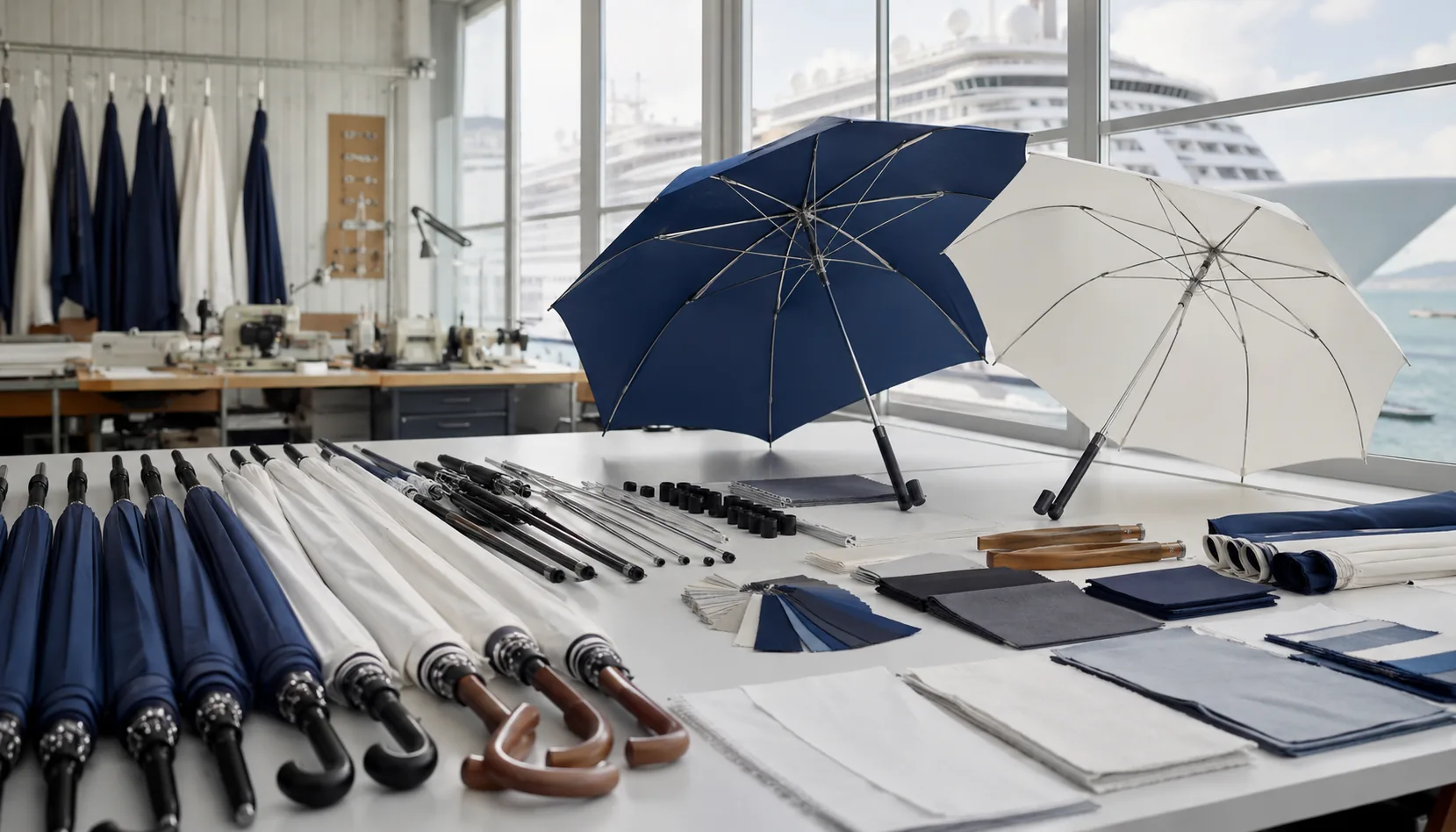
Cruise Line Umbrellas for Shore Excursions, Deck Use, and Retail
Specify cruise line umbrellas for gangways, shore excursions, and onboard retail with windproof frames, UPF fabrics, QC ...
Read More »
Umbrella Programs for Retail Pharmacies and Store Chains
Build umbrella programs for pharmacy chains with practical specs for front-end retail, rainy-day sales, store branding, ...
Read More »Why Retail Brands Are Moving to Sun-and-Rain Hybrid Umbrellas
Learn why hybrid sun-and-rain umbrellas are gaining retail traction and how specs like UPF 50+, pongee density, and fram...
Read More »